It begins with a quiet death in a shared bed, in a dilapidated farmhouse cut off from the easy comforts of modern life. The year is 1990, the place is Munnsville, rural upstate New York, and one elderly brother, William Ward, has passed away. His brother, Delbert, is soon charged with his murder. This stark, unsettling premise is the entry point into Joe Berlinger and Bruce Sinofsky’s remarkable 1992 documentary, Brother's Keeper. Watching it again now, decades after first finding that unassuming tape box on a rental shelf, its power hasn't diminished; if anything, its exploration of community, justice, and the gulf between rural reality and urban perception feels even more resonant.
Beyond the Headlines
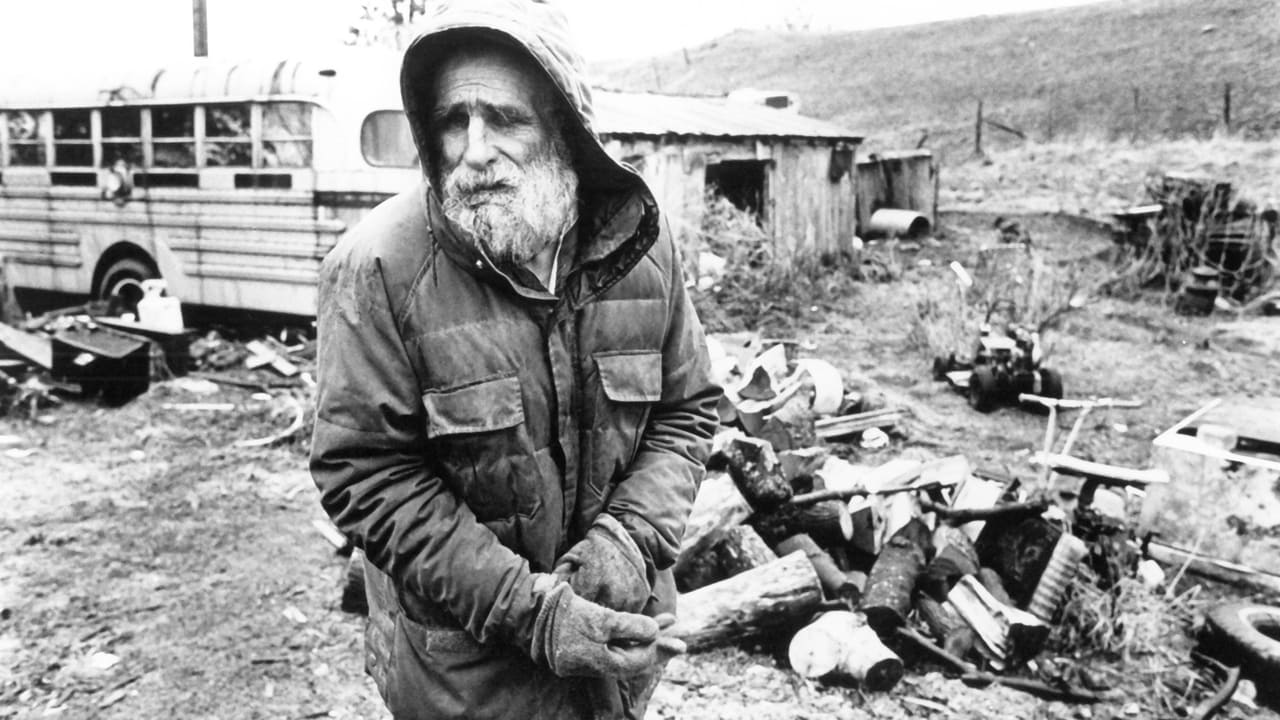
What could have been a straightforward true-crime procedural becomes something far richer and more profound in the hands of Berlinger and Sinofsky. They embed themselves within the Munnsville community, capturing not just the legal proceedings surrounding Delbert Ward, but the lives of the three surviving Ward brothers – Delbert, Roscoe, and Lyman. These men, semi-literate dairy farmers who lived their entire lives together in near isolation, are presented without judgment, their quiet routines and deep, often unspoken bond forming the film's emotional core.
The directors, who would later gain further acclaim for the Paradise Lost trilogy documenting the West Memphis Three case, employ a direct cinema approach. There’s no narrator telling us what to think, no dramatic reenactments. Instead, the camera observes – the awkward intimacy of the brothers' shared home, the bewildered faces in the courtroom, the passionate defense mounted not just by lawyers, but by the entire town of Munnsville. I recall finding it on VHS, likely tucked away in the documentary section often overlooked in favour of action or horror flicks. It was a revelation then, showcasing how compelling reality, captured thoughtfully, could be.
A Town Rallies
One of the most striking aspects of Brother's Keeper is its portrait of Munnsville. Faced with what they perceive as an intrusive, condescending legal system imposing itself on one of their own, the townspeople rally around Delbert. They raise money for his defense, hold bake sales, print t-shirts. It's a fascinating display of collective identity and suspicion of outsiders. Does this fierce loyalty stem purely from a belief in Delbert's innocence, or is it also a defense of their way of life, a rejection of the perceived judgment from the "city folk" involved in the prosecution? The film doesn't offer easy answers, allowing the viewer to grapple with these ambiguities.
The Ward brothers themselves are unforgettable screen presences, precisely because they aren't "performing." Their interactions, their simple statements, their evident confusion and distress – it all feels achingly real. Delbert Ward, in particular, is a figure of immense vulnerability. His signed confession, obtained under questionable circumstances, hangs heavy over the proceedings. Watching him navigate the alien world of the legal system is both heartbreaking and deeply unsettling. Was justice truly being served, or was a simple man being railroaded by a system he couldn't possibly comprehend?
Filmmaking with Impact
Berlinger and Sinofsky faced considerable challenges. Gaining the trust of the reclusive Ward brothers and the tight-knit community was paramount. They achieved this through patience and respect, living nearby during filming. Interestingly, the initial funding was modest, pieced together from various sources, a testament to the passion behind independent documentary filmmaking in the early 90s. The film's eventual success, particularly winning the Audience Award at the 1992 Sundance Film Festival, was crucial not just for the filmmakers' careers but also in demonstrating the commercial viability of challenging documentary features – something far less common back then than it is today. It became a staple in well-curated video stores, the kind of film recommended by staff who really knew their inventory.
The film’s aesthetic matches its subject – unadorned, direct, letting the environment and the people speak for themselves. The starkness of the upstate New York winter mirrors the bleakness of the situation, while the close-ups on the faces of the townspeople and the brothers convey more emotion than any narration ever could. It avoids sensationalism, focusing instead on the human drama and the complex social dynamics at play.
Enduring Questions
Brother's Keeper isn't just a record of a specific case; it's a film that forces us to consider broader questions. How does society treat those on its margins? How do communities define themselves, especially in opposition to outside forces? What constitutes genuine justice, particularly when dealing with individuals who may not fit conventional molds or possess sophisticated means of self-defense? These questions linger long after the credits roll, a mark of the film's lasting power. It stands as a powerful example of early 90s independent documentary, a reminder of a time when filmmakers could still uncover extraordinary stories in seemingly ordinary places, armed with little more than a camera and a commitment to observation.
Rating: 9/10
This score reflects the film's exceptional power as an observational documentary, its empathetic yet unflinching portrait of a unique community and individuals caught in the gears of the justice system, and its skillful filmmaking that avoids easy answers. It’s a near-perfect execution of the direct cinema style, raising profound questions that remain relevant. It loses a single point perhaps only because its very specific focus might feel slow or uneventful to viewers solely seeking overt drama, but its depth rewards patience immensely.
Brother's Keeper remains a haunting, deeply human film, a snapshot of a specific time and place that speaks volumes about broader societal fault lines. It’s a vital piece of documentary history that deserves to be remembered and revisited, preferably with the same thoughtful consideration it extends to its subjects.