Okay, let's dust off a tape that might not have been in every corner video store's catalogue back in the day, but certainly caused a stir across the pond. Remember those French comedies that occasionally made their way over, often feeling both familiar in their farcical setups and yet distinctly European in their sensibilities? 1996's What a Drag – or Pédale douce as it was known in its homeland – is a prime example, a film that exploded into a cultural phenomenon in France, leaving a glittering trail of box office receipts and awards buzz in its wake. It’s a film that juggles classic mistaken identity tropes with the specific backdrop of Parisian gay nightlife, offering a viewing experience that feels very much of its time.
Champagne Wishes and Caviar Dreams... Sort Of
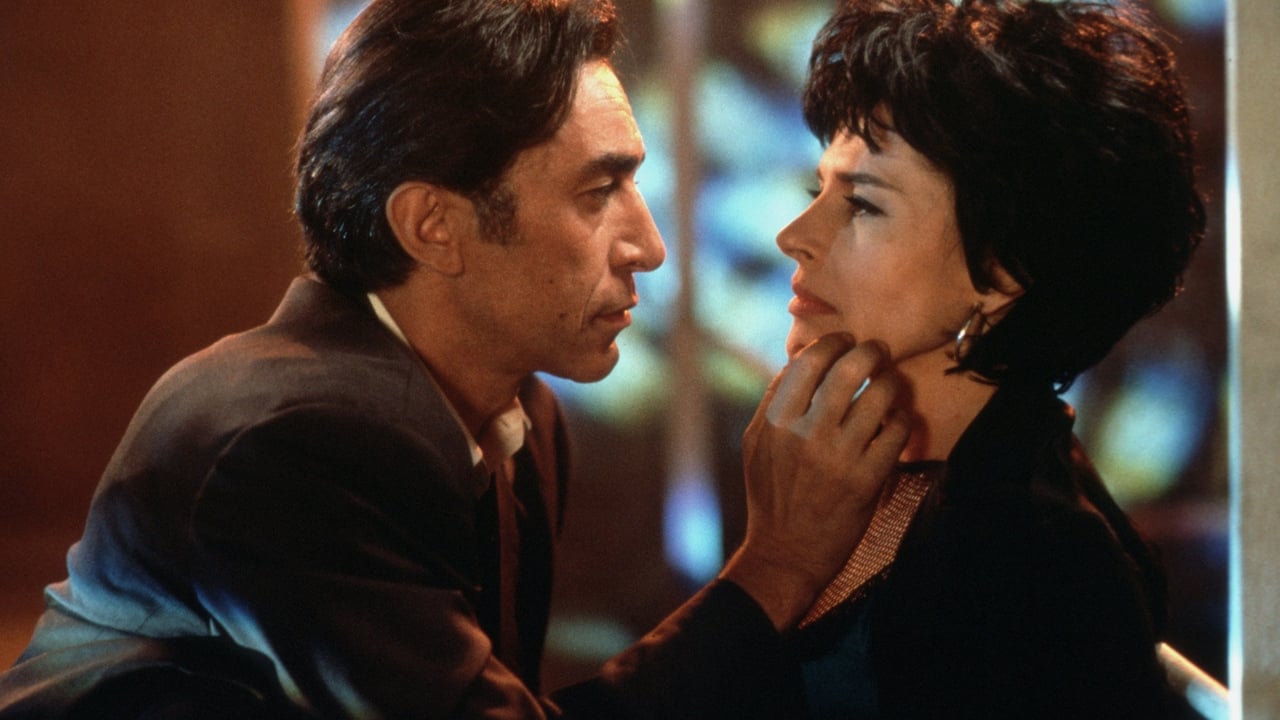
At its heart, What a Drag spins a tale familiar to farce aficionados. Adrien Aymar (Patrick Timsit) is a mild-mannered accountant working for a high-powered, rather conservative bank. His ambitious, demanding boss, Alexandre Agut (Richard Berry), prizes family values above all else. The wrinkle? Adrien is gay, living happily with his partner, Manuel. When a crucial business dinner looms – one where bringing a spouse is practically mandatory – Adrien panics. Enter his lifelong best friend, the flamboyant and fiercely loyal Eva (Fanny Ardant), who runs a popular gay restaurant/club with her own partner. Through a cascade of misunderstandings fuelled by Adrien's desperation to impress Agut (who mistakenly believes Adrien is straight and married to Eva), Adrien finds himself pressured to maintain a heterosexual facade while simultaneously trying to navigate Agut's sudden fascination with the gay community after an accidental visit to Eva's vibrant establishment. It's a premise ripe for slamming doors, whispered secrets, and near misses.
The Ardant Sparkle
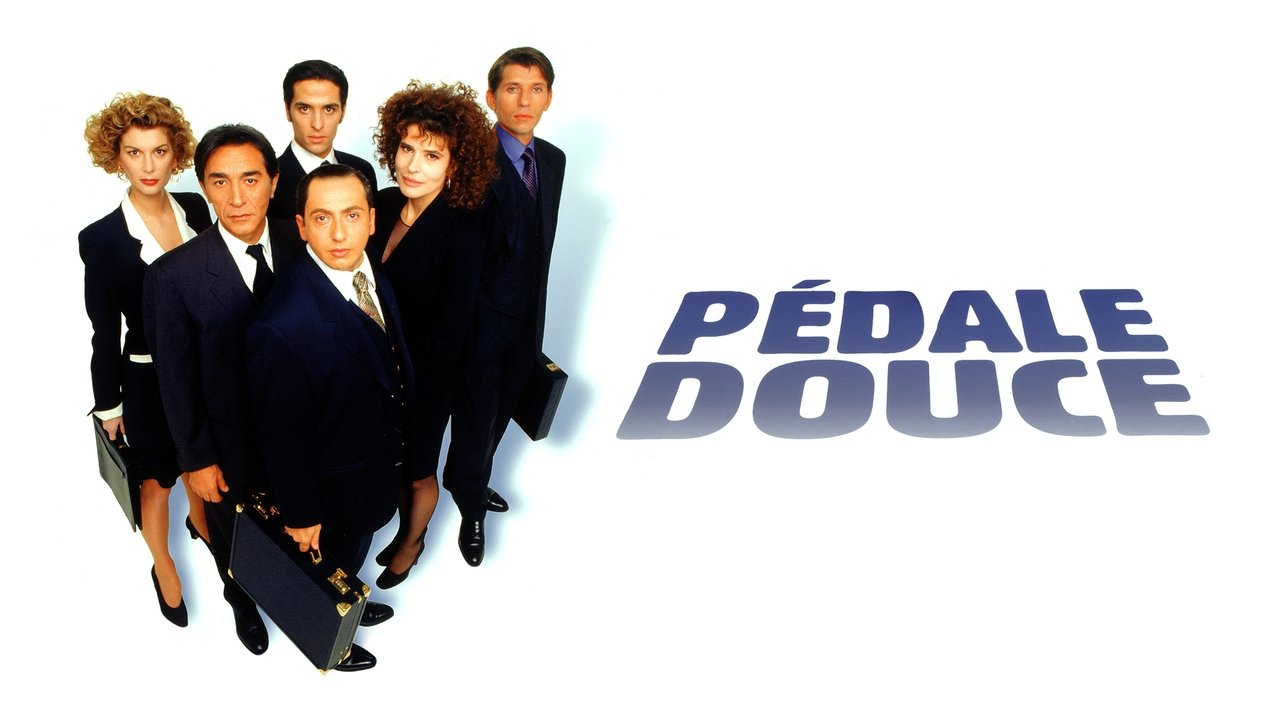
Let's be frank: the absolute standout, the reason this film transcends its potentially creaky premise, is Fanny Ardant. Fresh off acclaimed dramatic roles, Ardant dives into the comedic chaos as Eva with an irresistible blend of warmth, sharp wit, and utter command. She’s the film's anchor, navigating the increasingly absurd situations with a grounded exasperation that feels incredibly real, even amidst the farce. It’s no surprise she walked away with the César Award (France's equivalent of the Oscar) for Best Actress. Watching her is watching a star completely inhabit a role, making Eva far more than just a plot device; she’s the film’s vibrant, beating heart. Ardant elevates every scene she's in, finding nuance and genuine emotion even when delivering lines designed purely for laughs.
Patrick Timsit, who also co-wrote the screenplay with director Gabriel Aghion, carries the central comedic burden well. His Adrien is a bundle of nerves and increasingly desperate improvisation, and Timsit plays the escalating panic with relatable vulnerability. Richard Berry, as the initially homophobic boss who develops an awkward fascination with the world he previously scorned, also delivers a performance that finds surprising shades beyond mere caricature. He manages to make Agut's gradual, albeit clumsy, shift feel somewhat earned within the film's comedic logic.
A Snapshot of the Mid-90s
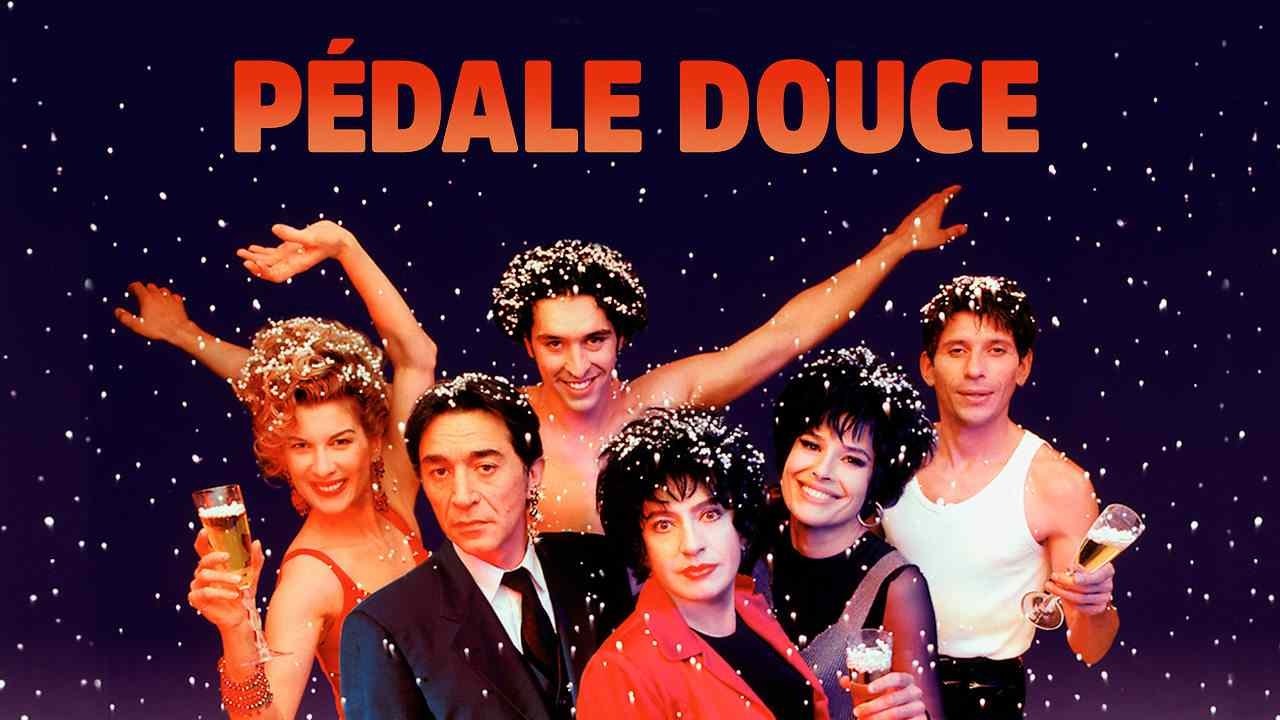
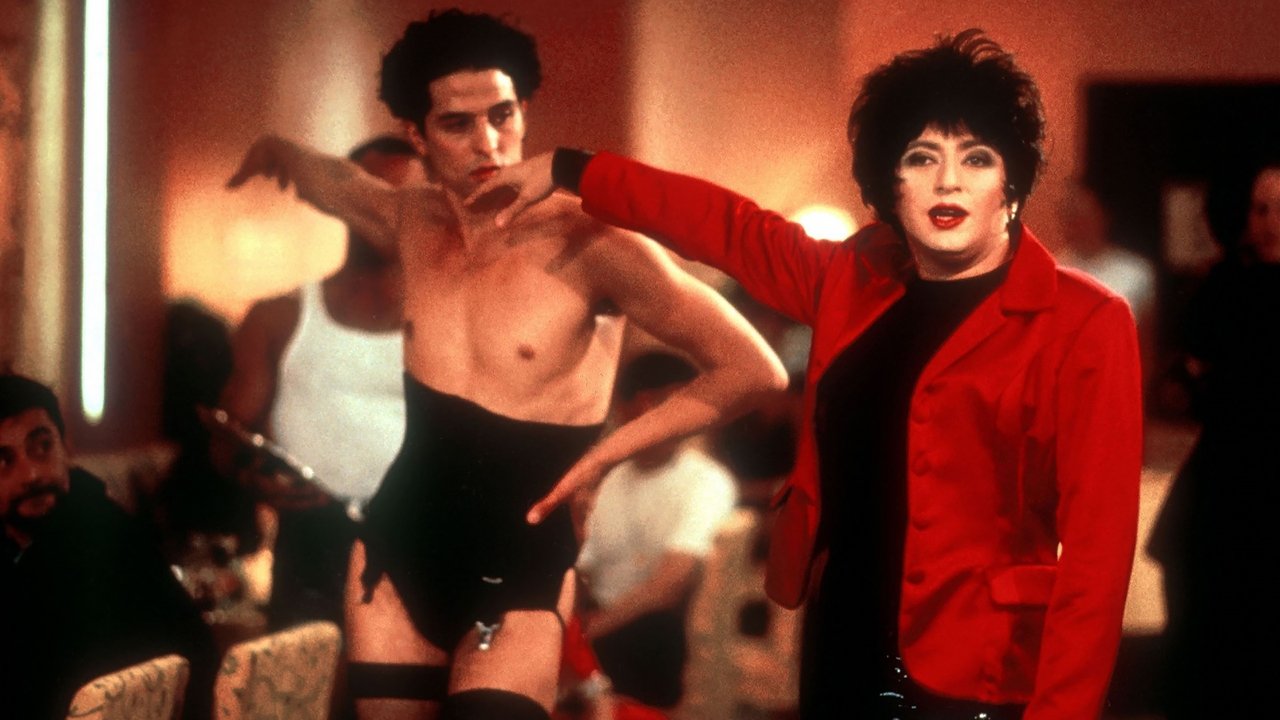
What a Drag was a massive hit in France, selling over four million tickets – a staggering number that speaks volumes about how it connected with audiences in 1996. It tapped into something, perhaps the classic appeal of farce mixed with a then-contemporary, somewhat mainstream-friendly glimpse into gay life in Paris. It’s interesting to note that the original title, Pédale douce, is a colloquial, somewhat dated (and potentially offensive) slang term for a gay man, literally translating to "soft pedal." This hints at the film's tone – it aims for affection and humour, but viewed through today's lens, some of the jokes and portrayals inevitably feel broad or rely on stereotypes that might raise an eyebrow. It's a comedy about gay characters and mistaken identity, rather than a deep exploration, reflecting the mainstream sensibilities of its era. Does this diminish its charm entirely? Not necessarily, especially if viewed as a product of its specific time and place.
Director Gabriel Aghion keeps the pace brisk, leaning into the conventions of French ensemble comedy. The film doesn't necessarily break new ground stylistically, but it effectively delivers the expected comedic beats. Interestingly, Aghion and Timsit reunited for a sequel, Pédale dure (Hard Pedal), in 2004, but it failed to recapture the magic or success of the original, proving perhaps that lightning doesn't always strike twice.
Why It Lingered on the Shelf
Finding this film on VHS back in the day might have required a trip to a store with a decent foreign film section, nestled perhaps between other French hits like La Cage aux Folles (which shares some thematic DNA) or perhaps the glossy thrillers of Luc Besson. It lacked the Hollywood marketing machine but possessed a certain sophisticated, bubbly energy. For those of us who enjoyed seeking out cinematic flavours beyond the usual blockbuster fare, discoveries like What a Drag felt like finding a hidden gem – proof that sharp comedy and winning performances weren't exclusive to English-language cinema. I remember renting films like this, often based purely on an intriguing cover box or a vague positive review, and feeling like I'd stumbled into a different world for two hours.
The film’s success was somewhat unexpected, snowballing through word-of-mouth in France. It snagged multiple César nominations beyond Ardant's win, including Best Film, Best Director, Best Actor (Timsit), Best Supporting Actor (Berry), and Best Screenplay, cementing its status as a defining French comedy of the decade.
***
VHS Heaven Rating: 7/10
Justification: What a Drag earns a solid 7 primarily on the strength of Fanny Ardant's absolutely luminous, César-winning performance, which elevates the entire enterprise. Patrick Timsit provides a capable comedic centre, and the film possesses a certain energy and charm characteristic of popular 90s French cinema. It successfully executes its farcical premise with some genuinely funny moments and surprising warmth. However, it loses points for relying on comedic tropes and characterizations that feel somewhat dated and stereotypical when viewed today, preventing it from achieving true classic status outside its original context. Its massive domestic success and award recognition, however, mark it as a significant cultural snapshot.
Final Thought: While some elements haven't aged perfectly, What a Drag remains a thoroughly enjoyable French farce powered by a truly stellar central performance. It’s a reminder of a time when a smartly executed comedy, even with its imperfections, could become a genuine national event, and a worthy find for anyone exploring the vibrant landscape of 90s European cinema beyond the usual suspects. It asks, perhaps unintentionally, how much our perspectives on representation in comedy have shifted, even as the core mechanics of farce remain timeless.