Alright, fellow tapeheads, gather 'round the flickering glow of the metaphorical CRT. Tonight, we're digging into a Blockbuster shelf staple that always felt a little… off, in the best possible way. Remember sliding that chunky cassette of Addicted to Love (1997) into the VCR, maybe expecting another breezy Meg Ryan rom-com, only to find something darker, spikier, and altogether stranger? This wasn't quite Sleepless in Seattle; this was sleepless in SoHo with a serious case of vengeful obsession.
### When Sweethearts Turn Sour
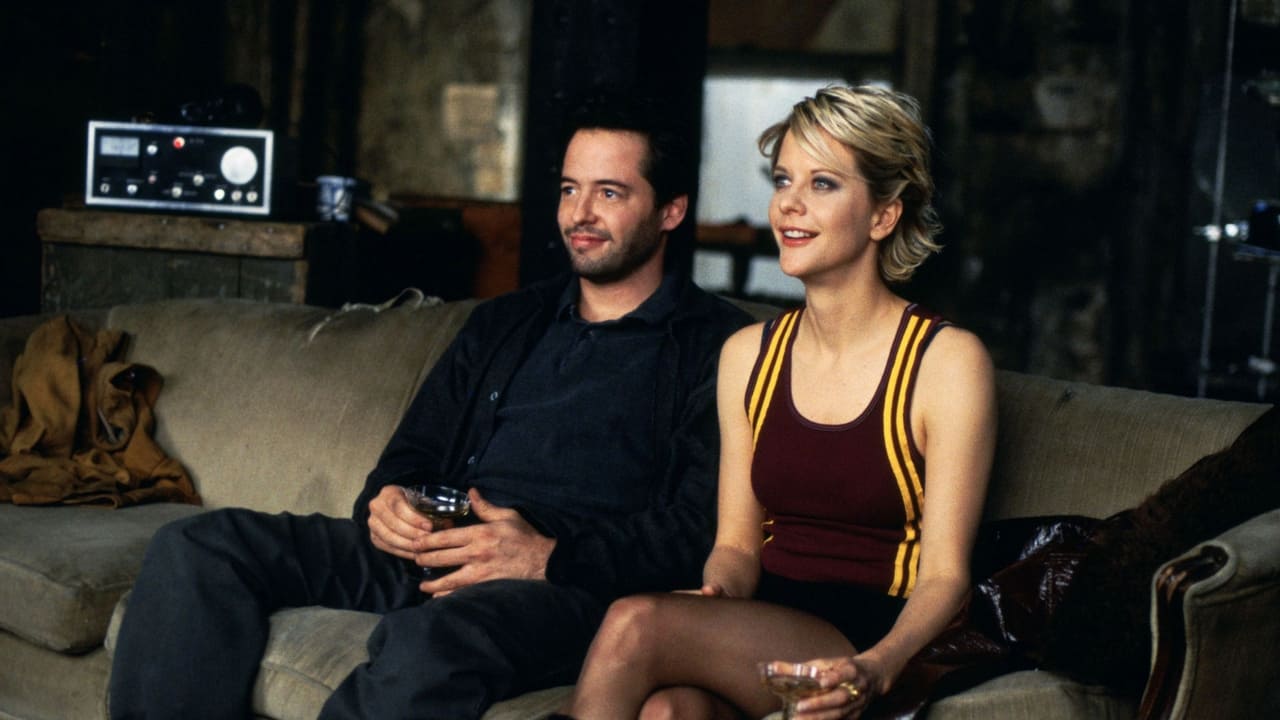
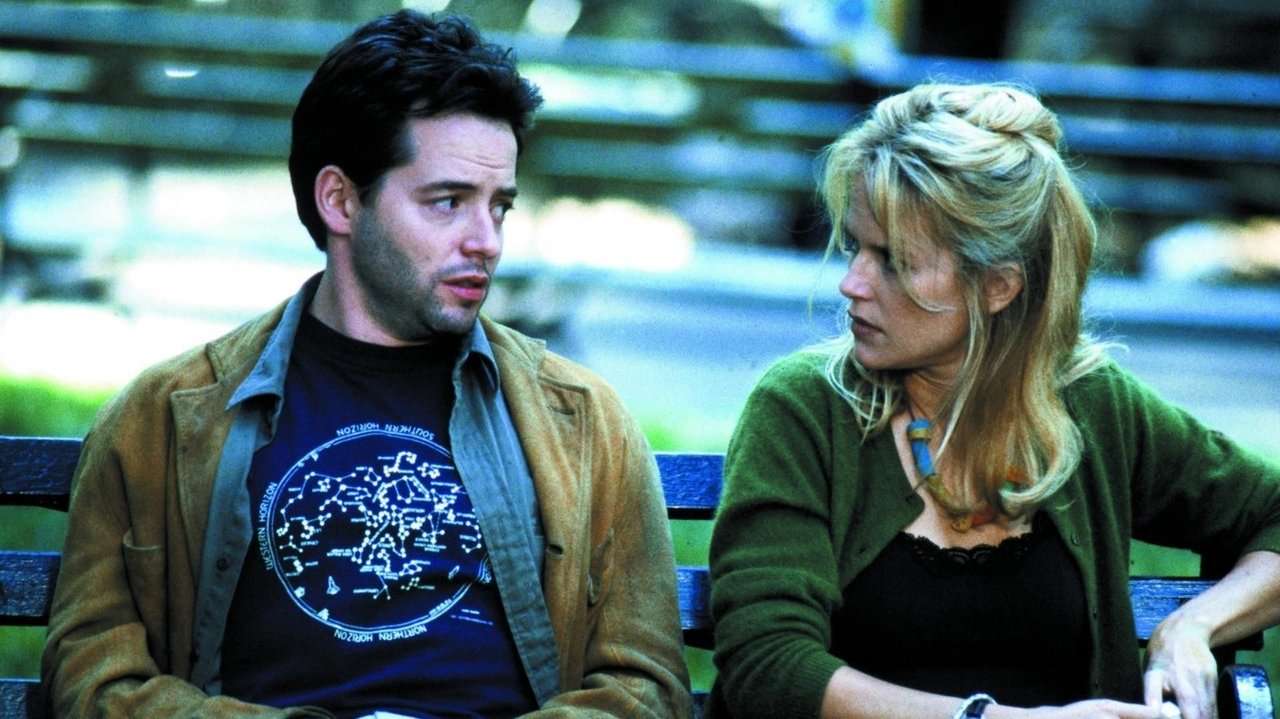
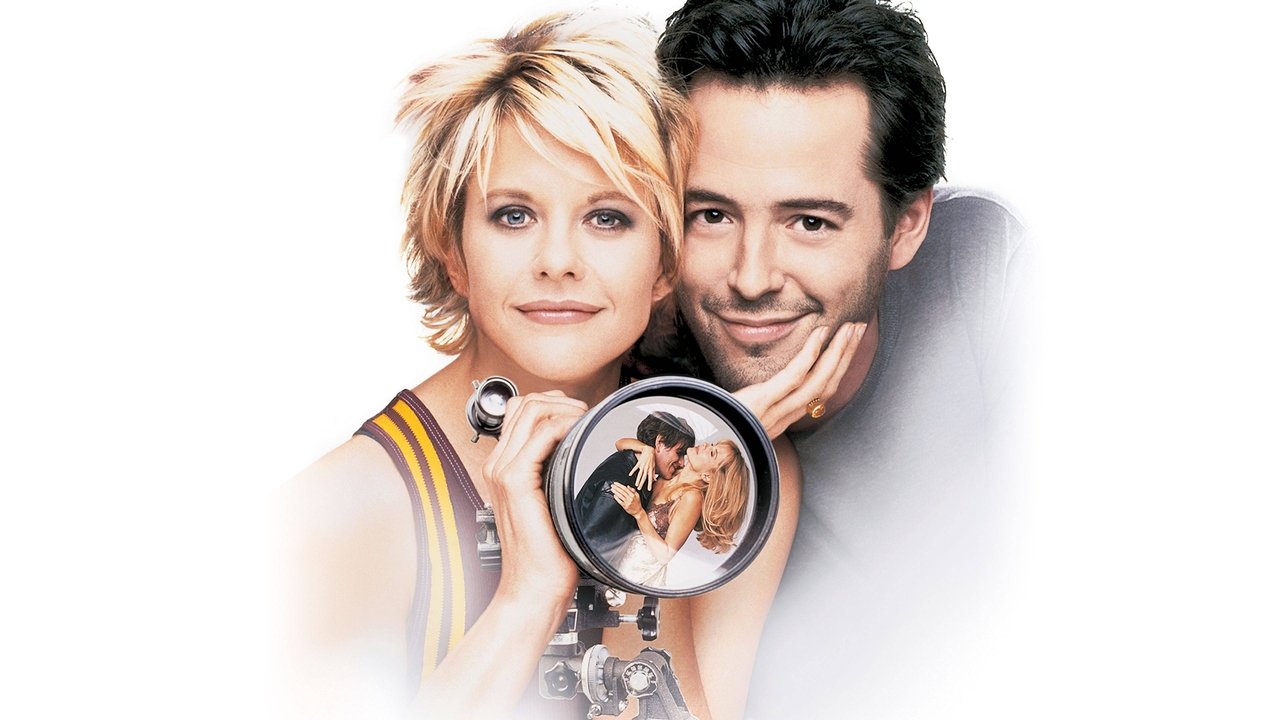
The premise hits like a shot of cheap whiskey: jilted astronomer Sam (Matthew Broderick, miles away from Ferris Bueller's day off) discovers his childhood sweetheart Linda (Kelly Preston) has left him for suave French restaurateur Anton (Tchéky Karyo, radiating Gallic menace). Utterly devastated, Sam does what any heartbroken guy from small-town America would do – he moves into a derelict building directly across from Linda and Anton’s trendy downtown loft and sets up a complex surveillance operation using, delightfully, a camera obscura. It’s a fantastically grungy, pre-digital stalking setup, feeling weirdly tactile and desperate in a way modern cyber-snooping just can't replicate. That dusty, water-damaged squat becomes Sam's entire world, the projected image of his ex's new life shimmering on the wall like a perverse home movie.
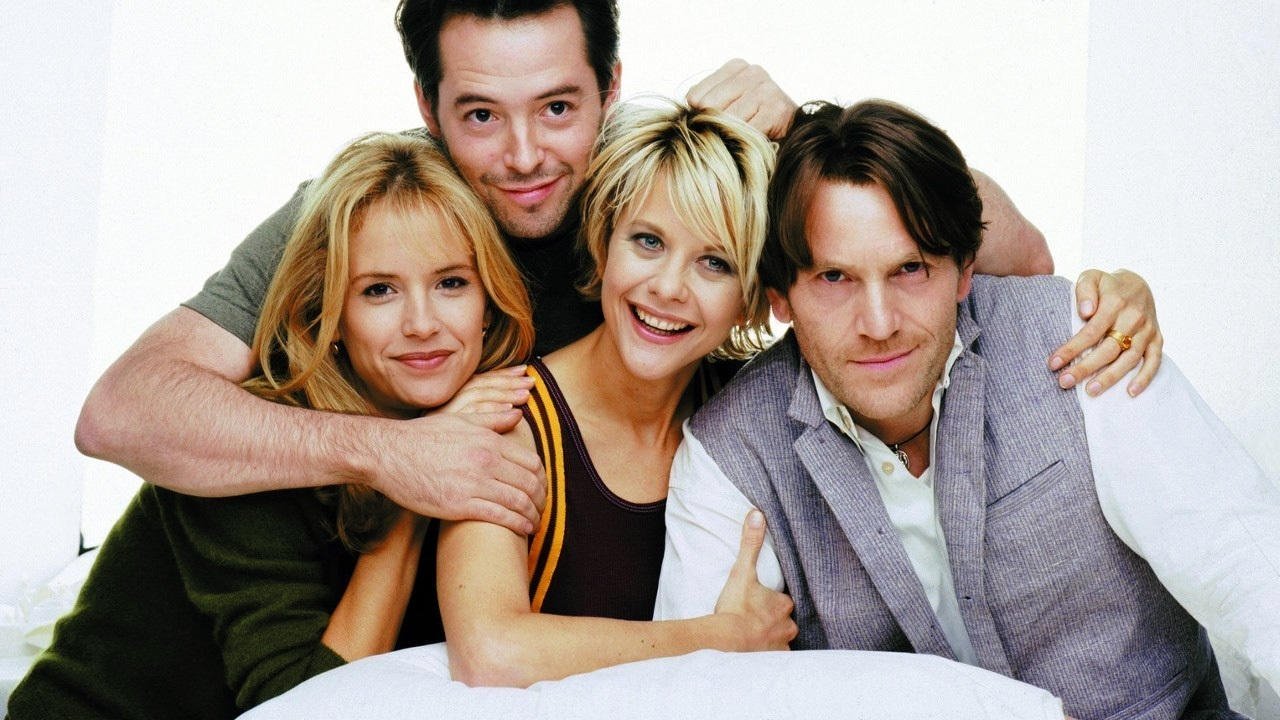
Things get significantly more complicated, and frankly, more interesting, with the arrival of Maggie (Meg Ryan), a leather-clad, motorcycle-riding photographer who happens to be Anton's other recently discarded lover. Ryan, shedding her America's Sweetheart image like a snakeskin, dives headfirst into Maggie’s simmering rage and punkish cynicism. Seeing her team up with Broderick’s mopey, increasingly unhinged Sam is the film’s dark, beating heart. Forget meet-cutes; this is a meet-hate, fueled by shared fury and a desire to inflict maximum misery on their respective exes. It was quite a jolt back in '97 seeing Ryan, queen of the charmingly flustered, playing someone so deliberately abrasive and manipulative. Apparently, Michelle Pfeiffer and Julia Roberts were considered for the role, but Ryan’s casting against type gives the film its specific, unsettling energy.
### Schemes, Sabotage, and SoHo Grit
Directed by Griffin Dunne – yes, the very same actor who endured a nightmarish NYC odyssey in After Hours (1985) – the film captures a certain late-90s Manhattan vibe. The slightly grimy, pre-gentrification feel of their SoHo surroundings adds a layer of realism to the increasingly outlandish revenge plots. Dunne brings a jittery, darkly comic energy to the proceedings, letting the actors play in the uncomfortable spaces between humor and genuine malice. Remember the sheer dedication involved in their schemes? The cockroaches, the allergic reactions, the ruined credit ratings – it all felt so hands-on, so effortful compared to a modern revenge plot hatched over social media. There’s a practical, almost blue-collar approach to their psychological warfare.
The script, penned by Robert Gordon (who would later gift us the brilliant Galaxy Quest in 1999 – talk about range!), doesn't shy away from the toxicity of Sam and Maggie’s actions. They aren't particularly likable, and their methods are often cruel. Yet, there’s an undeniable, twisted chemistry between Broderick and Ryan as their shared project spirals. We see them finding a strange solace, maybe even a warped kind of intimacy, in their mutual destruction derby. It walks a fine line, sometimes stumbling into outright unpleasantness, but it’s that willingness to explore the uglier side of heartbreak that makes Addicted to Love stick in the memory. Was it always comfortable to watch? Maybe not. But it felt daring for a studio picture starring two such established names.
### That 90s Edge We Miss (Sometimes)
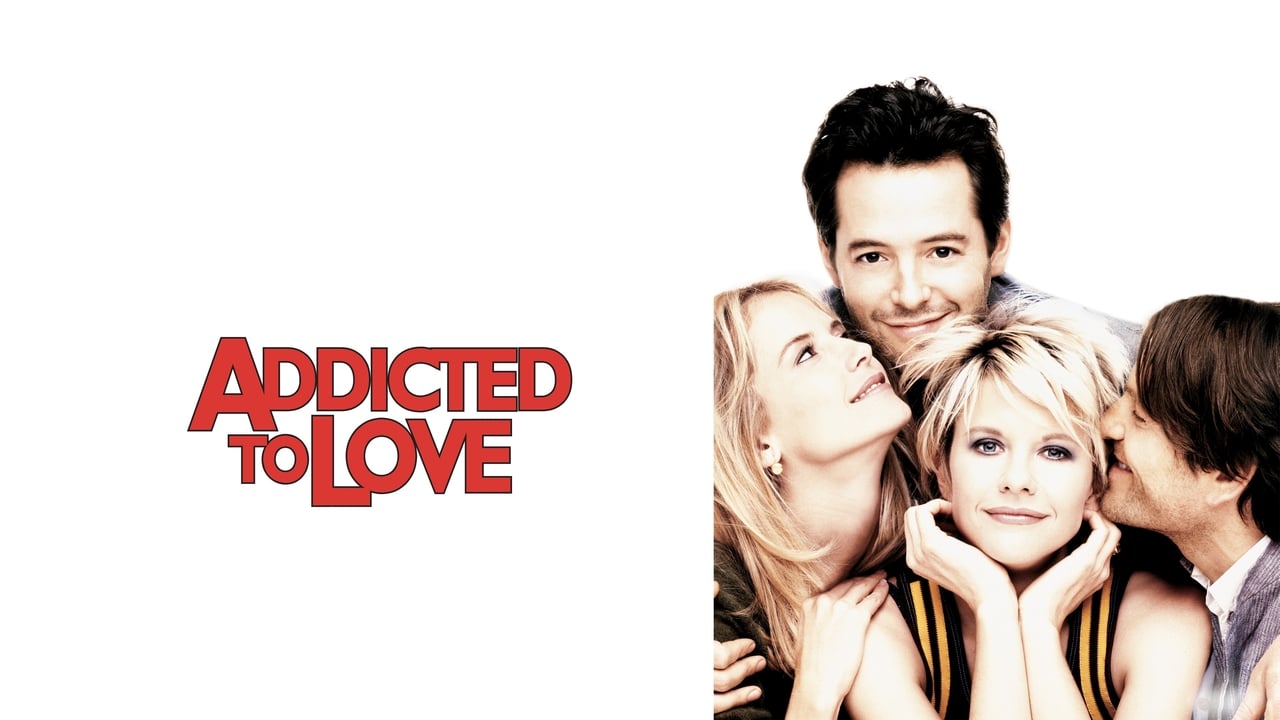
While it wasn’t a critical darling upon release (reviews were decidedly mixed) and pulled in a respectable but not blockbuster $34.7 million in the US against its $19 million budget, Addicted to Love definitely found its audience on home video. It was the kind of movie you’d stumble upon, maybe drawn in by the familiar faces on the box art, and find yourself weirdly captivated by its prickly charm. Rachel Portman’s score adds a layer of almost whimsical melancholy that clashes intriguingly with the bitterness on screen, and yes, the title track by Robert Palmer eventually makes its iconic appearance.
It’s a film that feels distinctly of its time – a period where mainstream comedies could still have a genuinely mean streak, before everything got sanded down for maximum relatability. The characters' flaws are worn openly, their motivations messy and often selfish. There’s a certain raw quality, a lack of polish, that feels refreshing compared to today’s often overly slick productions. You could almost feel the grit of that dilapidated building, smell the stale coffee, and sense the frayed nerves of its inhabitants through the slightly fuzzy VHS tracking.
Rating: 7/10
Justification: Addicted to Love earns a solid 7 for its bold casting against type, its memorably dark premise, and its willingness to embrace unlikeable protagonists. It captures a specific late-90s cynicism wrapped in a rom-com disguise, offering genuine laughs alongside uncomfortable moments. While the tone occasionally wobbles and the third act feels a bit rushed, the central performances and the sheer novelty of its setup make it a fascinating artifact of its time. It’s not perfect, but it’s definitely memorable.
Final Thought: Forget sweet nothings; this was the sound of sweethearts turning sour, served with a side of surveillance and sabotage – a uniquely thorny bloom in the 90s rom-com garden, best enjoyed after midnight with the volume turned up.