What if they are really out to get you? Not just a creeping suspicion in the dead of night, but a cold, hard fact etched in blurry photographs and whispered warnings? 1997’s Conspiracy Theory plunges headfirst into that chilling possibility, wrapping its audience in the frantic, frayed-nerve energy of its protagonist, Jerry Fletcher. Watching this one back on a flickering CRT, maybe late on a Friday night after browsing the aisles of Blockbuster, felt different. The shadows seemed deeper, the knocks at the door more ominous. It tapped into that late-90s vein of governmental distrust, making the impossible feel unnervingly plausible.
### The Man Who Knew Too Much (Or Maybe Just Enough)
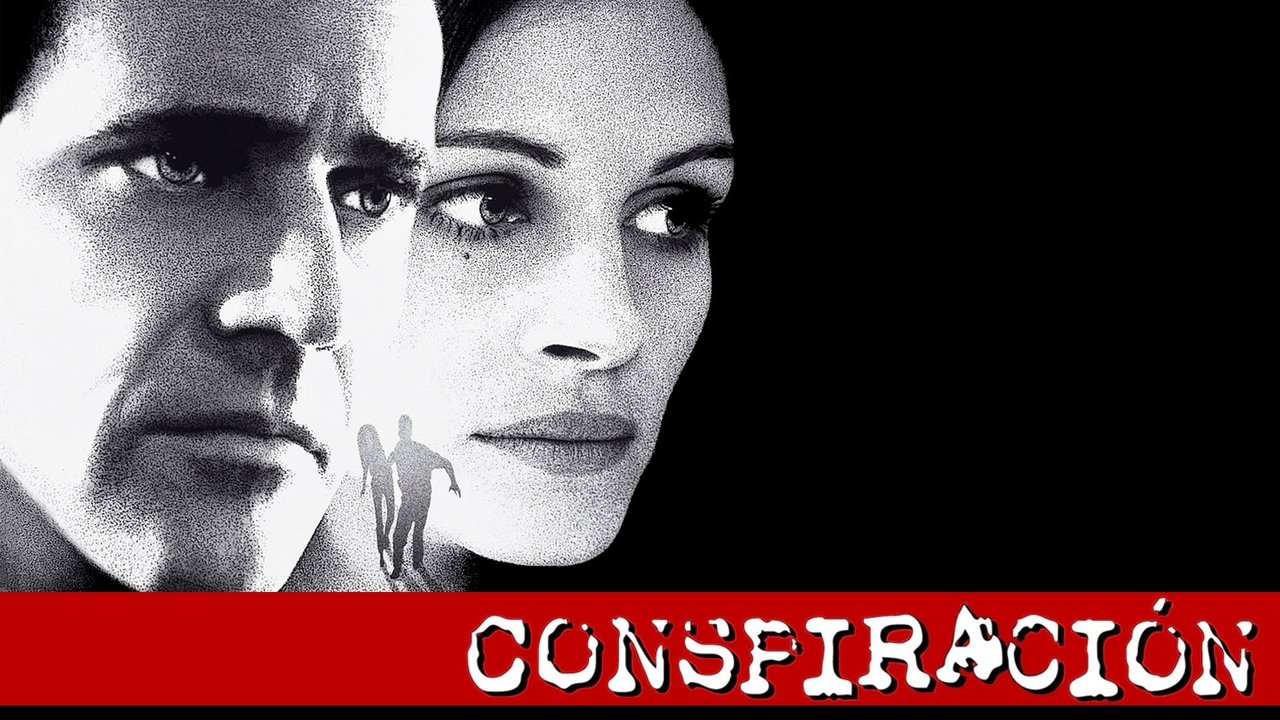
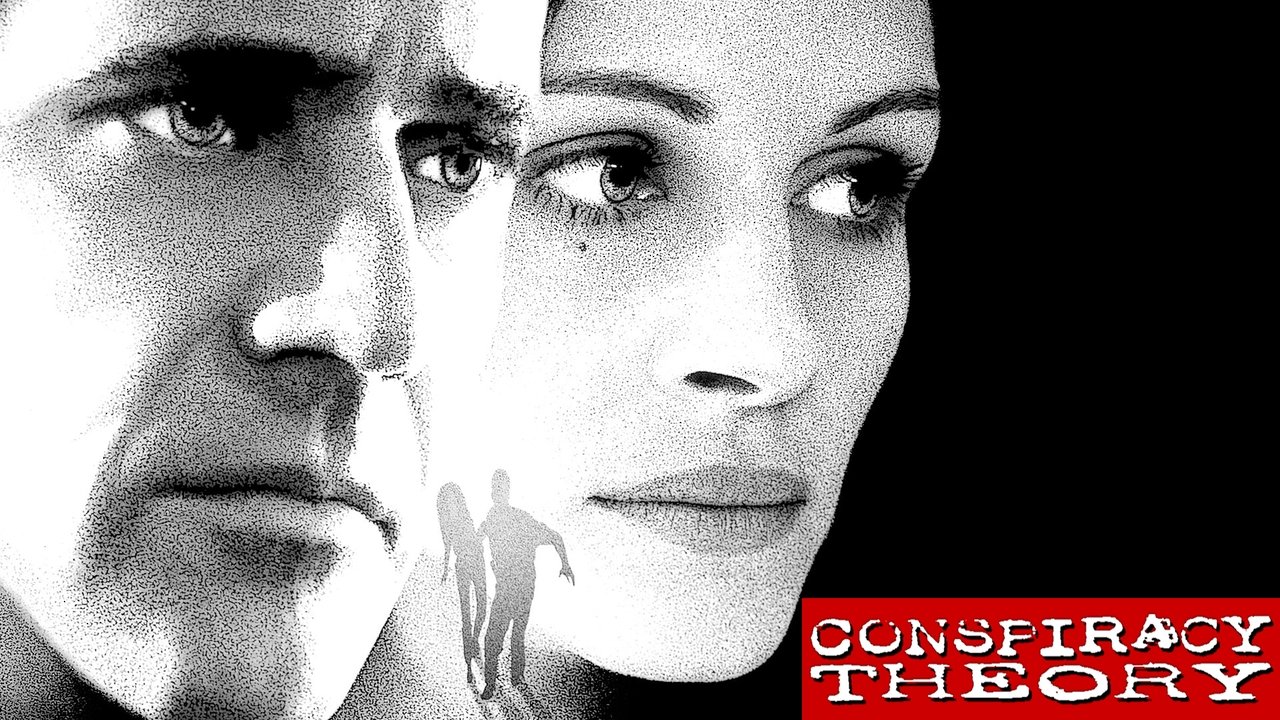
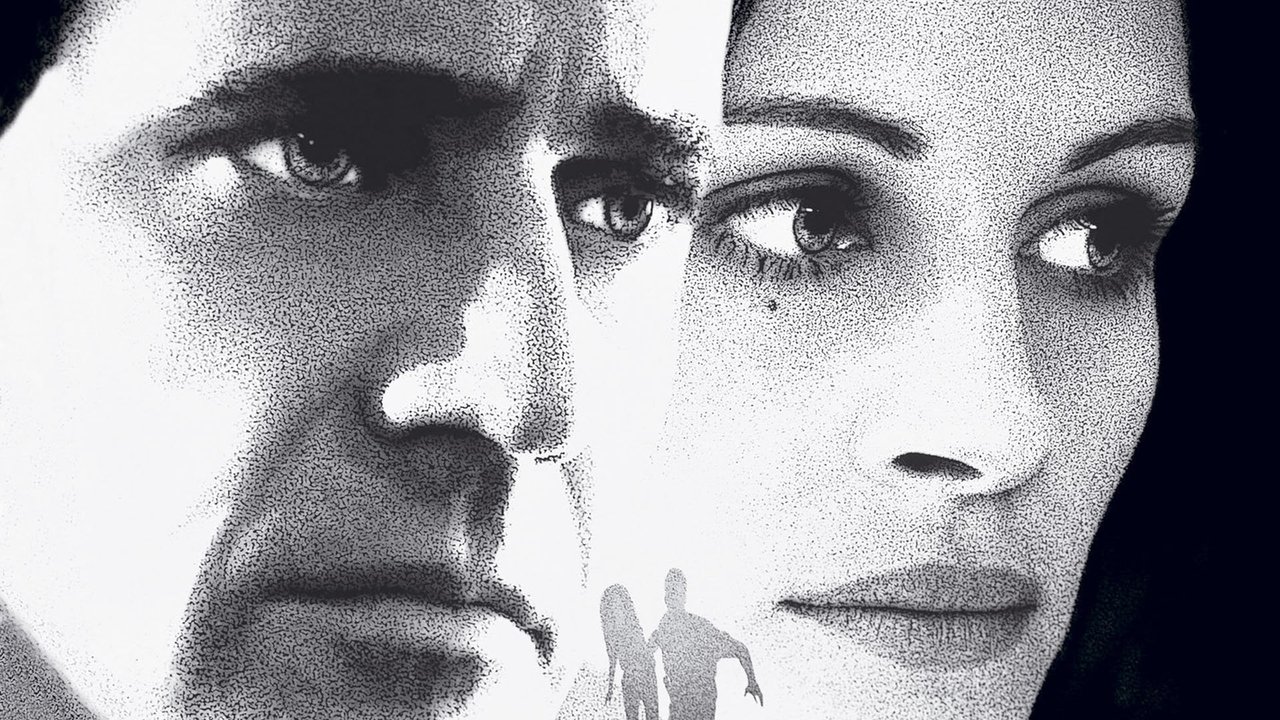
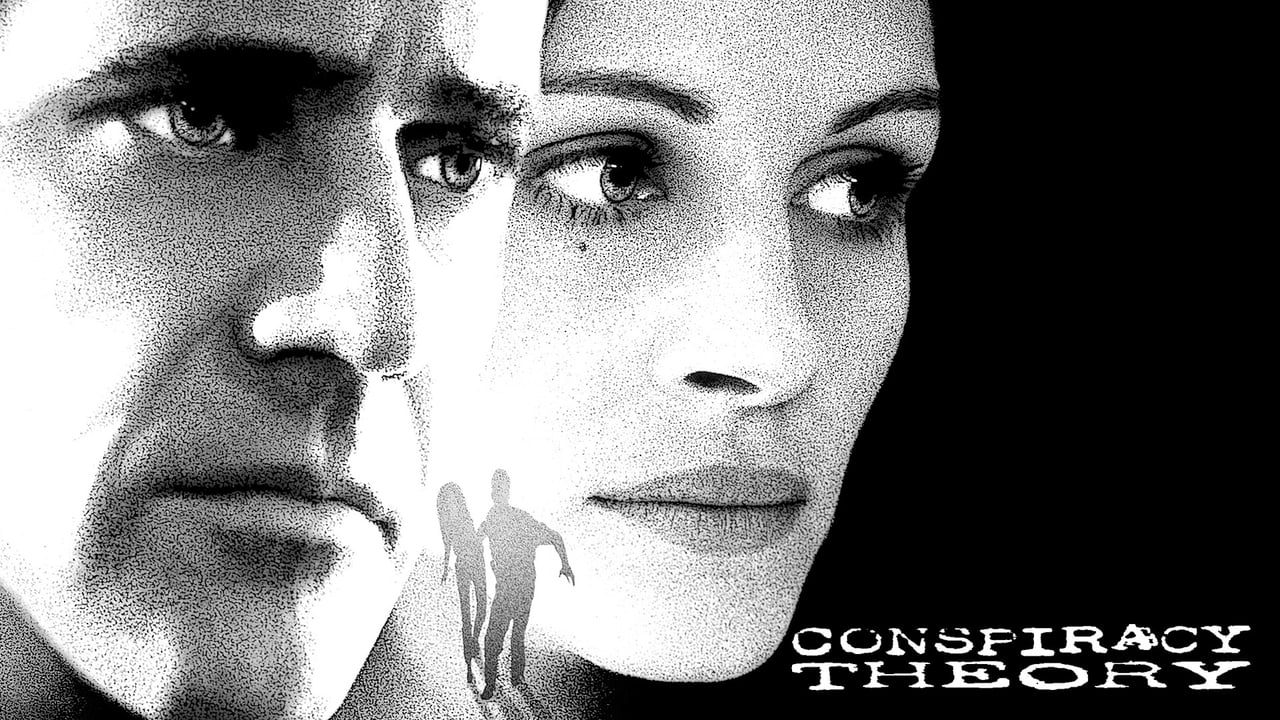
At the heart of the storm is Mel Gibson as Jerry, a New York City cab driver whose mind is a chaotic library of interconnected plots and shadowy figures. His apartment isn't just cluttered; it's a physical manifestation of his paranoia, newspapers stacked high, threads linking cryptic clues across the walls. He publishes a newsletter – circulation: five – detailing his elaborate theories, ranging from the vaguely plausible to the outright bizarre. Gibson throws himself into the role with a twitchy, motor-mouthed intensity that’s both exhausting and captivating. He’s not just playing paranoid; he’s embodying the sheer terror and vulnerability beneath the manic exterior. It’s a performance that teeters on the edge, threatening to spill into caricature but anchored by a core of desperate sincerity. I distinctly remember renting this tape, drawn in by the Gibson/Roberts pairing, and being immediately struck by how unsettlingly committed Gibson was.
His only anchor, his reluctant confidante, is Justice Department lawyer Alice Sutton, played by Julia Roberts. She tolerates Jerry’s frantic calls and theories, mostly out of a weary sense of pity, until one of his seemingly outlandish ideas hits terrifyingly close to home. Roberts, then at the peak of her stardom following hits like Pretty Woman (1990), provides the essential grounded counterpoint to Gibson's whirlwind. Their chemistry is unconventional but effective, built less on traditional romance and more on a strange, protective codependency that forms under extreme duress.
### Shadows in the City
Director Richard Donner, a master craftsman known for everything from Superman (1978) to the Lethal Weapon series (starting 1987), orchestrates the chaos with a sure hand. He knows how to build suspense, staging tense chases through the labyrinthine streets of New York and moments of startling violence that punctuate the paranoia. Remember that jarring sequence where Jerry is subjected to waterboarding and strobe lights? It’s visceral and deeply uncomfortable, amplified by the knowledge that the film explicitly references the CIA's real-life MKUltra program – experiments in mind control that lend a disturbing layer of truth to Jerry's frantic claims. Donner expertly uses the city itself, its iconic landmarks often glimpsed through rain-streaked windows or distorted reflections, making the familiar feel alien and threatening.
The screenplay came from Brian Helgeland, who nabbed this high-profile gig from a spec script that ignited a bidding war. It's fascinating that the same year Conspiracy Theory hit screens, Helgeland would co-win an Academy Award for adapting the intricate noir masterpiece L.A. Confidential. You can see flashes of that sharp plotting here, even if Conspiracy Theory occasionally stretches credibility thin for the sake of a thrill ride. It’s a testament to the script’s high-concept hook and Donner's execution that the film largely succeeds in keeping you guessing alongside Alice: Is Jerry truly onto something, or is he dangerously unstable?
### The Doctor Is In (And He's Not Friendly)
Adding immeasurably to the film's menace is Patrick Stewart as Dr. Jonas. Shedding the noble persona of Captain Picard from Star Trek: The Next Generation, Stewart delivers a performance of chillingly calm malevolence. Jonas is the smooth, sophisticated face of the shadowy organization hunting Jerry, his politeness only barely masking a ruthless efficiency. The scenes between him and Gibson crackle with tension, the intellectual predator circling his erratic prey. It was a brilliant piece of casting, playing against type to create a truly memorable villain whose composure feels more terrifying than any overt threat. Reportedly, the production even utilized some real NYC cabbies for background authenticity, blending the fantastical elements with the grit of the city.
### Echoes in the Static
While some of the plot mechanics might creak under scrutiny today, and the ending perhaps opts for a slightly more conventional resolution than the premise might suggest (studio notes reportedly nudged Donner towards a less ambiguous finale), Conspiracy Theory remains a potent piece of 90s paranoia cinema. It captured the zeitgeist of an era increasingly suspicious of unseen forces pulling the strings, a feeling amplified by the burgeoning internet and the nascent whispers of online conspiracy communities. It wasn't just a movie; it felt like a reflection, albeit a distorted one, of contemporary anxieties.
The film performed solidly, turning its roughly $75 million budget into a $137 million worldwide gross, proving audiences were hungry for this blend of star power, action, and suspense. Doesn't that central theme – the struggle to discern truth from elaborate fabrication – feel even more relevant today?
***
VHS Heaven Rating: 7/10
Justification: Conspiracy Theory earns a solid 7 for its gripping premise, Gibson's high-wire performance, Stewart's chilling villainy, and Donner's effective direction that captures a palpable sense of 90s paranoia. The chemistry between Gibson and Roberts works in its own unique way, and the integration of real-world elements like MKUltra adds genuine unease. It loses a few points for some plot contrivances and an ending that feels slightly safer than the setup promises, but the overall ride is tense, engaging, and memorable.
Final Thought: Even decades later, Conspiracy Theory remains a compelling time capsule – a slickly produced thriller that reminds us of that specific late-VHS-era thrill, where the static on the screen sometimes felt like it was hiding secrets, and you couldn't shake the feeling that maybe, just maybe, Jerry Fletcher was right.