The pristine white walls of 1600 Pennsylvania Avenue aren't supposed to bleed. Yet, that's the chilling image that kicks off Murder at 1600, a film that plunges us directly into the heart of power, only to find it rotten with secrets and sudden death. Forget the stately portraits and ceremonial pomp; this is the White House after dark, where shadows stretch long and whispers carry the weight of conspiracy. The discovery of a young female staffer, brutally slain within the executive residence itself, feels like a violation, a tearing of the carefully constructed facade that shrouds the nation's highest office.
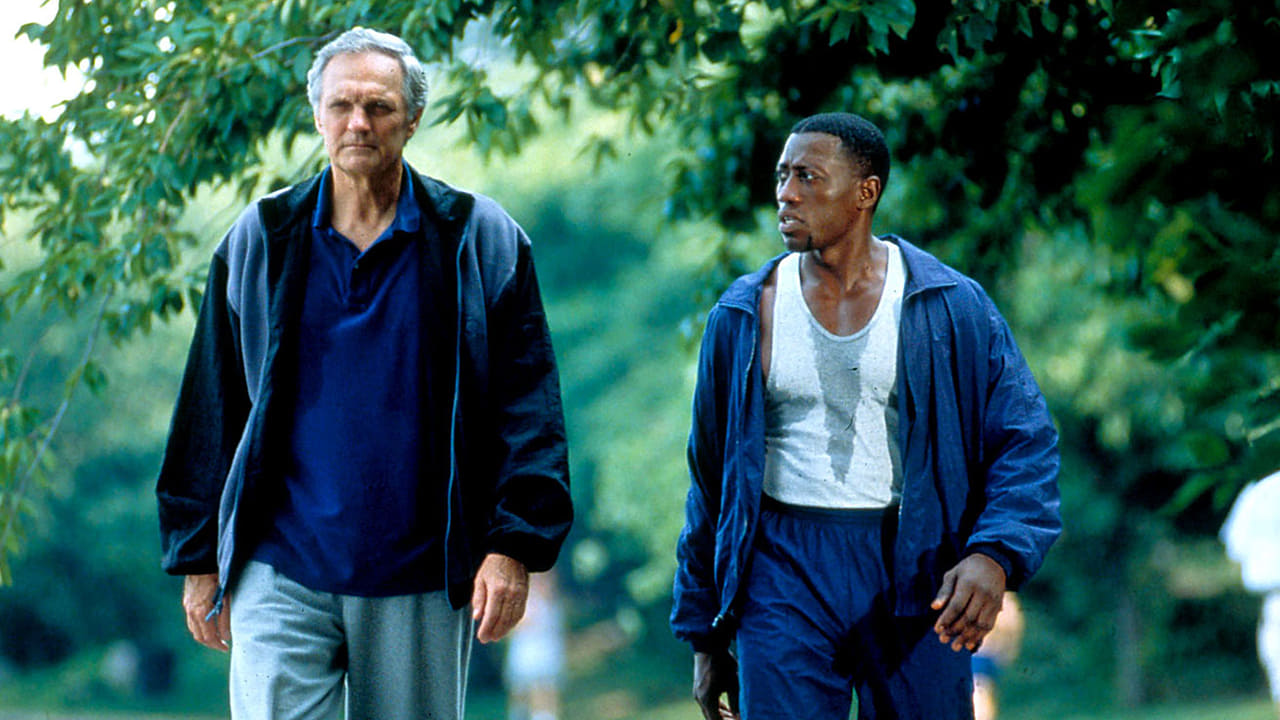
Blood on the White House Carpet
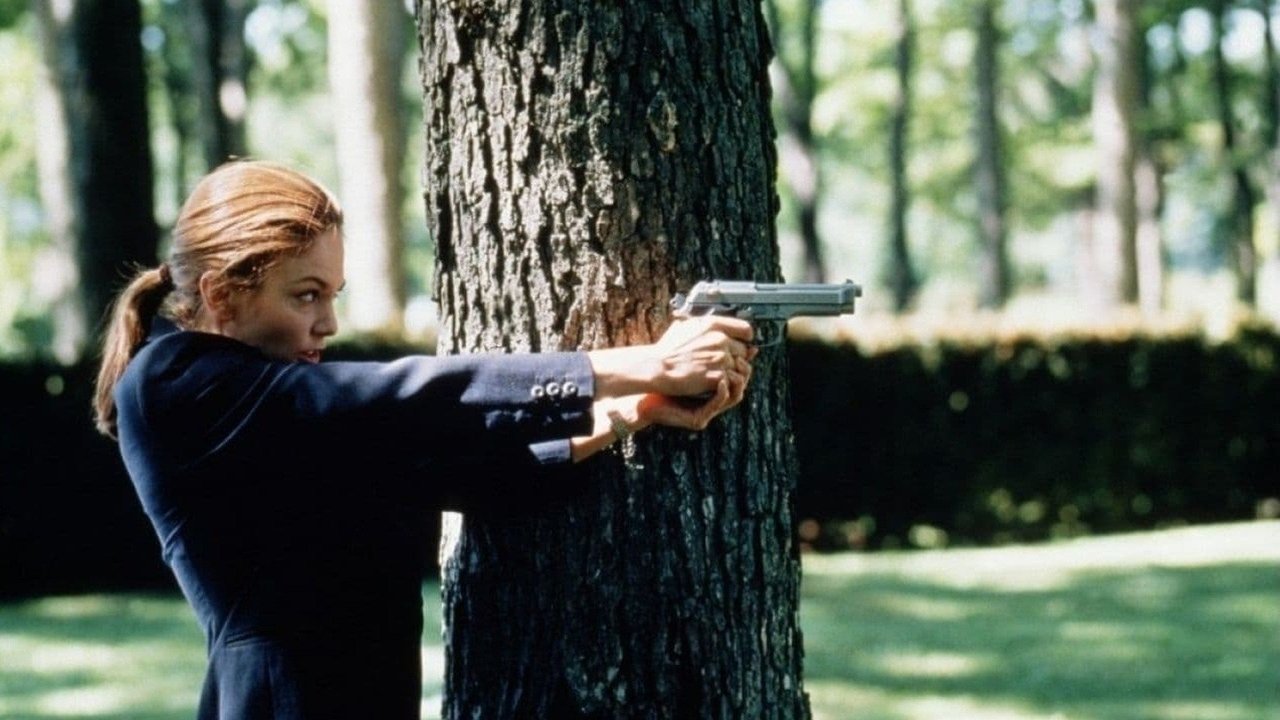
Summoned into this nest of vipers is D.C. Homicide Detective Harlan Regis, played with that signature coiled intensity by Wesley Snipes. Fresh off cementing his action hero status in films like Demolition Man (1993) and just before slicing his way into vampire lore with Blade (1998), Snipes brings a street-smart skepticism that immediately clashes with the tightly controlled environment. Regis isn't impressed by the suits or the Secret Service protocols; he just wants to find a killer. His designated liaison, and often antagonist, is Secret Service Agent Nina Chance (Diane Lane), tasked with protecting the institution even as Regis tries to pick its locks. Their dynamic – wary, occasionally adversarial, tinged with a reluctant respect – forms the core of the investigation. Lane, already a seasoned performer from films like The Outsiders (1983), holds her own, portraying Chance's conflict between duty and the dawning realization that the threat might be internal.
Corridors of Power and Paranoia
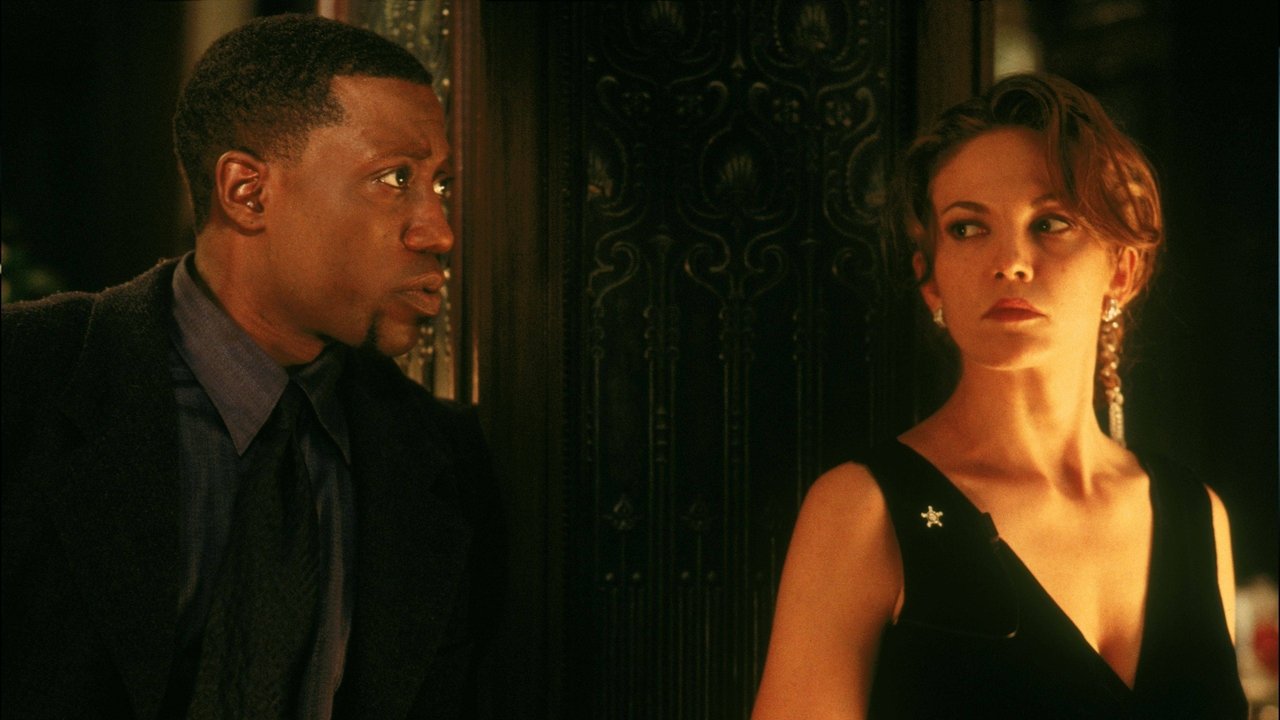
Director Dwight H. Little, no stranger to generating suspense after helming Halloween 4: The Return of Michael Myers (1988) and the Steven Seagal vehicle Marked for Death (1990), attempts to suffuse the familiar setting with an unfamiliar dread. While the film might not achieve the genuine chills of horror, it cultivates a specific kind of 90s thriller paranoia. Every hushed conversation feels loaded, every glance potentially masking guilt. The corridors of the White House, recreated on impressively detailed sets (some apparently repurposed from other presidential pictures like Dave and The American President, a common Hollywood efficiency trick), become less symbols of democracy and more a labyrinth designed to conceal. The score underlines the tension, often favoring ominous tones over heroic swells, reminding us that something is deeply wrong beneath the polished surface. It aims for that late-night cable vibe, where the flickering screen illuminates a world slightly askew, where institutions you trust might be hiding monsters.
Secrets Behind the Seal
Part of the fun, looking back, is seeing how these thrillers navigated the mystique of the presidency. Murder at 1600 arrived during a mini-boom of White House-centric suspense films in 1997, alongside Clint Eastwood's Absolute Power and Harrison Ford's Air Force One. Each offered a different flavor of executive peril. Here, the threat is insidious, a cancer within the system itself, personified largely by the steely National Security Advisor Alvin Spikings (Daniel Benzali, radiating menace). The plot weaves a tangled web involving the President's potentially wayward son, political maneuvering, and, inevitably, a cover-up orchestrated from the highest levels. Was it entirely plausible? Perhaps not, but plausibility often took a backseat to tightly plotted tension in 90s thrillers. What mattered was the ride – the escalating stakes, the race against time, the outsider detective battling entrenched power.
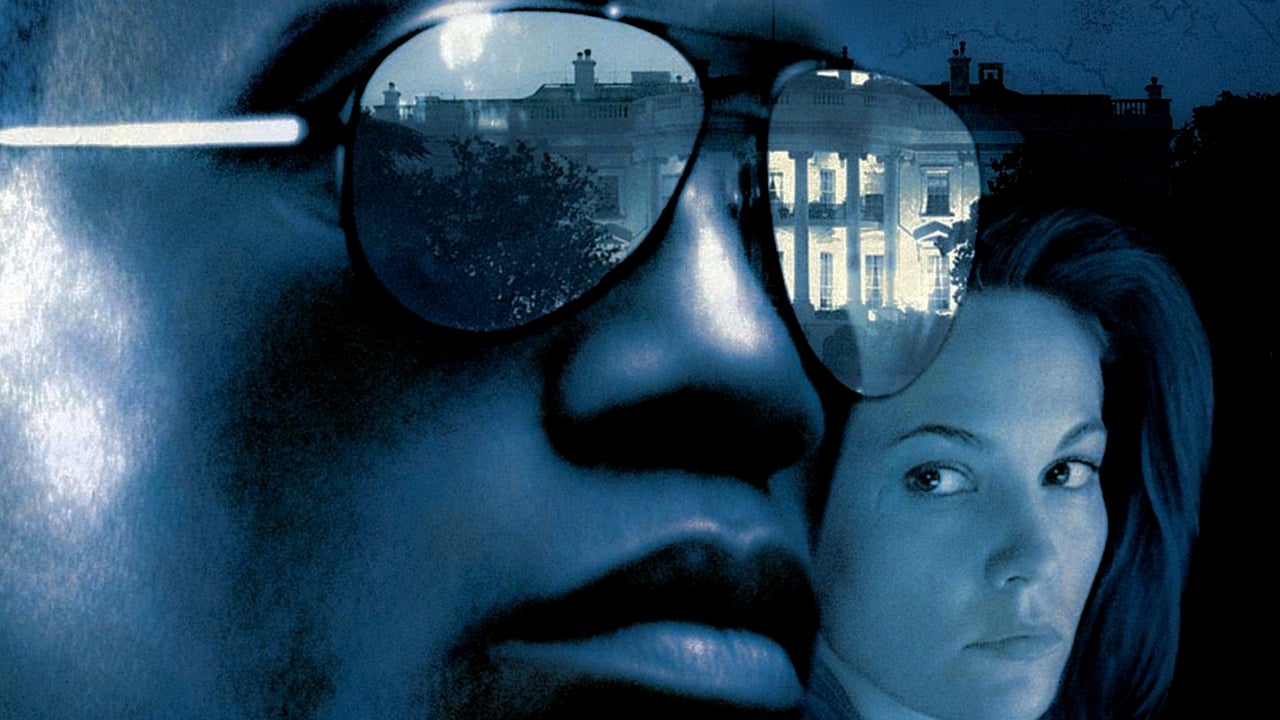
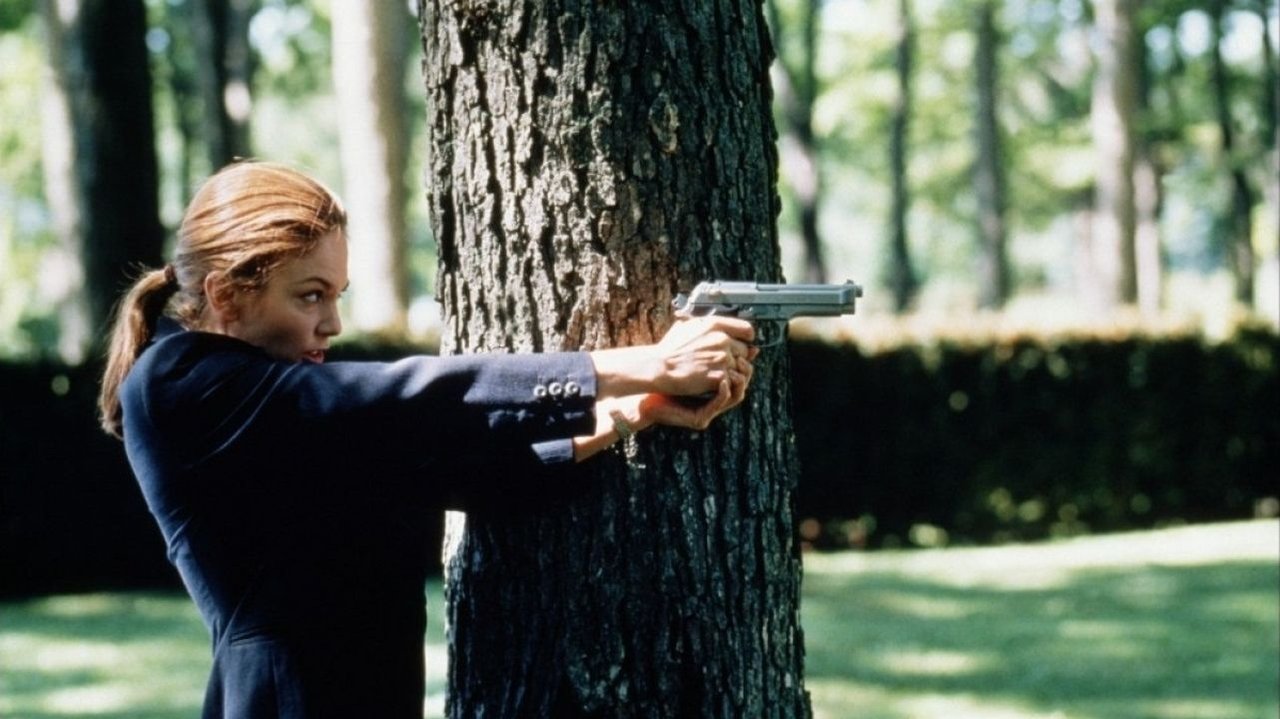
Interestingly, while Snipes was the established star power meant to draw audiences, the film itself didn't quite ignite the box office, grossing around $41 million worldwide against a reported $50 million budget. Perhaps audiences were experiencing a touch of White House fatigue, or maybe the intricate conspiracy felt a shade too familiar even then. Still, watching it on VHS back in the day, likely rented from a Blockbuster shelf packed with similar fare, it delivered a solid dose of what you expected: a charismatic lead, a compelling mystery hook, and enough twists to keep you guessing until the climax. Remember the satisfaction of slotting that chunky tape into the VCR, the whirring sound promising a couple of hours of escapism? This film was prime rental material.
The Verdict from the Video Store Aisles
Murder at 1600 isn't a groundbreaking masterpiece that redefined the political thriller. Its conspiracy feels somewhat by-the-numbers compared to paranoid classics of the 70s, and some plot points might seem predictable through a modern lens. However, it’s a well-crafted and entertaining example of its specific 90s subgenre. Snipes is effortlessly cool as Regis, navigating the corridors of power with a cynicism that feels earned. Lane provides a capable foil, and the supporting cast, particularly Benzali, effectively dials up the institutional menace. The direction keeps things moving briskly, balancing the investigative procedural elements with bursts of standard-issue 90s action. It successfully creates an atmosphere of unease within its iconic setting, playing on the inherent tension of secrets held in powerful places. It’s the kind of movie that might have been playing on a grainy CRT late one Friday night, holding your attention even through the commercial breaks.
Rating: 6/10
This score reflects a solid, if unremarkable, 90s thriller. It delivers on its premise with capable performances and decent atmosphere, making it a worthwhile watch for fans of the era and its stars. It doesn't transcend its genre trappings, but it executes them competently enough for a satisfying viewing experience, especially if you remember discovering it on the "New Releases" wall.
It remains a snapshot of a particular moment in thriller filmmaking – confident, slightly glossy, and deeply invested in the intrigue lurking just beneath the surface of American power. A decent slice of 90s paranoia, best served after dark.