Okay, settle back into that worn armchair, maybe crack open a cold one like we used to after browsing the aisles at Blockbuster. Remember the sheer weight of some VHS tapes? Not just physically, but the stories they held, the feelings they stirred up. Some tapes felt heavier than others, carrying mysteries that lingered long after the static hiss of the rewind. The 1994 Showtime movie Roswell is definitely one of those heavier tapes.
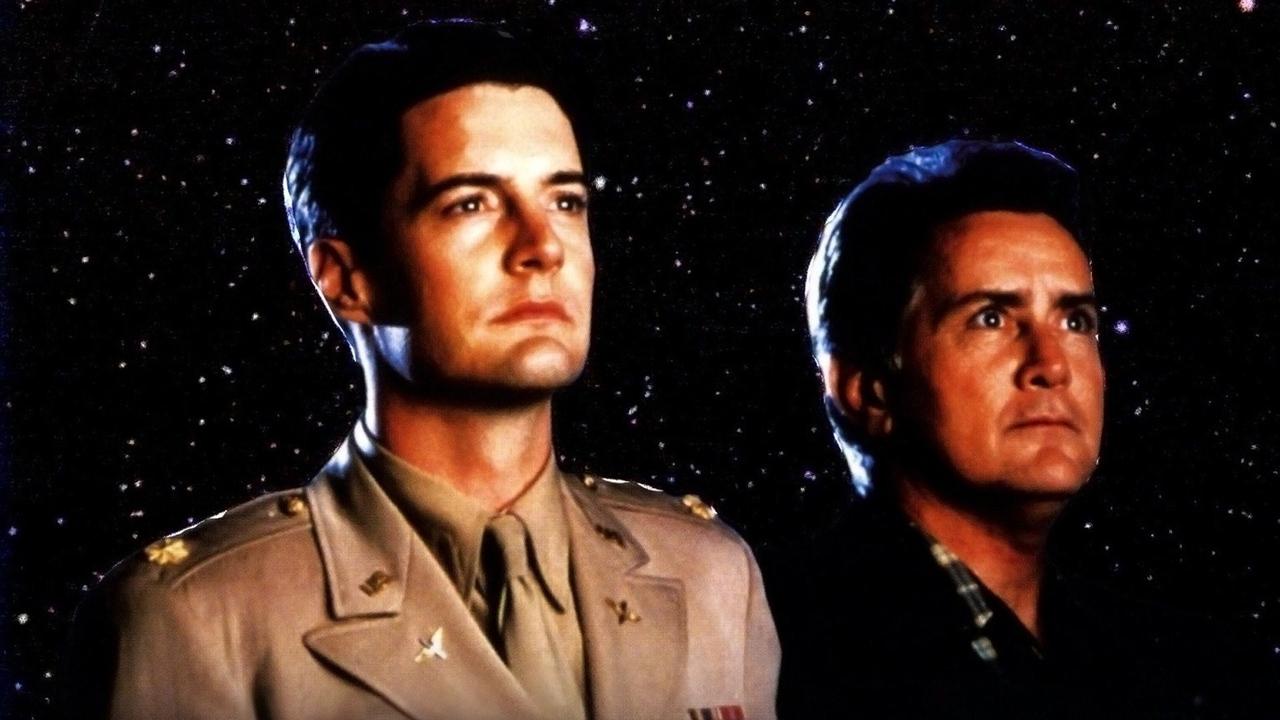
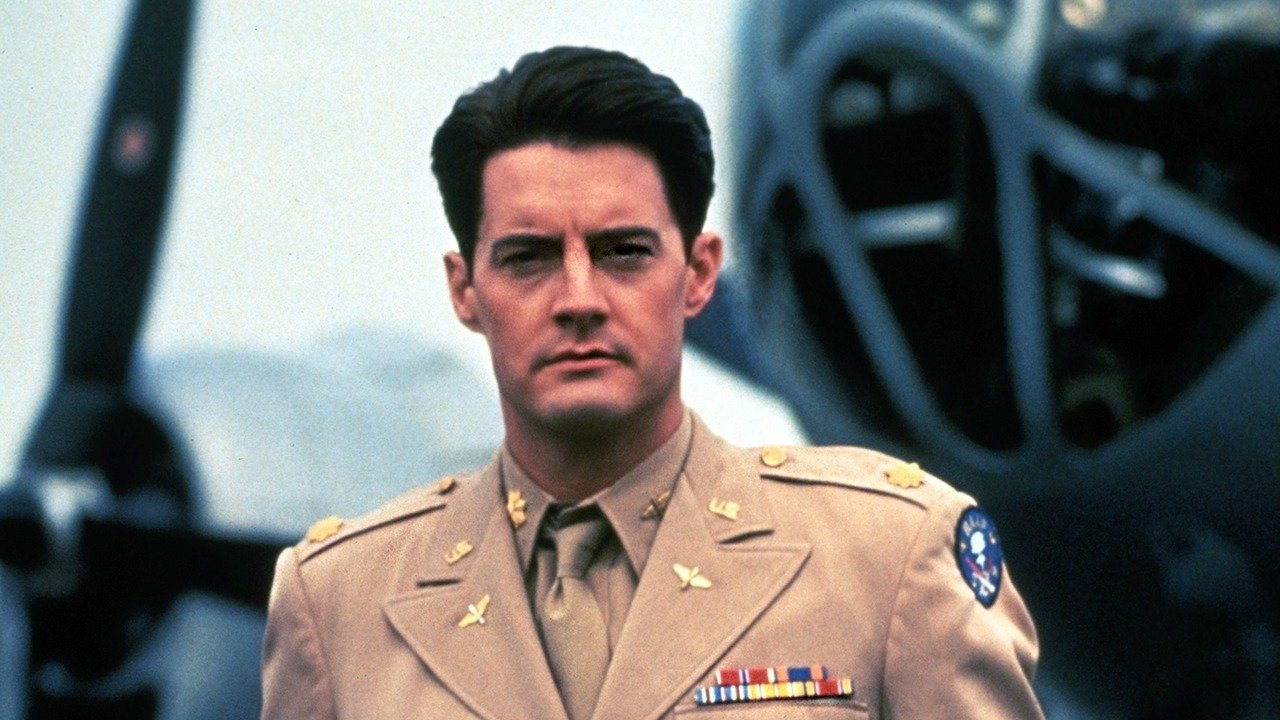
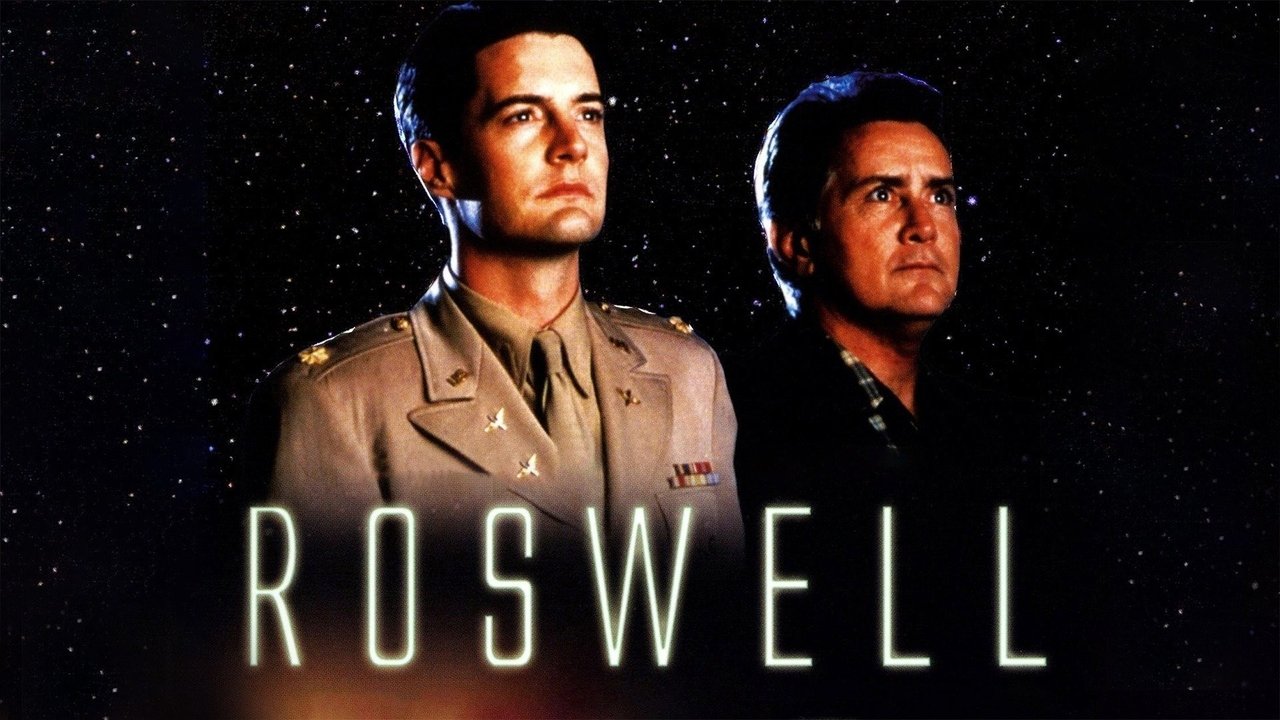
It doesn't open with flashing lights or chrome spaceships, but with a sense of quiet burden. We're introduced to Major Jesse Marcel, played with a profound, simmering unease by Kyle MacLachlan, attending a reunion decades after the infamous 1947 incident. There's a weight on his shoulders, a truth scratching at the surface of his carefully maintained composure. This opening sets the tone immediately: Roswell isn't primarily a sci-fi spectacle, but a human drama wrapped in one of the 20th century's most persistent enigmas. It asks: what happens when ordinary people brush against the potentially extraordinary, only to have the experience forcibly reshaped by powers beyond their control?
The Burden of Knowing (Or Not Knowing)
The film, directed by Jeremy Kagan (who gave us the wonderful The Journey of Natty Gann), skillfully uses flashbacks to reconstruct the events of July 1947. Based on the book "UFO Crash at Roswell" by Kevin D. Randle and Donald R. Schmitt, it meticulously lays out the commonly accepted narrative: the strange debris field found by rancher Mac Brazel, Marcel's initial investigation as an intelligence officer from the Roswell Army Air Field, the brief, electrifying announcement of a captured "flying disc," and the swift, suffocating retraction that followed, replacing saucer parts with a weather balloon.
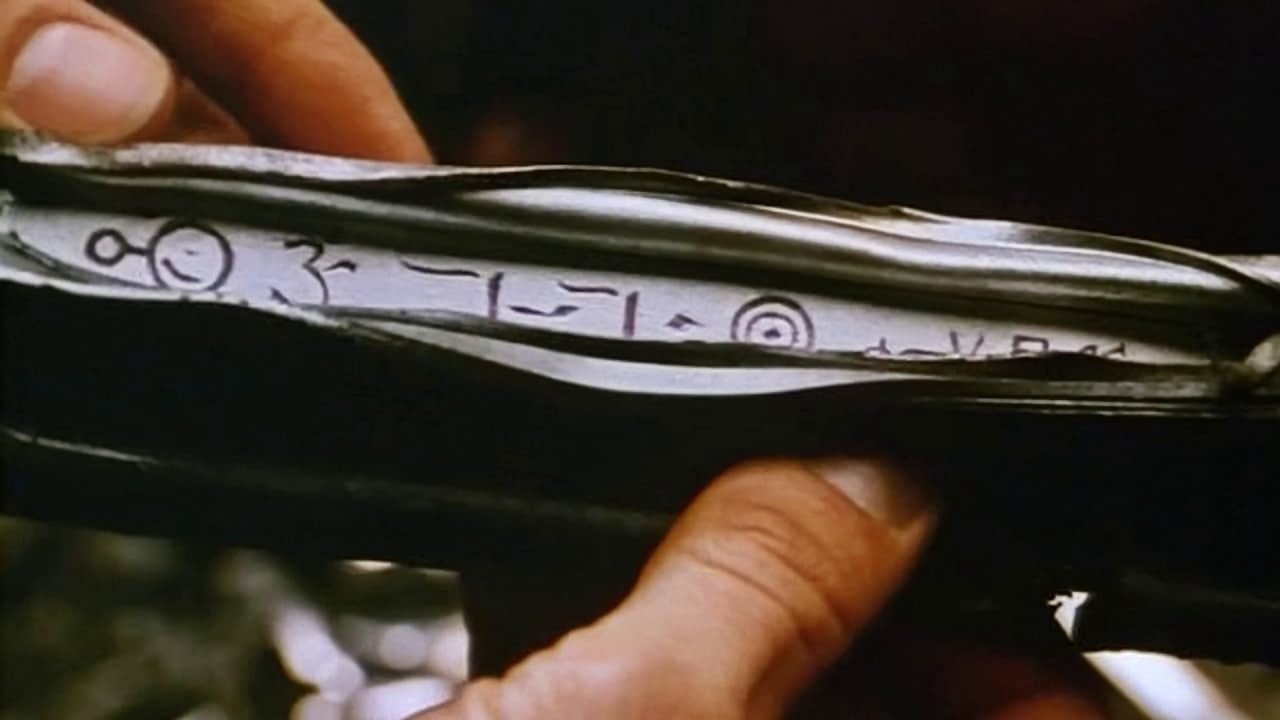
What elevates Roswell above a simple docudrama rehash is its focus on Marcel. MacLachlan, fresh off the surreal landscapes of Twin Peaks, brings a perfect blend of military duty and bewildered conscience to the role. You see the genuine curiosity in his eyes as he handles the bizarre materials – the lightweight beams that can't be dented, the foil that remembers its shape. And then you see the slow crushing of his spirit as the official story changes, forcing him to participate in what he increasingly believes is a lie. His performance anchors the film, making the alleged conspiracy feel personal and deeply felt. Wasn't that the power of MacLachlan in the 90s? That ability to convey deep internal turmoil beneath a calm surface?
Shadows and Whispers
Opposite MacLachlan is the always formidable Martin Sheen as Townsend, a shadowy figure orchestrating the cover-up. Sheen exudes a chillingly calm authority, the kind of man who speaks softly but carries the immense weight of national security (or something far stranger). Their scenes together crackle with unspoken tension – the earnest soldier confronting the implacable force of institutional secrecy. It’s a dynamic we’ve seen before, perhaps echoing some of Sheen’s work in films like Apocalypse Now, but it remains undeniably effective here.
Adding another interesting layer is country music star Dwight Yoakam as Mac Brazel, the rancher who stumbled upon the debris. It might seem like stunt casting on paper, but Yoakam brings a necessary salt-of-the-earth weariness to the role, portraying a simple man bewildered and ultimately intimidated by the whirlwind he’s unleashed.
Retro Fun Facts: Showtime Ambition and Grounded Effects
Remember when a "Showtime Original Movie" often meant something a cut above the standard network TV fare? Roswell certainly feels like it benefited from that premium cable ambition. While still operating within television constraints, Kagan and his team aimed for a serious, almost somber tone. The production values feel solid for the time, effectively recreating the late 40s setting. Interestingly, the film secured a Golden Globe nomination for Best Miniseries or Motion Picture Made for Television, a nod to its quality.
One fascinating detail often mentioned is that the real Jesse Marcel Jr. served as a consultant on the film, lending a layer of firsthand perspective (or at least, family perspective) to the events portrayed. Knowing this adds a certain resonance to MacLachlan’s portrayal of his father.
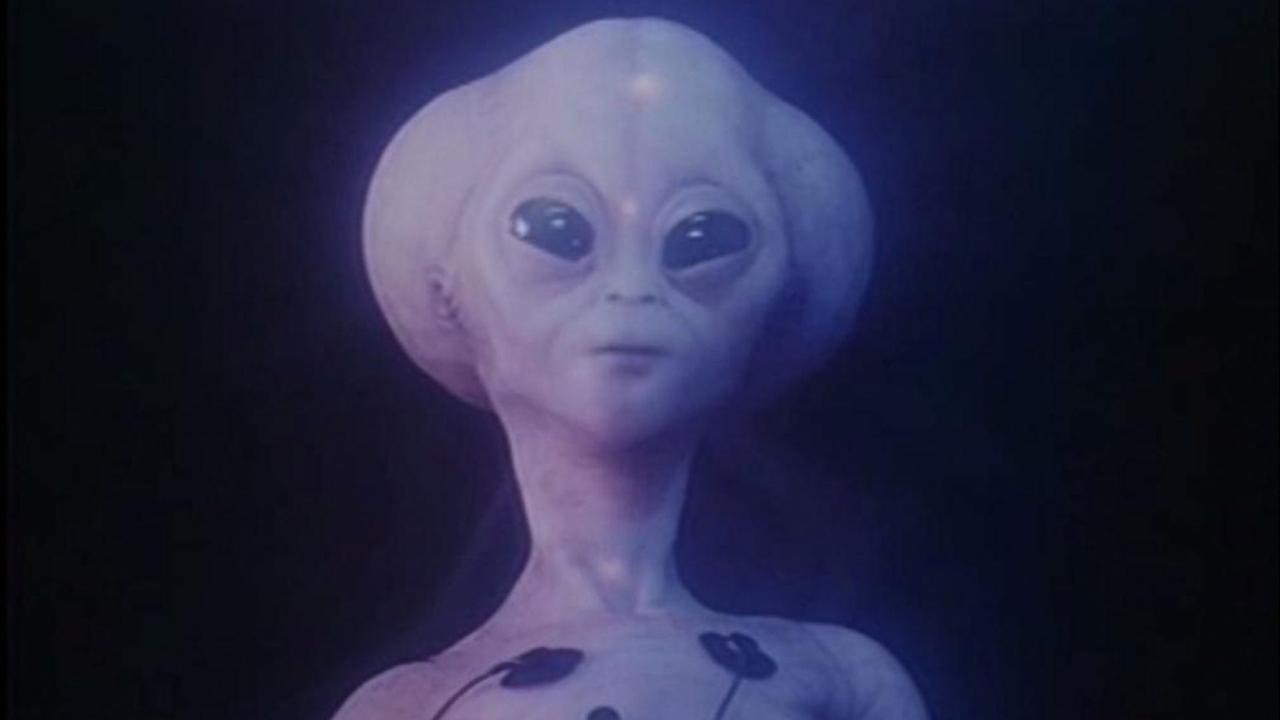
The alien effects, when they do appear (primarily in debated descriptions and a brief, unsettling glimpse during an alleged autopsy sequence), are handled with restraint. This was likely partly budget-driven, but it works in the film's favor. Like the best entries in the genre (think Close Encounters before the finale), the mystery is often more powerful than the reveal. The focus remains squarely on the human reaction – the fear, the awe, the confusion – rather than on elaborate creature design. This approach feels very much in line with the grounded, "it could have happened" vibe the film cultivates. Filming primarily took place in Arizona, convincingly standing in for the New Mexico landscape, adding to the dusty, isolated atmosphere.
Legacy of a Lie?
Roswell doesn't offer definitive proof, nor does it need to. Its strength lies in its exploration of the possibility and, more importantly, the consequences of such an event and its alleged cover-up. It taps into that deep-seated fascination with secrets held by governments, a theme that felt particularly potent in the 90s, fueled by shows like The X-Files which premiered just the year before. Does the truth always serve the greater good? Or are some truths too disruptive, too terrifying to handle? The film leaves you pondering these questions, wondering about the real men and women caught in the gears of history, forever marked by something they may or may not have fully understood.
Watching it again now, transported back to that era of burgeoning internet theories and weekly alien encounters on TV, the film feels less like a definitive account and more like a thoughtful, compelling piece of speculative historical fiction. It captures the feeling of the Roswell legend – the whispers, the contradictions, the enduring sense that something important might have been hidden away.
Rating: 7.5/10
Roswell earns a solid 7.5. It's a well-crafted, thoughtfully performed TV movie that treats its controversial subject matter with seriousness and focuses compellingly on the human element. MacLachlan is excellent, the atmosphere is effectively managed, and it avoids sensationalism in favor of suspense and character drama. While constrained slightly by its television origins and budget compared to a theatrical release, it stands as one of the better dramatic interpretations of the Roswell incident from that era.
It leaves you not with answers, but with the resonant hum of the question itself – a question that, much like a worn VHS tape waiting to be played again, continues to fascinate decades later. What really happened out there in the New Mexico desert?