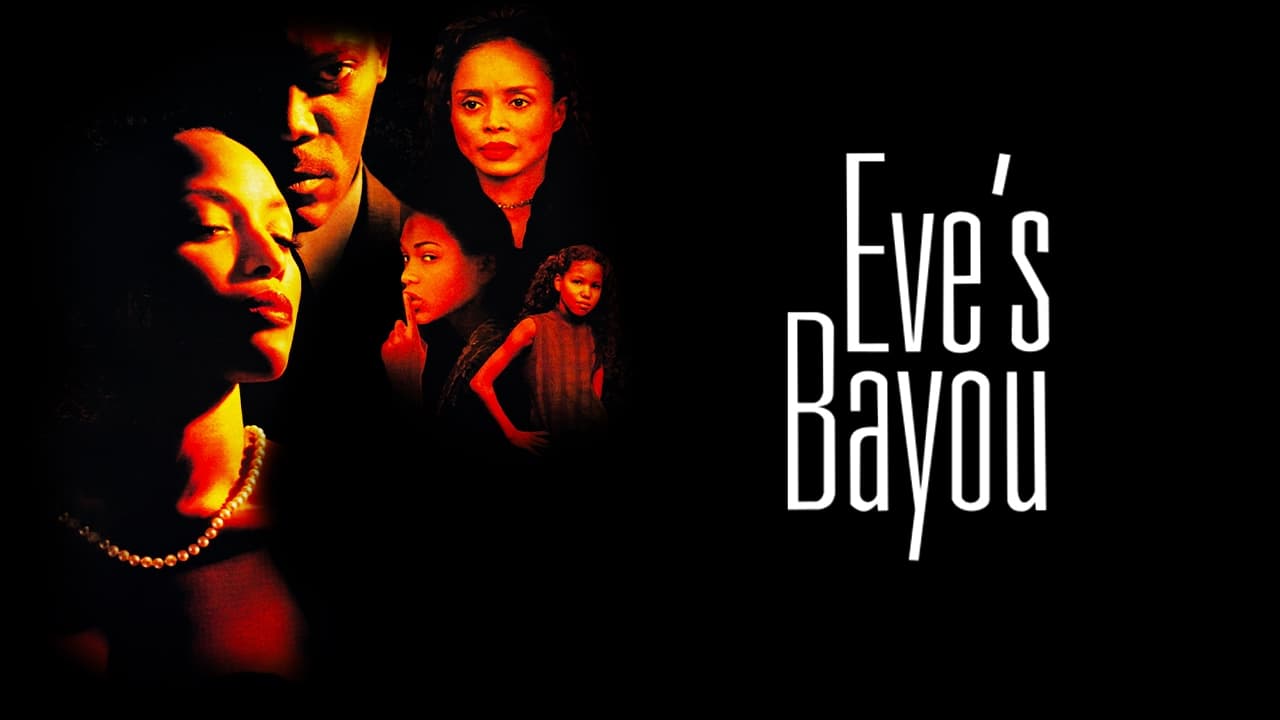
Okay, fellow travelers through time and magnetic tape, let's dim the lights and settle in. Sometimes, amidst the explosion-heavy blockbusters and neon-soaked comedies lining the shelves of our memory's video store, you'd stumble upon a tape, maybe with a cover that didn't scream action or laughs, but whispered secrets instead. Eve's Bayou (1997) was often that tape – a film that felt less like a typical rental and more like uncovering a hidden, potent piece of family history, saturated with the heavy air of the Louisiana summer it depicts. It wasn't just a movie; it felt like stepping into a living, breathing memory, albeit one blurred by time, trauma, and perspective.
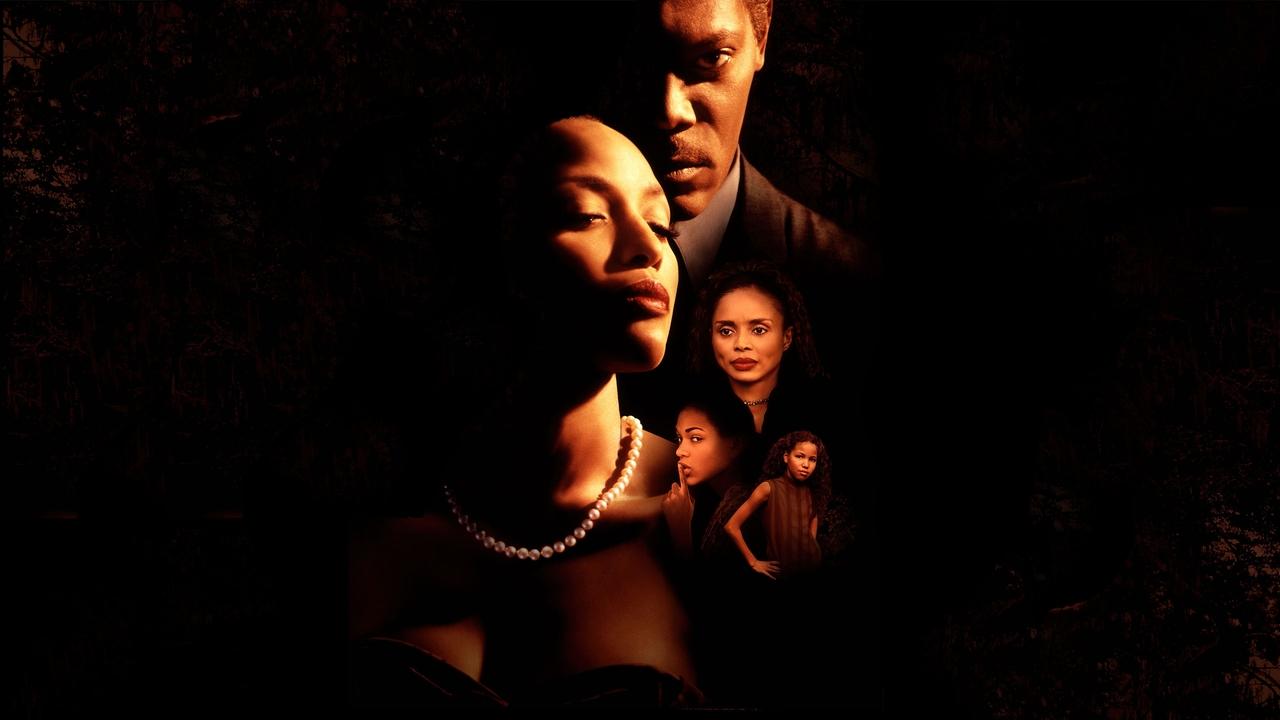
The film opens with a haunting assertion: "Memory is a selection of images, some elusive, others printed indelibly on the brain." This line, delivered by the adult Eve Batiste reflecting on the summer she turned ten, isn't just narration; it's the thematic core, the very lens through which this gorgeous, unsettling story unfolds. We're immediately drawn into the world of the Batistes, an affluent Creole family in 1960s Louisiana. They are outwardly prosperous, headed by the charismatic town doctor, Louis Batiste, played with unnerving charm by Samuel L. Jackson. But beneath the polished surface, secrets fester like the humid heat, perceived differently by each member of the family, especially young Eve (Jurnee Smollett in a performance of astonishing maturity) and her older sister Cisely (Meagan Good).
A World Steeped in Atmosphere
What strikes you first, even watching it now, perhaps on a screen far sharper than the CRTs of yesteryear, is the film's overwhelming atmosphere. Director Kasi Lemmons, making an incredibly assured feature debut after a career as an actress, crafts a Southern Gothic tapestry that feels both dreamlike and suffocatingly real. The cinematography by Amy Vincent captures the lush, almost primordial beauty of the bayou – the Spanish moss hanging like weary ghosts, the dappled sunlight through the trees, the ever-present water reflecting distorted truths. This isn't just a backdrop; the Louisiana setting is a character in itself, holding the family's secrets within its murky depths. Lemmons uses visual motifs – reflections, shadows, sudden bursts of light – to constantly reinforce the subjectivity of memory and perception. You feel the heat, the unspoken tensions, the faint undercurrent of voodoo and folk magic represented by Louis's sister, the psychic Mozelle (Debbi Morgan).
Echoes in the Performances
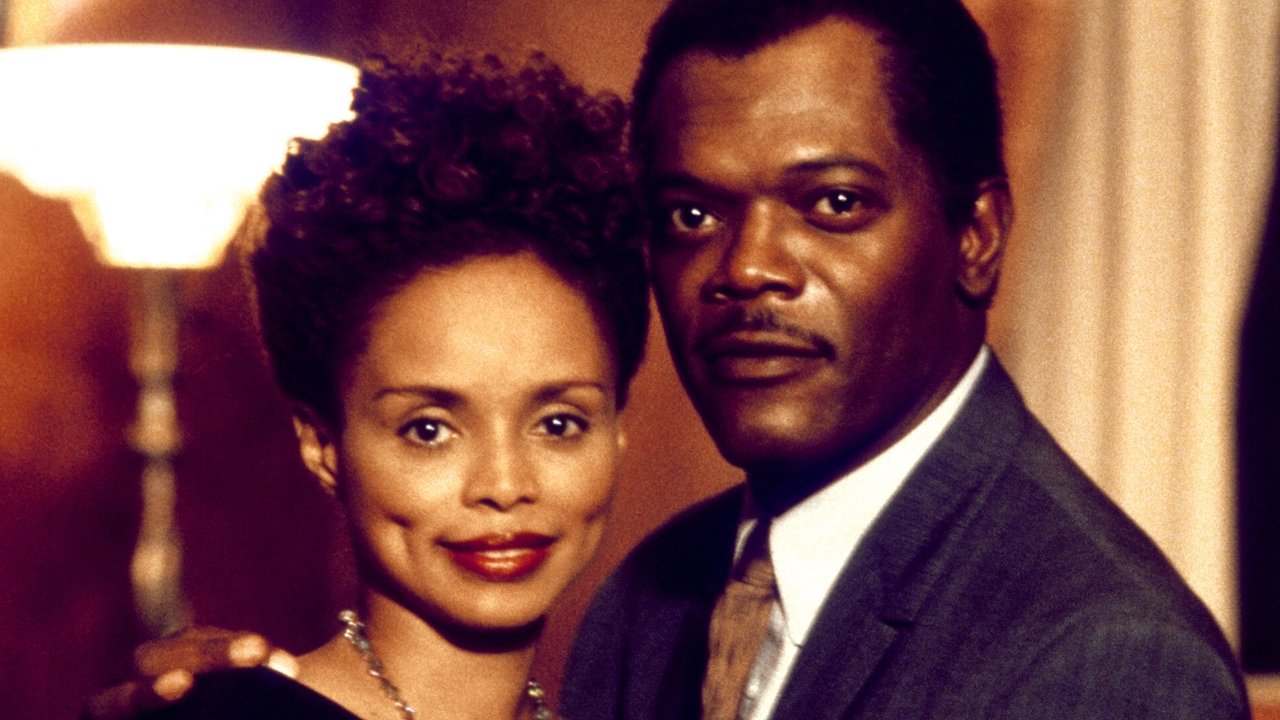
The ensemble cast is simply phenomenal, navigating complex emotional terrain with grace and power. Samuel L. Jackson, hot off the heels of his iconic turn in Pulp Fiction (1994), delivers a nuanced portrayal of Louis. He’s charming, beloved, the center of his family's world, yet deeply flawed, his affability masking a casual infidelity that sends ripples of destruction through the household. Jackson resists caricature, making Louis tragically human, his charisma a source of both joy and pain. It’s a testament to the strength of Lemmons’ script (which she also wrote) that Jackson reportedly championed the project, recognizing its unique power.
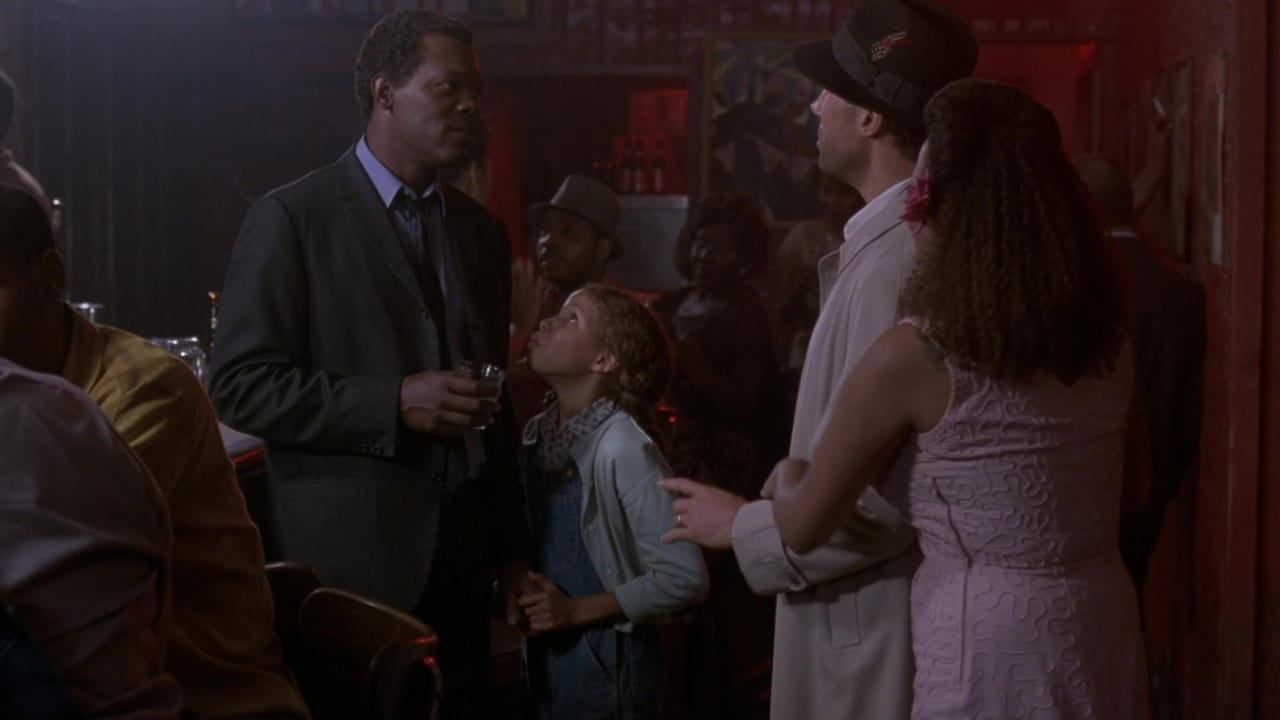
But the film truly belongs to the women. Jurnee Smollett, only ten years old at the time, is a revelation as Eve. She carries the film's emotional weight, her wide eyes absorbing the adult world's confusing signals, trying to piece together truth from fragmented images and whispered conversations. Her vulnerability is palpable, her moments of childhood certainty shattered by events she struggles to comprehend. Alongside her, Meagan Good captures Cisely’s adolescent turmoil and shifting affections with heartbreaking accuracy. And Lynn Whitfield as Roz, the elegant, wounded matriarch, conveys a world of hurt and pride with subtle glances and quiet dignity. Special mention must go to Debbi Morgan as Aunt Mozelle, whose visions offer glimpses of truth but also underscore the theme of inescapable fate and the burden of seeing too much. Her scenes, particularly those depicting her past tragedies, are among the film's most visually arresting and emotionally resonant.
Secrets Unfurling Like Spanish Moss
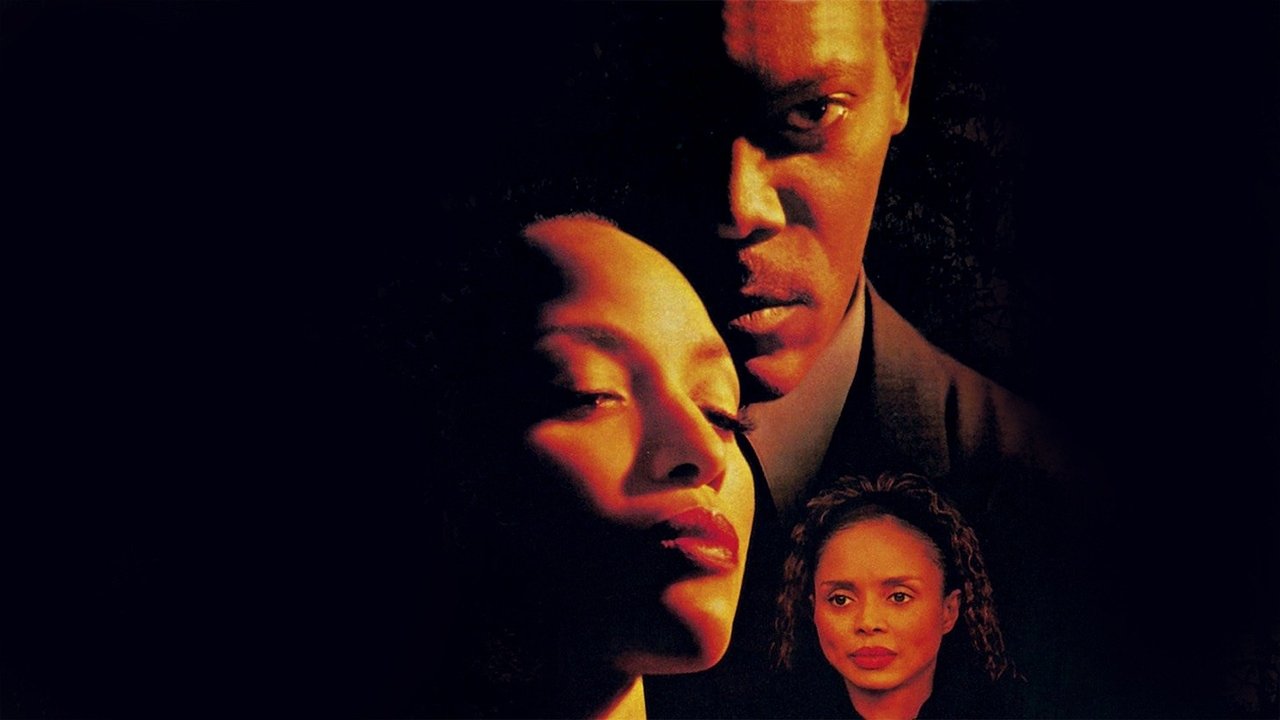
Eve's Bayou doesn't offer easy answers. It delves into thorny territory – infidelity, burgeoning sexuality, the devastating potential of a child's misunderstanding, and the hazy line between perceived truth and objective reality. Spoiler Alert! The central ambiguity surrounding what Eve witnesses between her father and sister is handled with remarkable sensitivity. Did she see what she thought she saw? Is Cisely's later accusation rooted in truth, trauma, or a desperate bid for attention? The film wisely leaves these questions lingering, suggesting that the impact of these perceptions, the emotional fallout, is ultimately what shapes the family's destiny, regardless of factual certainty. Doesn’t this ambiguity resonate with how families often grapple with conflicting narratives of their own pasts?
Getting a film like this made in the 90s, focusing so intently on the interior lives of Black women and children, told through such a poetic, non-linear lens, was no small feat. It’s a small miracle Kasi Lemmons succeeded, crafting a film that earned immense critical praise – the late, great Roger Ebert famously named it the best film of 1997 – even if its initial box office ($14.8 million against a modest budget) didn't fully reflect its artistic triumph. Its subsequent selection for preservation in the National Film Registry by the Library of Congress speaks volumes about its enduring cultural significance. It stands as a vital piece of 90s independent cinema and a cornerstone of modern African-American filmmaking.
Watching it again after all these years, the tape hiss replaced by digital clarity, Eve's Bayou loses none of its power. It’s a film that invites contemplation, that sinks under your skin and stays there. It reminds us that family history is rarely straightforward, often composed of whispers, glances, and images that shift like reflections on bayou water.
Rating: 9/10
This score reflects the film's masterful direction, outstanding performances (especially from Smollett and Jackson), profound thematic depth, and unique, unforgettable atmosphere. Its handling of complex, sensitive issues with nuance and artistry is exceptional. It's a near-perfect execution of a deeply personal and resonant story.
Eve's Bayou remains a hauntingly beautiful meditation on memory, truth, and the indelible marks left by family secrets – a potent reminder, plucked from the VHS shelf, of cinema's power to capture the elusive nature of the human heart.