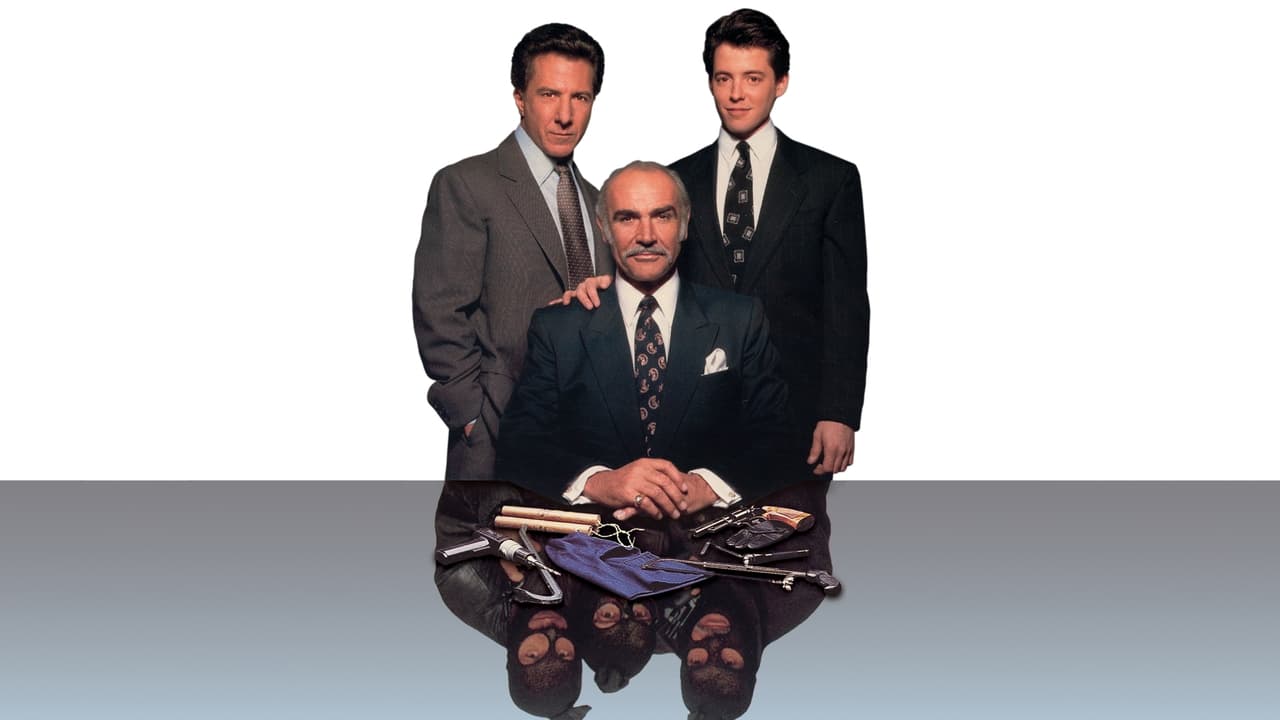
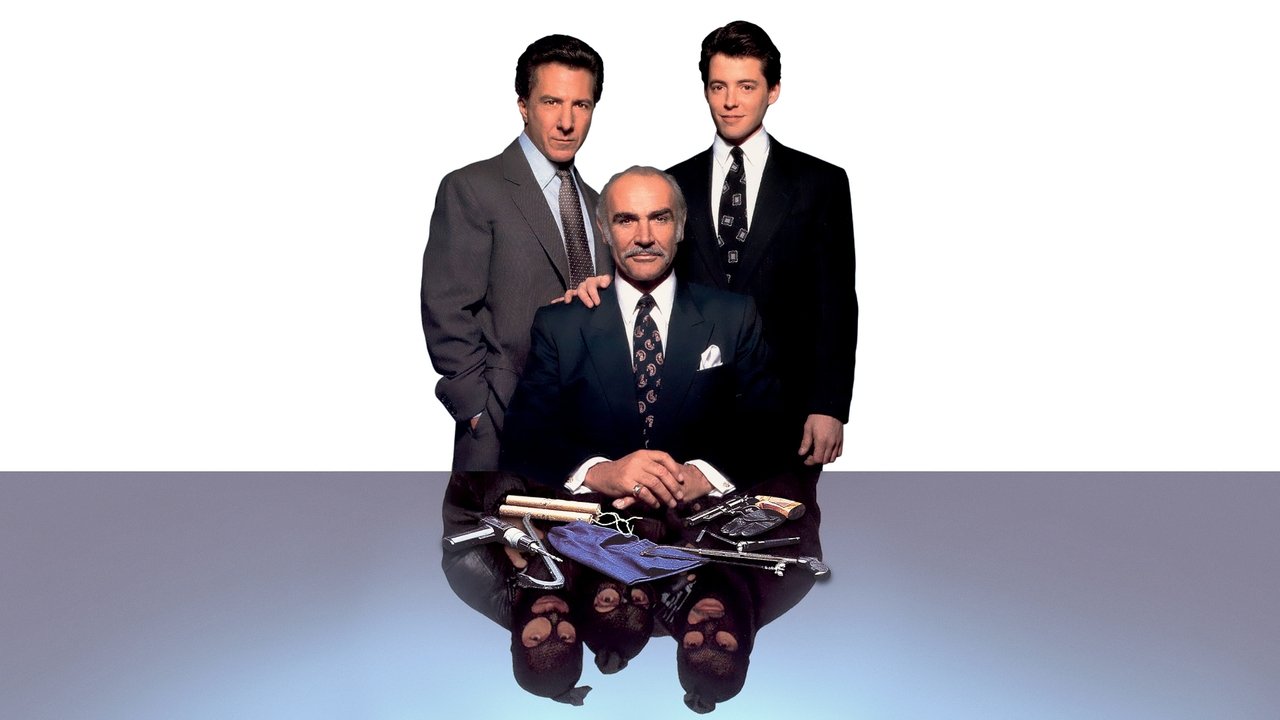
It’s a strange alchemy, isn’t it? When colossal talents converge on a project that seems, on paper, like a sure thing, yet the result lands somewhere in the hazy middle ground between memorable and misplaced. That’s the curious energy surrounding Family Business (1989), a film that practically leapt off the video store shelf thanks to its almost unbelievable marquee: Sean Connery. Dustin Hoffman. Matthew Broderick. Three generations of movie stars embodying three generations of a family wrestling with their criminal legacy. I remember sliding this tape into the VCR, the sheer promise of that cast feeling like an event in itself.
Generations of Charm and Conflict
The premise is immediately engaging: Jessie McMullen (Sean Connery) is the unrepentant, charismatic career criminal patriarch. His son, Vito (Dustin Hoffman), has desperately tried to escape the family trade, building a semi-legitimate life running a wholesale meat business, though the shadow of his past (and a suspended sentence) looms large. Vito’s son, Adam (Matthew Broderick), is the bright college student, seemingly destined for a different path... until the lure of one big score, orchestrated by Grandpa Jessie and targeting a high-tech genetics lab where Adam briefly worked, proves too tempting. What follows is less a slick heist movie and more a meandering exploration of familial bonds, resentment, and the inescapable pull of ingrained patterns.
The film rests squarely on the shoulders of its leads, and watching them interact is undoubtedly the main draw. Connery, fresh off his Oscar for The Untouchables (1987), is magnetic as Jessie. He embodies that dangerous charm, the kind of rogue you know you shouldn't trust but can't help liking. There's a twinkle in his eye even when discussing larceny, a force of personality that explains how he could pull his son and grandson back into the fold. Hoffman, playing significantly younger than Connery despite only a seven-year age gap in real life (a little movie magic there!), masterfully conveys Vito's inner turmoil. He’s a man caught between love for his father, fear for his son, and a deep-seated weariness with the life he tried so hard to leave behind. His exasperation and reluctant affection feel incredibly authentic. Broderick, still riding the wave of Ferris Bueller's Day Off (1986), brings a youthful eagerness and naivete to Adam, making his seduction by the promise of easy money and grandfatherly approval believable, if frustrating.
Lumet Behind the Lens: An Unexpected Fit?
What adds another layer of intrigue, and perhaps confusion, is the name behind the camera: Sidney Lumet. This is the director who gave us searing, street-level dramas like Serpico (1973), Dog Day Afternoon (1975), and Network (1976). His signature was often gritty realism and intense character studies within taut narratives. Seeing him tackle Family Business, adapted by Vincent Patrick from his own novel, felt like an odd pairing. While the film boasts Lumet's typically excellent location work – filmed entirely on location, showcasing a lived-in, late-80s New York City – the overall tone feels softer, less focused than his most celebrated work. It wanders between comedy, drama, and caper elements without fully committing to any, which likely contributed to its mixed critical reception and underwhelming performance at the box office (grossing around $22.2 million domestically against a reported $25 million budget). It makes you wonder what drew Lumet, a director known for sharp social commentary, to this particular family affair. Perhaps it was simply the chance to work with this specific constellation of stars?
The Weight of What We Inherit
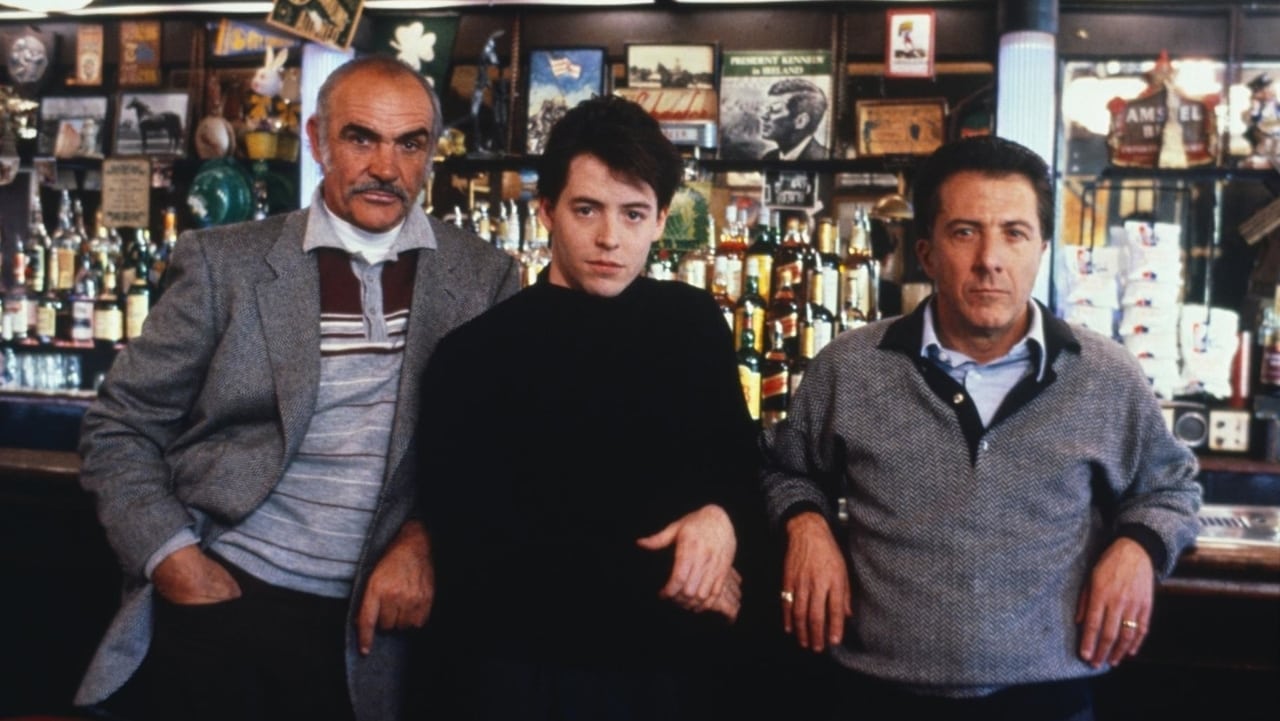
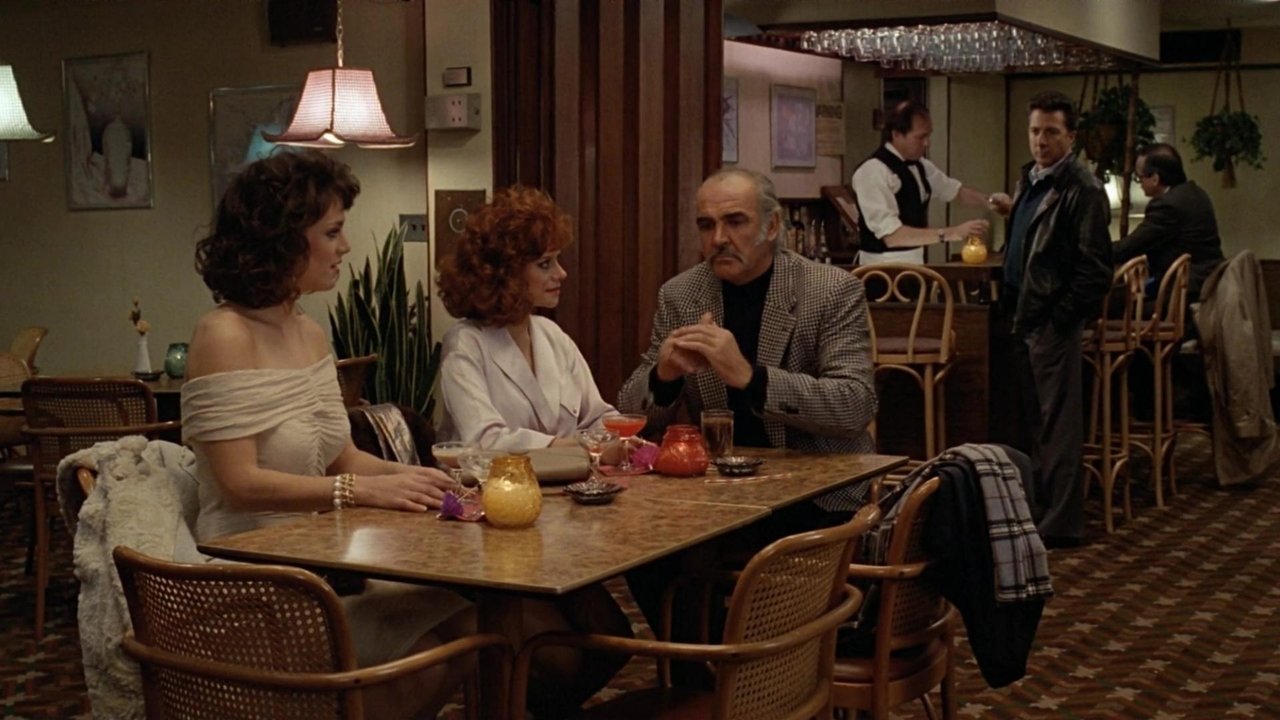
Beneath the caper plot, the film grapples with compelling questions. How much of our parents and grandparents lives within us, whether we like it or not? Can we truly break free from the cycles we're born into? Jessie represents the allure of the past, Vito the struggle for a different present, and Adam the uncertain future. Their interactions, particularly the simmering tensions between father and son (Connery and Hoffman), crackle with unspoken history. There’s a sadness underpinning Vito’s journey, a sense that legitimacy might always feel less authentic to him than the familiar thrill of the con, inherited like a recessive gene. Doesn't that struggle resonate – the push and pull between who we are expected to be and who we might secretly long to be?
A Flawed Gem from the Video Store Era
Family Business isn't a perfect film. The heist itself feels somewhat secondary, almost an afterthought designed to force the generational conflict to a head. The pacing can meander, and the tonal shifts sometimes feel abrupt, particularly towards the end. Yet, there's an undeniable warmth and humanity here, largely thanks to the central performances. Watching Connery effortlessly hold court, Hoffman wrestle with his conscience, and Broderick navigate his loyalties provides genuine moments of pleasure. It’s a character piece disguised as a crime flick, more interested in the ‘why’ than the ‘how’ of the central heist.
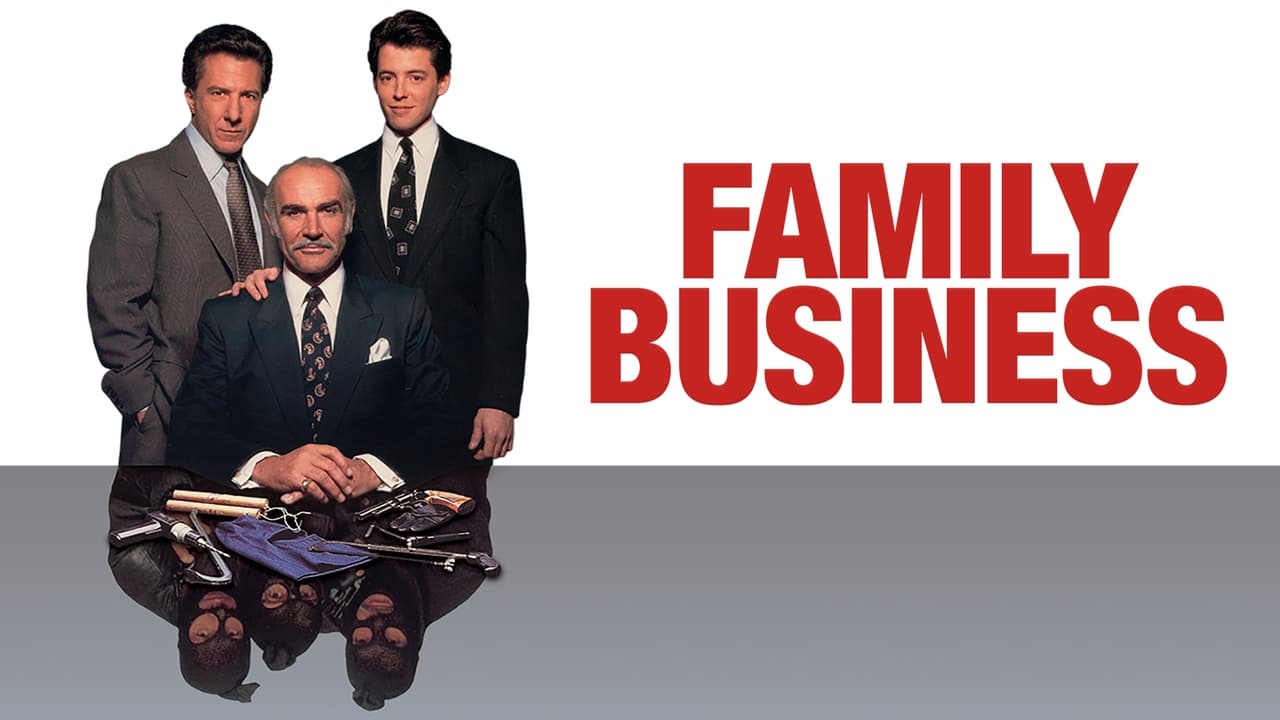
Think about the sheer star power packed onto that VHS cover – it promised something grand. While the film itself might be more modest in its achievements, it remains a fascinating watch. It captures that late-80s moment, features legendary actors bouncing off each other, and asks some genuinely interesting questions about family ties, even if it doesn't always provide satisfying answers. It’s the kind of movie that might have gotten lost between bigger blockbusters back in the day but offers real rewards for fans revisiting the era.
Rating: 6/10
The film is elevated significantly by its three leads, whose combined charisma and talent make even the weaker plotting watchable. Connery is captivating, Hoffman is affecting, and Broderick holds his own. However, the uneven tone and underdeveloped heist element prevent it from reaching the heights suggested by its pedigree, feeling like a lesser work from the great Sidney Lumet.
It leaves you pondering not just the heist's outcome, but the intricate, often messy, business of family itself – a theme as timeless as the flickering glow of a CRT screen playing a well-worn tape.