It’s strange, isn’t it, how certain films lodge themselves in your memory not for their dazzling effects or epic scope, but for the raw, uncomfortable feeling they leave behind? A feeling that churns long after the static hiss of the VCR fills the room. 1990's Too Young to Die? is precisely that kind of film – a television movie that carried the unexpected weight of a theatrical drama, largely thanks to the searing intensity of its young leads. Finding this on a dusty rental shelf back in the day felt like discovering something potent, something that perhaps wasn't meant for casual Friday night viewing.
A Bleak Portrait, Drawn from Life
The film, directed by Robert Markowitz (a prolific director of television movies known for tackling serious subjects), doesn't shy away from the grim realities it portrays. It loosely adapts the harrowing true story of Attina Marie Cannaday, fictionalized here as Amanda Sue Bradley. We witness a life spiraling tragically downwards: a childhood shattered by abuse and neglect, leading to a desperate existence on the streets, exploitation, and ultimately, involvement in a brutal crime alongside a manipulative, low-life boyfriend. The narrative plunges us into Amanda's world without flinching, forcing us to confront the systemic failures and personal horrors that pave her path to death row at the age of 15 (in the film's narrative). The question mark in the title isn't just punctuation; it's the central, haunting query the film poses about the morality of executing a minor, regardless of the crime's severity.
Before They Were Stars
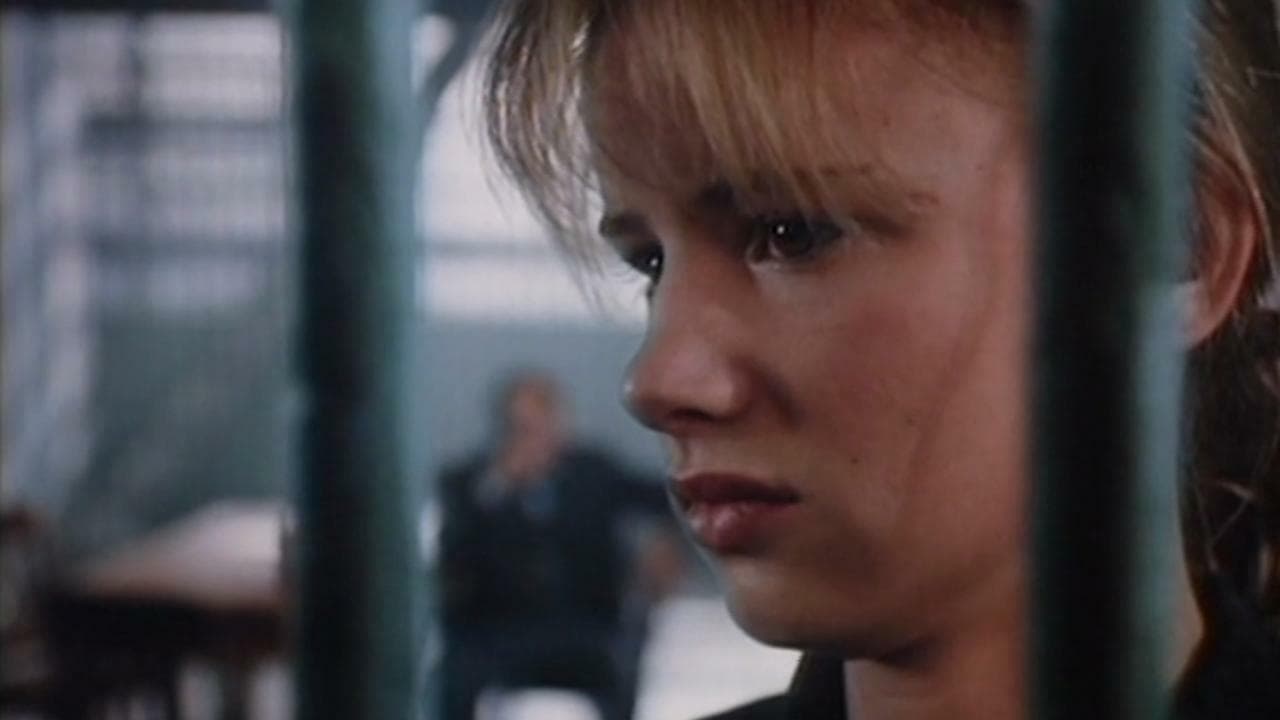
What truly elevates Too Young to Die? beyond the typical TV movie fare are the astonishingly raw performances from its central pair, both on the cusp of stardom. Juliette Lewis, barely 17 herself at the time, is Amanda. It’s a performance devoid of vanity, utterly committed to conveying the character's deep wounds, her desperate yearning for affection warped into something dangerous, and the flickers of defiance buried beneath layers of trauma. Lewis doesn't just act; she embodies the character's pain and confusion with a visceral authenticity that’s frankly unforgettable. Watching her navigate the trial scenes, shifting between vulnerability and a hardened, almost feral self-preservation, is captivating. It's no surprise she earned accolades for this role, including Best Actress at the prestigious Festival de Télévision de Monte-Carlo; the power is undeniable.
Playing opposite her as the predatory Billy Canton is a young Brad Pitt. Long before becoming the global icon we know, Pitt already possessed that magnetic screen presence, but here it’s twisted into something menacing and pathetic. Canton is a parasite, charming and cruel in equal measure, and Pitt inhabits the role with a sleazy charisma that makes your skin crawl. There's a volatile energy between Lewis and Pitt, an uncomfortable chemistry that crackles with manipulation and desperation. Knowing they were actually dating during the filming (from roughly 1989 to 1993) adds another layer of complex intensity to their shared scenes – a real-life connection perhaps informing the fraught dynamic playing out on screen. Supporting them is the ever-reliable Michael Tucker (L.A. Law) as the public defender grappling with the moral and legal complexities of representing Amanda, providing a necessary anchor of conscience amidst the bleakness.
More Than Just a Movie of the Week
Let's be clear: Too Young to Die? was made for television, airing on NBC, and sometimes carries the hallmarks of that format – a certain directness in its storytelling, perhaps less visual nuance than a big-screen feature. But director Robert Markowitz uses these constraints effectively, focusing tightly on the characters and the stark reality of their situation. He doesn't sensationalize the violence or the abuse, instead letting the implications and the actors' performances carry the emotional weight. The film generated considerable discussion upon its release, precisely because it dared to tackle the deeply uncomfortable issue of the juvenile death penalty head-on, using a fictionalized narrative based on real events (though Attina Marie Cannaday, the inspiration, was not executed) to personalize a complex legal and ethical debate raging at the time.
The film feels like a product of its specific moment – the late 80s/early 90s grappling with crime rates, social issues, and the justice system's perceived failings. Yet, the questions it raises about redemption, the impact of childhood trauma, and the very nature of justice feel depressingly timeless. Doesn't the desperation born from neglect and abuse still create pathways to tragedy today?
Final Thoughts: A Haunting Echo
Too Young to Die? isn't an easy watch. It's grim, unsettling, and leaves you with a profound sense of unease. It might lack the polish of a major studio picture, but its power lies in its unflinching gaze and, above all, in the devastatingly authentic performance by Juliette Lewis. It’s a stark reminder that sometimes the most potent dramas weren't found in the multiplex, but flickering on our CRT screens late at night, delivered via broadcast or a worn-out VHS tape. It showcased the nascent talent of Lewis and Pitt in roles far removed from the glamour that would later define their careers, tackling a subject that continues to demand our attention.
Rating: 7.5/10
This score reflects the film's powerful, standout performances (especially Lewis's), its courage in tackling a difficult and important theme within the constraints of a TV movie format, and its lingering emotional impact. While perhaps hampered slightly by its TV movie origins in terms of production finesse, the core drama and acting transcend these limitations, making it a significant and memorable piece from the era.
It leaves you wondering not just about the fictional Amanda, but about all the young lives caught in cycles of abuse and violence, asking whether the system designed to deliver justice is truly equipped to handle the devastating complexities of their stories.