It starts not with a bang, but with a thump. A professional Klieg light, inexplicably falling from a perfect, cloudless sky onto the pristine street where Truman Burbank lives his seemingly idyllic life. It’s labelled "Sirius (9 Canis Major)". That single, impossible object landing in Seahaven Island is perhaps the perfect entry point into the unsettling brilliance of Peter Weir’s 1998 masterpiece, The Truman Show. Watching it again, decades after its initial release – likely on a well-worn VHS tape rented from Blockbuster – the film feels less like science fiction and more like a documentary filmed just slightly ahead of its time.
A Perfect World, Perfectly Wrong
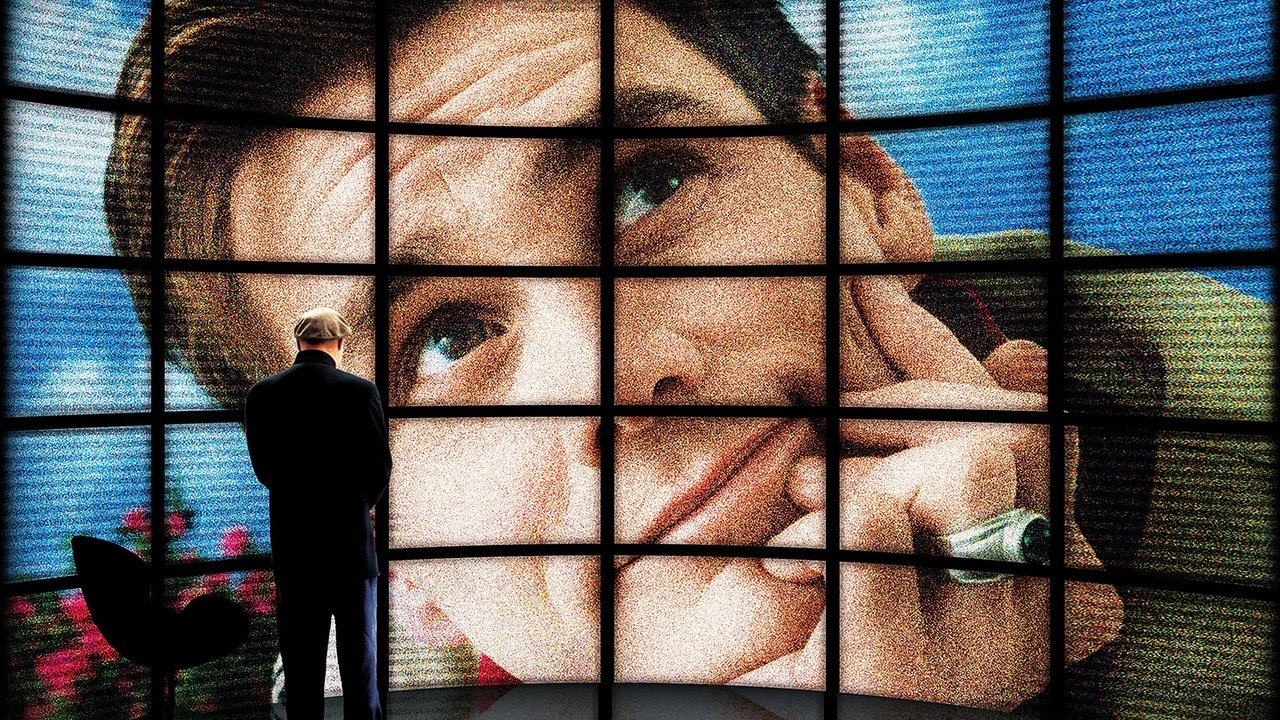
What unfolds is a premise so ingenious, penned by Andrew Niccol (who had just given us the chillingly plausible future of Gattaca the year prior), that it burrows under your skin. Truman Burbank (Jim Carrey) is the unwitting star of the most popular reality television show on Earth, his entire existence meticulously crafted and broadcast 24/7 since birth. Seahaven isn't just his home; it's a colossal television studio disguised as utopian Americana. His friends, his family, his wife Meryl (Laura Linney) – they are all actors playing roles, guided by the show's omniscient creator, Christof (Ed Harris). The unsettling feeling isn't just what is happening, but how normal it's presented, both to Truman and, chillingly, to the show's global audience within the film. Weir, a director known for exploring characters pushed to extremes in films like Witness (1985) or nurturing burgeoning spirits in Dead Poets Society (1989), masterfully balances the sun-drenched visuals of Seahaven with a creeping sense of dread.
The Man Behind the Smile
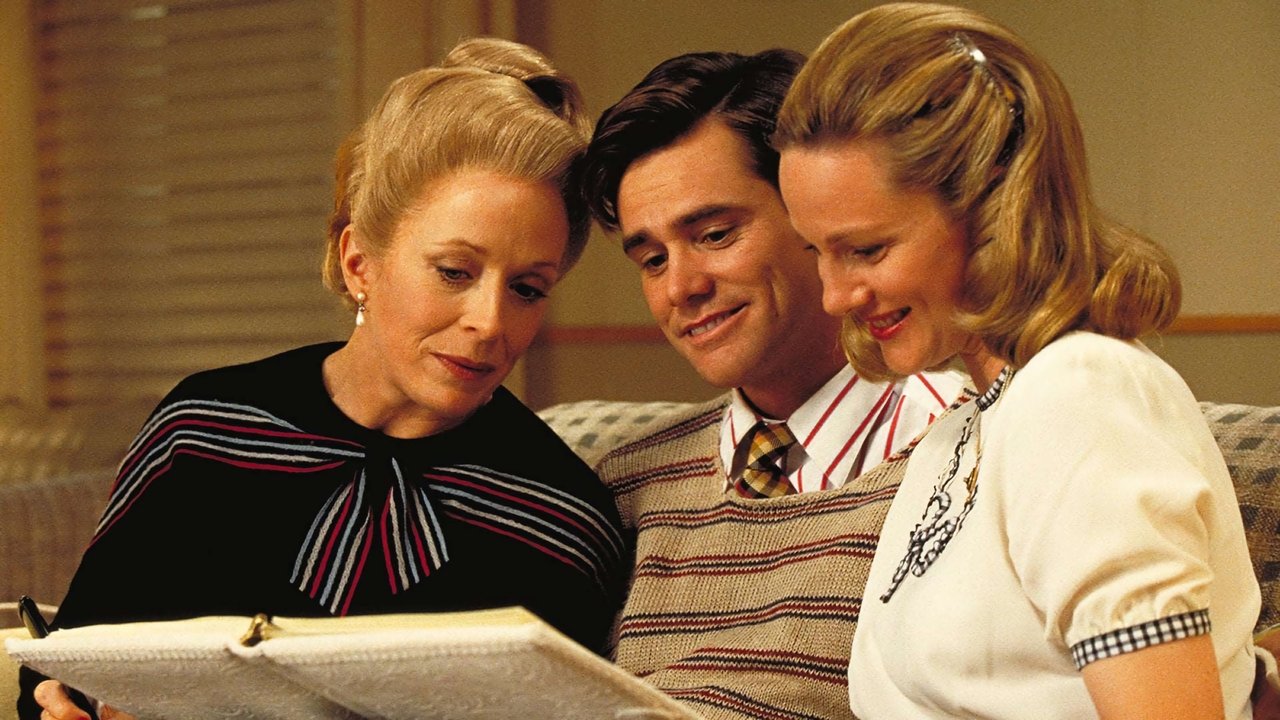
At the heart of it all is Jim Carrey. In 1998, Carrey was comedy – Ace Ventura, Dumb and Dumber, The Mask. Casting him as Truman was a gamble, a deliberate step away from the rubber-faced antics that made him a superstar. And what a revelation it was. Carrey reportedly took a significant pay cut (down from his usual $20 million fee to $12 million) for the role, sensing its potential, and he pours his soul into Truman. He retains that infectious energy, the charming grin, but beneath it lies a growing flicker of confusion, then suspicion, then quiet desperation. We see the yearning for something more, personified by his fragmented memories of the mysterious Lauren/Sylvia (Natascha McElhone), the one "cast member" who dared to hint at the truth. It’s a performance of remarkable nuance, capturing the dawning horror of Truman’s reality with heartbreaking authenticity. You feel his suffocation, his yearning for the horizon he's never been allowed to reach. Was this the moment many of us realised the true breadth of Carrey's talent?
The Puppets and the Master
The supporting cast orbits Carrey's Truman like planets around a captive sun. Laura Linney is superb as Meryl, Truman’s perpetually cheerful wife, whose mask of domestic bliss occasionally slips to reveal the strain of performance, especially during those hilariously forced product placements ("Who wouldn't want this lovely Mococoa drink?"). Noah Emmerich as Marlon, Truman’s best friend since childhood, carries the weight of his betrayal with a palpable sadness, delivering Christof’s scripted reassurances with a heavy heart.
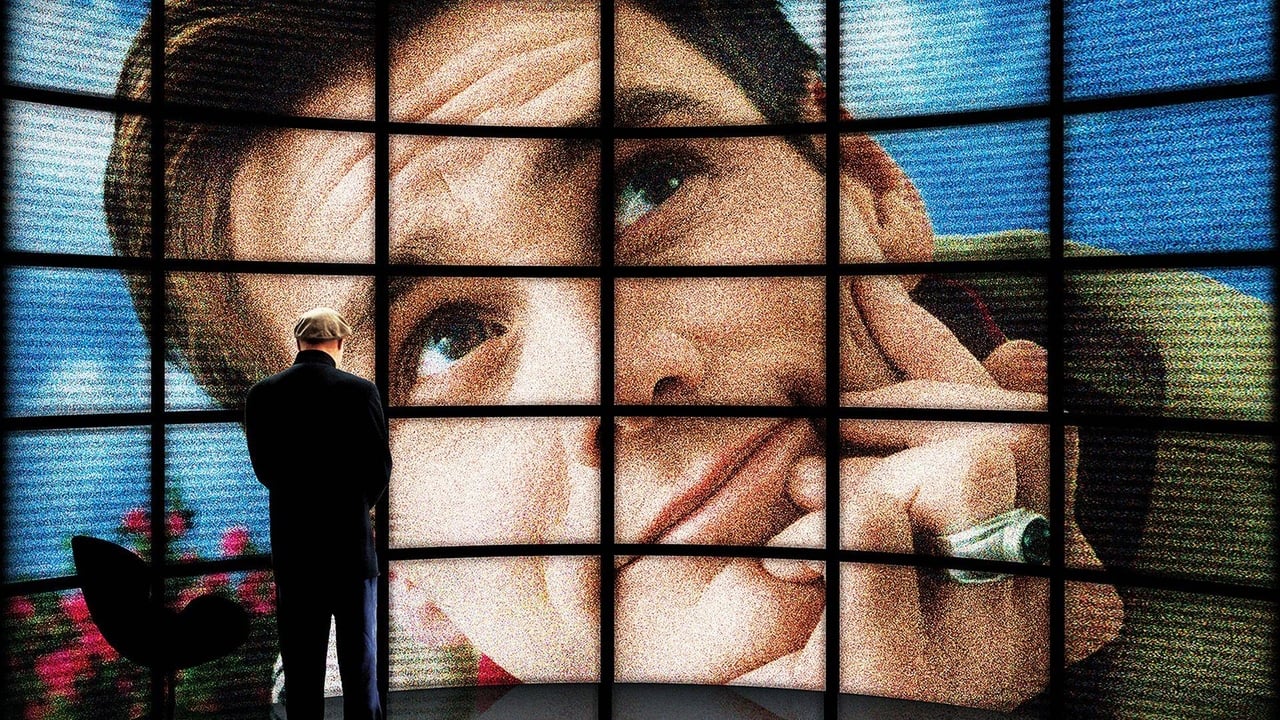

And then there’s Ed Harris as Christof. In a role famously vacated by Dennis Hopper due to creative differences just before shooting, Harris stepped in and delivered an Oscar-nominated performance for the ages. Perched high above Seahaven in his lunar control room, Christof is less a villain and more a complex, flawed god figure. He genuinely believes he's given Truman a better, safer life, shielded from the harshness of the real world. Harris plays him with a chilling calm, a paternalistic certainty that masks a profound ethical void. His quiet intensity is the perfect counterpoint to Carrey's raw emotion.
More Than Just a Movie Set
The genius of Peter Weir's direction lies in the details. The subtle use of fisheye lenses, the awkward framing suggesting hidden cameras, the way the weather itself bends to the narrative demands of the show – it all reinforces the pervasive sense of observation. The production design is crucial; Seahaven itself, filmed in the very real, meticulously planned community of Seaside, Florida, becomes a character – beautiful on the surface, but inherently artificial. This wasn't just clever filmmaking; it felt like a commentary taking shape before our eyes. Niccol's original script was apparently much darker, more of a sci-fi thriller set in New York City, but Weir's decision to shift towards a lighter, more satirical tone arguably gave the film its broader appeal and, perhaps, its more insidious bite. The score, combining Burkhard Dallwitz's original compositions with existing minimalist pieces by Philip Glass, perfectly captures both the manufactured serenity and the underlying tension.
Hitting Home in the VHS Era and Beyond
Watching The Truman Show back in the late 90s felt profoundly original. Reality TV was still in its infancy (MTV's The Real World was perhaps the closest mainstream touchstone), and the idea of a life lived entirely on camera felt fantastical, albeit disturbingly plausible. I remember renting the tape, the hefty clunk of it going into the VCR, and feeling that sense of unease linger long after the credits rolled. Could something like this actually happen? What does it say about our hunger for entertainment, our relationship with media?
The film landed perfectly, grossing over $264 million worldwide against its $60 million budget, earning critical acclaim and those three Academy Award nominations (Director, Supporting Actor, Original Screenplay). But its true legacy lies in its stunning prescience. Could Niccol and Weir have truly predicted the explosion of reality television, the rise of influencer culture, the constant self-surveillance of social media? Perhaps not in detail, but they captured the zeitgeist, the underlying human impulses that would drive it all. The questions the film raises about authenticity, free will, voyeurism, and the very nature of reality feel more urgent today than they did in 1998.
What lingers most after the screen goes dark? For me, it's that final, defiant choice Truman makes. Faced with the known comfort of his fabricated world or the terrifying uncertainty of the real one, his decision resonates with a fundamental human need for truth, however imperfect it might be.
Rating: 9/10
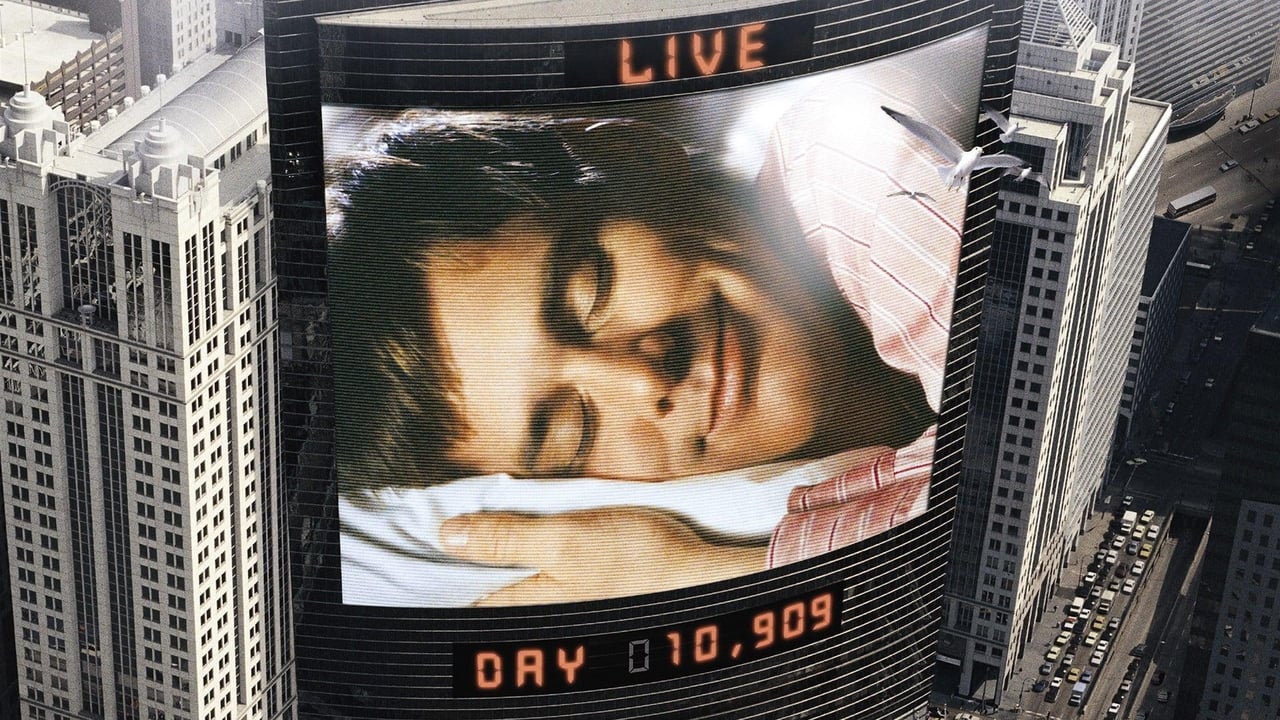
The Truman Show earns this high rating not just for its flawless execution – brilliant script, masterful direction, career-defining performances – but for its enduring relevance and profound philosophical depth wrapped in an accessible, engaging, and deeply moving story. It’s a film that was both entertaining and unnervingly prophetic, a standout gem from the late 90s that continues to provoke thought and discussion.
It leaves you pondering: In a world increasingly saturated by curated realities, how much of our own lives are truly unscripted? Good morning, and in case I don't see ya, good afternoon, good evening, and good night!