There's a certain kind of film that doesn't just tell a story, but transports you. Not through fantasy or spectacle, but through the sheer, undeniable texture of a specific place and time. Watching Paolo Virzì's Ovosodo (1997) again after all these years feels exactly like that – a vivid, sometimes uncomfortably sharp, return trip to the working-class neighbourhoods of Livorno, Italy, seen through the eyes of a young man fumbling his way towards adulthood. The title itself, "Ovosodo" – literally "hard-boiled egg" – refers to a specific district, but it also perfectly captures the feeling of being slightly tough on the outside, vulnerable within, that permeates this wonderful Italian gem.
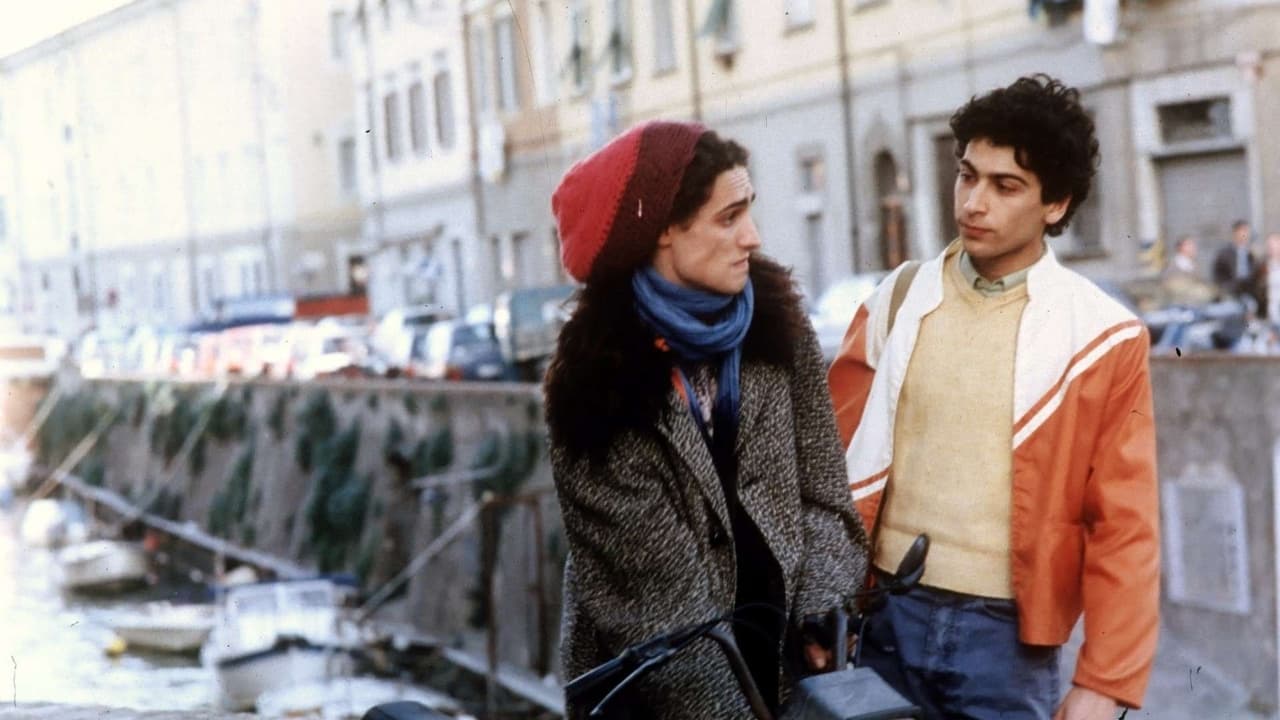
Navigating the Streets of Adolescence
At its heart, Ovosodo is the chronicle of Piero Mansani, played with astonishing naturalism by newcomer Edoardo Gabbriellini. We follow Piero from childhood scrapes to the turbulent waters of teenage life in the mid-90s. His world is one of concrete apartment blocks, bustling docks, family struggles (a volatile ex-con father, a kind but overwhelmed stepmother), and the constant, low-level hum of class consciousness. It's a coming-of-age story, certainly, but one refreshingly devoid of Hollywood gloss. Virzì, who co-wrote the sharp, observant script with Francesco Bruni and the legendary Furio Scarpelli (a name synonymous with the golden age of Italian comedy), isn't interested in easy answers or neat resolutions. He's interested in the messy, funny, often painful reality of growing up feeling slightly out of step with the world.
A Performance Born of Authenticity
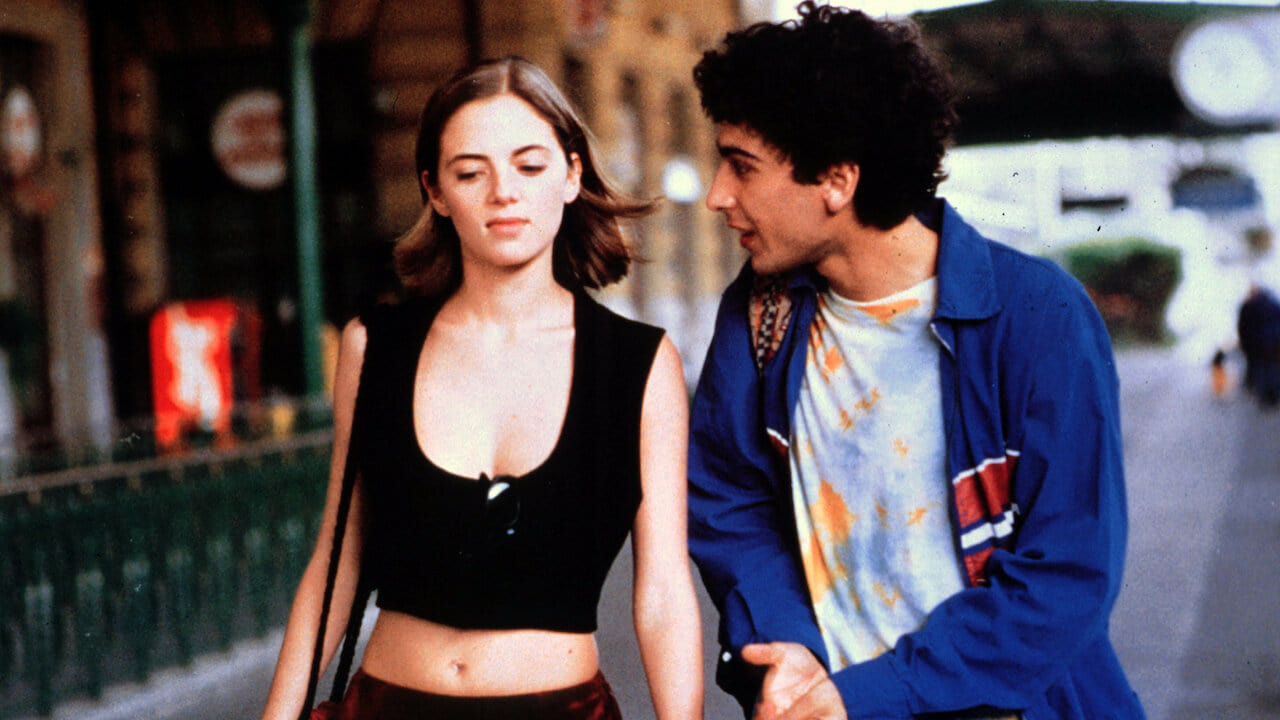
So much of the film's power rests on the shoulders of Edoardo Gabbriellini. Apparently, Virzì discovered him practically on the street in Livorno, and this lack of formal training translates into a performance of raw, unvarnished truth. Gabbriellini is Piero. He embodies that potent teenage cocktail of awkwardness, sudden bursts of anger, deep-seated insecurity, and yearning vulnerability. You see the world reflected in his often-confused, sometimes defiant eyes. There's no actorly vanity, just a young man existing on screen. It’s a performance that rightly earned him the Pasinetti Award for Best Actor at the Venice Film Festival that year – a remarkable feat for a non-professional in his debut.
He’s brilliantly contrasted by Malcolm Lunghi as Tommaso, Piero’s unlikely best friend from a wealthy, intellectual family. Their friendship forms one of the film's core pillars, exploring the divides of class and culture with humour and sensitivity. Tommaso introduces Piero to literature, film, and a different way of thinking, yet their bond is constantly tested by their differing realities. And then there’s Susy (Claudia Pandolfi, radiating effortless cool and complexity), the slightly older girl next door who becomes the object of Piero’s intense, idealized infatuation. Pandolfi brings a magnetic mix of allure and melancholic realism to the role, representing a world both desired and ultimately unattainable for Piero.
Livorno Through Virzì's Lens
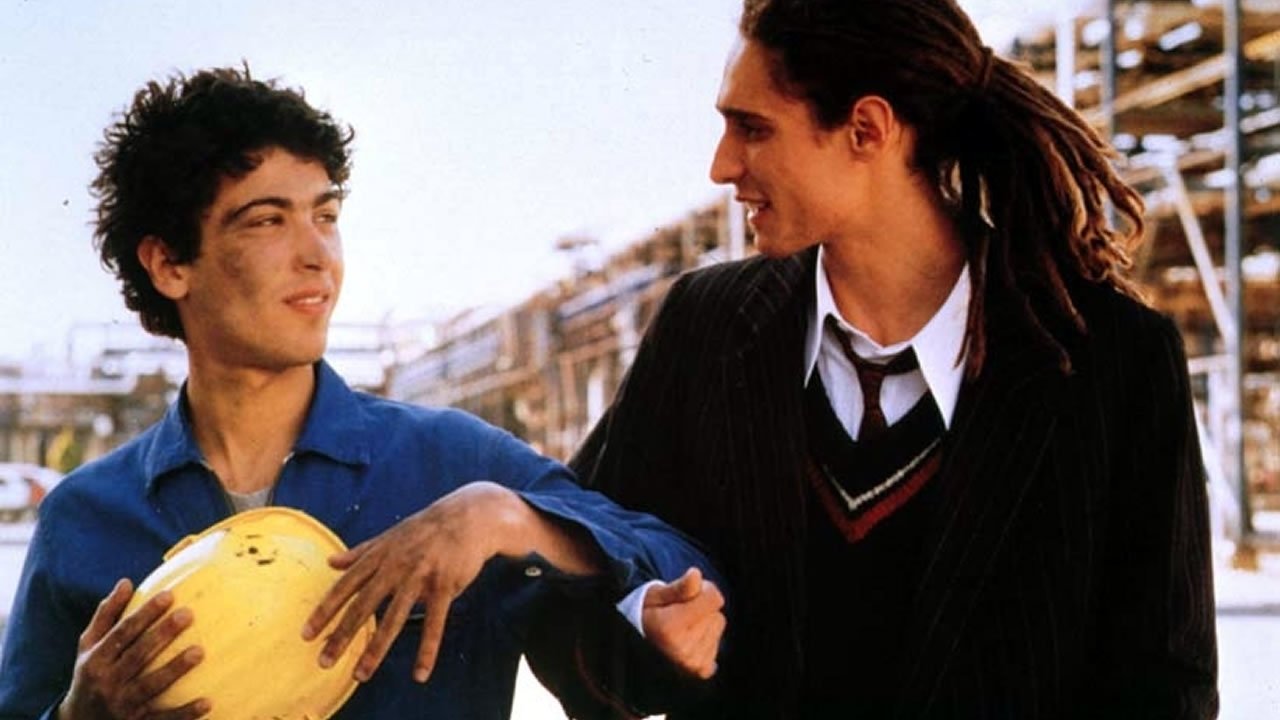

Paolo Virzì, himself a Livorno native, directs with an intimacy and affection that makes the city itself a character. This isn't just a backdrop; it's the very fabric of the characters' lives. He captures the specific light, the local dialect (though often smoothed for wider audiences), the social dynamics of the place with an assured hand. It's a skill he’d hone in later acclaimed films like La prima cosa bella (2010) and Il capitale umano (2013), but the blueprint is firmly here. Ovosodo manages that delicate Italian balancing act: finding genuine humour in everyday struggles without ever mocking its characters, and touching profound melancholy without dipping into sentimentality. The film’s success at Venice, where it also snagged the Special Jury Prize, wasn't just critical acclaim; it felt like a validation of this authentic, grounded approach to storytelling.
Why It Stuck Around
For those of us digging through the racks back in the day, perhaps seeking something beyond the usual Hollywood fare, stumbling upon a film like Ovosodo felt like finding a hidden treasure. It might not have had the high-concept hook or explosive action sequences that dominated many VHS boxes, but it offered something arguably more valuable: a window into a real, specific world, populated by characters who felt utterly human. It reminded us that powerful stories could be found in the seemingly ordinary, in the bittersweet pang of first love, the confusing loyalty of friendship across social divides, and the quiet struggle to figure out who you are when the path isn't clearly marked.
Does it show its late-90s vintage? Of course – the fashion, the music cues, that particular pre-millennium vibe are all present. But these elements only add to its charm, like looking through a well-loved photo album. The core emotions, the questions Piero grapples with – about belonging, aspiration, love, and disappointment – remain strikingly relevant. What does it mean to find your place when society seems to have already decided it for you? How do we reconcile the dreams we have with the reality we inhabit?

Rating: 9/10
Ovosodo earns this high mark for its exceptional lead performance, its authentic sense of place, its sharp and empathetic writing, and Paolo Virzì's perfectly pitched direction. It captures the universal awkwardness and heartbreak of adolescence with specific, localized detail, creating a film that is both deeply Italian and universally resonant. It avoids easy sentimentality, offering instead a bittersweet, funny, and ultimately moving portrait of growing up working-class in late 20th-century Italy.
It’s a film that lingers, not with grand pronouncements, but with the quiet echo of lived experience – the smell of the sea, the rumble of scooters, the face of a young man trying to understand it all. A true gem from the Italian VHS shelf.