Rurouni Kenshin: Requiem for the Ishin Patriots
Sometimes, a film arrives not to redefine a story, but to deepen our connection with characters we already hold dear. That's the distinct feeling left by Rurouni Kenshin: Requiem for the Ishin Patriots (1997), known in Japan as Ishin Shishi e no Chinkonka. It wasn’t the groundbreaking origin story many fans would later discover in Trust & Betrayal, nor did it adapt one of the manga’s iconic arcs. Instead, this first theatrical outing for the beloved swordsman felt like an extended episode, a chance to spend just a little more time in the Meiji Era world masterfully crafted by Nobuhiro Watsuki, albeit through a narrative lens slightly different from the source material.
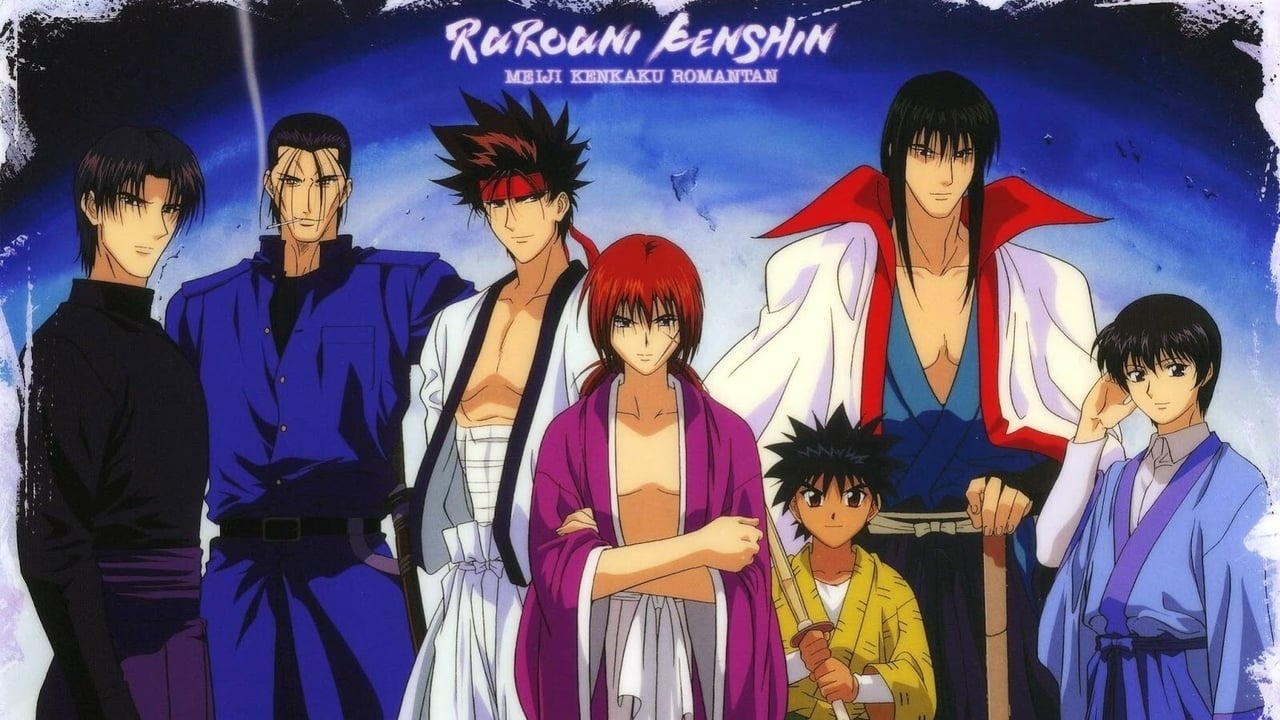
For those of us eagerly consuming anime on often blurry, fan-subtitled VHS tapes or patiently waiting for official releases from companies like Media Blasters back in the day, a Kenshin movie was a significant event. The TV series, with its blend of thrilling sword fights, historical backdrop, and surprising emotional depth, was a cornerstone. Seeing Kenshin, Kaoru, Sanosuke, and Yahiko transition to a feature format, even one penned specifically for the screen by Yukiyoshi Ohashi, carried a certain weight, a promise of maybe grander animation and a more focused, perhaps darker, storyline.
Ghosts of the Revolution
The film finds Kenshin and his friends visiting Yokohama, where they encounter Shigure Takimi, a former samurai harbouring a deep grudge connected to the Bakumatsu era – the violent twilight of the Shogunate where Kenshin earned his "Battosai" moniker. Shigure leads a group planning to overthrow the Meiji government, blaming them for the betrayal and death of his friend and fellow patriot, Gentatsu Takatsuki, during the war. The twist? Kenshin himself was the one who killed Gentatsu, adding another layer of tragic irony and personal responsibility to the wandering swordsman's already heavy burden.
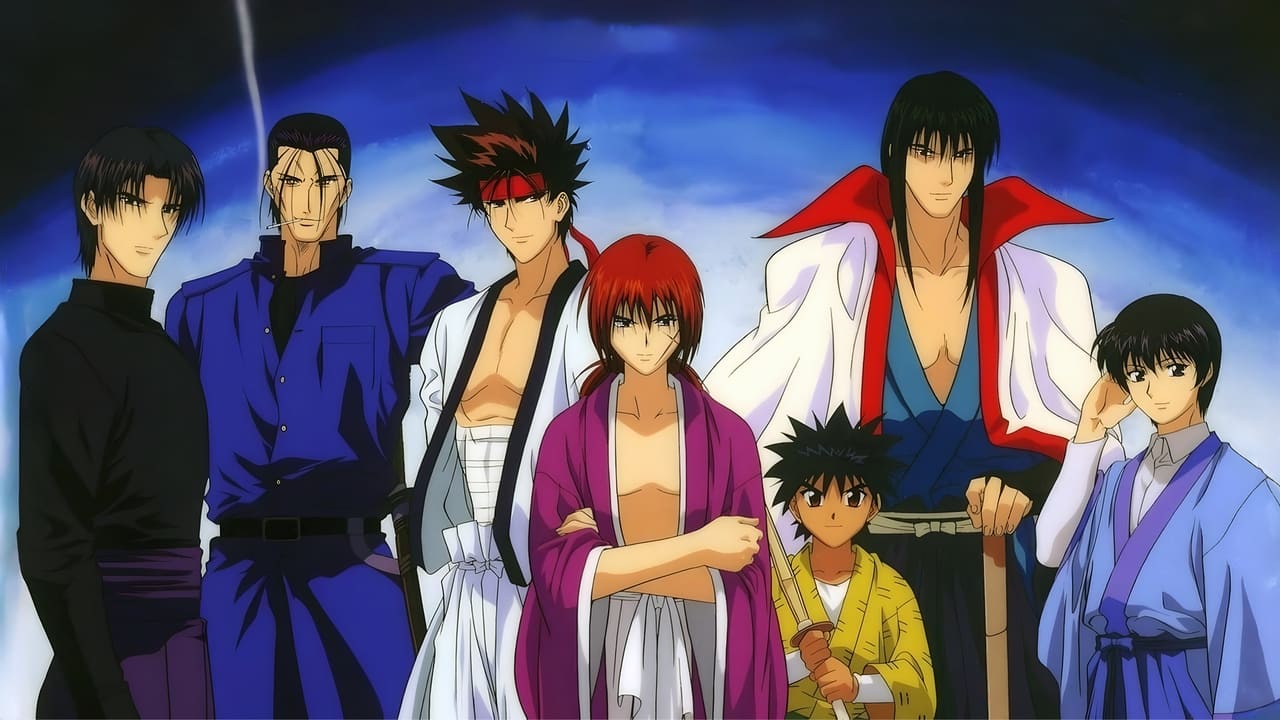
What Requiem does effectively is tap into the core tragedy of Kenshin Himura: the past is never truly past. It clings to him, shapes his vow never to kill again, and constantly tests his resolve. Shigure isn't just a villain; he's a walking, talking embodiment of the consequences of Kenshin's former life, another soul scarred by the revolution Kenshin helped win. The film asks, can reconciliation ever truly happen when the wounds are so deep? How does one build a peaceful future on foundations soaked in blood? These aren't light questions, and the film treats them with appropriate gravity, even if the plot mechanics feel somewhat familiar to seasoned Kenshin viewers.
The Familiar Voice of Regret
A huge part of the film's resonance, much like the series, comes from the exceptional voice cast returning to their roles. Mayo Suzukaze as Kenshin is Kenshin. Her performance captures that unique blend of profound gentleness ("oro?") and the chilling echo of the ruthless killer he once was. It’s a voice that carries the weight of history, making lines about atonement feel utterly genuine. Hearing her alongside Miki Fujitani's earnest Kaoru and Yuji Ueda's boisterous but loyal Sanosuke provides immediate comfort and authenticity. They ground the film, ensuring that even with a movie-original antagonist, the emotional core remains firmly rooted in the characters we know.
Interestingly, Nobuhiro Watsuki, the original manga creator, is credited with the "original story," but the screenplay itself diverged. This perhaps explains why Requiem feels adjacent to the main narrative rather than essential to it. It explores familiar themes but doesn't fundamentally alter the trajectory established in the manga or the best parts of the TV series. It slots neatly into that space after the intense Kyoto arc, offering a moment of reflection before the series veered into less critically acclaimed territory.
A Cel-Animated Time Capsule
Visually, Requiem for the Ishin Patriots, directed by Hatsuki Tsuji (who also directed episodes of the TV series), is very much a product of its time. The animation is a noticeable step up from the weekly TV show budget, particularly in the action sequences which have a welcome fluidity and impact. However, it lacks the truly cinematic, high-budget polish seen in some other theatrical anime of the era or the later, moodier Kenshin OVAs. This isn't a criticism, merely an observation – it possesses that distinct, hand-drawn cel animation look that defined so much 90s anime. There's a certain warmth and texture to it that modern digital animation, for all its crispness, sometimes lacks. Watching it now evokes that specific feeling of late 90s anime – the character designs sharp, the colours often bold, the backgrounds detailed but not overly complex.
Did you ever track down the VHS for this one? I remember finding the Media Blasters release at a Suncoast Video, feeling like I'd unearthed a treasure. It wasn't the epic many hoped for, perhaps, but it was more Kenshin, and back then, that was often enough. The plot, while engaging, doesn’t quite reach the dramatic heights of Shishio’s saga, and Shigure, while sympathetic, feels like a variation on themes explored with other antagonists who couldn't let go of the past. Yet, the final confrontation carries emotional weight precisely because of Kenshin's established character and Suzukaze's performance.
Final Reflection
Rurouni Kenshin: Requiem for the Ishin Patriots is a solid, enjoyable entry in the franchise, particularly for existing fans. It serves as a poignant side story, reinforcing the central themes of atonement and the inescapable shadows of the past that define Kenshin's journey. While it doesn't innovate drastically or reach the narrative peaks of the series' best arcs or the later OVAs, it delivers a satisfying Kenshin experience with strong voice work and action.
Rating: 7/10
This score reflects a film that successfully captures the essence of its source material and beloved characters, delivering a worthwhile, emotionally resonant story within the familiar framework. It's elevated by the stellar voice cast and serves as a nostalgic snapshot of 90s anime filmmaking, even if it doesn't quite achieve timeless classic status on its own merits. It remains a worthy watch, a reminder that even in supposed peace, the echoes of war linger, demanding their own requiem.