The Brave Little Toaster to the Rescue
It felt like finding a hidden track on a favorite cassette tape. Ten years after the surprisingly poignant, occasionally terrifying journey of our favorite household appliances in The Brave Little Toaster (1987), suddenly there it was on the video store shelf: The Brave Little Toaster to the Rescue (1997). A sequel? After all this time? It was the kind of discovery that sparked immediate curiosity, maybe a flicker of apprehension. Could it recapture the quirky magic of the original, or was this just another direct-to-video oddity destined for the discount bin? Slipping that tape into the VCR felt like catching up with old friends, albeit friends made of chrome, wires, and warm filament.
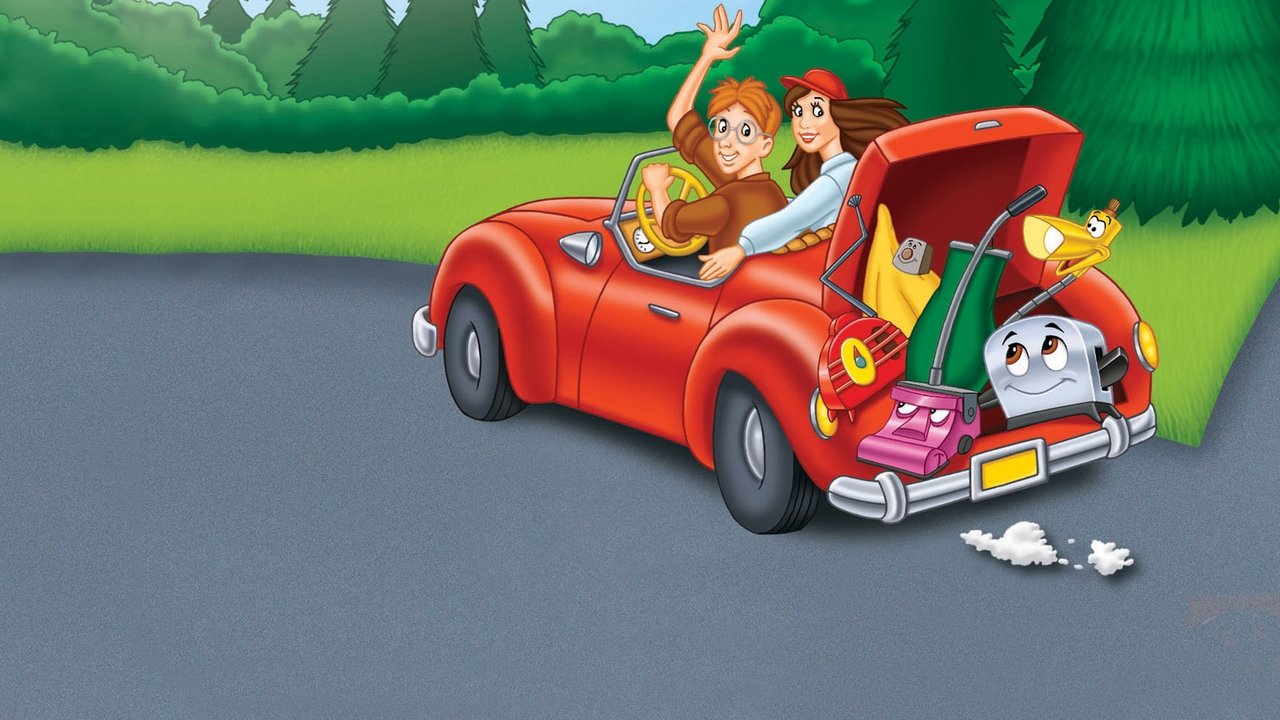
A New Home, A New Mission
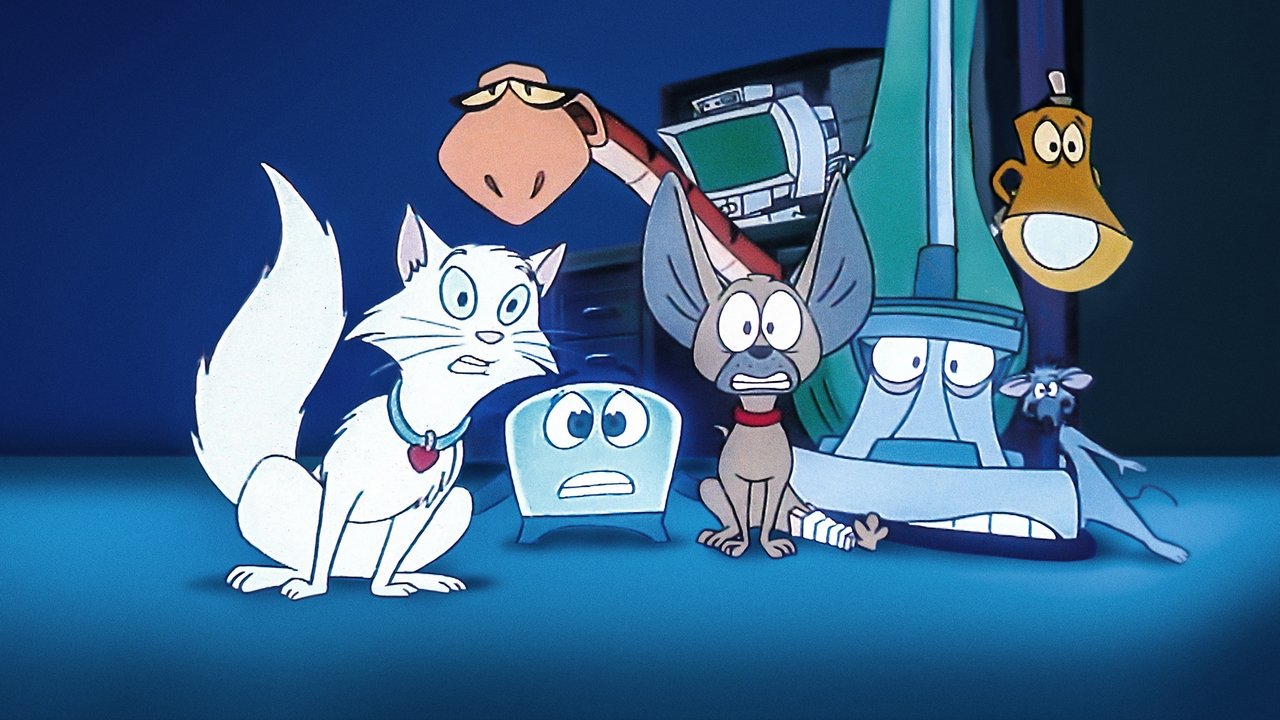
This time, our intrepid gang – the ever-optimistic Toaster (voiced again by Deanna Oliver, who ironically voiced Toaster in the original film’s early demo!), the endearingly dim Lampy (Timothy Stack, reprising his role), the grumpy vacuum Kirby, the insecure Blanky (voiced here by Eric Lloyd, familiar as Charlie from The Santa Clause), and the boisterous Radio (Roger Kabler, stepping in for Jon Lovitz) – aren't trekking across country. They're settled in with their beloved "Master," Rob, now a veterinary student. The domestic bliss is short-lived, however, when they uncover a plot involving stolen animals destined for a sinister testing laboratory. The mission shifts from finding home to saving others, adding a surprisingly mature theme of animal rights to the mix. It's a noble cause, certainly, but one that immediately signals a different kind of adventure than the original's existential road trip.
Familiar Faces, New Voices (and Furry Friends)
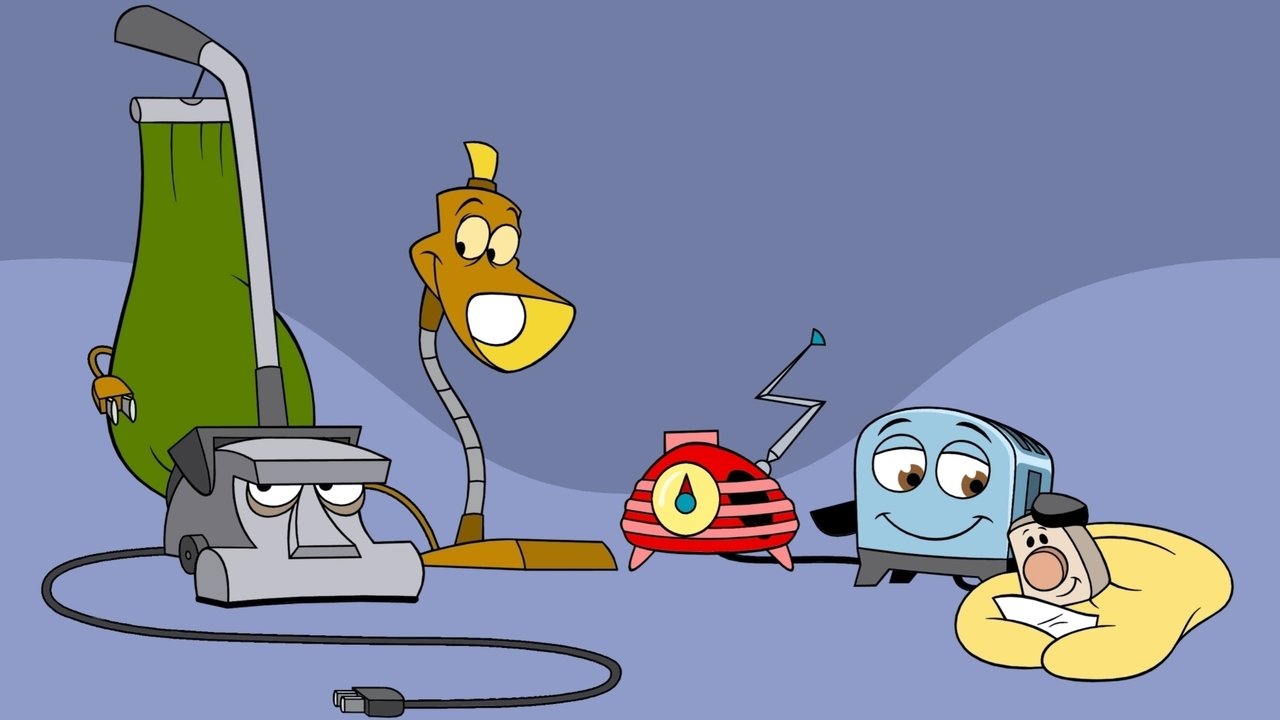
Part of the charm (and sometimes, the slight disconnect) of these late sequels is hearing familiar characters with slightly altered voices. While Oliver and Stack provide welcome continuity, the absence of some original cast members is noticeable, though the new actors do capable work. The heart of the film, as before, lies in the interactions between these devoted appliances. Their bickering, camaraderie, and unwavering loyalty to each other and their Master remain the core appeal. The addition of animal characters – including a wise old ape voiced by veteran actor Brian Doyle-Murray and a snarky cat named Maisie – expands the ensemble, though perhaps dilutes the focus on our core group somewhat compared to the original's tighter dynamic.
Direct-to-Video Reality and Hidden Talents
Let's be honest, the direct-to-video boom of the 90s often meant compromises. To the Rescue doesn't quite boast the same fluid, sometimes hauntingly beautiful animation of its predecessor. The budget constraints are occasionally visible, lending it a slightly flatter look typical of many DTV animated features of the era. Yet, beneath the surface, there's some significant talent involved. The film was penned by Willard Carroll, who wrote the novella the original film was based on, ensuring a connection to the source material's spirit. Perhaps more notably, the screenplay is co-credited to the legendary Joe Ranft. Yes, that Joe Ranft, the Pixar story mastermind who worked on classics like Toy Story (1995), A Bug's Life (1998), and co-directed Cars (2006). Knowing a giant like Ranft had a hand in this smaller sequel adds a fascinating layer – you can almost spot his touch in some of the character moments and witty exchanges.
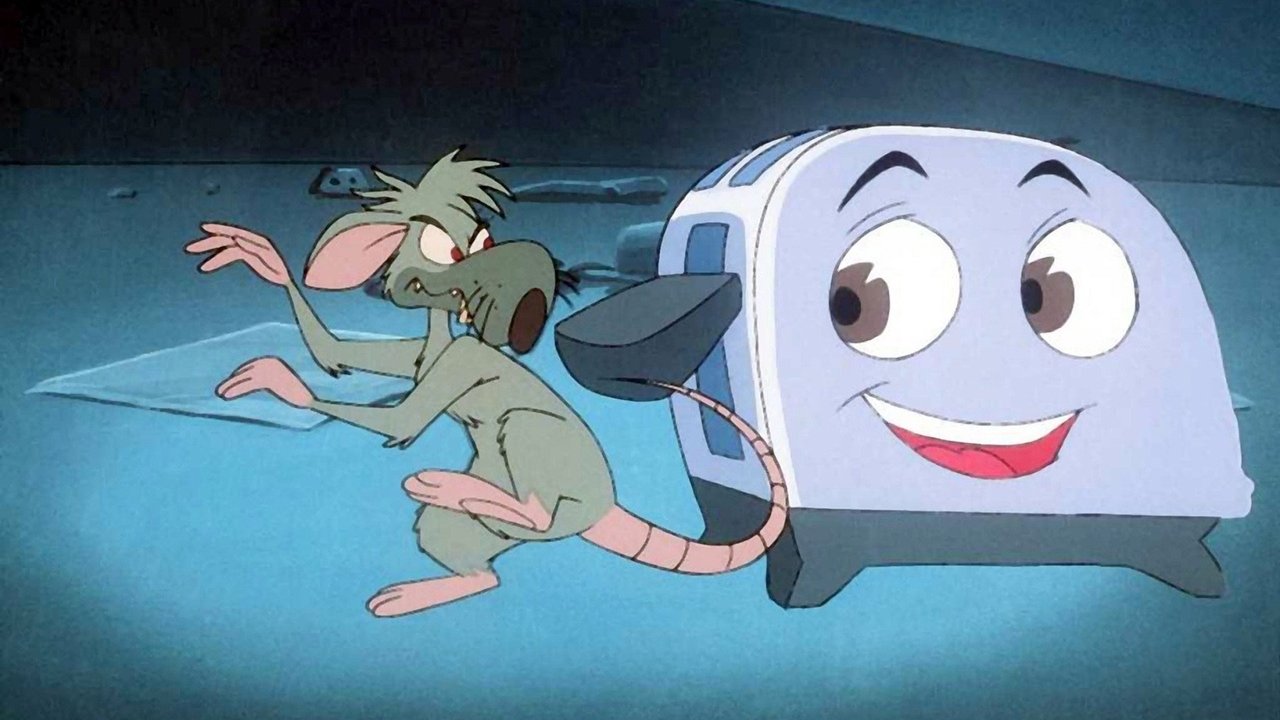
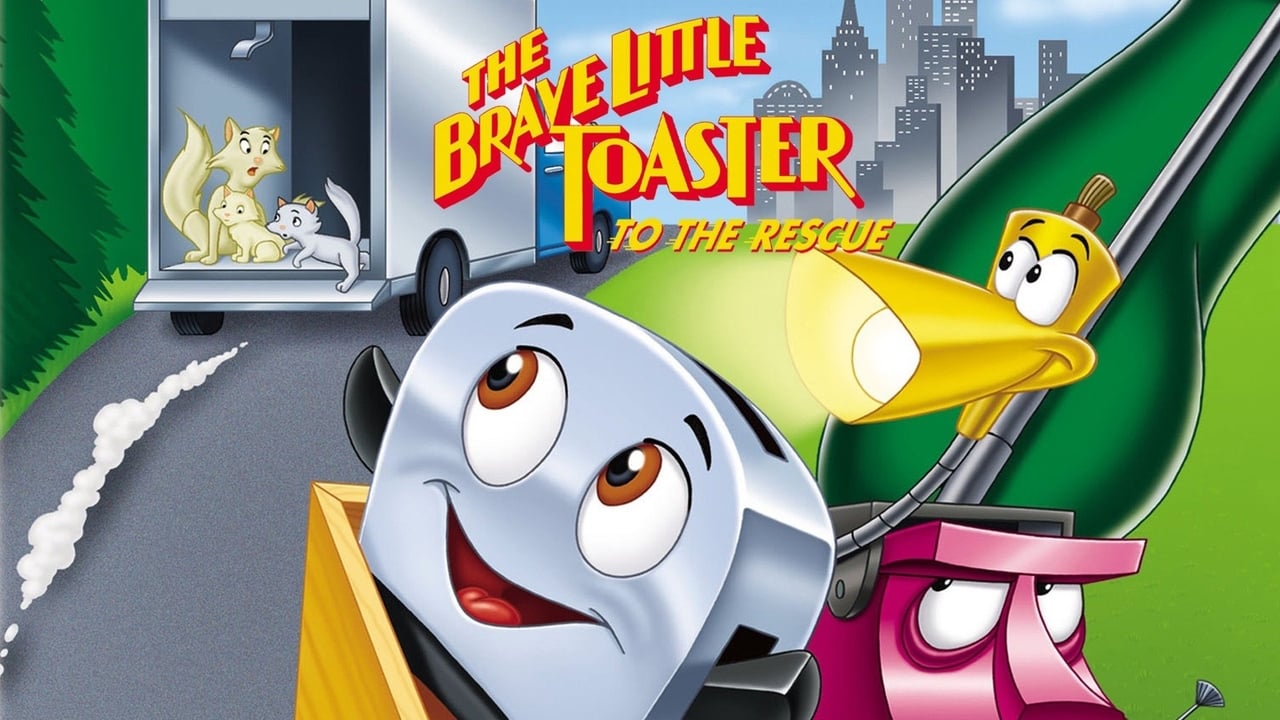
Interestingly, To the Rescue has a slightly confusing production history. It was actually produced after the third film in the series, The Brave Little Toaster Goes to Mars (1998), but released first. This concurrent production schedule might explain some of the shared aesthetic and perhaps why neither sequel quite hit the unique, melancholic highs of the 1987 original. They feel more like companion pieces, designed to extend the brand for the home video market, rather than essential continuations. Still, the plot tackling animal experimentation was a bold choice for a children's film, echoing the original's willingness to touch upon darker themes like abandonment and obsolescence.
Does It Still Spark Joy?
Watching The Brave Little Toaster to the Rescue today is a different experience. The animation might look dated, the plot perhaps a touch predictable compared to modern animated fare. Yet, there's an undeniable warmth here. It's gentler than the often surprisingly stark original, focusing more squarely on adventure and heroism. The core message of loyalty and bravery shines through, and the inherent charm of seeing everyday objects imbued with such personality remains potent. It lacks the artistic ambition and emotional depth of the first film, feeling decidedly more "for kids" than its sometimes unsettling predecessor. But as a Saturday afternoon watch, a nostalgia trip back to the era of video rentals and simpler animated tales, it still offers a comforting, familiar glow.
Rating: 6/10
The Brave Little Toaster to the Rescue earns a solid 6. It doesn't recapture the lightning-in-a-bottle magic or the surprising emotional weight of the 1987 original, suffering a bit from typical direct-to-video constraints in animation and scope. However, the returning characters are still endearing, the voice work is decent (especially from the returning actors), and the involvement of talents like Joe Ranft elevates it slightly above a mere cash-in. The animal rescue plot provides a clear, if less unique, adventure with positive themes. It’s a pleasant, harmless sequel that offers a dose of nostalgia, even if it doesn't quite shine as brightly as its namesake.
It might not be the first tape you reach for when reminiscing about the Toaster and friends, but finding it again is like rediscovering a comfy old blanket – maybe not high art, but certainly capable of providing a warm, fuzzy feeling.