The flickering glow of the CRT barely illuminates the room, the only sound the whir of the VCR and the distant, ominous rumble from the speakers. On screen, a train hurtles through a stark, snowy landscape, carrying not just passengers, but the seeds of global annihilation. This wasn't some far-fetched fantasy; this was the chillingly plausible nightmare fuel of the late 90s, and The Peacemaker (1997) delivered it with a tense, kinetic energy that could leave you checking the locks on your doors. Forget ghosts or ghouls; the real fear here was human, calculated, and devastatingly portable.
### DreamWorks' Opening Salvo
Remember the buzz when DreamWorks SKG launched? Spielberg, Katzenberg, Geffen – a Hollywood trifecta promising a new era. The Peacemaker was their very first theatrical release, a statement of intent dropped onto screens in September '97. Directed by Mimi Leder, who Spielberg had reportedly hand-picked after being impressed by her dynamic work on ER, the film carried the weight of expectation. With a hefty $50 million budget (around $95 million today), it needed to make a splash, and its eventual $110 million worldwide gross ($210 million adjusted) marked a solid, if not earth-shattering, start for the fledgling studio. It signaled a commitment to grounded, adult-oriented action thrillers, a niche that felt increasingly relevant in the uncertain post-Cold War landscape.
### The Ticking Clock Incarnate

The plot itself is pure 90s thriller gold: rogue Russian elements steal decommissioned nuclear warheads. One is detonated in a remote region as a terrifying demonstration, leaving nine unaccounted for. Enter Dr. Julia Kelly (Nicole Kidman), a sharp White House nuclear expert thrust into the field, and Lt. Col. Thomas Devoe (George Clooney), a charismatic but rule-bending Special Forces intelligence officer. Their reluctant partnership forms the core of the desperate hunt for the remaining bombs, particularly one small enough to fit in a backpack, now in the hands of Bosnian Serb terrorist Dusan Gavrić (Marcel Iureș), a man driven by inconsolable grief and seeking vengeance on a world stage – specifically, New York City.
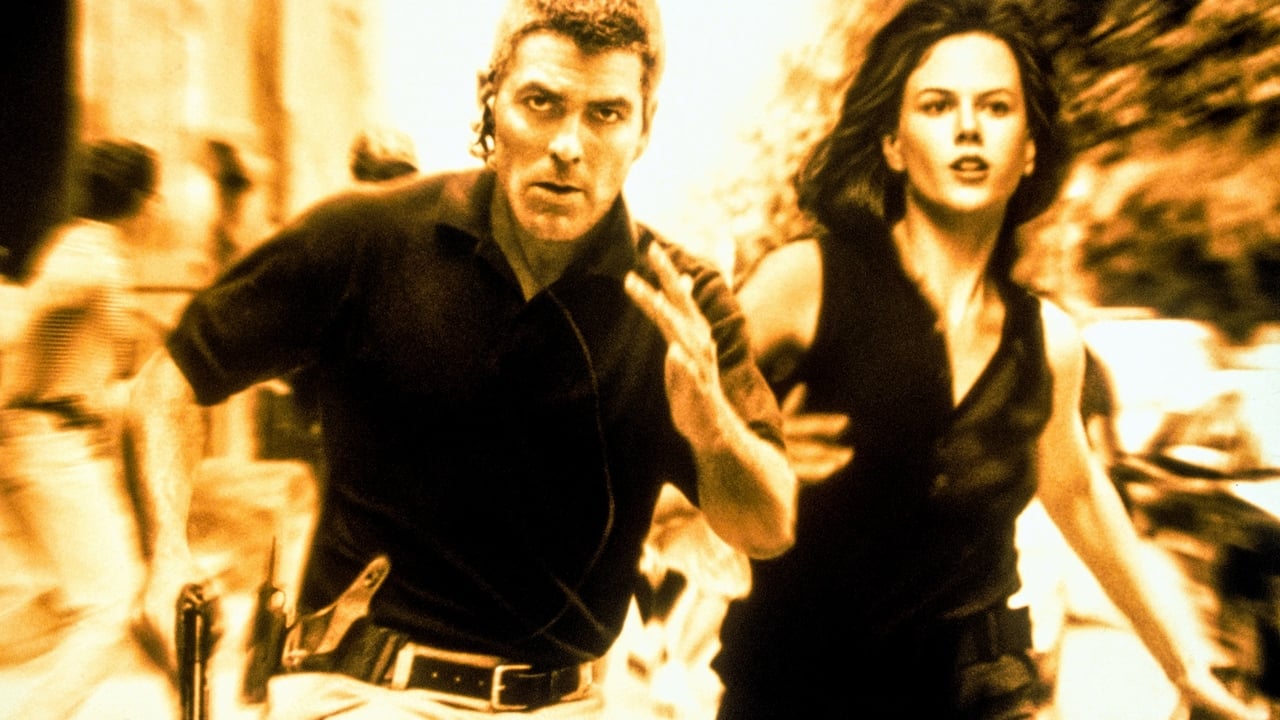
Mimi Leder infuses the proceedings with a restless urgency. Her camera rarely sits still, employing handheld shots and swift cuts that mirror the characters' frantic race against time. She wasn't afraid to show the grit and the chaos – the visceral aftermath of the initial blast, the brutal efficiency of the train heist, the collateral damage in crowded European streets. This wasn't sanitized action; it felt tangible, messy, and grounded in a way that amplified the central threat. The score by the legendary Hans Zimmer, already building his signature sound, underpins the tension with driving percussion and moments of stark, unsettling quiet. It’s a soundtrack that doesn’t just accompany the action; it fuels the anxiety.
### Clooney Takes Aim, Kidman Takes Charge
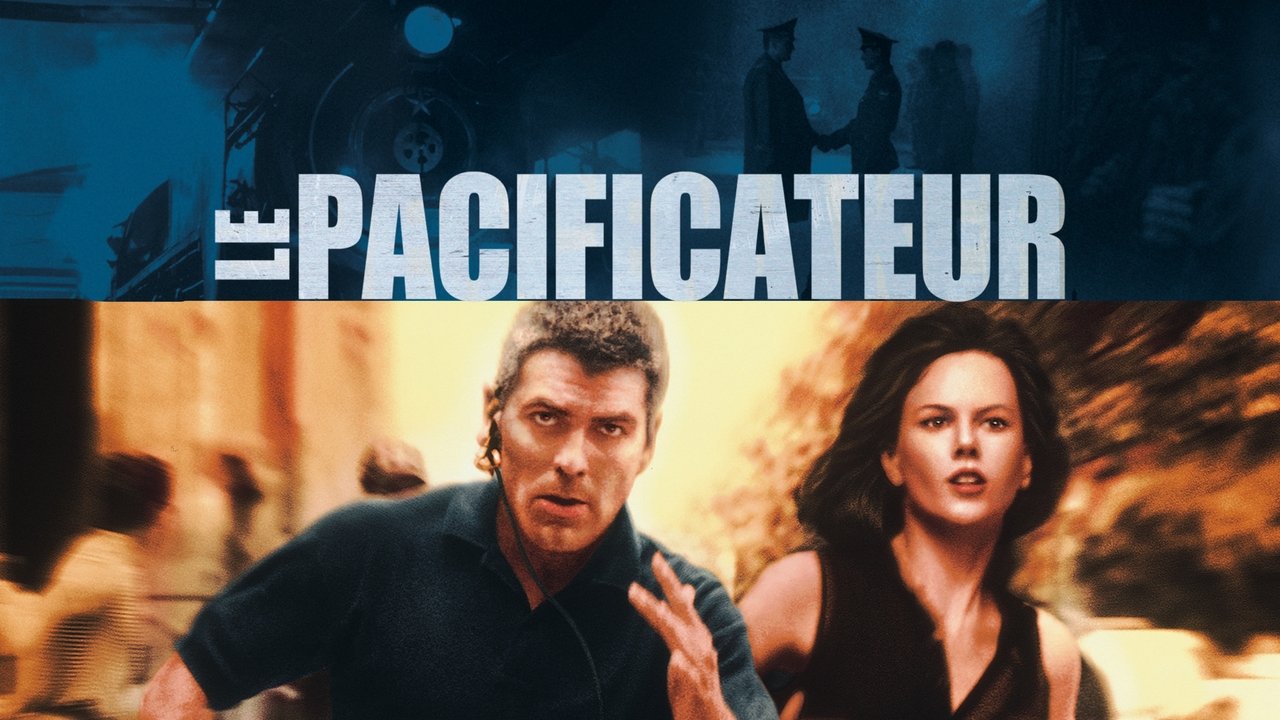
This was a pivotal moment for George Clooney. Fresh off the massive success of ER and testing the waters of movie stardom with films like From Dusk Till Dawn (1996), The Peacemaker presented him as a potential leading action man. He brings his signature charm and intensity, though perhaps still finding his footing between TV doctor and rugged military operative. There are moments where the wisecracks feel a touch forced, but his physical commitment sells the action beats. It’s interesting to look back, knowing his career trajectory would soon lean more towards sophisticated dramas and heist flicks than pure shoot-'em-ups.
Nicole Kidman, already an established star, provides the intellectual counterpoint. Dr. Kelly isn't just window dressing; she’s competent, driven, and often the one piecing together the puzzle while Devoe handles the wetwork. Their dynamic isn't built on overt romance but on grudging respect and shared desperation. Kidman embodies the professional navigating a world of military machismo and geopolitical brinkmanship. And a chillingly effective performance comes from Romanian actor Marcel Iureș as Gavrić. He imbues the villain with a palpable sense of loss and righteous fury, making his motivations understandable, even as his methods are horrifying. He’s not a cartoon caricature; he’s a tragically broken man turned into a weapon, which makes him far more unsettling.
### Gritty Streets and Practical Mayhem
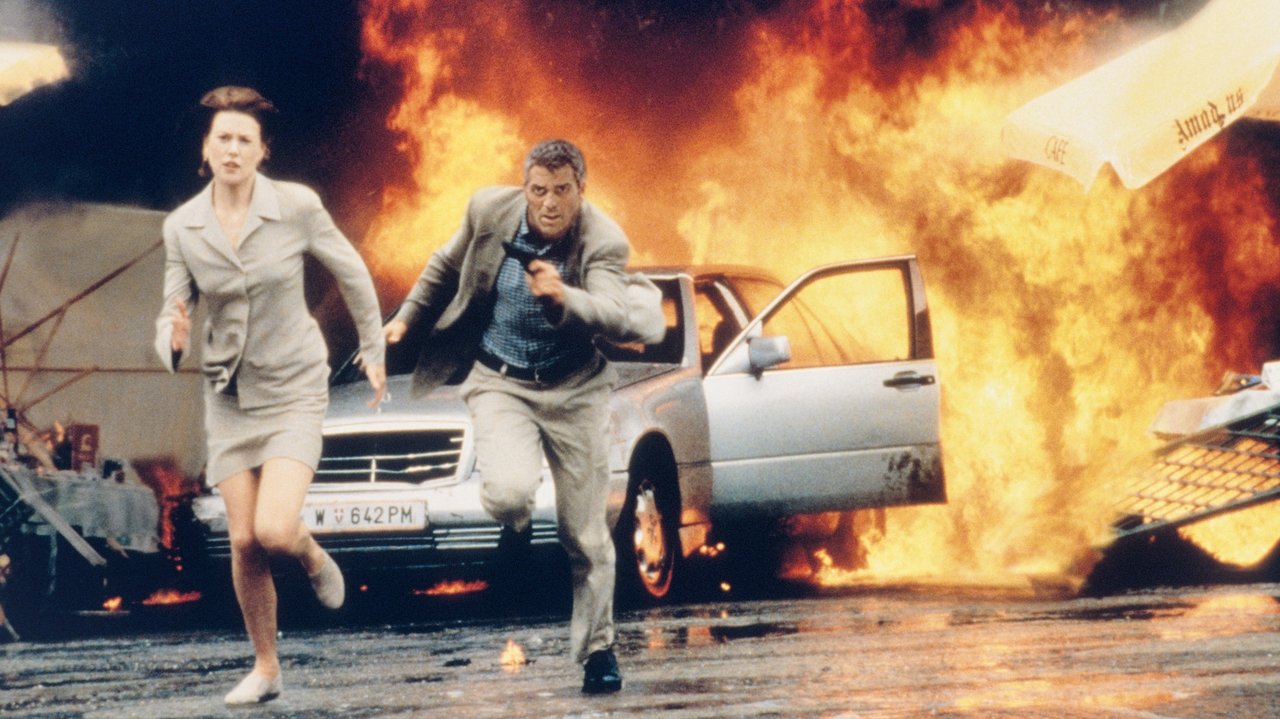
What holds up remarkably well is the film's commitment to practical action sequences. The intricate train robbery, the tense border crossing shootout, and particularly the extended chase through Vienna feel visceral and real. You sense the impact, the speed, the danger to bystanders. Remember watching that Mercedes weave through traffic, metal crunching, glass shattering? That kind of grounded stunt work feels almost nostalgic now in the age of ubiquitous CGI. Shooting on location in places like Slovakia, Croatia, and New York adds another layer of authenticity. The film doesn't shy away from the logistical nightmare and potential carnage of a nuclear device loose in a major metropolis, culminating in a frantic, street-level climax that still manages to tighten the throat.
Behind the scenes, the production faced its own challenges coordinating these complex sequences across multiple countries, some still recovering from recent conflicts, lending an unintended layer of verisimilitude. They leaned heavily on practical effects and stunt coordination to deliver the thrills, a testament to the craft of the era.
### Legacy of a Ticking Bomb Thriller
The Peacemaker isn't a revolutionary film. It follows many familiar beats of the 90s action-thriller playbook. The plot relies on some conveniences, and the dynamic between the leads, while functional, doesn't exactly crackle with unforgettable chemistry. Yet, it remains a tightly constructed, effectively tense, and surprisingly gritty entry in the genre. It captured a specific anxiety of its time – the terrifying thought of unsecured WMDs falling into the wrong hands – and translated it into compelling popcorn entertainment. It showcased Mimi Leder's considerable talent for directing muscular action (a rarity for female directors then, and still noteworthy now) and served as an important early step in George Clooney's transition to movie stardom. Watching it again on a staticky VHS tape, that late-night chill doesn't just come from the air conditioning; it comes from the unsettling plausibility of its core premise.
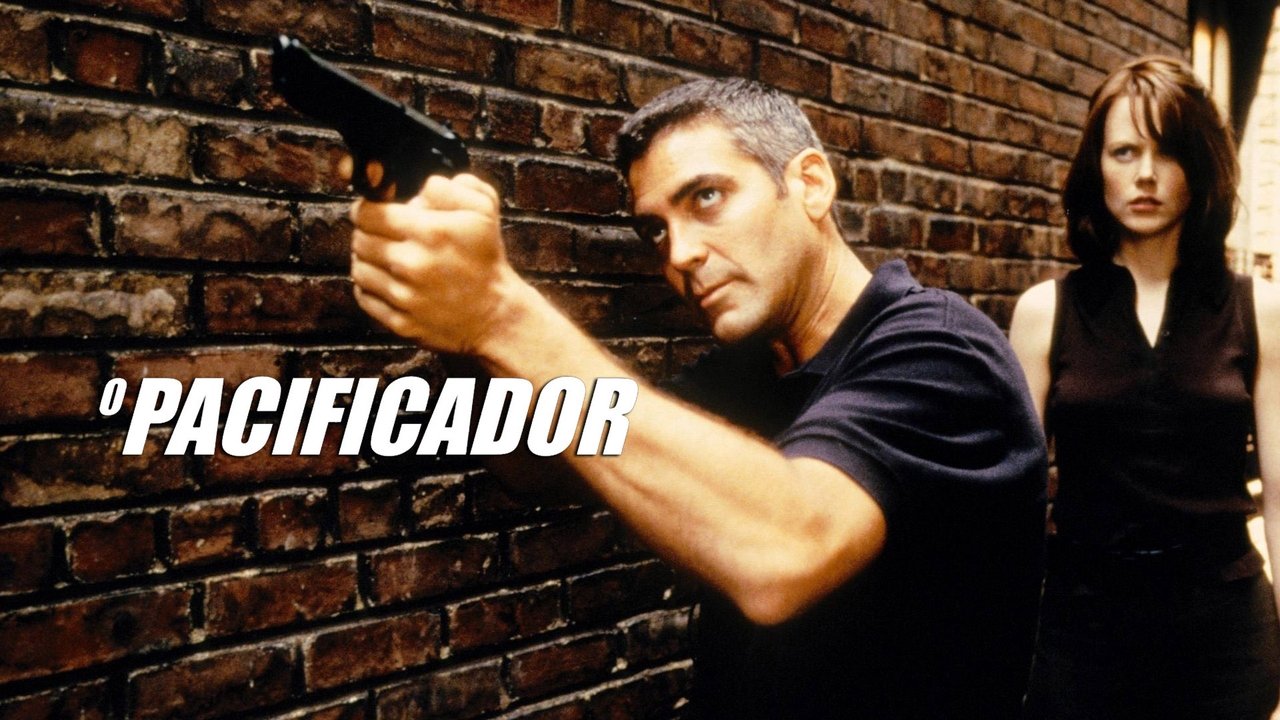
Rating: 7/10
Why this score? The Peacemaker delivers exactly what it promises: a tense, well-paced 90s action thriller with solid performances and impressive practical action sequences. Leder's direction gives it a gritty edge, and Iureș makes for a memorable villain. It's held back slightly by a somewhat formulaic plot and a central pairing that's more functional than fiery, but it remains a strong example of its type and a significant marker as DreamWorks' first feature film.
It might not be the first title that leaps to mind when discussing 90s classics, but pull that tape off the shelf, and you'll likely find The Peacemaker still packs a surprisingly effective punch, a potent reminder of the anxieties simmering beneath the surface of the decade.