The flickering glow of the cathode ray tube seemed to amplify the chill seeping from the screen. Some films just felt different watched late at night, didn't they? Clint Eastwood's 1982 techno-thriller, Firefox, was definitely one of those. It wasn't just the espionage or the state-of-the-art (for the time) aircraft; it was the palpable sense of Cold War dread, the feeling that one wrong move, one intercepted transmission, could plunge the world into darkness. The film opens not with a bang, but with the quiet desperation of a man haunted by his past, recruited for a mission that feels less like heroism and more like a suicide pact.
### A Ghost Sent into the Cold
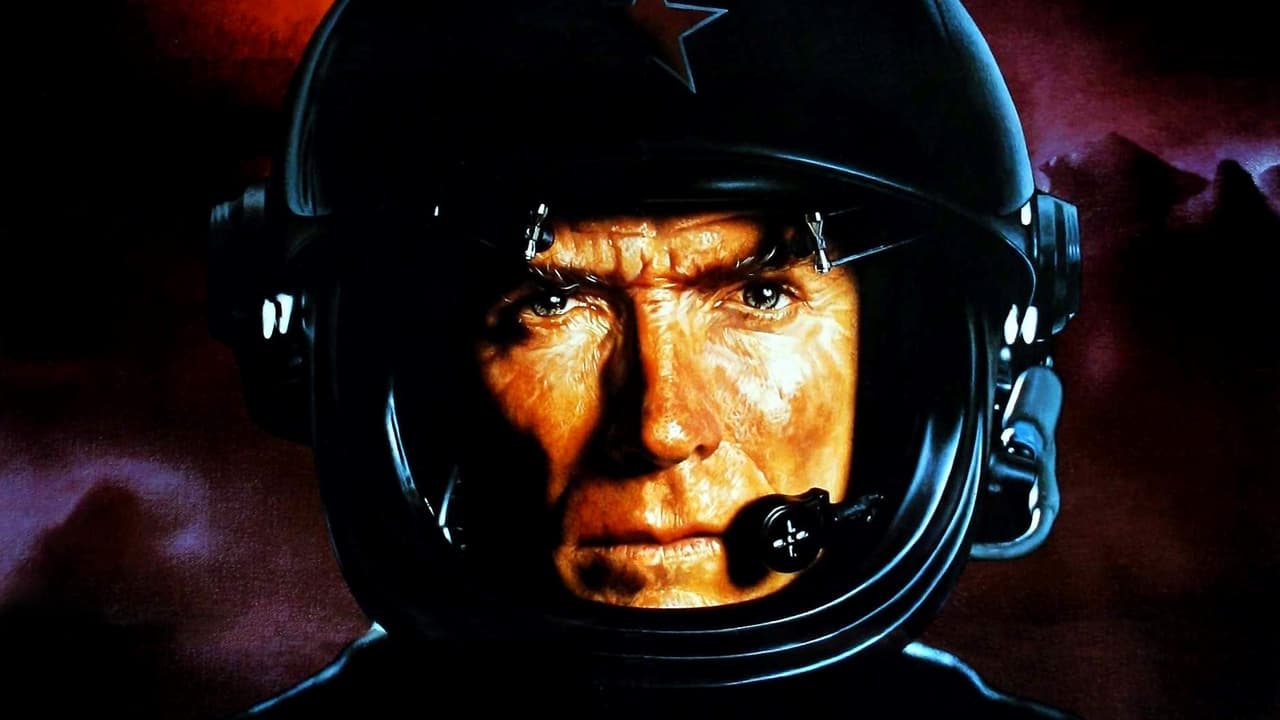
We meet Mitchell Gant (Clint Eastwood, pulling double duty as star and director), a former ace pilot wrestling with PTSD long before it was a common term in cinema. He’s living in forced seclusion, trying to outrun the ghosts of Vietnam. But the West needs him. Whispers have reached British intelligence (Freddie Jones is perfectly cast as the shrewd coordinator Kenneth Aubrey) of a Soviet super-weapon: the MiG-31, code-named "Firefox." This isn't just any fighter jet; it's supposedly invisible to radar, capable of Mach 6, and armed with weapons controlled by the pilot's thoughts. The mission, deemed impossible by nearly everyone, is simple on paper: sneak Gant into the heart of the USSR, steal the prototype, and fly it out. Simple. Right.
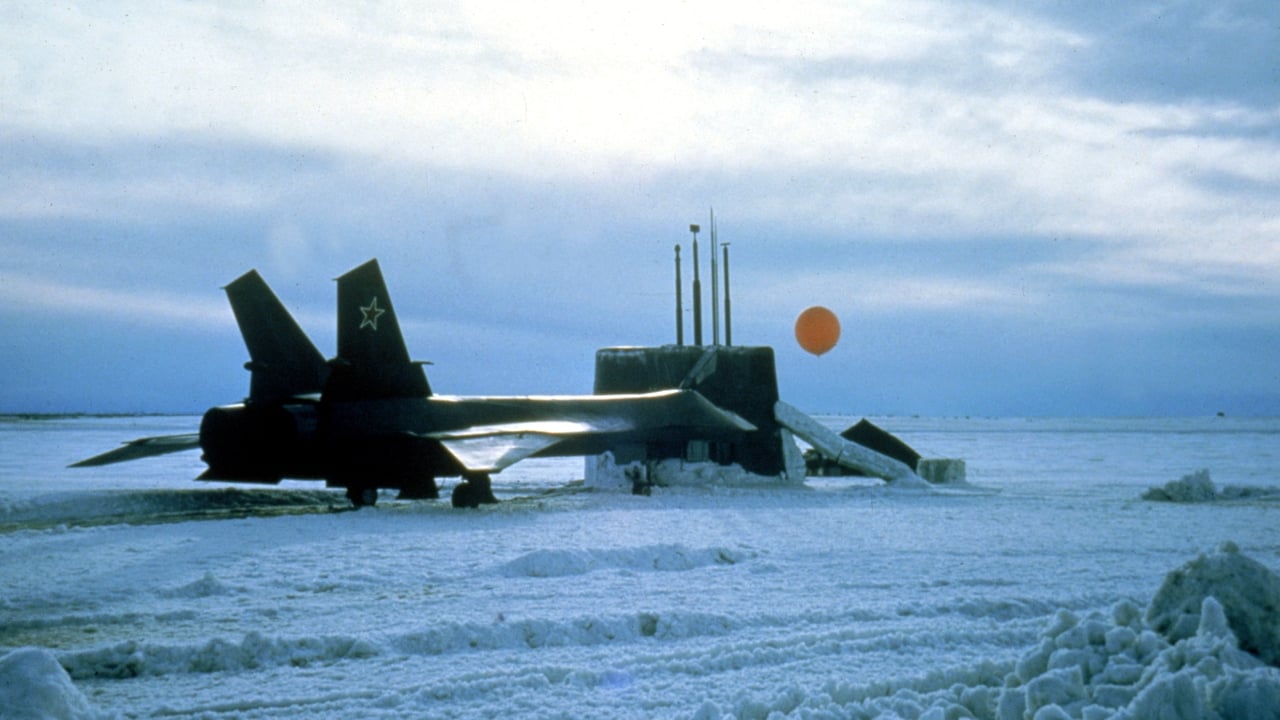
Eastwood, known for his lean, efficient filmmaking (he reportedly brought Firefox in under budget at around $21 million), crafts a film of two distinct halves. The first hour is a masterclass in slow-burn tension. It’s less action movie, more spy thriller. Gant, disguised and relying on a network of dissidents and spies (including a tense alliance with David Huffman's Captain Buckholz), navigates a landscape thick with paranoia. The grey, oppressive atmosphere of the Soviet Union is rendered effectively, even though much of it was achieved through clever location work in Vienna and Greenland substituting for the icy Russian tundra. You feel the constant threat of discovery, the weight of every furtive glance, every hushed exchange. Gant isn't the invincible action hero here; he's vulnerable, psychologically scarred, and deeply out of his element. Doesn't that grounding make the later spectacle feel more earned?
### The Machine Dream
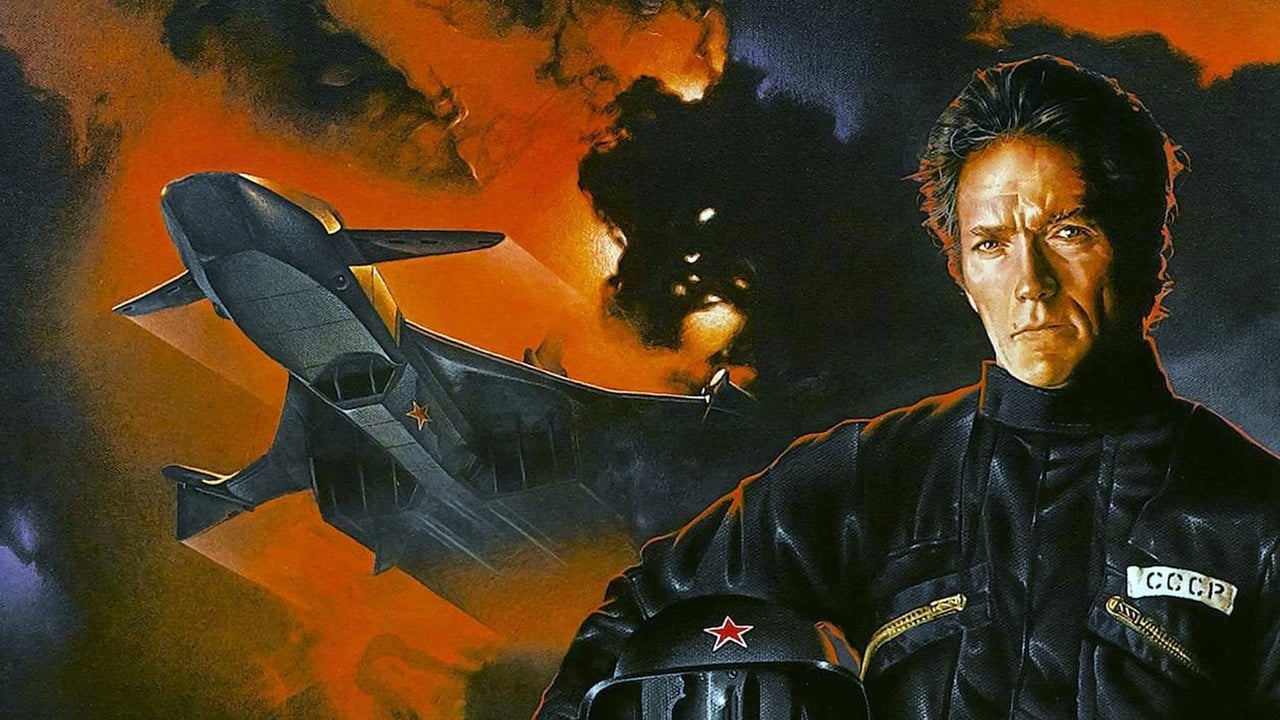
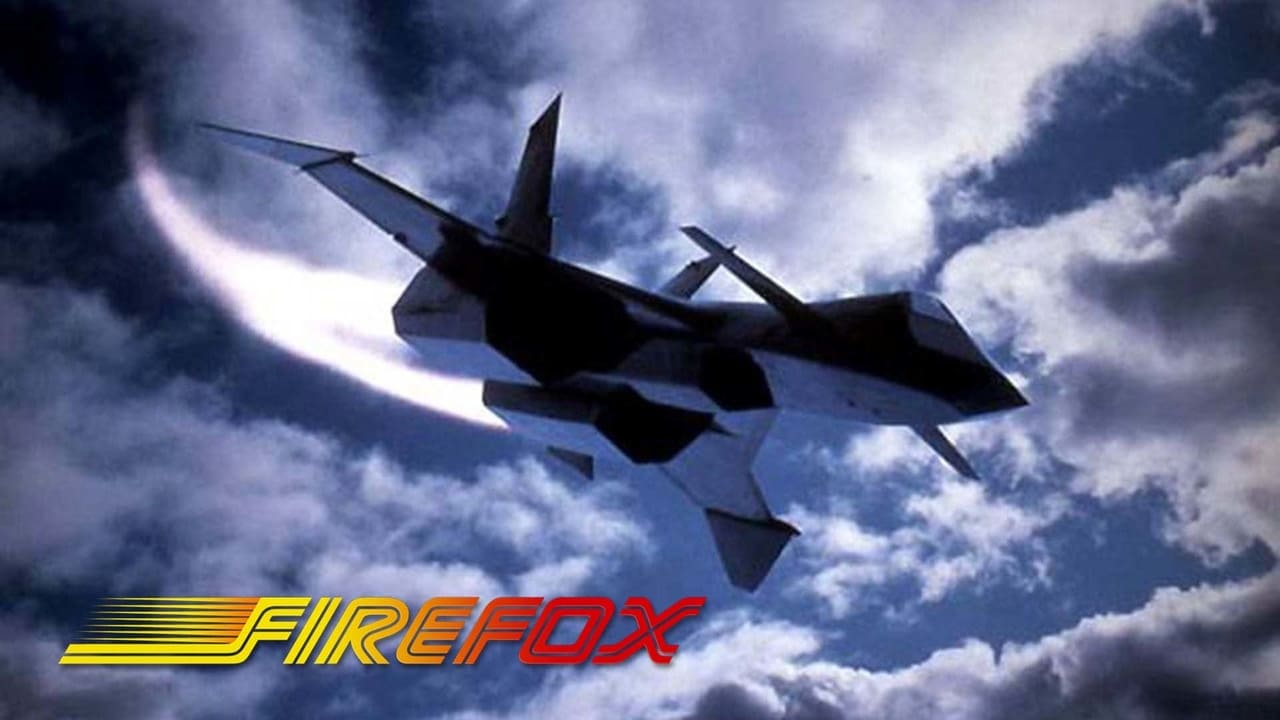
Then, there's the Firefox itself. When we finally see it, it's undeniably cool. A sleek, black arrowhead of impossible technology, it embodies the era's fascination with and fear of military advancement. The special effects, spearheaded by the legendary John Dykstra (whose groundbreaking work on Star Wars (1977) redefined visual effects), were cutting-edge for 1982. Using a combination of miniatures, matte paintings, and nascent bluescreen techniques (specifically reverse bluescreen, or "sodium vapour process," for some shots to better handle the jet's reflections), Dykstra brought the impossible aircraft to life. Watching it on VHS, those streaking lights against the dark sky, the fiery engine trails... it felt genuinely futuristic.
Of course, viewed today, the effects have that distinct early-80s patina. The bluescreen mattes can look a bit fuzzy, the model work occasionally betrays its scale. But does that diminish the thrill? For those of us who remember, it almost enhances it – a reminder of the ingenuity required before CGI rendered anything possible. There's a tangible quality to those effects, a weight that purely digital creations sometimes lack. The concept of the thought-controlled weapons ("Think in Russian!") was pure techno-fantasy gold, adding another layer of pressure onto Gant as he struggles to master the alien technology while battling his own inner demons and pursuing Soviet fighters.
### Chasing Shadows Across the Arctic
The second half shifts gears into aerial action, as Gant pilots the Firefox out of Soviet territory, engaging in dogfights and a tense cat-and-mouse game with a second prototype. The pacing quickens, the score by Maurice Jarre (composer for Lawrence of Arabia (1962) and Doctor Zhivago (1965)) swells, and Eastwood delivers the spectacle promised by the premise. There are moments of genuine exhilaration – the low-level flight across the icy wastes, the mid-air refueling sequence, the final confrontation. It taps into that classic Cold War narrative: lone Western hero versus the monolithic Soviet machine.
Interestingly, the original Craig Thomas novel spawned several sequels, continuing Gant's adventures, though none made it to the screen. Perhaps the $46.7 million domestic gross, while respectable, wasn't quite the blockbuster return needed to justify a follow-up in an era increasingly dominated by franchises like Star Wars and Indiana Jones. Firefox remains a standalone artifact of its time – a serious-minded thriller wrapped around a sci-fi concept.
### Final Approach
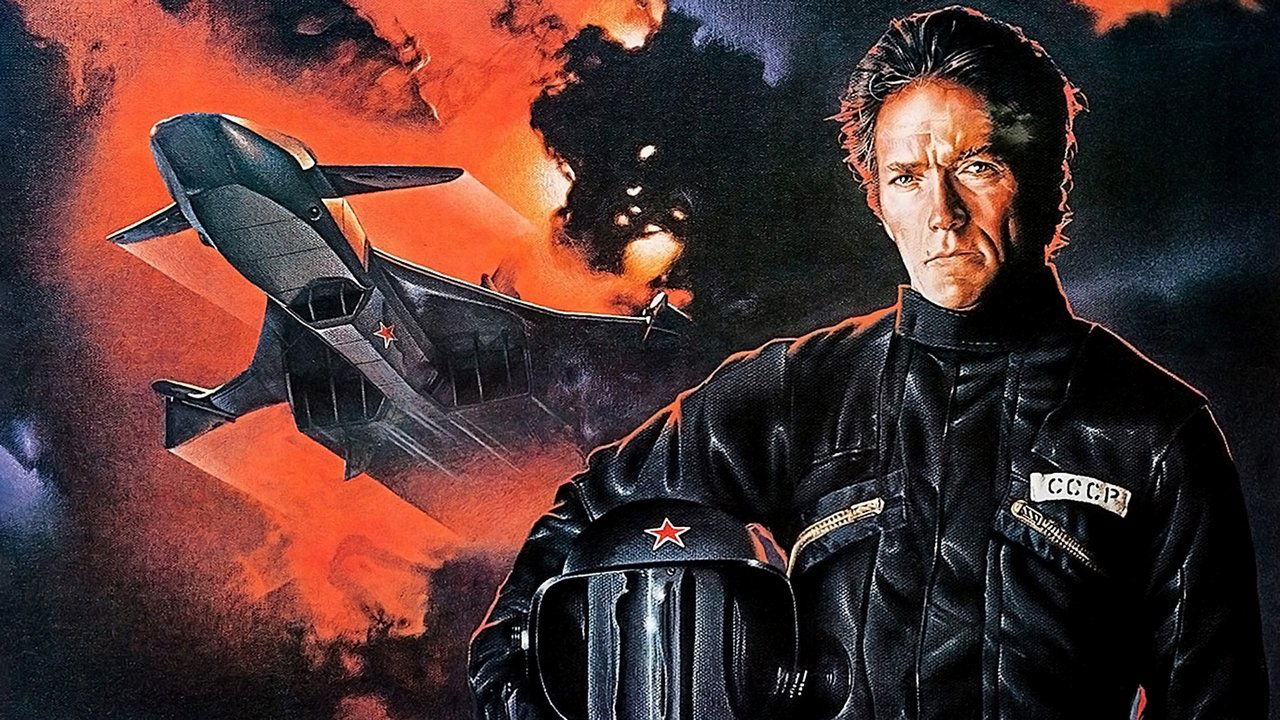
Firefox isn't perfect. The pacing might test modern attention spans, particularly the lengthy espionage setup. Some supporting characters feel underdeveloped. But its strengths are undeniable: Eastwood's typically stoic but layered performance, the suffocating atmosphere of the first half, the genuinely impressive (for its day) visual effects work bringing the titular jet to life, and the gripping Cold War premise. It captures a specific moment in time, a blend of geopolitical anxiety and technological fantasy that felt intensely relevant. Renting this tape from the local video store often meant settling in for a tense couple of hours, the whirring VCR a counterpoint to the on-screen suspense.
Rating: 7/10
The score reflects a film that excels in building tension and atmosphere, features a compelling central concept, and showcases ambitious practical effects work for its era. While the second half leans more conventional and the effects are dated, the overall experience remains a strong example of the Cold War techno-thriller genre, anchored by Eastwood's steady hand both in front of and behind the camera. It may not soar quite as high today, but Firefox still offers a thrilling, nostalgic flight back to the anxieties and aspirations of the early 80s. It's a reminder that sometimes, the most terrifying weapons are the ones we imagine just beyond the horizon.