Okay, fellow tapeheads, gather 'round the flickering glow of the metaphorical CRT. Tonight, we're pulling a slightly less-dusted, perhaps slightly unexpected gem from the back shelves of the late 90s rental store: Vincenzo Salemme's 1998 Italian comedy, My Best Friend's Wife (originally L'amico del cuore). Forget the explosive squibs and tyre-screeching chases for a moment; this is a different kind of 90s energy – the manic, door-slamming, increasingly absurd velocity of classic farce, served up with a distinctly Neapolitan flavour. Finding this one tucked away felt like discovering a secret handshake, a movie operating on its own hilarious, slightly frantic wavelength.
### From Stage to Screen Shenanigans
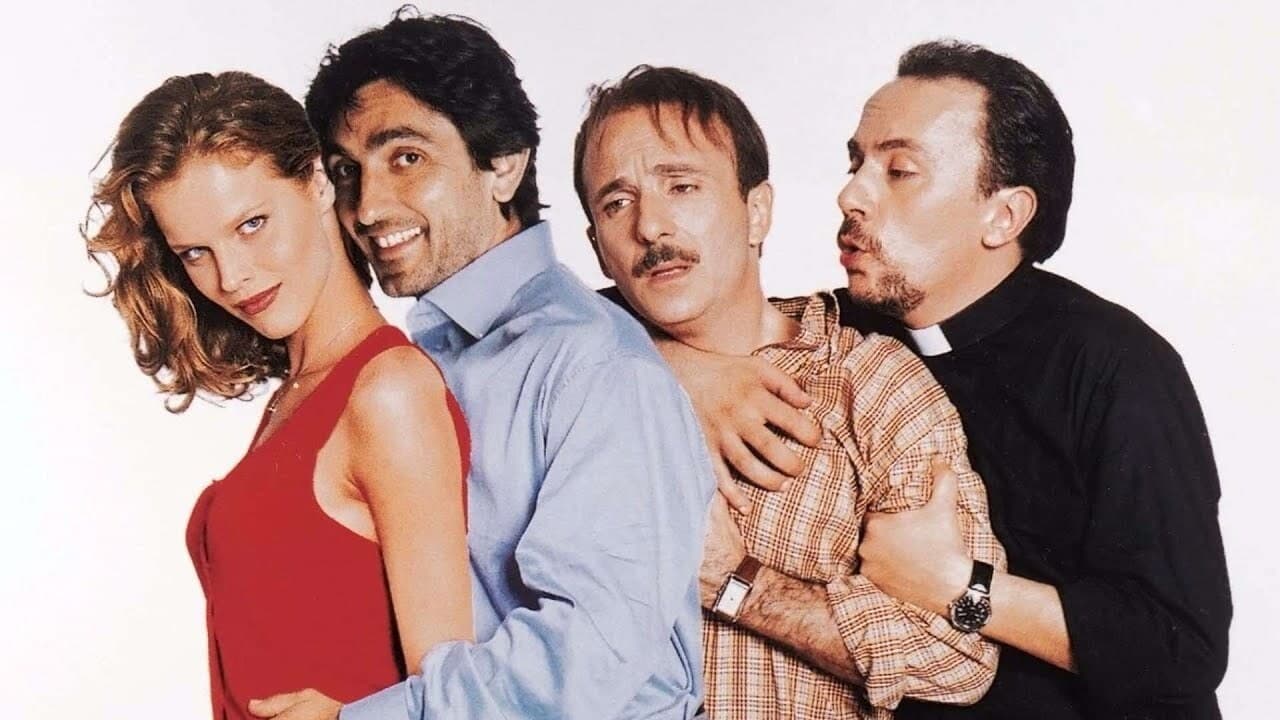
Right off the bat, you feel the theatrical DNA pulsing through this film. It’s no accident – My Best Friend's Wife was adapted by Salemme himself from his own hugely successful stage play. Salemme, who also writes, directs, and stars, is a force of nature in modern Neapolitan theatre and comedy, and you can see his fingerprints all over this. He plays Roberto, a slightly hypochondriac, middle-aged doctor facing potentially life-threatening heart surgery. His biggest fear? Dying a virgin. His outrageous solution? Ask his lifelong best friend, Michele (played with pitch-perfect exasperation by the brilliant Carlo Buccirosso), for the ultimate favour: a night with Michele's stunningly beautiful wife, Frida.
This wasn't just some small stage show blown up for the screen, either. The play L'amico del cuore had been a massive hit in Italy, cementing Salemme's reputation. Bringing it to film was a logical step, aiming to capture that lightning in a bottle for a wider audience. And capture it they did – the film was a significant box office success in Italy, grossing over 15 billion lire (that's old-school currency!), proving that Salemme's brand of regional, character-driven humour had broad appeal.
### The Ultimate (and Most Awkward) Request
The core premise is pure farce fuel. Roberto’s desperate, mortality-tinged plea throws Michele into a tailspin of loyalty, disbelief, and marital panic. Salemme and Buccirosso, who frequently collaborated, have an incredible comedic chemistry. Their rapid-fire dialogue, simmering resentments, and moments of genuine (if misguided) affection feel lived-in and authentic, even amidst the escalating absurdity. You can almost hear the laughter track from the original theatre audience bleeding through the speakers. Remember how some comedies just felt faster back then, less reliant on slow burns and more on rat-a-tat timing? This film has that energy in spades.
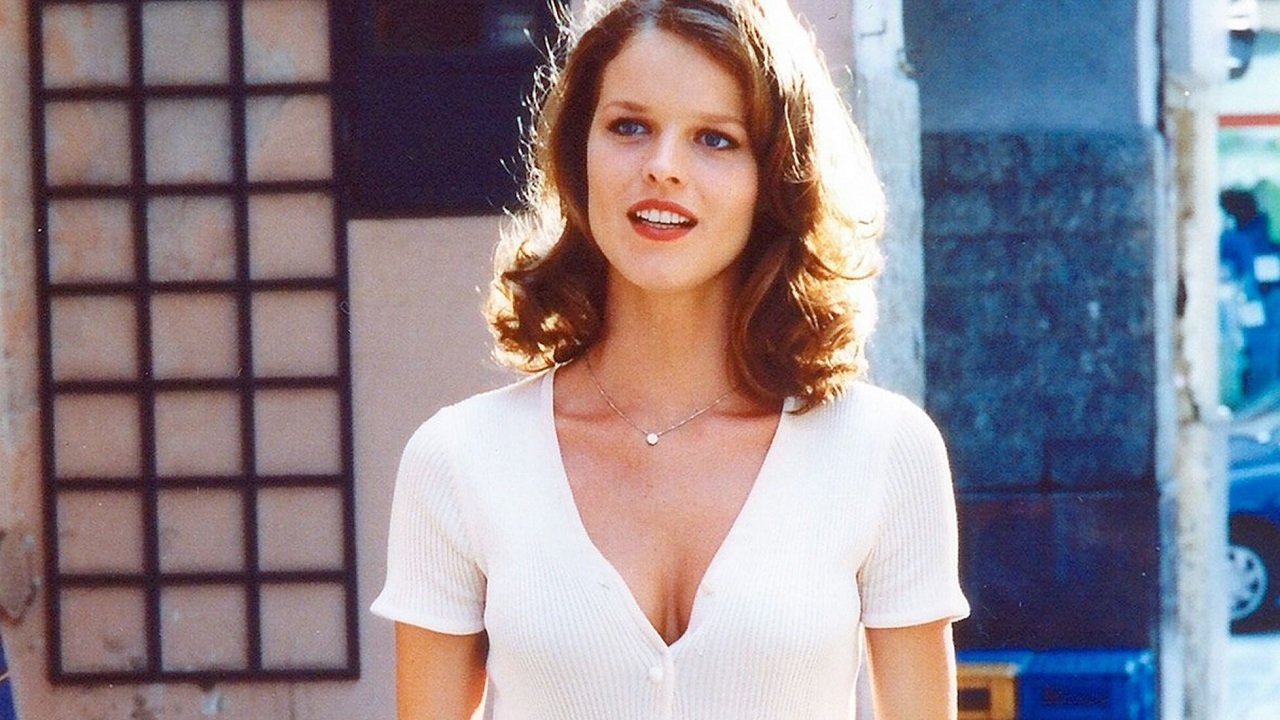
And then there's Frida. Played by Czech supermodel Eva Herzigova, her casting was certainly a talking point back in '98. Fresh off major fashion campaigns (including the iconic "Hello Boys" Wonderbra ads), putting her in a dialogue-heavy Italian comedy might have seemed like a gamble. Does she fully match the comedic timing of stage veterans like Salemme and Buccirosso? Perhaps not entirely, but her presence undeniably adds a specific, almost surreal glamour to the proceedings. She becomes the luminous, often bewildered center around which the male anxieties and idiocies frantically orbit. It's a dynamic that feels very specific to late 90s European comedy – that blend of earthy farce and high-fashion aesthetics. Herzigova reportedly worked hard on her Italian for the role, adding another layer to the film's slightly unexpected production history.
### That Neapolitan Energy
What really makes My Best Friend's Wife pop, even viewed through the nostalgic haze of VHS (or, let's be honest, probably a streaming service these days), is its specific sense of place. Filmed in and around Naples, the city's vibrancy and chaos seep into the film's pores. The humour is often rooted in local references and character types, but the core themes – friendship, jealousy, mid-life crises, the ridiculous things men do under pressure – are universal.
Salemme's direction keeps things moving at a brisk pace, favouring contained settings (apartments, hospital rooms) that heighten the claustrophobic comedy, much like its stage origins. There are no car chases or explosions here, but the 'action' comes from the escalating misunderstandings, the near-misses, the frantic whispers, and the sheer audacity of Roberto's request. It’s the kind of comedy where a slammed door or a perfectly timed double-take delivers the punchline. It might feel a little 'stagey' to modern eyes, accustomed to more cinematic techniques, but that's part of its charm – it feels handcrafted, relying on performance and script rather than elaborate set pieces.
Did critics universally adore it outside Italy? Not always. Some found the humour too specific, the premise too outrageous, or the transition from stage less than seamless. But for audiences, especially those familiar with Salemme's work or appreciative of classic European farce, it struck a chord. It’s a snapshot of a particular time and place in comedy, before irony completely took over, when outrageous situations played relatively straight could still generate huge laughs.
---
Rating: 7/10
Justification: My Best Friend's Wife earns a solid 7 for its sheer comedic energy, the fantastic interplay between Salemme and Buccirosso, and its successful translation of Neapolitan theatrical farce to the screen. It captures a specific late-90s European comedy vibe, even if Herzigova's casting feels slightly like a novelty and some humour feels dated. It delivered exactly what it promised: a fast-paced, laugh-out-loud (if utterly preposterous) ride fueled by strong performances and witty writing rooted in its stage origins.
Final Take: Forget realism; this is pure, uncut 90s farce, Italian style. It's the kind of film you’d stumble upon late at night on SBS or find nestled in the 'Foreign Comedy' section, a reminder that sometimes the most awkward favour makes for the funniest viewing. A warm, slightly bonkers trip back in time.