Alright, settle in. Let’s talk about a film that likely didn’t sit comfortably on the shelf next to Armageddon or There's Something About Mary down at the local video store back in '98, but one that burrowed under your skin if you were brave enough to pick up that stark VHS cover. I'm talking about Thomas Vinterberg's The Celebration (original title: Festen), a film that arrived like a hand grenade rolled into a formal dinner party. It wasn't just a movie; it felt like an event, a statement – raw, immediate, and utterly unforgettable.
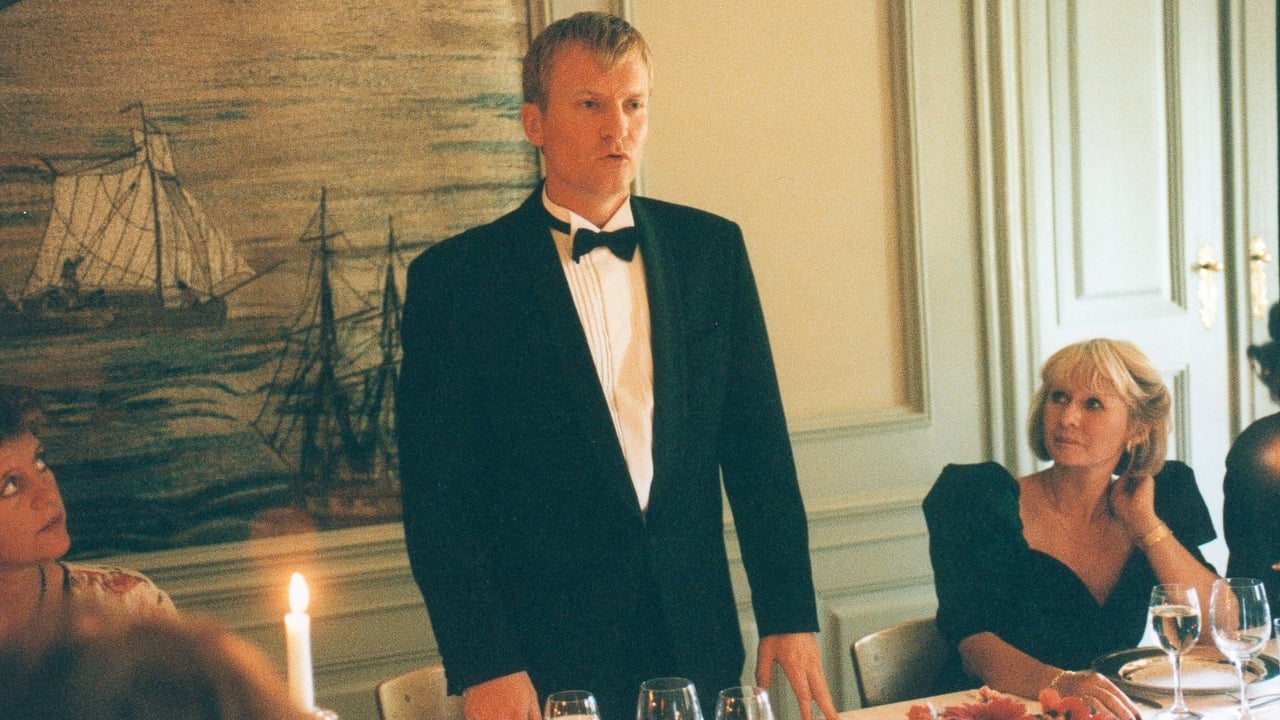
Remember the Dogme 95 movement? That Danish filmmaking collective, co-founded by Vinterberg and Lars von Trier, with their "Vow of Chastity" – no artificial lighting, no non-diegetic music, handheld cameras only, shot on location? The Celebration was Dogme #1, the film that blasted that manifesto onto the world stage. And watching it, especially then, on a fuzzy CRT screen fed by a whirring VCR, felt revolutionary. The grainy, often unsteady digital video (shot on then-new MiniDV cameras, a far cry from polished 35mm) wasn't a flaw; it was the point. It stripped away the cinematic artifice, plunging you directly into the suffocating heart of a family gathering gone horrifically wrong.
A Toast to Uncomfortable Truths
The premise is deceptively simple: the wealthy Klingenfeldt family gathers at their ancestral estate to celebrate the 60th birthday of the patriarch, Helge (Henning Moritzen). Eldest son Christian (Ulrich Thomsen) is tasked with giving a speech. What follows is not the usual polite tribute but a devastating accusation, delivered with chilling calm, that shatters the facade of familial respectability. The film unfolds over the course of this single, disastrous night, trapping us with these characters as secrets fester and burst into the open.
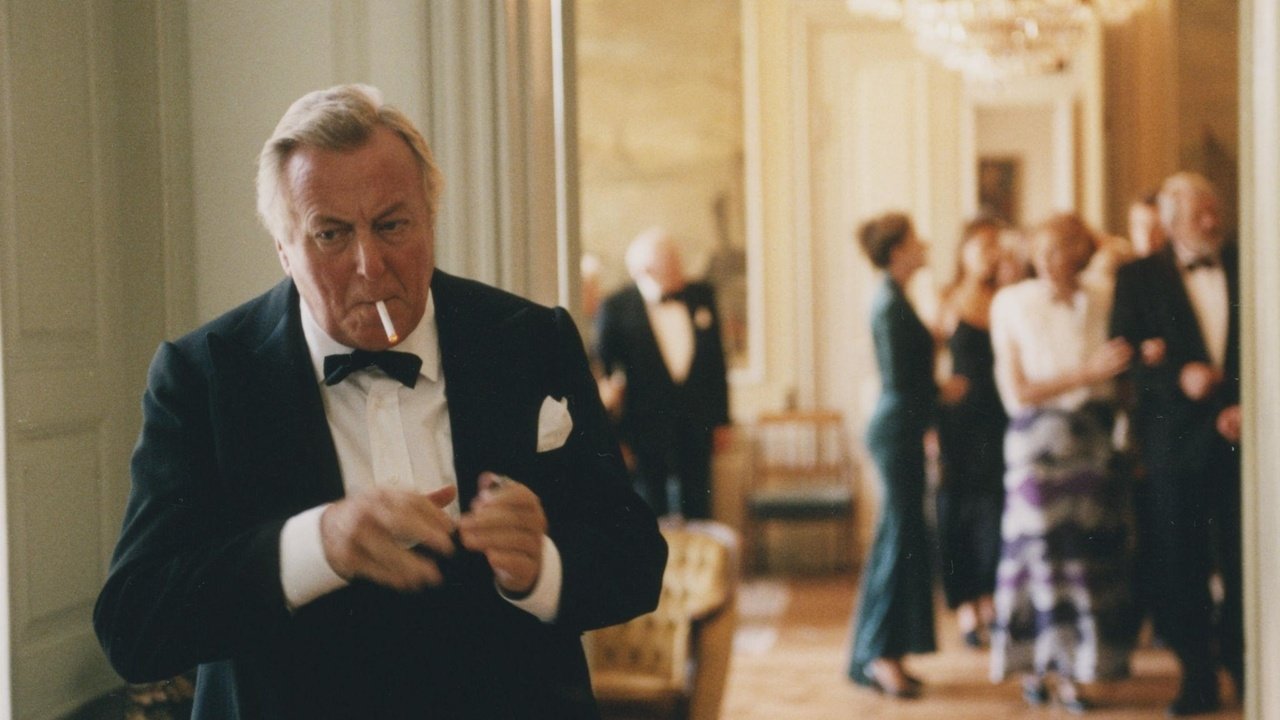
There's a visceral quality to The Celebration that's hard to shake. The handheld camera, operated by the legendary Anthony Dod Mantle (who would later win an Oscar for Slumdog Millionaire), doesn't just observe; it prowls, it intrudes, it sometimes feels like another agitated guest stumbling through the corridors. It forces an intimacy that’s almost unbearable, amplifying the tension in claustrophobic dining rooms and shadowy hallways. You feel the awkward silences, the forced smiles, the barely concealed panic. Vinterberg masterfully uses the Dogme restrictions not as limitations, but as tools to heighten the psychological realism.
Performances Forged in Fire
What truly elevates The Celebration beyond its technical experiment is the powerhouse ensemble cast. Ulrich Thomsen gives a career-defining performance as Christian. His quiet intensity, the profound pain simmering beneath his controlled exterior, is mesmerizing. He carries the weight of his truth with a vulnerability that makes his accusations land with the force of physical blows. You see the lifetime of damage etched onto his face, the struggle between familial duty and the desperate need for catharsis.
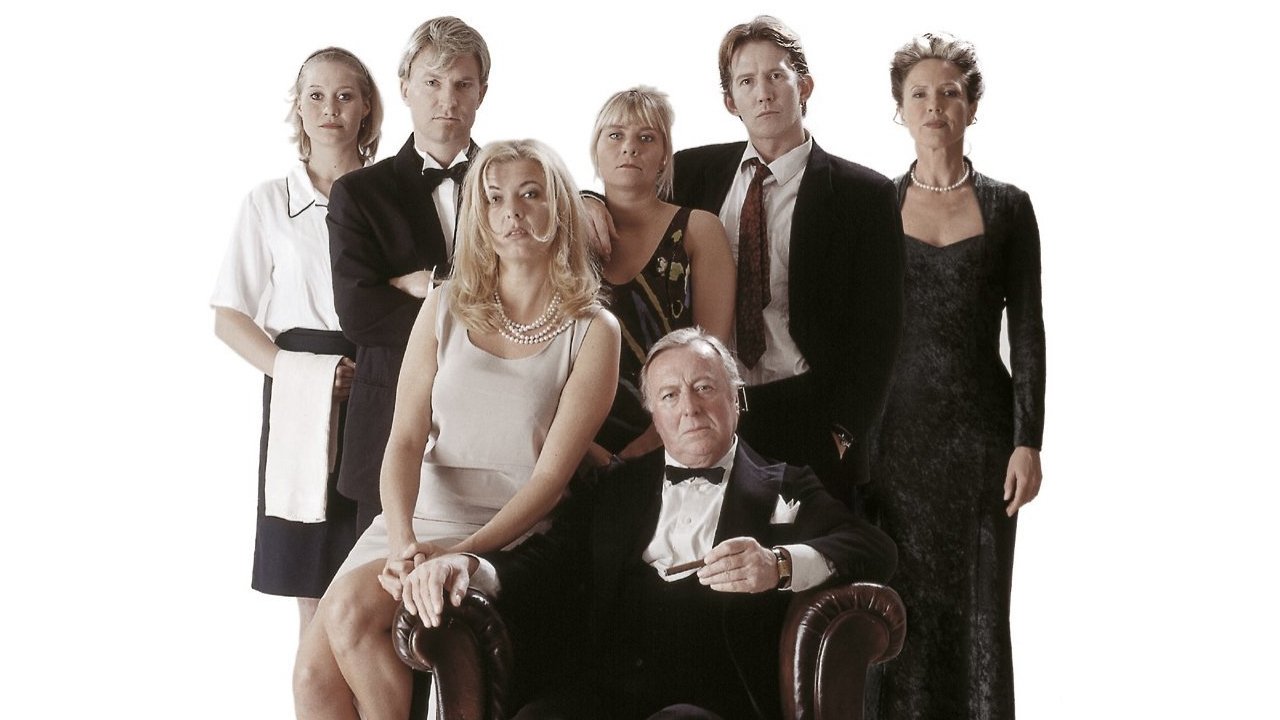
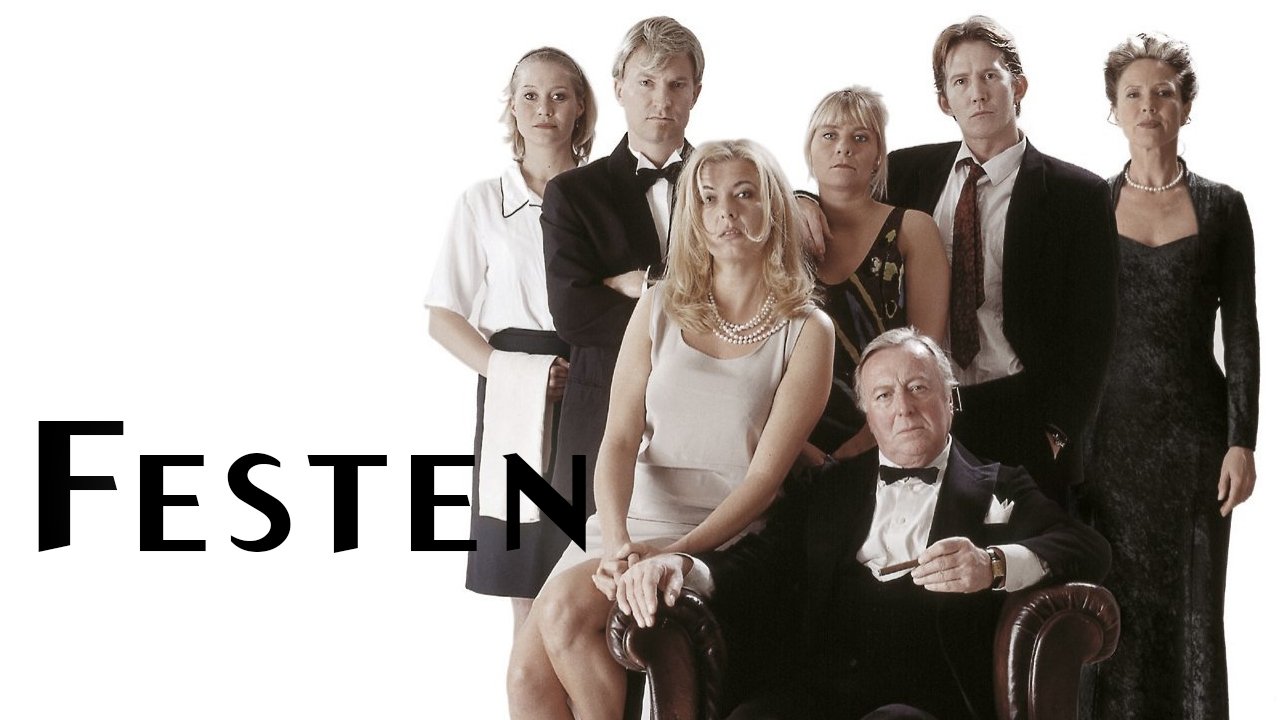
Opposite him, Henning Moritzen as Helge is equally brilliant. He embodies the entitled patriarch, initially dismissive, then resorting to denial, charm, and ultimately, chilling menace. His performance is a masterclass in subtle shifts, revealing the monster beneath the veneer of sophistication. And let's not forget Thomas Bo Larsen as Christian's volatile brother Michael, whose aggressive outbursts and desperate need for paternal approval add another layer of dysfunction to the toxic family dynamic. The interactions feel terrifyingly real, fueled perhaps by the Dogme encouragement of improvisation and the raw energy of the shoot (reportedly completed in just four weeks).
The Lingering Shadow of Dogme
Digging into the film's creation adds another fascinating layer. Vinterberg initially claimed the story was based on a true account revealed on a radio show, a detail that lent the film an even more disturbing verisimilitude. Though the veracity of that origin story has since been debated and somewhat walked back, the anecdote itself became part of the film's unsettling legend. It speaks volumes about the power of the narrative that audiences wanted to believe it was real – it felt that authentic, that possible.
Furthermore, The Celebration wasn't just an arthouse darling (winning the Jury Prize at Cannes); it was a relatively low-budget production that demonstrated the power of story and performance over spectacle. Shot for a figure likely under $1.5 million, its critical and commercial success sent ripples through the independent film world. It proved that challenging, confrontational cinema, stripped bare, could find an audience hungry for something different. The film's technical "limitations" became its defining aesthetic, influencing a generation of filmmakers exploring lo-fi techniques.
Does it hold up? Absolutely. Its themes of confronting abuse, the corrosive nature of secrets, and the complicity of silence feel perhaps even more relevant today. The Dogme aesthetic might seem less radical now, given the ubiquity of handheld digital footage, but in Vinterberg's hands, it retains its power to create an atmosphere of suffocating immediacy. It's not an easy watch, certainly not your typical Friday night rental comfort food. I remember first seeing it on a borrowed VHS tape, the grainy visuals adding to the feeling of watching something illicit, something deeply private and profoundly disturbing.
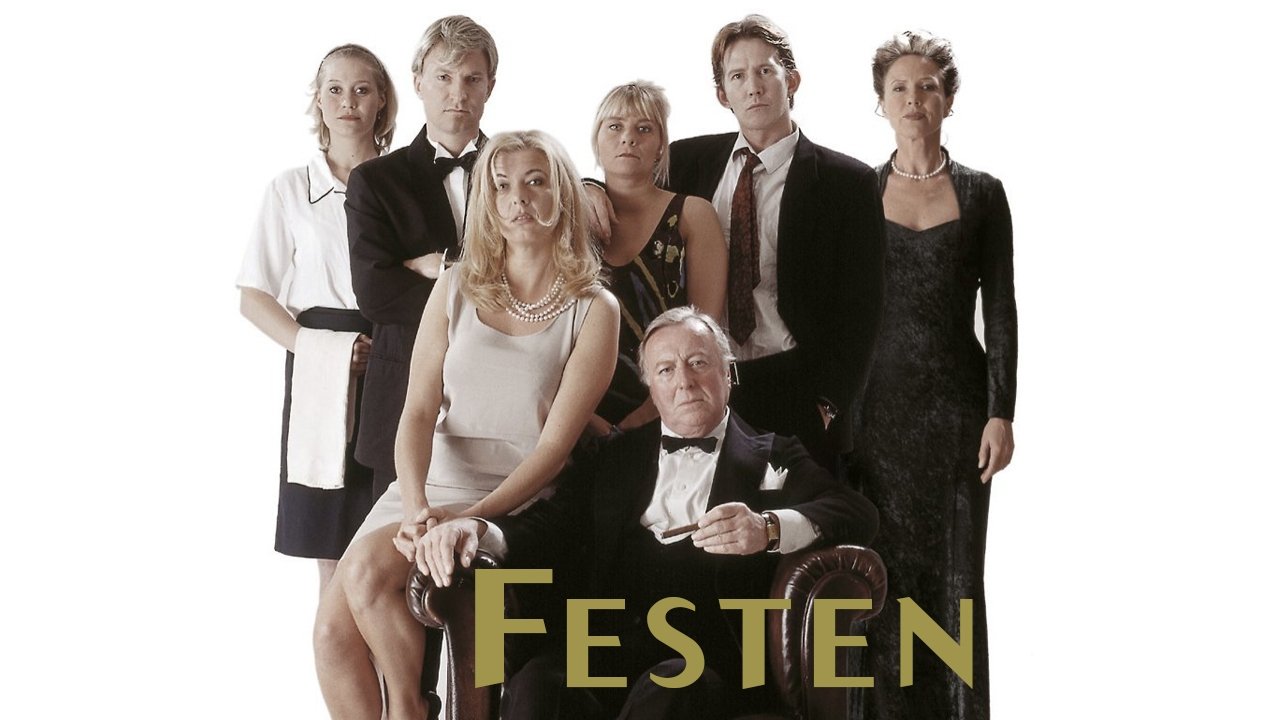
Rating: 9/10
This score reflects the film's sheer, uncompromising power and its historical significance. The performances are astonishing, the direction is audacious, and its impact is undeniable. It earns its high rating through its bravery, its raw emotional honesty, and its masterful use of the Dogme techniques to create a unique and unforgettable cinematic experience. It’s a point deduction only because its intense nature and confrontational style make it a film you admire immensely, but perhaps don't revisit casually.
The Celebration remains a vital piece of late-90s cinema, a testament to the power of stripping filmmaking down to its raw essentials. It leaves you rattled, contemplative, and perhaps questioning the polite surfaces of everyday life. What truly lurks beneath the smiles at the next family gathering? That’s the unsettling question Festen leaves echoing long after the tape stops rolling.