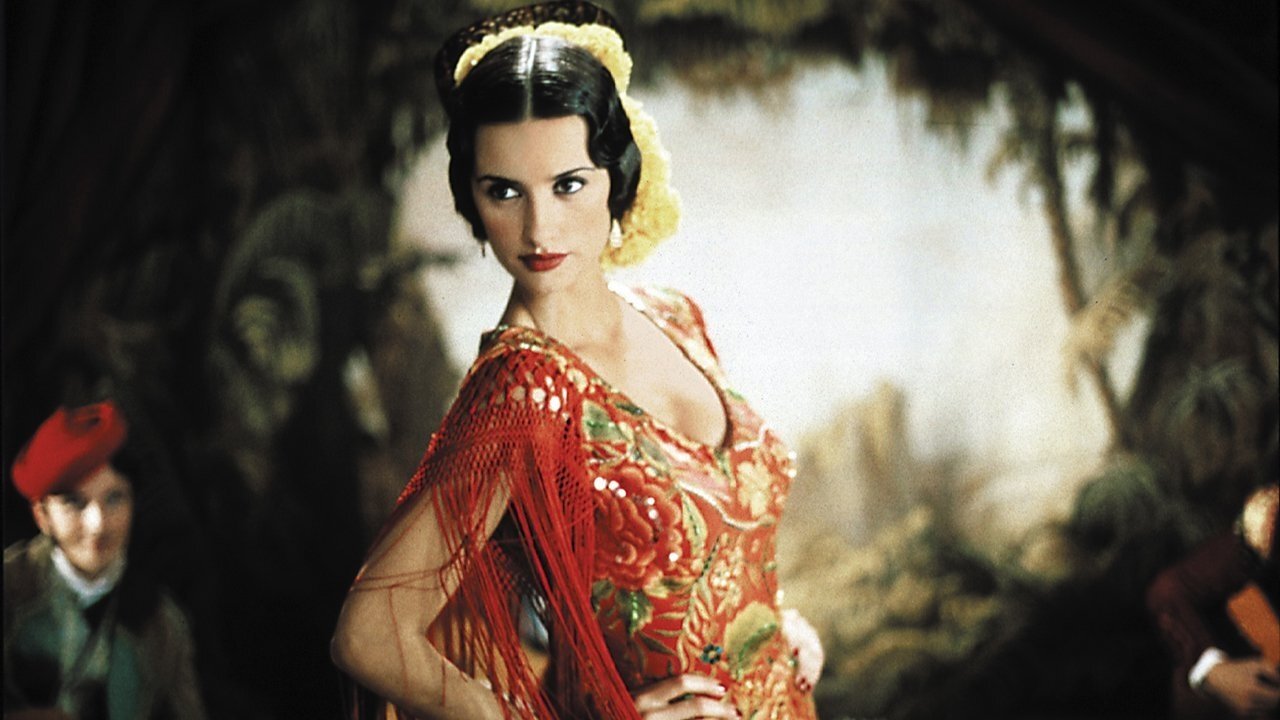
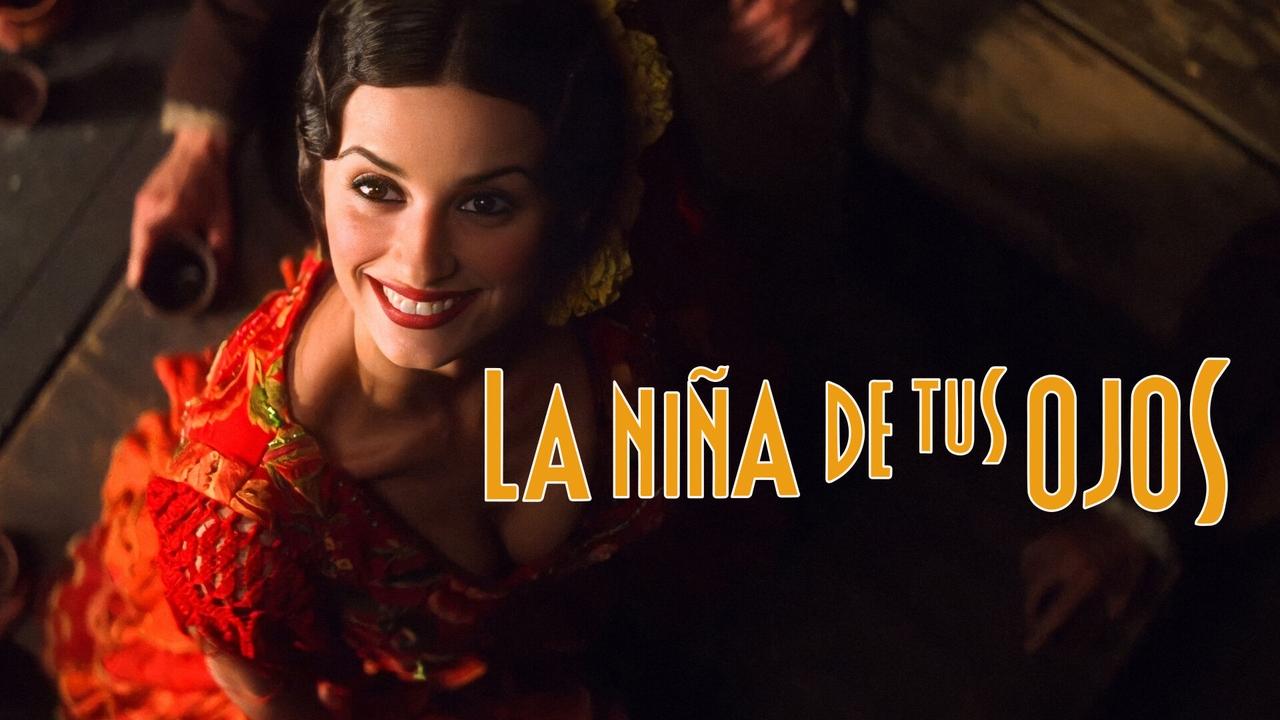
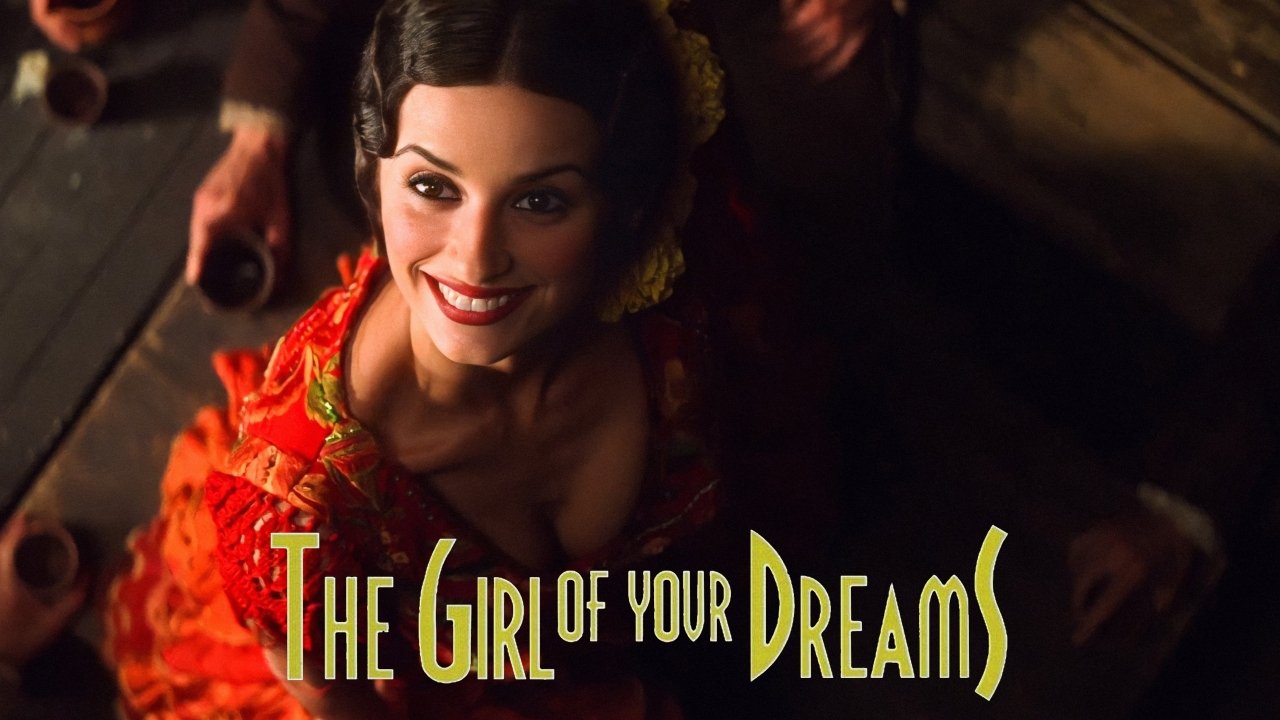
It’s a premise that feels almost surreal, like a fever dream cooked up after a night of watching wartime newsreels and classic Hollywood musicals back-to-back. Picture this: a colourful troupe of Spanish filmmakers, fleeing the turmoil of their own Civil War, lands smack-bang in the heart of Nazi Germany in 1938. Their mission? To shoot the fluffy, folkloric musical The Girl of Your Dreams in two versions – Spanish and German – at the invitation of Hitler's propaganda minister himself, Joseph Goebbels, within the imposing walls of Berlin's famed UFA studios (reimagined here as Babelsberg). This jarring collision of worlds is the captivating, often uncomfortable, and surprisingly funny foundation of Fernando Trueba's 1998 gem, The Girl of Your Dreams (La niña de tus ojos).
Lights, Camera, Absurdity!
The film immediately throws us into the deep end with this fish-out-of-water scenario. We meet the effervescent starlet Macarena Granada, played by a truly radiant Penélope Cruz in the role that arguably launched her international career. She's the heart of the film-within-a-film, embodying the Andalusian spirit they're trying to capture on celluloid. Surrounding her is a motley crew: the weary, pragmatic director Blas Fontiveros (Antonio Resines), the handsome but slightly dim leading man Julián Torralba (Jorge Sanz), the flamboyant homosexual makeup artist (Santiago Segura), and the world-weary character actress Rosa (Rosa Maria Sardà). Their vibrant Spanish chaos – the arguments, the passions, the sheer noise – feels utterly alien against the chillingly sterile backdrop of Nazi order and simmering menace. Trueba, who also co-wrote the sharp script with veterans like Rafael Azcona, masterfully uses this contrast not just for laughs, but to underscore the profound absurdity and creeping dread of the political climate.
A Star is Born Under a Swastika
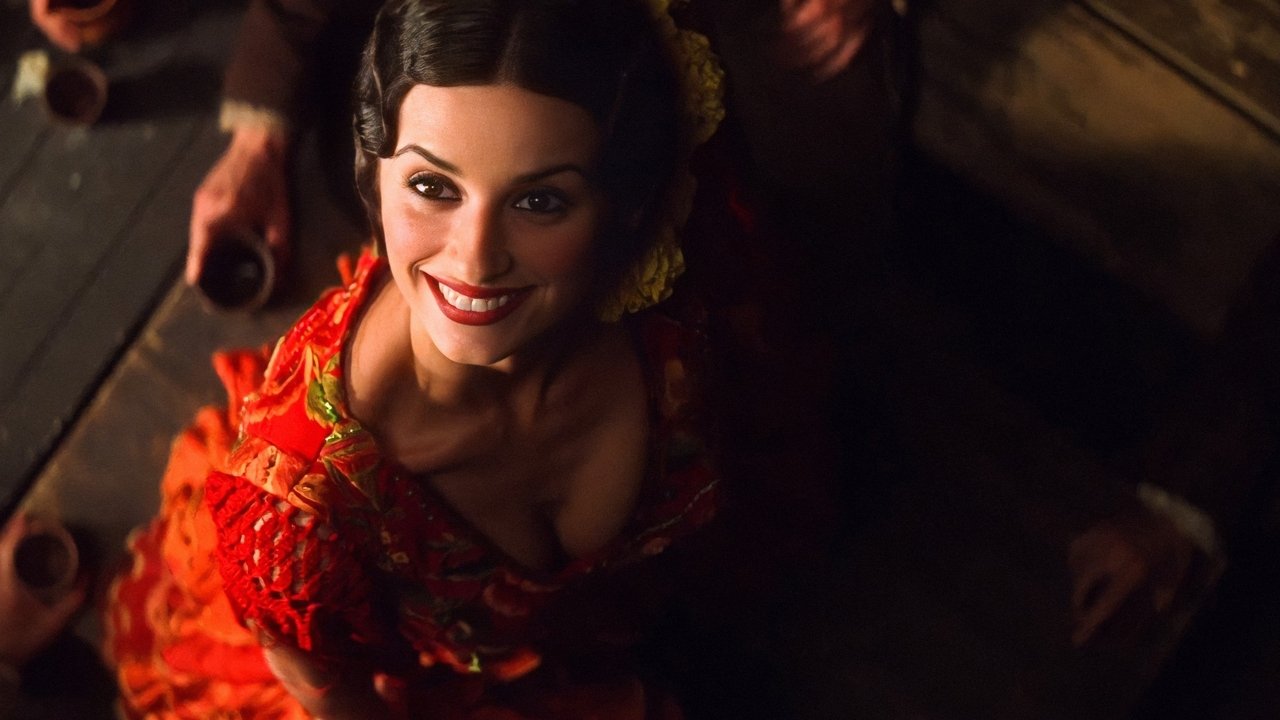
While the ensemble cast is uniformly excellent, breathing life into characters who feel both archetypal and deeply human, the film truly belongs to Penélope Cruz. Just 24 at the time, she delivers a performance of astonishing range. Her Macarena is captivating – funny, fiery, naive, resourceful, and possessed of a vulnerability that becomes the story's emotional anchor. It's her interactions, particularly her complex and dangerous entanglement with Goebbels (Miroslav Táborský, embodying calculated charm and implicit threat), that drive much of the narrative tension. You can see the sparks of the global star she would become – the charisma is undeniable. Watching it now, knowing her subsequent trajectory (including her Oscar win for Vicky Cristina Barcelona (2008)), makes this early powerhouse turn feel even more significant.
The film's success wasn't just critical; it swept the Spanish Goya Awards, nabbing seven wins including Best Film, Best Director for Trueba, and Best Actress for Cruz. It was a major production for Spanish cinema at the time, reportedly costing around $6 million – a significant investment that paid off in capturing the period detail and scale required. Trueba himself mentioned being inspired by stories his father told him about Spanish filmmakers who found work in Germany and Italy during the turbulent Franco years, adding a layer of poignant historical resonance to the fictional tale.
Navigating a Treacherous Tone
What makes The Girl of Your Dreams so memorable, and perhaps occasionally unsettling, is its daring tonal balancing act. Trueba, known for his sophisticated touch in films like the Oscar-winning Belle Époque (1992), doesn't shy away from the darkness of the setting. The threat is palpable, the anti-Semitism is casually present, and the danger the crew faces (especially the Jewish extras they try to help) feels very real. Yet, somehow, he manages to weave in genuine moments of screwball comedy, romantic longing, and sharp satire about the vanities and pressures of filmmaking. Does it always mesh perfectly? Perhaps not for every viewer. There are moments where the shift from farce to fear can feel abrupt, but it's this very tension that gives the film its unique, lingering power. It forces us to confront the uncomfortable proximity of laughter and horror, of artifice and brutal reality. How does creativity survive, or even function, under the shadow of such oppression?
A Glimpse Behind the Curtain
Beyond the central drama, the film offers a loving, if slightly cynical, look at the filmmaking process itself. The on-set squabbles, the diva behaviour, the technical mishaps (like trying to make blond, blue-eyed German extras look convincingly Andalusian), the compromises made for political favour – it all feels authentic, drawn from a deep understanding of cinema's collaborative and often chaotic nature. There's a wonderful sequence involving the creation of artificial movie snow that feels like a small tribute to the practical magic of old Hollywood, a touch that resonates perfectly with the 'VHS Heaven' sensibility. We see the resilience and camaraderie required to make art, even under the most compromised circumstances. It's interesting to note that much of the principal cast and Trueba reunited nearly two decades later for a sequel, The Queen of Spain (2016), bringing Macarena Granada back to Franco's Spain in the 1950s – a testament to the affection these characters inspired.
Final Reel
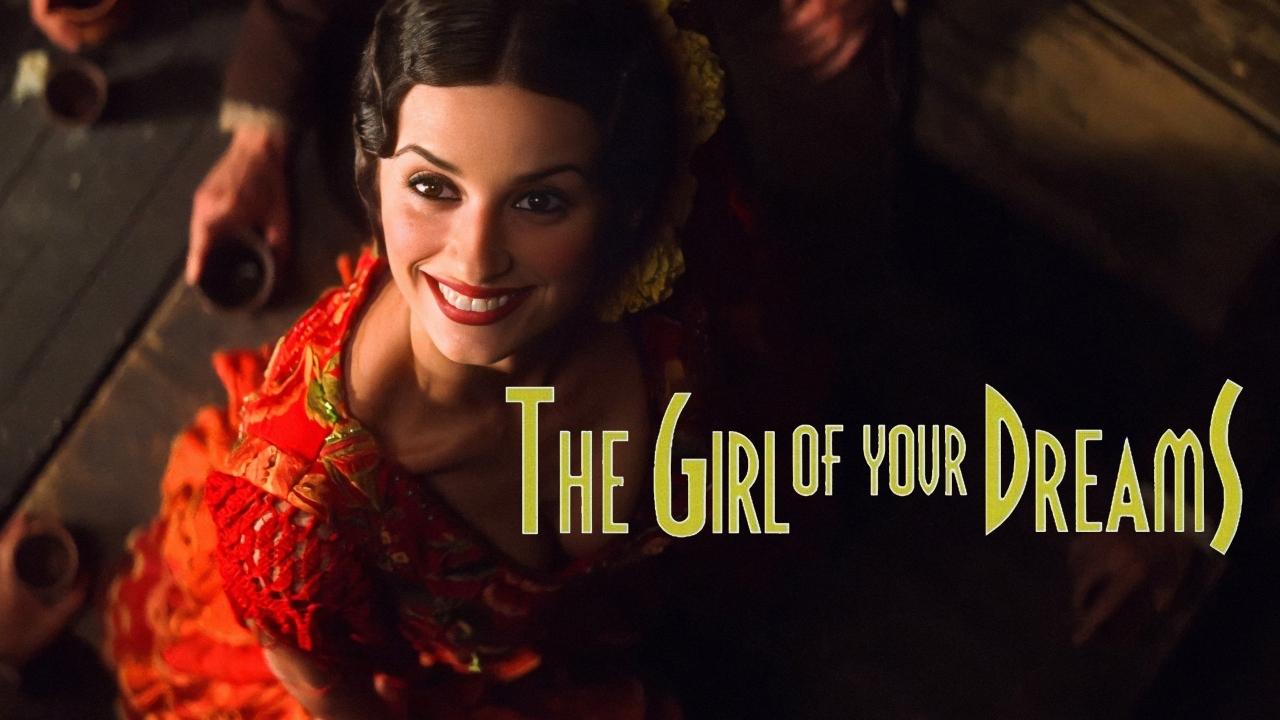
The Girl of Your Dreams might have been one of those slightly off-the-beaten-path finds in the video store back in the day – a foreign film with subtitles that promised something different. And it delivered. It’s a film that balances precarious tones with remarkable skill, anchored by a star-making performance from Penélope Cruz and a smart, witty script. It uses its historical setting not just as backdrop, but as an active participant in a story about art, survival, and the strange places human resilience can bloom. It asks us to consider the choices people make when trapped between ambition and morality, all while managing to be genuinely entertaining.
Rating: 8.5/10 - The score reflects the film's exceptional performances (especially Cruz's breakout), its unique and daring premise, the sharp writing, and Trueba's skillful direction in balancing comedy and drama within a chilling historical context. While the tonal shifts might occasionally jar, the overall achievement is remarkable and thought-provoking, making it a standout piece of late 90s European cinema.
It leaves you pondering the strange dance between entertainment and propaganda, and the small acts of defiance that keep humanity flickering even in history's darkest corners. A truly unique film well worth rediscovering.