Okay, fellow tape travelers, let’s drift back to the late summer of the 90s video store aisles. Tucked between the explosive action flicks and the sweeping romances, you might have stumbled upon a cover that felt… different. Perhaps a slightly grumpy-looking man and a quiet boy hinted at a journey unlike the usual Hollywood fare. I’m talking about Takeshi Kitano’s 1999 offering, Kikujiro (菊次郎の夏, Kikujirō no Natsu), a film that trades his signature yakuza grit for something altogether warmer, stranger, and surprisingly moving.
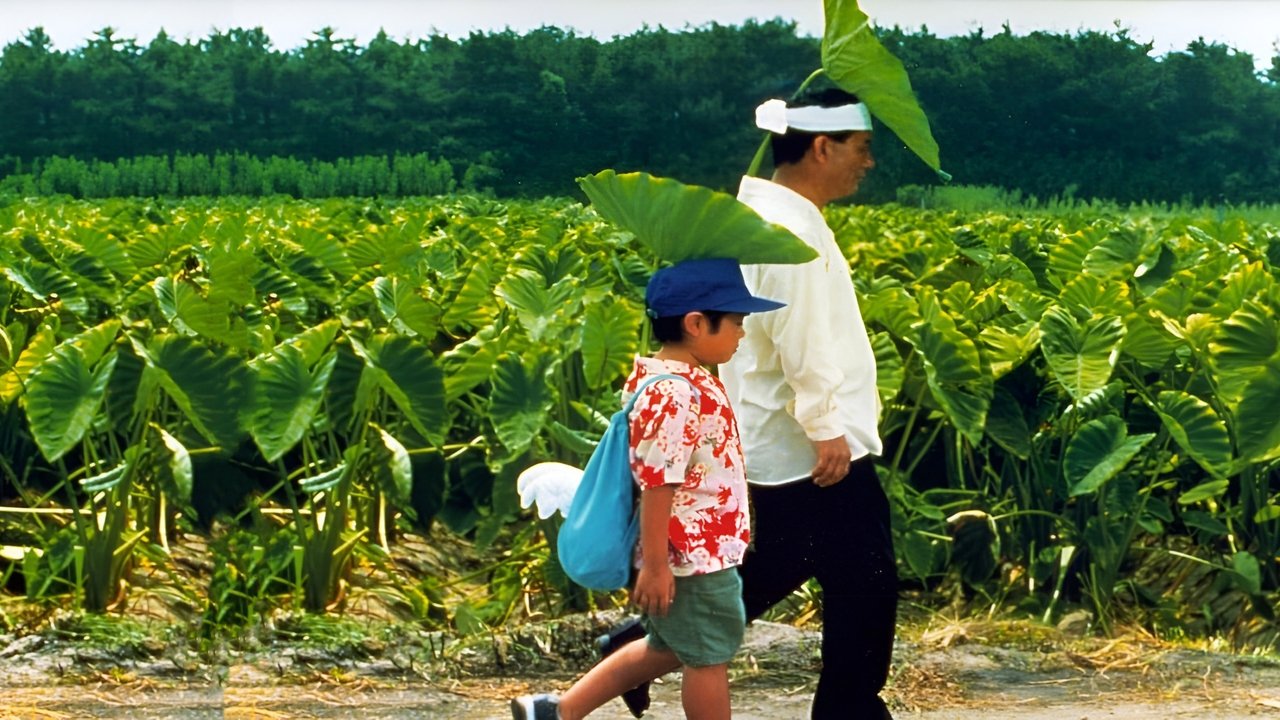
It starts with the quiet hum of a Japanese summer, the kind thick with cicada song and the promise of adventure, or maybe just boredom. We meet Masao (Yusuke Sekiguchi), a lonely young boy living with his grandmother, dreaming of finding the mother he's never known. His summer break stretches before him, empty until a neighbour suggests her layabout husband, a perpetually frowning ex-yakuza type played by Kitano himself, escort the boy on his quest. This man, who eventually (and reluctantly) reveals his name is Kikujiro, is perhaps the least likely guardian imaginable. He’s irresponsible, prone to gambling away their travel money, and seems more interested in his own amusement than the boy’s well-being.
### An Unlikely Summer Quest
What unfolds isn't a straightforward road trip movie. Instead, Kikujiro meanders like a lazy river through vignettes, some hilarious, some baffling, some tinged with a gentle sadness. Directed and written by Kitano, who was deliberately stepping away from the violent thrillers like Sonatine (1993) or Hana-bi (1997) that defined his international image (partly influenced, it's said, by his recovery from a serious motorcycle accident in 1994), the film feels deeply personal. It’s a testament to Kitano’s versatility that he can embody this flawed, childish man-child with such grumpy charm. Yusuke Sekiguchi as Masao is wonderfully understated, his quiet presence acting as the emotional anchor amidst Kikujiro's chaotic energy.
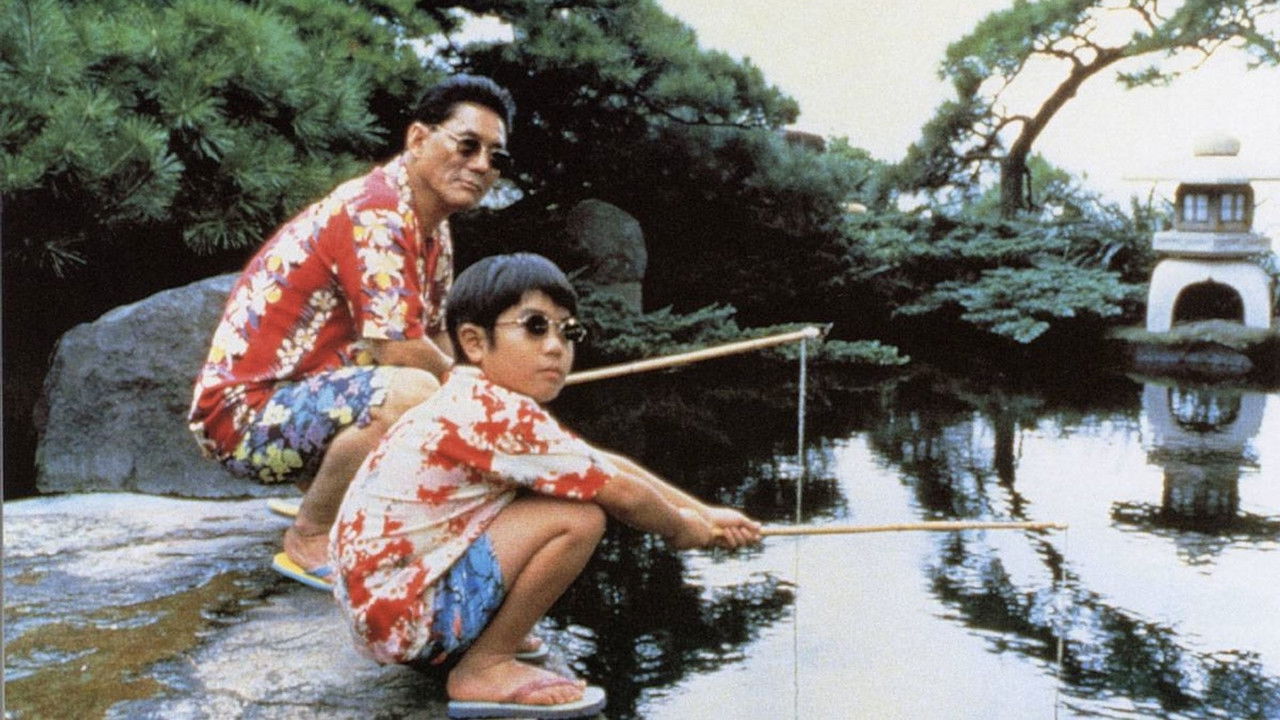
Their journey is populated by the kind of eccentric characters only Kitano could dream up – kindly bikers, a traveling poet, and various other oddballs who get swept up, often unwillingly, into Kikujiro’s increasingly bizarre attempts to entertain Masao after their initial quest hits a snag. There’s a playful, almost surreal quality to these encounters. Remember that sequence where Kikujiro and his newfound biker friends try everything to make Masao smile? From ridiculous costumes to clumsy magic tricks, it captures a sense of adults awkwardly, desperately trying to connect with a child's world, often failing but revealing their own vulnerabilities in the process.
### More Than Just Laughs: The Beat Takeshi Touch
It’s fascinating to see Kitano, often known as "Beat Takeshi" for his comedic and tougher roles, lean into this softer, more reflective mode. The film is named after his own father, suggesting a deep, perhaps complicated, personal connection. While there are laugh-out-loud moments, often stemming from Kikujiro’s sheer ineptitude or borderline-criminal antics (like trying to rig carnival games), there's an undercurrent of melancholy. We sense the loneliness in both Masao and Kikujiro, two lost souls finding temporary solace in each other’s company, even if Kikujiro himself seems emotionally stunted.

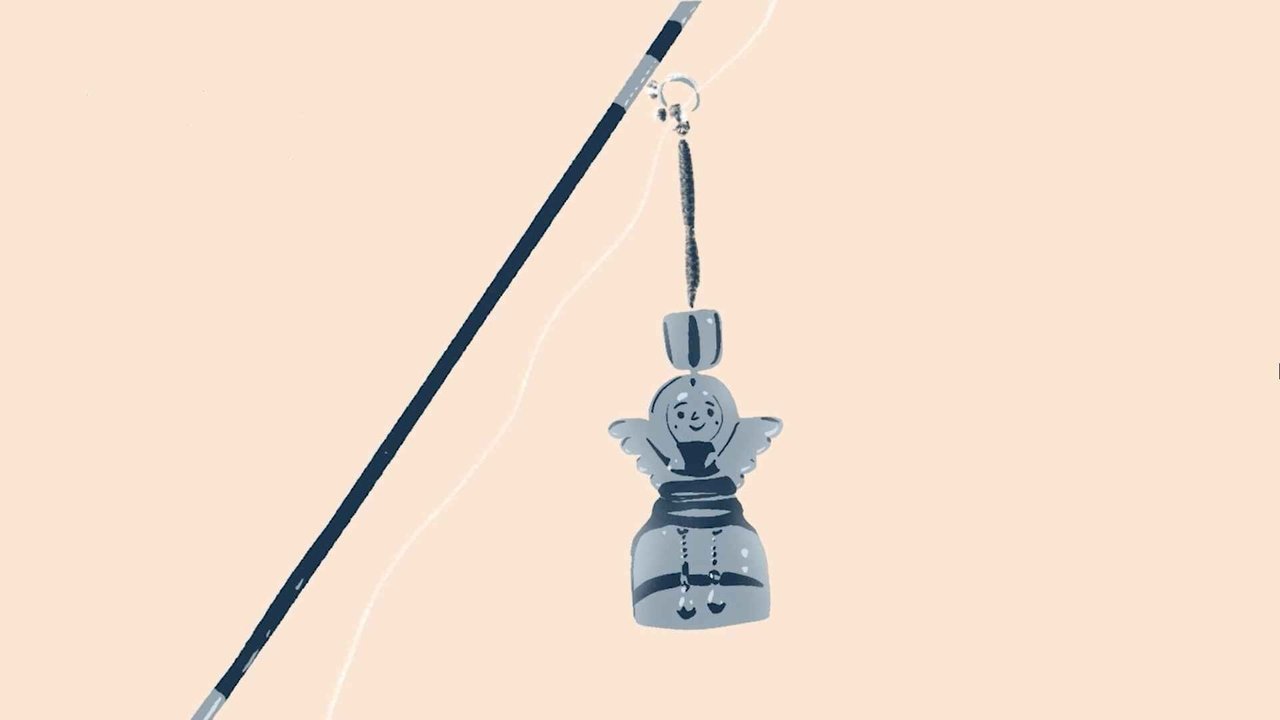
And oh, that score! We absolutely have to talk about the music by the legendary Joe Hisaishi. Hisaishi, perhaps best known globally for his breathtaking scores for Studio Ghibli films like My Neighbor Totoro (1988) and Spirited Away (2001), provides Kikujiro with its heart. The main theme, "Summer," is instantly iconic – a simple, poignant piano melody that perfectly captures the bittersweet nostalgia, the innocence, and the underlying sadness of the film. It elevates every scene, weaving through the narrative like a warm summer breeze. It's one of those soundtracks you'd hunt down on CD back in the day, just to hold onto that feeling.
### Retro Fun Facts & Quirks
Kikujiro wasn't a massive box office smash internationally, but it garnered significant critical attention, notably competing for the Palme d'Or at the 1999 Cannes Film Festival. Its reception was somewhat divided; some critics accustomed to Kitano's harder edge were perhaps perplexed by this gentler, episodic tale. Yet, its charm is undeniable. Look closely, and you'll see Kitano’s trademark visual style is still present – those static shots, the sudden cuts, the moments of quiet observation – but employed for comedic or emotional effect rather than violence. The actress playing the neighbour who sets the whole thing in motion is Kayoko Kishimoto, a frequent collaborator who appeared in many of Kitano's films, including Hana-bi. Her exasperated fondness for Kikujiro sets the tone perfectly.
It’s a film that rewards patience. The pacing is deliberately unhurried, reflecting the long, slow days of summer. If you were expecting a tightly plotted narrative, you might have been surprised. But if you allowed yourself to drift along with Masao and Kikujiro, you discovered a film full of unexpected warmth and humanity, hidden beneath a grumpy exterior. It’s about the journey, not the destination, and the strange, makeshift family formed along the way.
### Final Thoughts
Kikujiro is a unique gem from the tail end of the 90s. It’s a film that might have been overlooked amidst the louder releases, but finding it felt like discovering a secret. It’s funny, touching, beautifully scored, and possesses a gentle, melancholic spirit that stays with you long after the credits roll. It proves Takeshi Kitano is far more than just a master of cinematic cool and violence; he has a profound understanding of loneliness and the clumsy ways we search for connection.
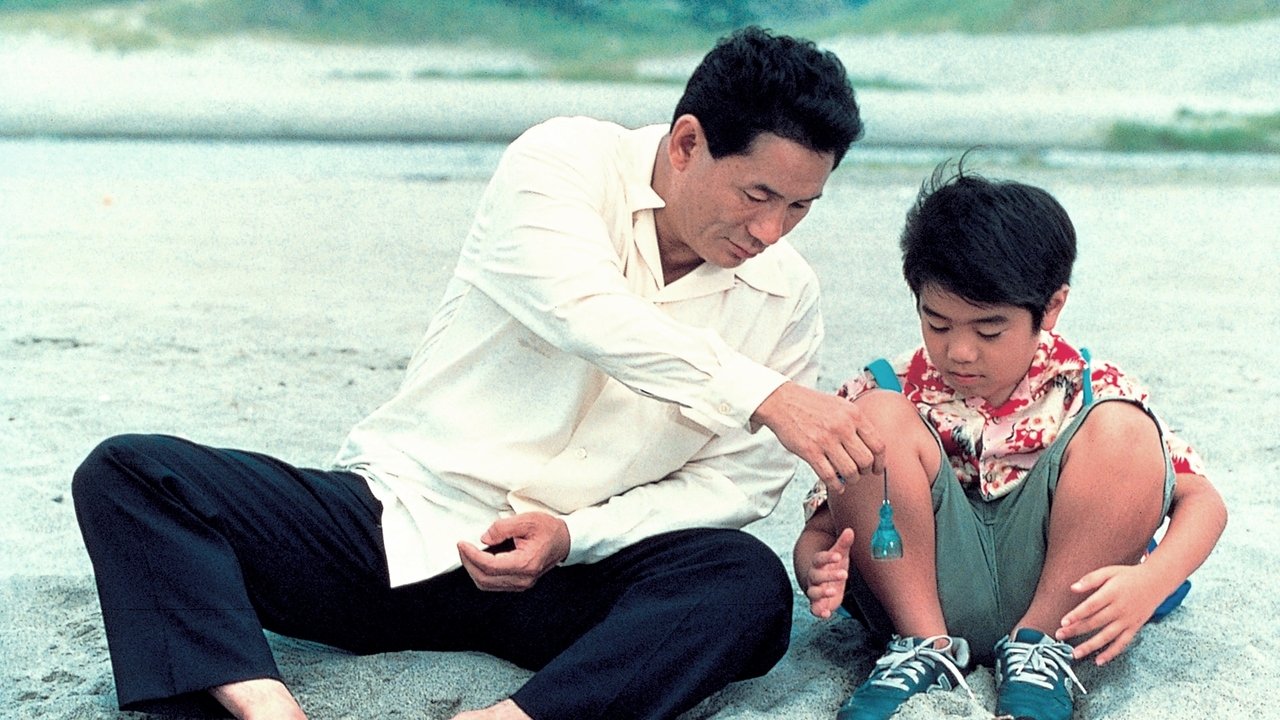
Rating: 9/10
This score reflects the film's unique emotional depth, Kitano's surprisingly tender (in its own gruff way) performance and direction, Sekiguchi's quiet power, and Joe Hisaishi's unforgettable score. Its unconventional structure and sometimes rambling pace might not click for everyone, but for those attuned to its quirky rhythm, it's a near-perfect blend of humor and heart. It captures that fleeting feeling of summer childhood, tinged with the complexities of the adult world encroaching at the edges.
It’s the kind of film that reminds you that sometimes the best adventures are the ones you never planned, shared with the people you least expect. A true treasure from the VHS era’s twilight.