### That Enduring Warmth: Revisiting a Familiar Hearth
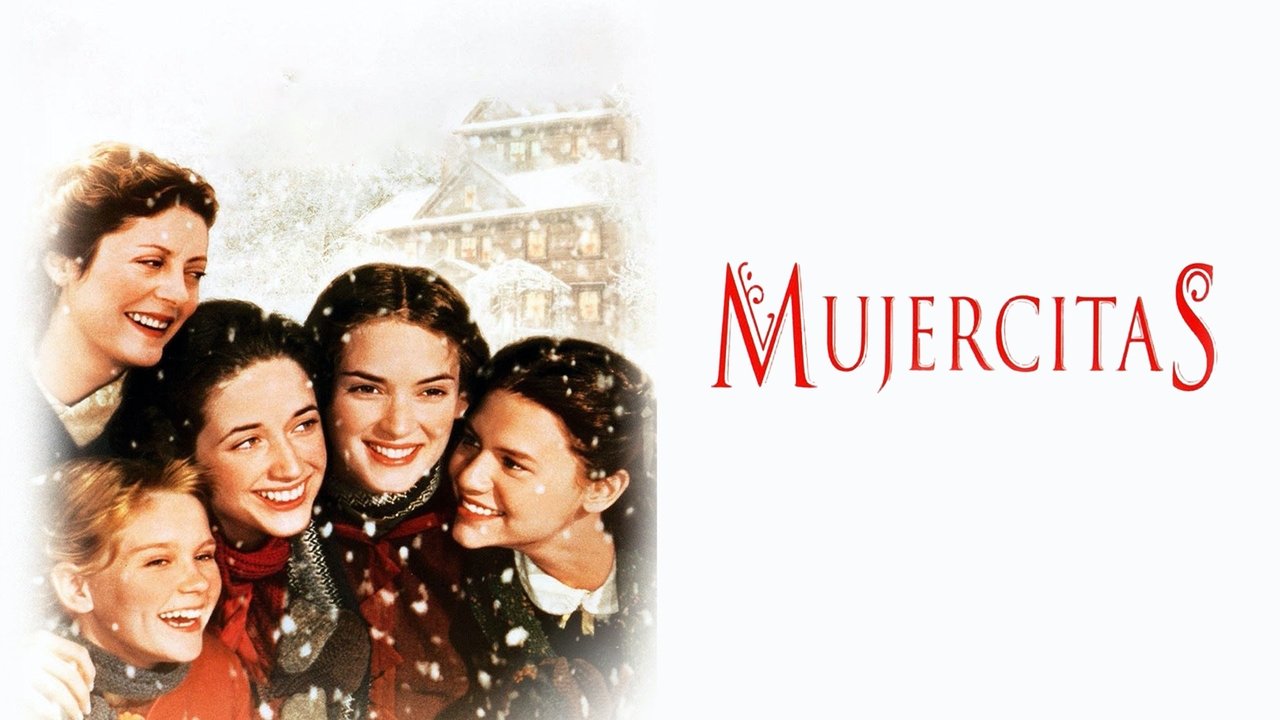
Some films feel less like movies and more like cherished memories, revisited places where familiar faces welcome you back. Gillian Armstrong's 1994 adaptation of Little Women is precisely that kind of cinematic embrace. Watching it again, perhaps on a well-worn VHS tape pulled from the back of the shelf, isn't just about revisiting the March sisters; it's about reconnecting with a feeling – a specific blend of cozy nostalgia, quiet strength, and the bittersweet pang of time passing. It arrived in the mid-90s, a time often remembered for grunge and irony, yet offered something profoundly sincere, a welcome counterpoint that resonated deeply then and, perhaps surprisingly, feels just as vital now.
### Breathing Life into Beloved Pages
Adapting Louisa May Alcott's sprawling, episodic novel is no small feat. It lives so vividly in the minds of generations that any attempt risks falling short. Yet, Armstrong, working from a beautifully nuanced script by Robin Swicord, manages something remarkable. This isn't just a dutiful highlights reel; it’s a version that captures the spirit of the book – the vibrant chaos of the March household, the distinct personalities of the sisters, and the underlying currents of burgeoning feminism, social constraint, and deep familial love. Armstrong, known for character-driven dramas like My Brilliant Career (1979), brings a sensitivity and intelligence to the material, allowing the performances and the quiet moments to breathe. There's an unhurried quality, a confidence in letting the relationships unfold organically against the backdrop of Civil War-era Massachusetts.
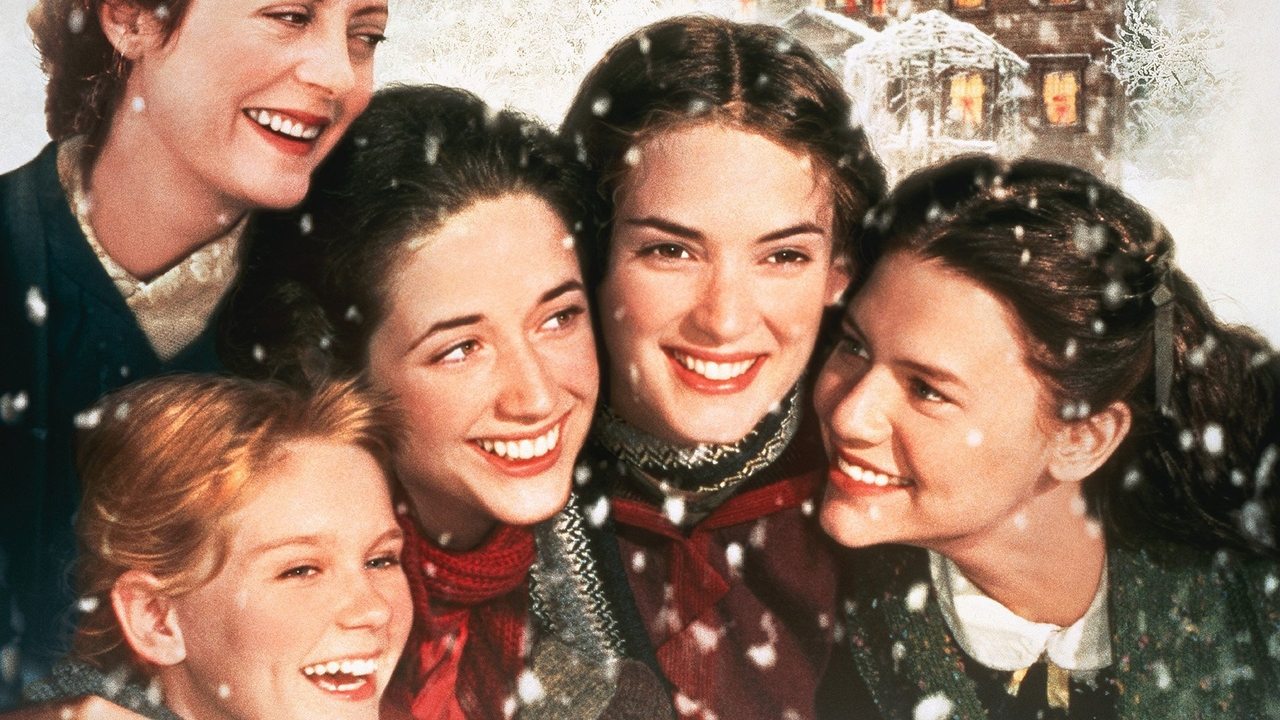
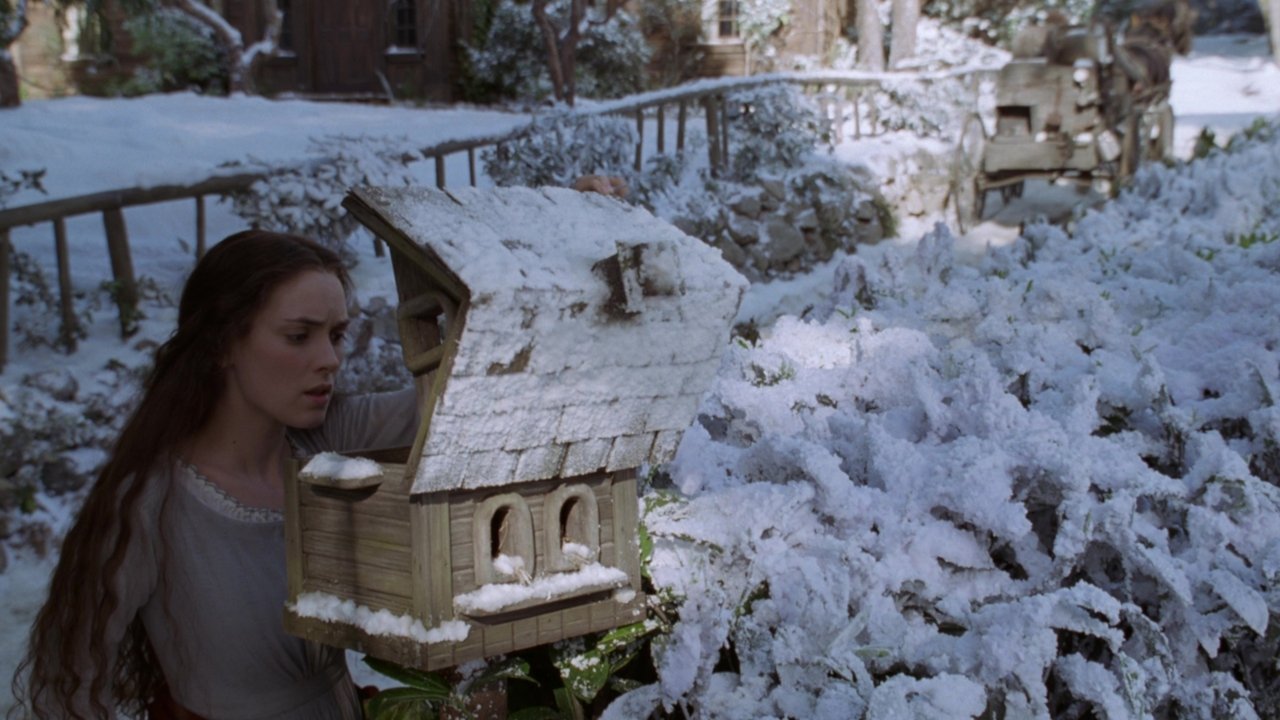
One fascinating aspect of the production involved recreating Concord, Massachusetts, not in New England, but primarily in and around Vancouver, British Columbia. The meticulous production design, earning Colleen Atwood one of the film's three Academy Award nominations (alongside Best Actress for Winona Ryder and Best Original Score for Thomas Newman), convincingly transports us. Atwood's costumes, in particular, are more than just period dressing; they subtly define character – Jo's practical, ink-stained frocks, Meg's aspirations towards elegance, Beth's gentle simplicity, and Amy's evolving sophistication.
### A Sisterhood for the Ages
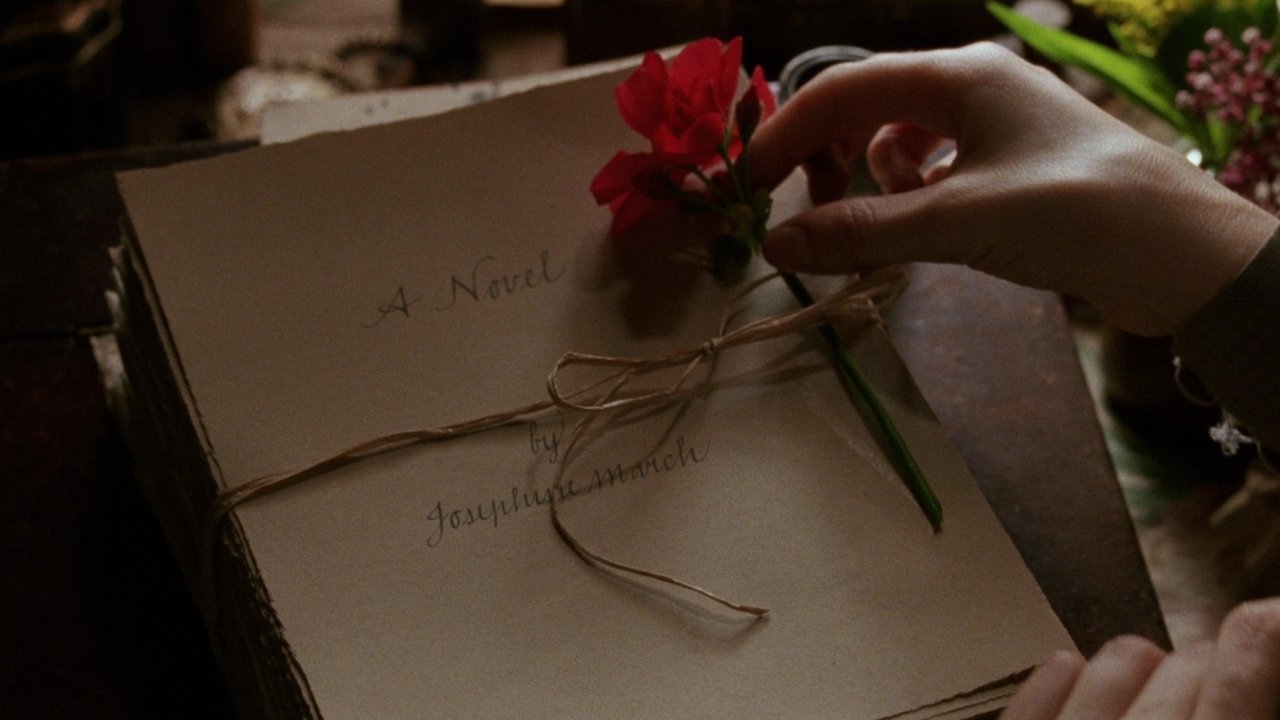
At the heart of it all are the performances, particularly the four young women playing the March sisters. Winona Ryder, arguably at the peak of her 90s stardom, is Jo March. She embodies Jo’s fierce independence, her literary ambition, her occasional awkwardness, and her deep, sometimes conflicted, love for her family. Ryder campaigned hard for the role, seeing Jo as a crucial feminist figure, and her passion translates directly to the screen. It’s a performance that feels utterly lived-in, earning her that well-deserved Oscar nomination.
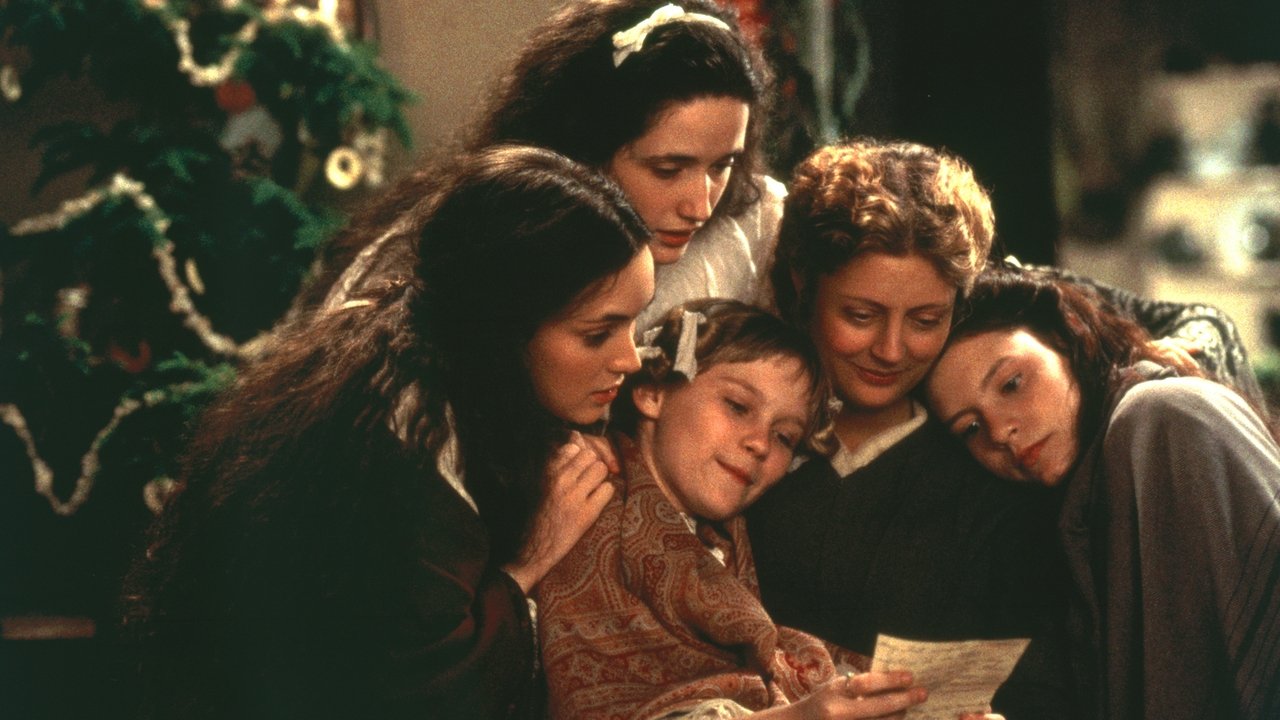
But she's surrounded by equally compelling turns. Trini Alvarado brings a gentle gravity to Meg, capturing her yearning for stability and romance without sacrificing her intelligence. A young Kirsten Dunst (later replaced by Samantha Mathis as the older Amy) perfectly portrays Amy's youthful vanity and artistic inclinations, while Claire Danes, in one of her earliest film roles, is heartbreakingly fragile as the doomed Beth. Danes reportedly learned piano specifically for the role, adding another layer of authenticity to her portrayal of the quiet, music-loving sister. And anchoring them all is Susan Sarandon as Marmee, radiating warmth, wisdom, and resilience. She portrays Marmee not as a saint, but as a real woman guiding her daughters through hardship with grace and understanding.
The supporting cast, too, feels perfectly chosen. Christian Bale, pre-Batman intensity, brings a charming vulnerability and boyish energy to Laurie, making his connection with Jo feel genuine and his eventual heartbreak poignant. Gabriel Byrne as Professor Bhaer offers a grounded, intellectual counterpoint, their connection built on mutual respect and shared passions.
### More Than Just Nostalgia
What elevates Armstrong's Little Women beyond mere period comfort is its thoughtful engagement with Alcott’s themes. Swicord’s script subtly emphasizes the constraints placed upon women in the 19th century – the limited choices, the societal expectations – making Jo’s struggle for independence feel both historically specific and timelessly relevant. Doesn't Jo's fierce determination to forge her own path resonate just as strongly today? The film doesn't shy away from the story's inherent sadness either; Beth's illness is handled with quiet dignity, allowing the grief to feel palpable without becoming maudlin.
Thomas Newman’s score is inseparable from the film's emotional landscape. It’s evocative, melancholic, and hopeful, perfectly underscoring the changing seasons and the sisters' emotional journeys. It became instantly recognizable, defining the film's atmosphere as much as the visuals. Interestingly, the film, made for around $50 million, was a solid success, grossing over $95 million worldwide – proving there was a significant audience eager for intelligent, female-driven stories even amidst the blockbuster landscape of the 90s. Its initial critical reception was glowing, often cited as the definitive film adaptation of the novel.
### The Verdict
Revisiting Little Women (1994) is like opening a treasured book. The binding might be worn, the pages softened with time, but the story inside remains captivating, comforting, and deeply moving. It’s a film crafted with immense care, respect for its source material, and a genuine affection for its characters. The performances are uniformly excellent, particularly Winona Ryder’s iconic portrayal of Jo, and Gillian Armstrong directs with a steady, sensitive hand. The production design, costumes, and score work in perfect harmony to create an immersive and emotionally resonant experience. It’s a film that reminds us of the enduring power of family, the importance of pursuing one's dreams, and the quiet beauty found in everyday moments. For those of us who first discovered it on VHS, it remains a cherished piece of cinematic history, a warm hearth we can always return to.
Rating: 9/10 - A near-perfect adaptation that captures the heart and soul of Alcott's novel with exceptional performances, beautiful direction, and timeless themes. It stands as a benchmark for literary adaptations and a high point of 90s filmmaking, its warmth undiminished by time. What lingers most isn't just the narrative, but the feeling of profound connection it fosters – both to the characters and, perhaps, to our younger selves who first welcomed the March sisters into our homes.