Okay, pull up a chair, maybe grab a lukewarm cup of coffee like the characters seem to perpetually nurse in this flick. Let's talk about Pushing Tin (1999). There's a certain kind of nervous energy humming just beneath the surface of this film, a reflection, perhaps, of the very job it portrays. It throws us headfirst into the high-stakes, jargon-filled world of air traffic controllers at New York TRACON, a place where burnout hangs heavy in the recycled air and egos clash like storm fronts. Remember popping this tape in, maybe catching it late night on cable? It wasn't exactly the feel-good hit of the summer, was it? But there was something compelling about its tightly wound atmosphere.
Kings of the Scope
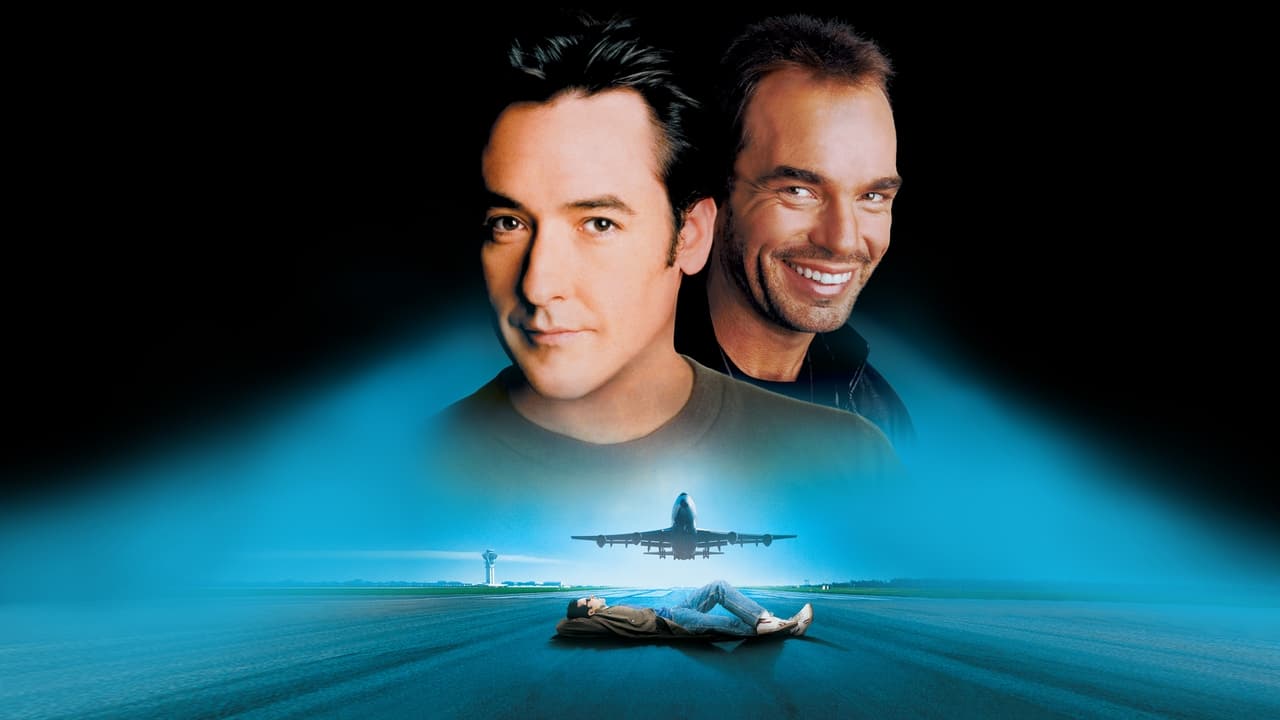
At the center of it all is Nick "The Zone" Falzone, played by John Cusack with that trademark blend of wired intensity and simmering insecurity he perfected in the 90s. Nick's the top dog, the controller who thrives on pressure, juggling flight paths like a maestro conducting a symphony of near-disaster. He's got the swagger, the quick wit, and a seemingly stable home life with his wife Connie (Cate Blanchett, radiating intelligence and subtle frustration). Into this finely tuned ecosystem crashes Russell Bell (Billy Bob Thornton), a transfer from out West. Thornton plays Bell as Falzone's diametric opposite: quiet, laconic, almost zen-like in his approach, yet possessing an unnerving magnetism and a daredevil streak that immediately puts Nick on edge. He rides motorcycles, stands unnervingly close to landing jets, and brings with him a much younger, captivatingly troubled wife, Mary (Angelina Jolie, in an early role that hinted at the potent screen presence to come).
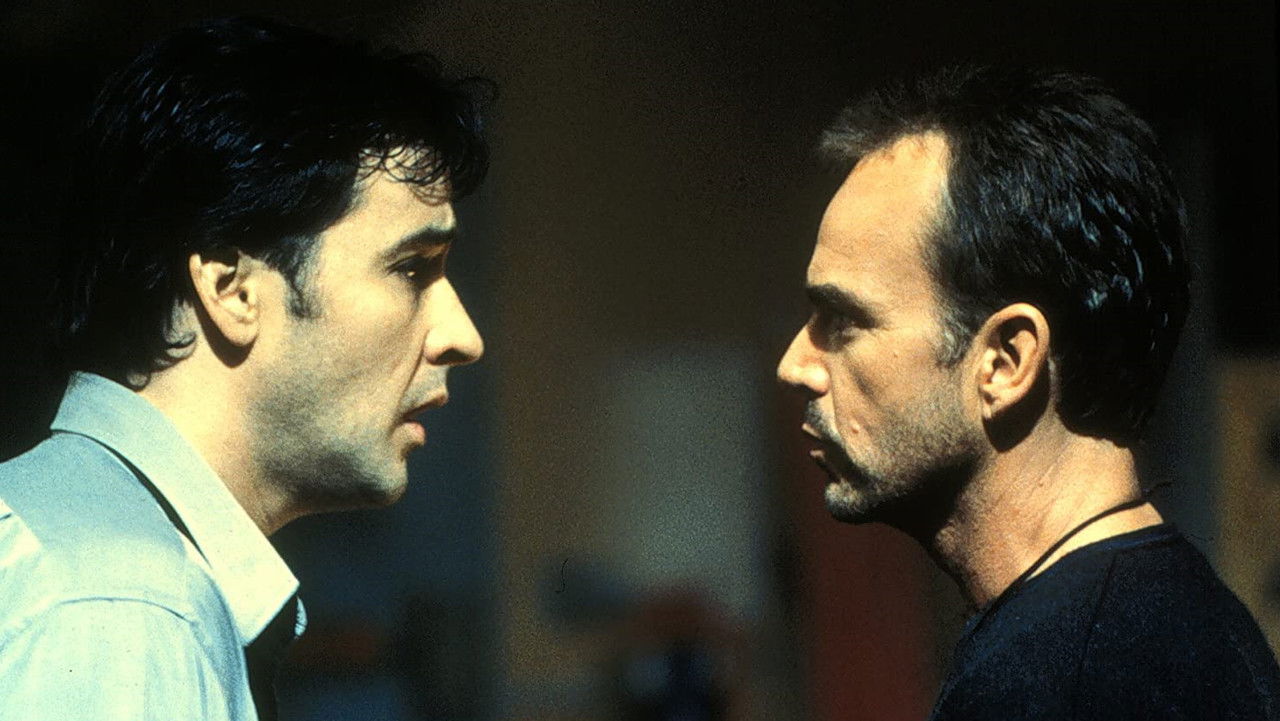
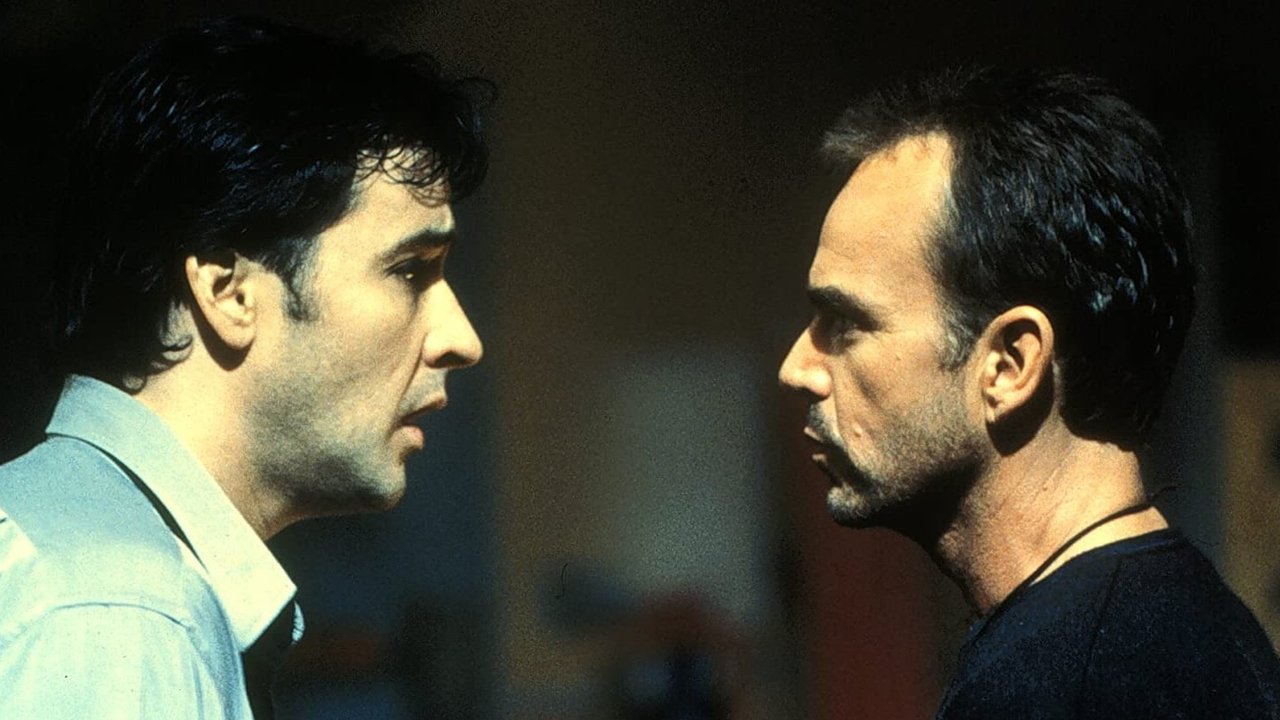
The film really ignites in the dynamic between Cusack and Thornton. It’s less about the technicalities of air traffic control – though director Mike Newell (Four Weddings and a Funeral, Donnie Brasco) does a commendable job creating a believable, pressure-cooker environment – and more about the psychological warfare between these two men. Their rivalry quickly spirals beyond professional one-upmanship into something far more personal and messy, fueled by testosterone, professional jealousy, and a strange, almost unwilling mutual fascination. Cusack makes you feel Nick's mounting desperation, the way his confidence cracks under the perceived threat Bell represents. Thornton, meanwhile, is a master of minimalist menace; Russell’s calm feels almost more dangerous than Nick’s overt agitation.
Under Pressure
What makes Pushing Tin stick in the mind, even years later, isn't just the central conflict, but the texture of the world it creates. Based on a 1996 New York Times Magazine article by Darcy Frey, the script (penned by Glen Charles and Les Charles, intriguingly, the creators of Cheers) captures the specific stresses and coping mechanisms of this unique profession. The dark humor, the superstitions, the way adrenaline junkies chase the next near-miss – it all feels authentic, thanks in part to meticulous research and a detailed TRACON set recreation. You get a palpable sense of the mental toll, the constant hum of potential catastrophe that these characters live with daily. It’s fascinating that the writers known for the warm camaraderie of a Boston bar could pivot to depict this far more anxious workplace dynamic, though the focus remains squarely on character interactions under pressure.
The film isn't without its turbulence, mind you. The plot takes a sharp, arguably melodramatic turn involving wife-swapping that feels somewhat forced, stretching credibility even within the heightened reality the film establishes. It slightly derails the more compelling workplace drama, pushing the male ego clash into slightly soap-operatic territory. While Blanchett and Jolie deliver strong performances, their characters ultimately feel more like catalysts for the male leads' conflict than fully realized individuals in their own right. It’s a shame, as both hint at deeper complexities the script doesn’t fully explore.
Retro Fun Facts
- That TRACON wasn't real, but a painstaking recreation built on a soundstage – essential for the controlled chaos Newell needed to film.
- The film boasted a hefty budget for the time (around $65 million) but struggled to find its audience, pulling in only about $8.4 million domestically. It became more of a cult favorite on video and cable – precisely the kind of film we celebrate here at VHS Heaven!
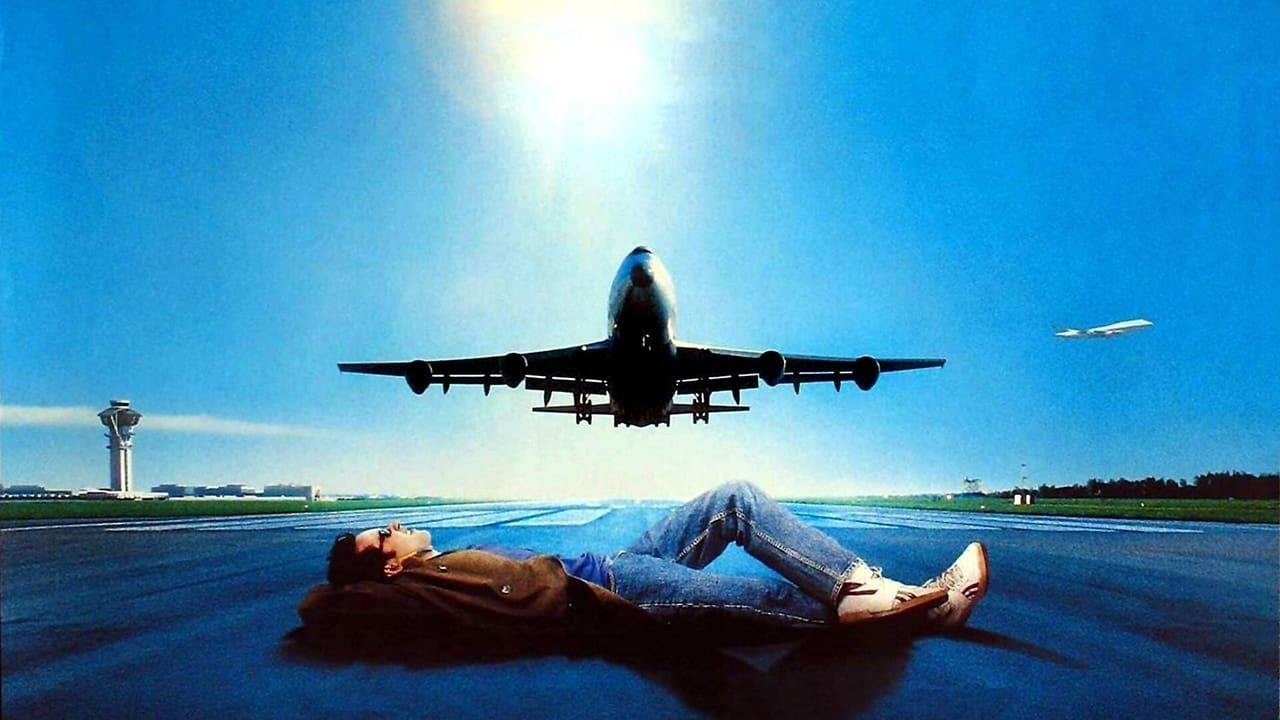
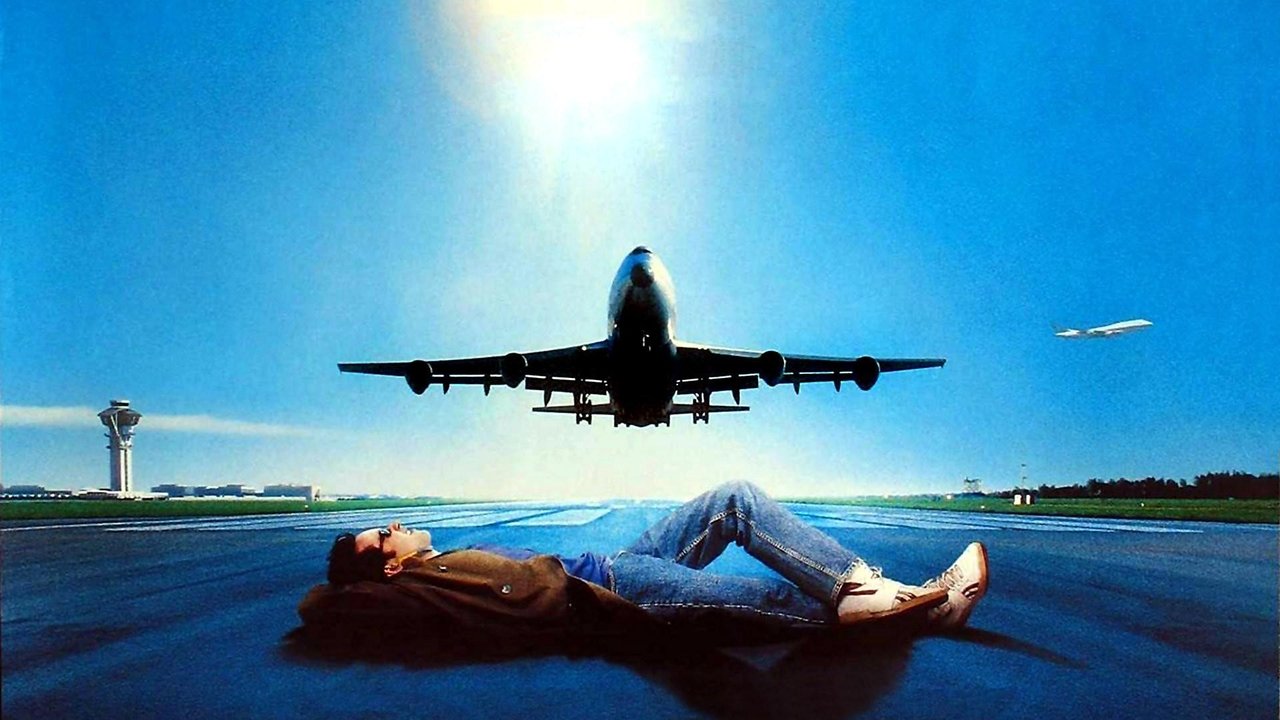
- Remember that scene where Russell "surfs the wake" of a 747? While visually striking, it’s pure Hollywood fantasy – attempting such a stunt would be incredibly dangerous, if not impossible. It speaks volumes about Russell's character, though!
- The technical aspects of displaying the radar scopes were quite advanced for 1999, requiring complex graphics work to simulate the controllers' screens believably.
Holding Pattern
Despite its narrative bumps, Pushing Tin remains a fascinating watch. It captures a specific late-90s energy – a kind of pre-millennium tension manifested in extreme workplace stress and fragile masculinity. The performances from Cusack and Thornton are electric, carrying the film through its less convincing moments. Newell crafts a genuinely tense atmosphere, making you feel the weight of responsibility on these controllers' shoulders. It asks uncomfortable questions about competition, ego, and what happens when the pressure cooker finally boils over. What does it take to thrive in such an environment, and what pieces of yourself might you lose along the way?
Rating: 7/10
This score reflects the film's strengths – primarily the gripping central performances, the unique setting, and the palpable tension – balanced against a third act that feels somewhat contrived and sidelines its compelling female characters. It didn't quite soar to the box office heights it aimed for, perhaps because its blend of workplace thriller and messy personal drama was a slightly unstable mix. Still, it's a unique, atmospheric piece from the cusp of the new millennium, anchored by two actors operating at peak intensity. It definitely earned its spot on the rental shelf back in the day, a compelling curiosity that still offers plenty to chew on after the static fades.