It starts, as so many moments of profound reflection do, with a crisis. A groom gone missing hours before his wedding. That’s the frantic present-day frame for Rick Famuyiwa’s wonderfully warm and resonant debut, The Wood (1999), but the film quickly reveals its true heart lies not in the matrimonial panic, but in the sun-drenched, awkward, formative years of the mid-1980s. Watching it again, years after pulling that distinctive clamshell case off the rental shelf, feels less like revisiting a movie and more like flipping through a cherished photo album, each scene triggering a cascade of familiar feelings about friendship, first loves, and the indelible marks left by the places we grew up.
The Ties That Bind, Then and Now
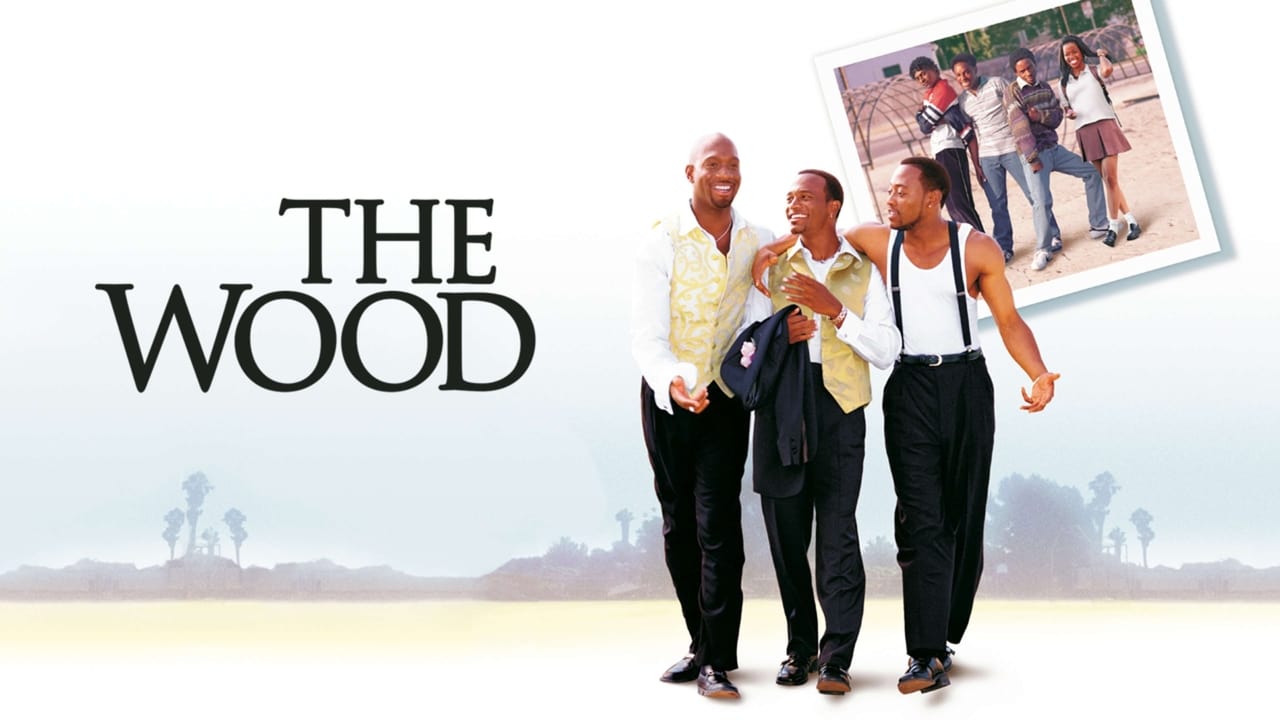
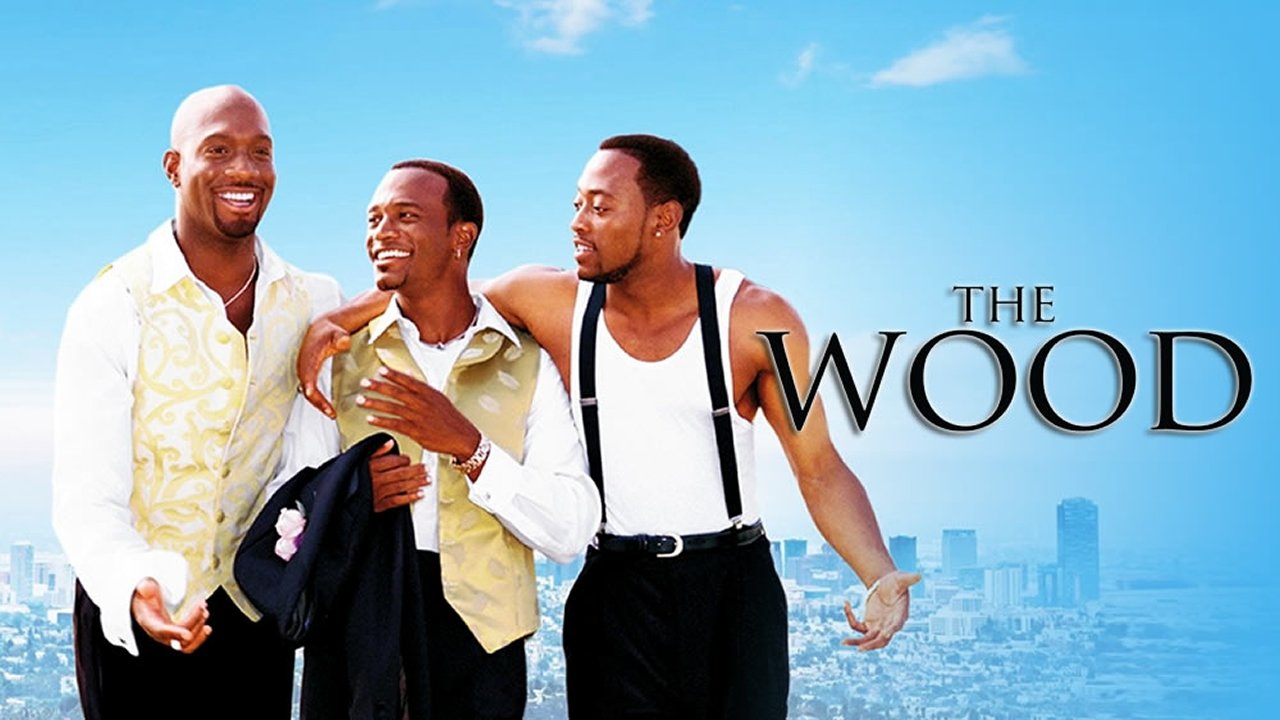
The core of The Wood is the unbreakable bond between Mike (Omar Epps), Roland (Taye Diggs), and Slim (Richard T. Jones). On Roland’s wedding day, he develops a severe case of cold feet, sending Mike and Slim on a mission across Los Angeles to find him and, more importantly, talk him back from the brink. This present-day quest becomes the vessel for a series of extended flashbacks to their teenage years in Inglewood, California – "The Wood." Here we meet their younger selves, played with uncanny accuracy and charm by Sean Nelson (Young Mike), Duane Finley (Young Roland), and Trent Cameron (Young Slim).
What’s remarkable is how seamlessly the film transitions between timelines, not just in plot but in spirit. The easy camaraderie, the knowing glances, the gentle ribbing – it feels authentic in both eras. Epps, Diggs, and Jones embody the weary but unwavering loyalty of men who have seen each other through everything. Epps, as the narrator Mike, provides the film’s thoughtful center, while Diggs perfectly captures the pre-wedding jitters rooted in deeper anxieties. Jones brings a welcome comedic energy as Slim, the most outwardly confident of the trio. Their chemistry is palpable, believable; you buy these guys as lifelong friends instantly. Crucially, the younger cast mirrors this brilliantly. Nelson’s shy vulnerability as Young Mike navigating his crush on Alicia (a radiant Malinda Williams) is the heart of the flashback sequences. The young actors don't just mimic their older counterparts; they inhabit the burgeoning versions of those friendships, making the eventual transition feel earned and natural.
Inglewood State of Mind
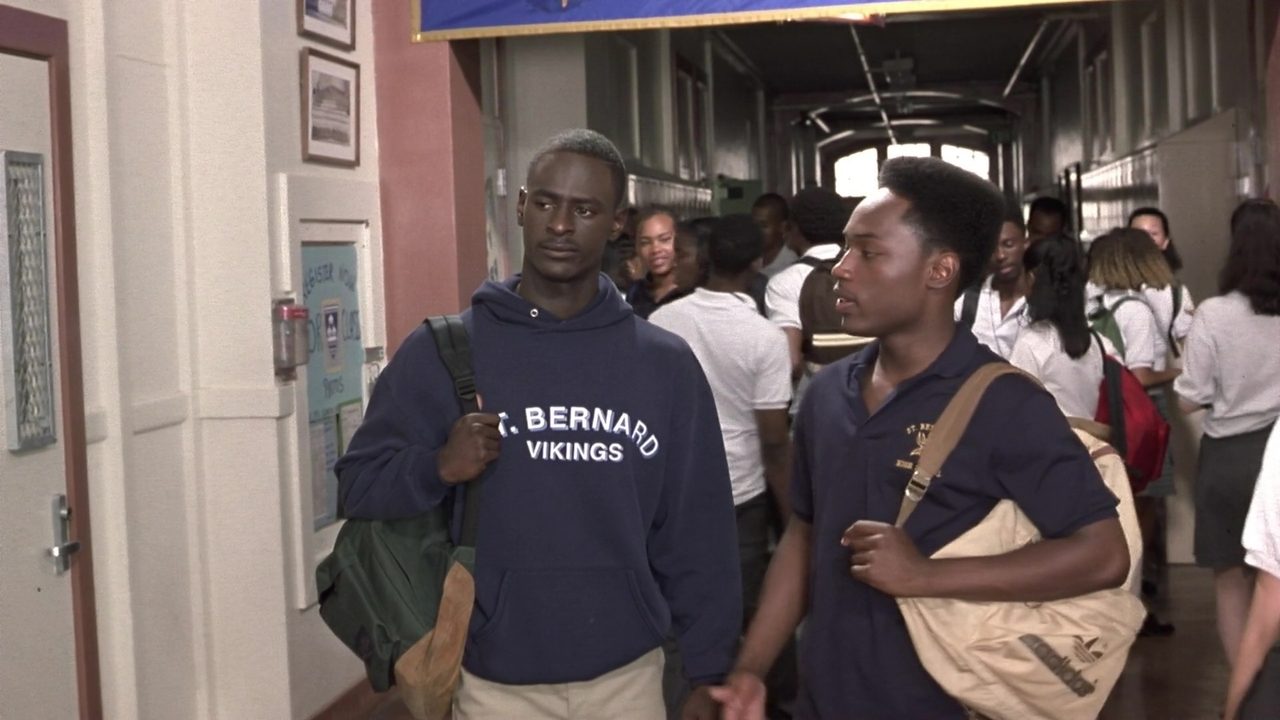
So many coming-of-age stories feel generic, placeless. The Wood is different. Inglewood isn't just a backdrop; it’s woven into the fabric of the narrative. Famuyiwa, drawing heavily from his own upbringing (this film feels deeply personal, almost semi-autobiographical), captures the specific textures of this community in the 80s – the house parties spilling into the street, the importance of the local roller rink, the cruise down Crenshaw Boulevard. There's a specificity here that grounds the universal themes. This wasn't just any suburban adolescence; it was this one, rendered with affection and knowing detail. It’s worth noting Famuyiwa filmed largely on location, adding another layer of authenticity that shines through, even on a fuzzy VHS transfer viewed on a CRT. It feels lived-in.
Retro Rhythms and Threads
And oh, the details! The Wood absolutely nails the mid-80s aesthetic, not just as set dressing, but as part of the characters' identities. The Jheri curls dripping activator, the coveted K-Swiss sneakers, the importance of having the right cassette tape for the moment – these aren't just jokes; they're signifiers of belonging and aspiration within their world. Famuyiwa, who also co-wrote the script with Todd Boyd, understands how music acts as the ultimate time machine. The soundtrack is practically another character, a perfectly curated mix of 80s hip-hop and R&B classics (UTFO's "Roxanne, Roxanne," anyone?) that instantly transports you. I remember seeing this in the theater back in '99, co-produced by MTV Films (a marker of the era itself), and being struck by how right it all felt. It wasn't parody; it was remembrance.
This authenticity reportedly came from Famuyiwa's commitment to reflecting his own experiences. The film, made for a relatively modest $6 million, went on to earn a respectable $25 million at the US box office, but its real success lies in the enduring affection it holds for fans. It became something of a cult classic on home video, precisely because it felt so genuine.
A Gentle Honesty
What elevates The Wood beyond mere nostalgia trip is its gentle honesty. It acknowledges the awkwardness, the heartbreaks, the occasional dangers of growing up, but does so without resorting to heavy melodrama or harmful stereotypes. There are moments of real vulnerability, particularly in Young Mike’s tentative steps toward romance and the trio’s navigation of adolescent rites of passage (like crashing their first high school party or dealing with local toughs). Famuyiwa directs with a light touch, blending humor and heart effortlessly. It's a film about Black men and their friendships that feels refreshingly normal, centered on shared history and affection rather than external conflict or social commentary – though the specificity of its setting certainly adds a layer of cultural context. It allows its characters, both young and old, to simply be.
Lingering Echoes of Friendship
Does Roland make it to the altar? That’s the narrative engine, but the destination feels less important than the journey – both the literal one across LA and the figurative one back through memory. The Wood reminds us how our past shapes our present, how the bonds forged in those formative years provide an anchor in the complexities of adult life. It asks us, gently, to consider who our own "Mike, Roland, and Slim" are – the people who knew us then and still stand beside us now. Doesn't that shared history become more precious with each passing year?
Rating: 8.5/10
This score reflects the film's exceptional warmth, authentic performances (both casts), masterful use of nostalgia, and heartfelt portrayal of enduring friendship. It captures a specific time and place with genuine affection, and its blend of humor and sincerity makes it incredibly rewatchable. It may not have the dramatic fireworks of some coming-of-age epics, but its gentle power and relatable core resonate deeply, especially for those of us who navigated our own awkward teenage years in the glow of the 80s.
The Wood is more than just a trip down memory lane; it’s a testament to the foundations of friendship, a reminder that sometimes, looking back is the best way to understand how to move forward. A true gem from the late VHS era.