Where does the mask end and the man begin? It's a question that hangs heavy in the stale cigarette smoke and cheap wood paneling of Donnie Brasco, clinging to the synthetic fibers of tracksuits and the worn leather of car seats. Released in 1997, but depicting the gritty underworld of the late 1970s, this isn't your typical rise-and-fall gangster epic. Instead, director Mike Newell – perhaps surprisingly, given his success with the lighter Four Weddings and a Funeral (1994) – crafts something far more intimate and unsettling: a character study wrapped in the guise of a mob procedural, exploring the corrosive effect of deep undercover work on the human soul.
### Beyond the Glamour: A Different Kind of Mob
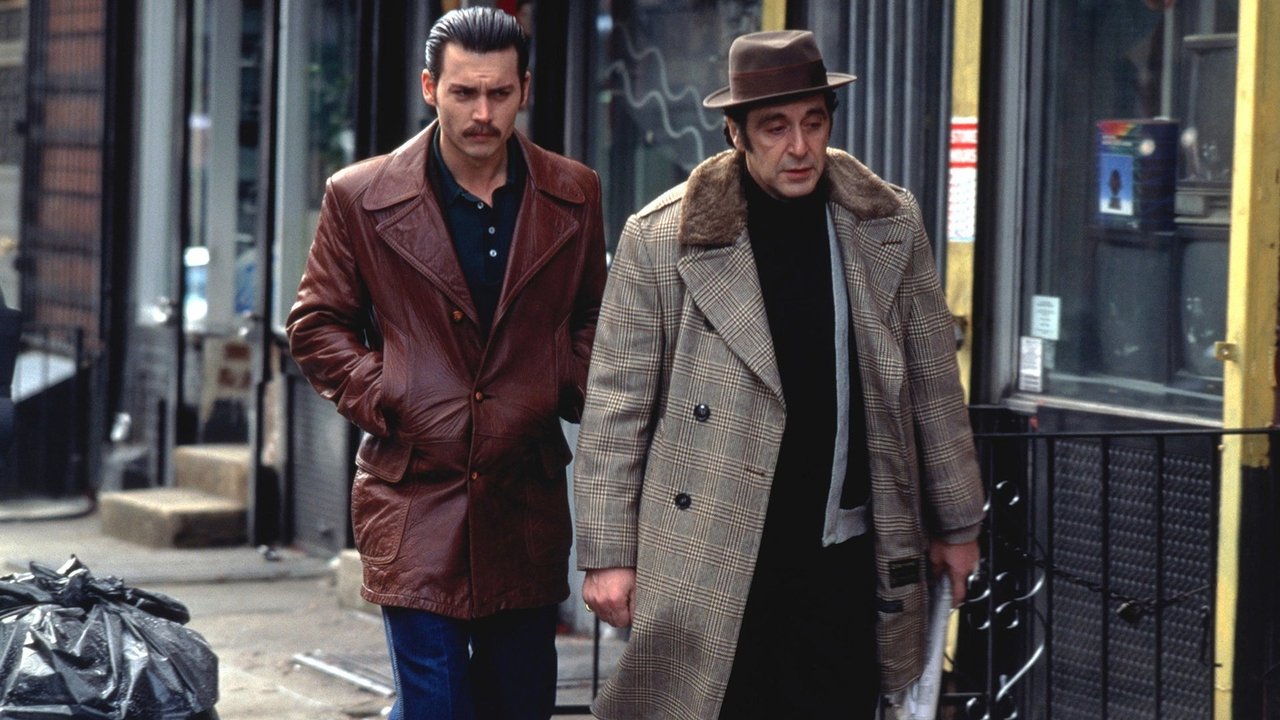
Forget the operatic grandeur of The Godfather or the hyper-stylized violence of Goodfellas. Donnie Brasco paints a portrait of organized crime that feels startlingly mundane, almost pathetic. Based on the astonishing true story of FBI agent Joseph D. Pistone, who spent six years infiltrating the Bonanno crime family under the alias Donnie Brasco, the film plunges us into the world of low-level wiseguys. These aren't puppet masters pulling strings from shadowy boardrooms; they're grinders, hustlers, perpetually worried about making ends meet, clinging to a warped code of honor that feels increasingly out of step even within their own world. Newell and cinematographer Peter Sova capture this beautifully, opting for a muted color palette and claustrophobic interiors. The locations, largely shot on the streets of New York, feel authentic, lived-in, and devoid of any romanticism. This lack of gloss is precisely what makes the film so potent.
### The Mentor and the Mole
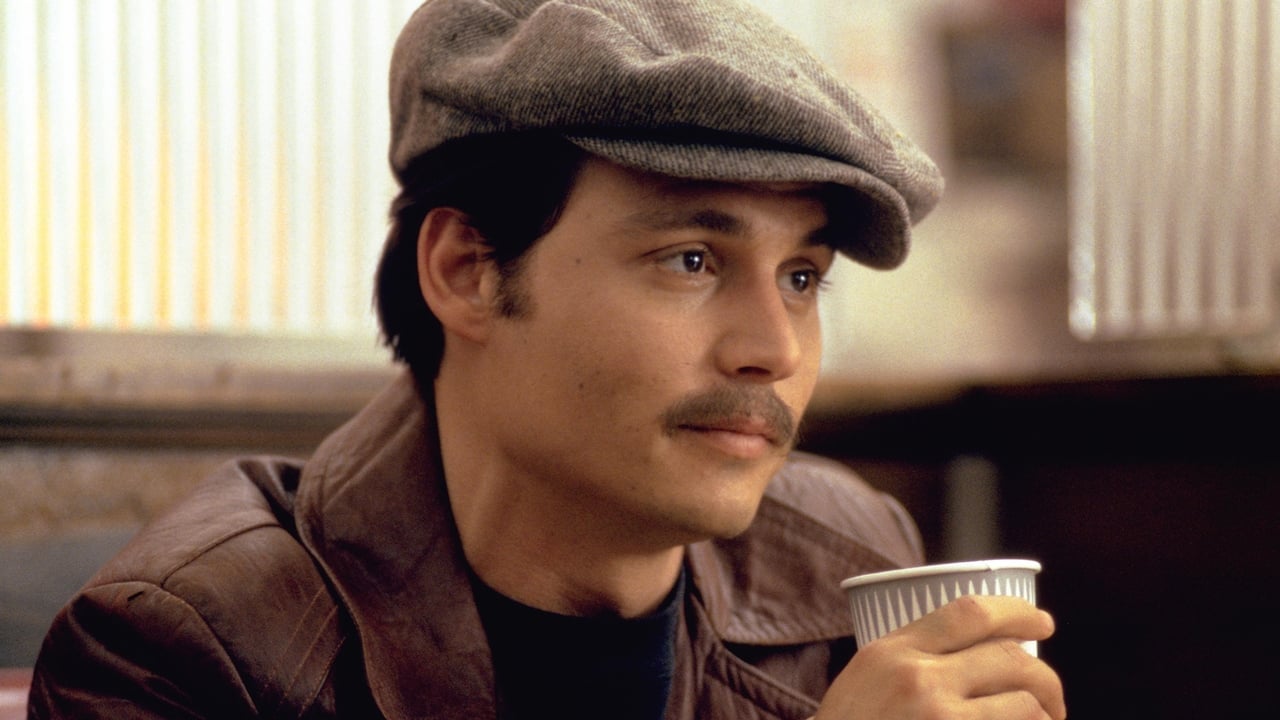
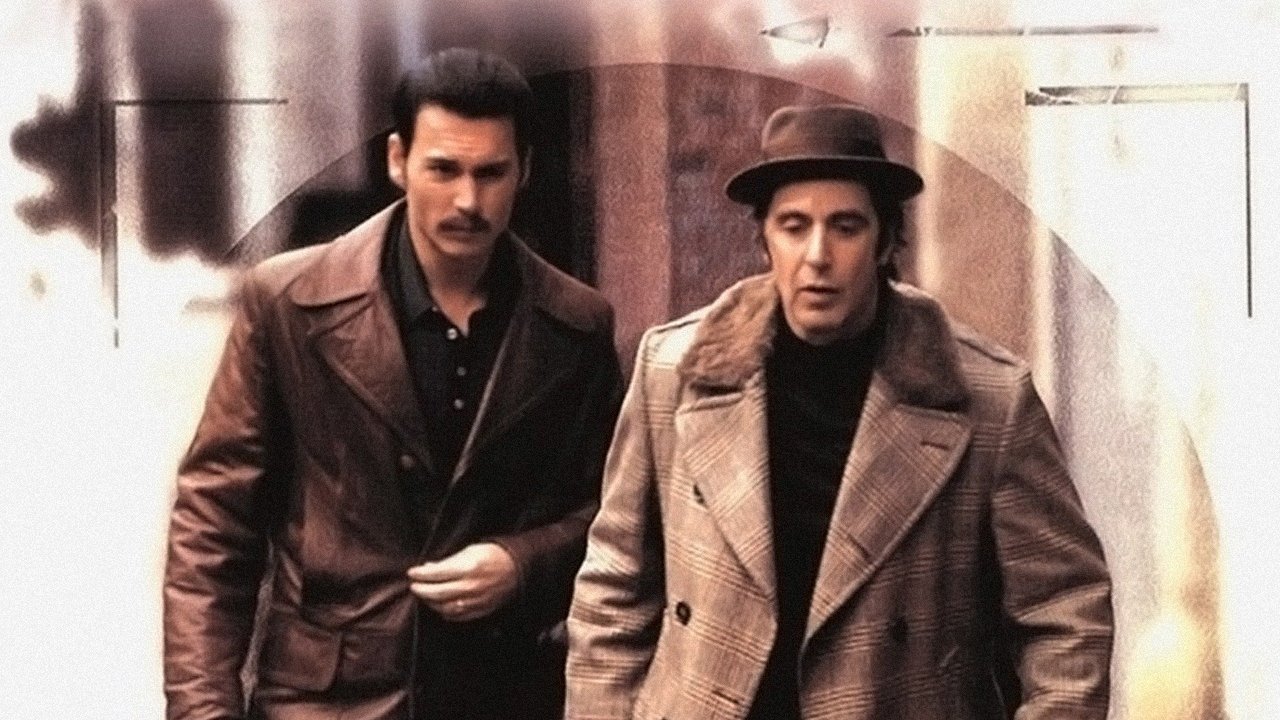
At the heart of the story lies the complex, almost familial relationship between Donnie Brasco (Johnny Depp) and Benjamin "Lefty" Ruggiero (Al Pacino). Lefty, a weary, passed-over soldier desperate for respect and a big score, sees in the sharp, seemingly loyal Donnie a protégé, perhaps even the son he never truly connected with. Pacino, decades removed from the simmering intensity of Michael Corleone, delivers a performance of profound vulnerability and pathos. His Lefty is boastful yet insecure, capable of violence but ultimately defined by a melancholic loyalty and a lifetime of disappointments. There's a heartbreaking scene where Lefty tries to explain the intricacies of mob etiquette, clinging to rules that seem increasingly irrelevant – it’s pure Pacino, finding the tragic humanity beneath the bluster. It’s said Pacino didn’t meet the real Lefty (who was incarcerated), relying instead on Paul Attanasio's Oscar-nominated script and his own instincts to build this unforgettable character.
Opposite him, Johnny Depp gives arguably one of the finest performances of his career. His Donnie is a masterclass in watchful stillness and suppressed turmoil. We see the constant calculations behind his eyes, the subtle shifts as the lines between Joe Pistone, the FBI agent, and Donnie Brasco, the wiseguy, begin to blur. Depp reportedly spent significant time with the real Pistone to understand the psychological toll of living a lie for so long. That research pays off magnificently. The tension isn't just in the external threat of discovery, but in the internal erosion of identity. Can you spend six years pretending to be someone else without losing a part of yourself? The film suggests, chillingly, that perhaps you can't. The chemistry between Depp and Pacino is electric, a fragile dance of trust and betrayal where genuine affection becomes hopelessly entangled with deceit.
### Truth Lurking Under the Surface
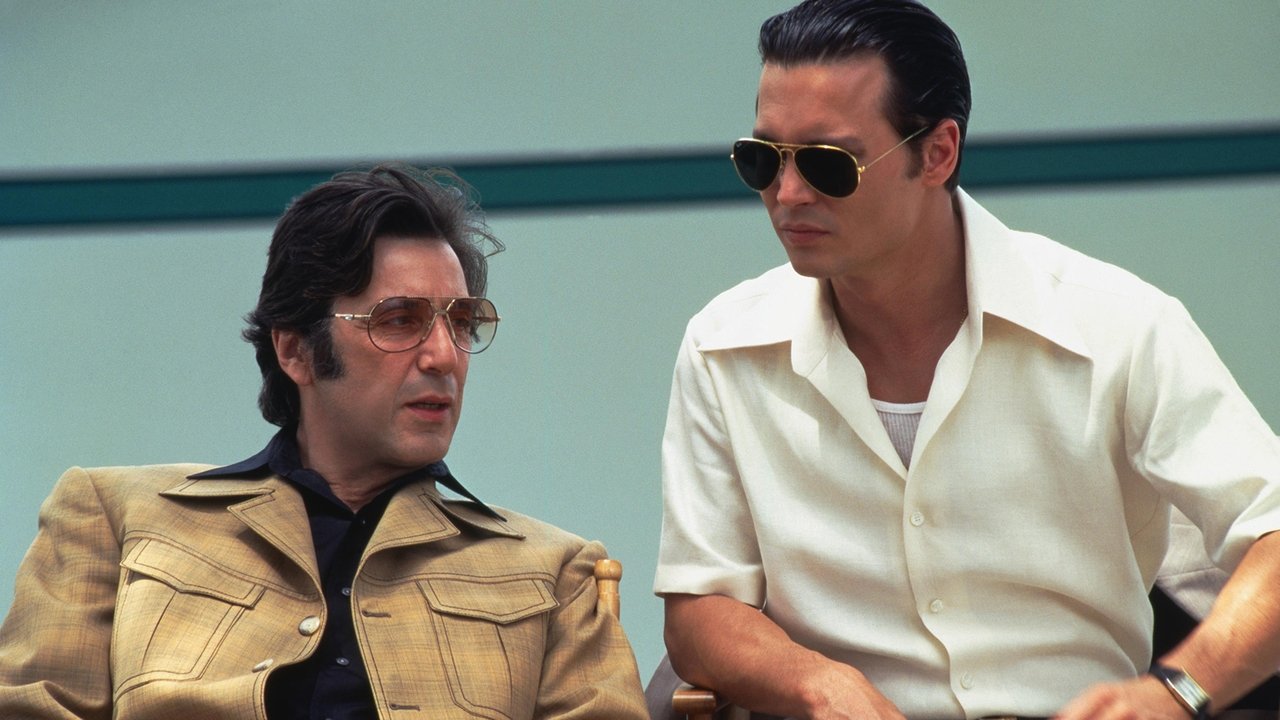
Paul Attanasio (Quiz Show, Disclosure), adapting Pistone's own memoir, crafts dialogue that crackles with authenticity – the slang, the rhythms, the casual brutality mixed with moments of surprising tenderness. The supporting cast, including Michael Madsen as the ambitious Sonny Black and Anne Heche as Joe Pistone’s increasingly estranged wife, Maggie, are equally strong, grounding the central drama. Heche, in particular, provides a vital anchor to the 'real' world Joe is sacrificing, her scenes highlighting the devastating personal cost of his mission.
It’s fascinating to remember this pulling this tape off the rental shelf back in the day. Coming off the back of more explosive 90s crime flicks, Donnie Brasco's deliberate pace and focus on character felt different, more mature. It wasn't just about the mechanics of the infiltration; it was about the why and the what next. The real-life operation led to over 200 indictments and 100 convictions, crippling the Bonanno family. Yet, the film wisely keeps its focus tight on Donnie and Lefty. Made on a respectable $35 million budget, it found both critical acclaim and box office success (grossing nearly $125 million worldwide), proving audiences were ready for a more nuanced take on the gangster genre. One fascinating tidbit is how meticulously the film recreated the era's details, right down to the specific slang Pistone documented – "fuggedaboutit" gained wider popularization thanks, in part, to its prominent use here.
### The Lingering Chill

What stays with you long after the VCR whirs to a stop isn't necessarily the plot mechanics or the threat of violence, but the profound sense of melancholy. It's the image of Lefty, bundled in his coat, shuffling down a wintery street, clinging to outdated notions of loyalty in a world that’s already discarded them. It’s the look in Donnie’s eyes as he realizes the emotional wreckage left in his wake, both in his family life and in the life of the man who trusted him implicitly. Donnie Brasco forces us to confront uncomfortable questions about loyalty, identity, and the ambiguous nature of good and evil when operating in the deepest shades of grey. Does the end always justify the means, especially when the means involve such profound personal betrayal?
Rating: 9/10
This score reflects the film's exceptional performances, particularly from Pacino and Depp, its intelligent script, authentic atmosphere, and its willingness to explore the complex psychological and emotional toll of undercover work without resorting to genre clichés. It's a gripping, thoughtful, and ultimately tragic crime drama that stands as one of the best of the 90s, avoiding easy answers and leaving a lasting impression. It’s a film that doesn't just show you the life; it makes you feel the weight of it.