From Dusk Till Dawn 3: The Hangman's Daughter
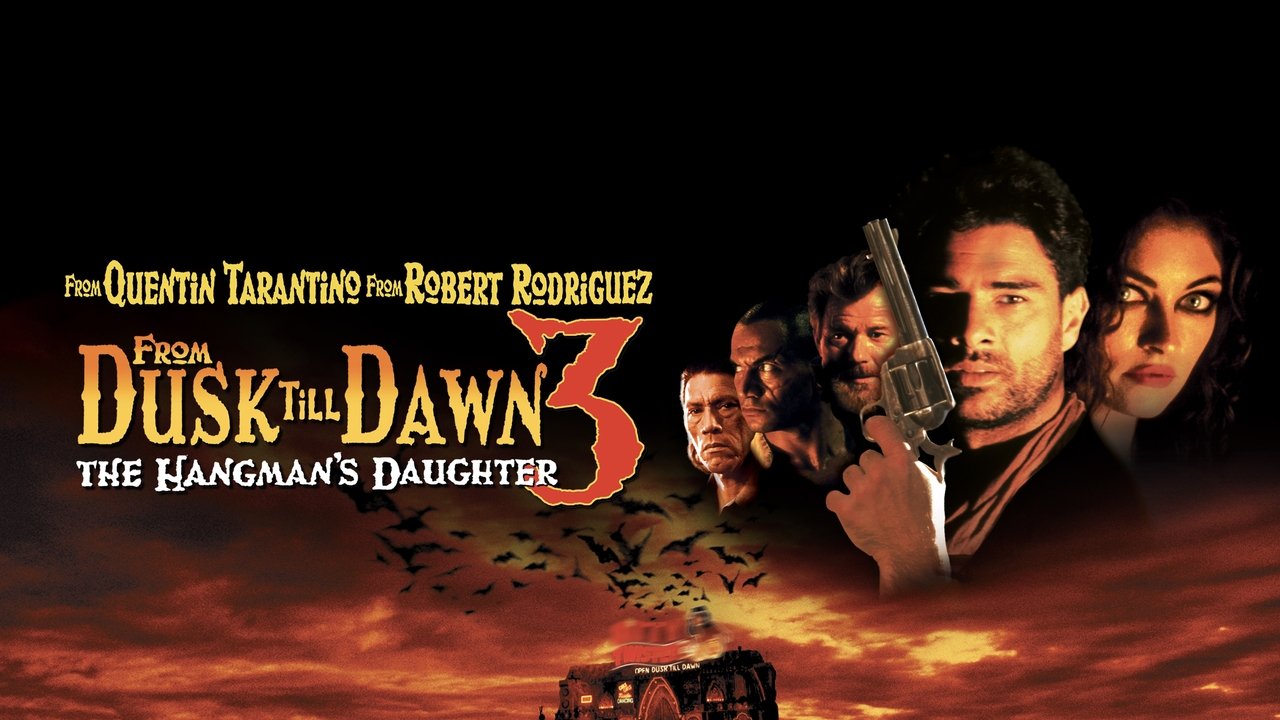
The desert wind carries whispers long before the screams begin. It speaks of desperation, damnation, and deals struck under a blood-red moon. Some prequels feel like afterthoughts, hasty cash-ins churned out by the studio machine. But sometimes, just sometimes, they tap into the murky origins of a story we thought we knew, adding a layer of grim inevitability. Such is the strange case of From Dusk Till Dawn 3: The Hangman's Daughter (2000), a film that clawed its way onto rental shelves in the dying light of the VHS era, promising answers about the origins of the Titty Twister's serpentine queen.
### Dust, Desperadoes, and Damnation
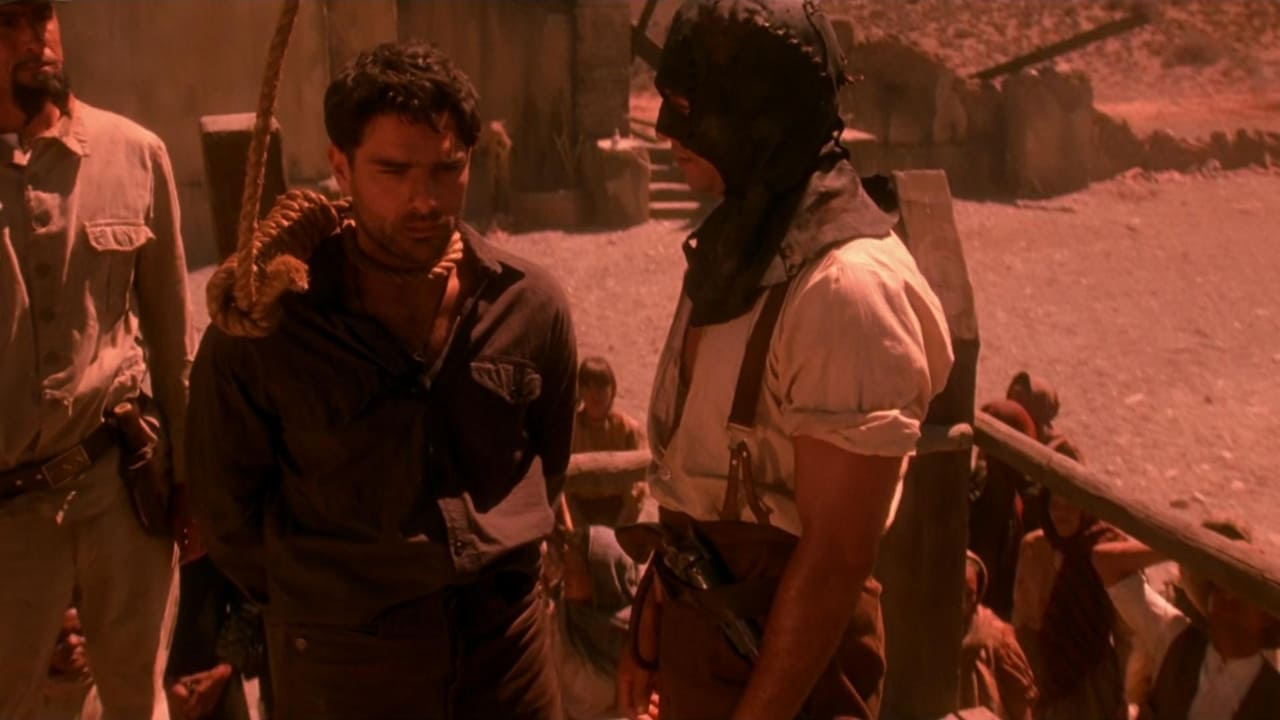
Set roughly a century before the Gecko brothers blew into that infamous Mexican watering hole, this entry, directed by P. J. Pesce and penned by Álvaro Rodríguez (cousin of the original’s maestro, Robert Rodriguez, who produces here), leans heavily into its Western roots. We follow Johnny Madrid (Marco Leonardi, who many might remember from Cinema Paradiso or later Once Upon a Time in Mexico), a charismatic outlaw who escapes the hangman's noose with the titular daughter, Esmeralda (Ara Celi), in tow. Pursued by the relentless Hangman (Temuera Morrison, bringing that intense presence years before donning Mandalorian armor) and a posse including the local lawman (Michael Parks reprising his iconic Earl McGraw role, albeit in a temporally... flexible manner), their paths converge on an isolated stagecoach inn. Sound familiar?
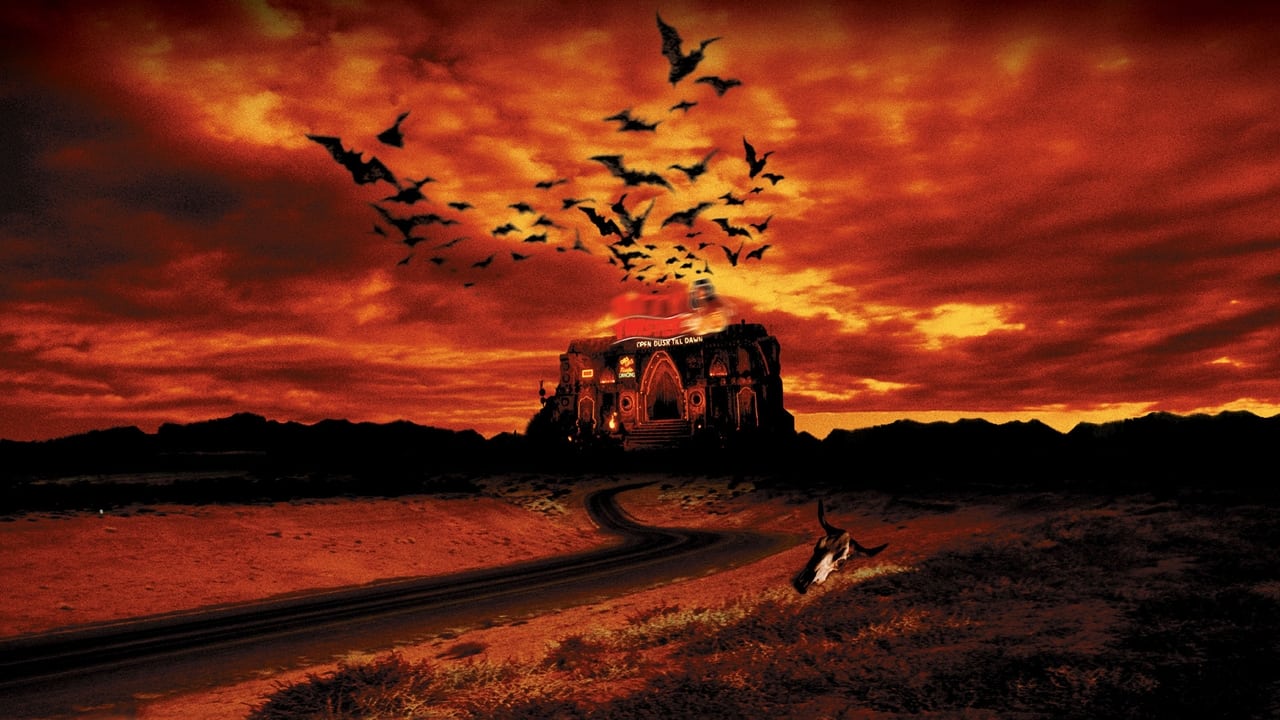
The film wisely spends its first half building a surprisingly effective Western atmosphere. The sun beats down, the dust settles thick, and the tension simmers between the desperate characters trapped together – outlaws, pious travelers, and the ever-watchful innkeeper Quixtla (Sonia Braga, adding welcome gravitas). It feels less like a direct-to-video horror sequel and more like a gritty period piece, albeit one populated by familiar archetypes. The commitment to this dusty, dangerous frontier world is commendable, grounding the inevitable supernatural chaos that awaits.
### When the Sun Goes Down
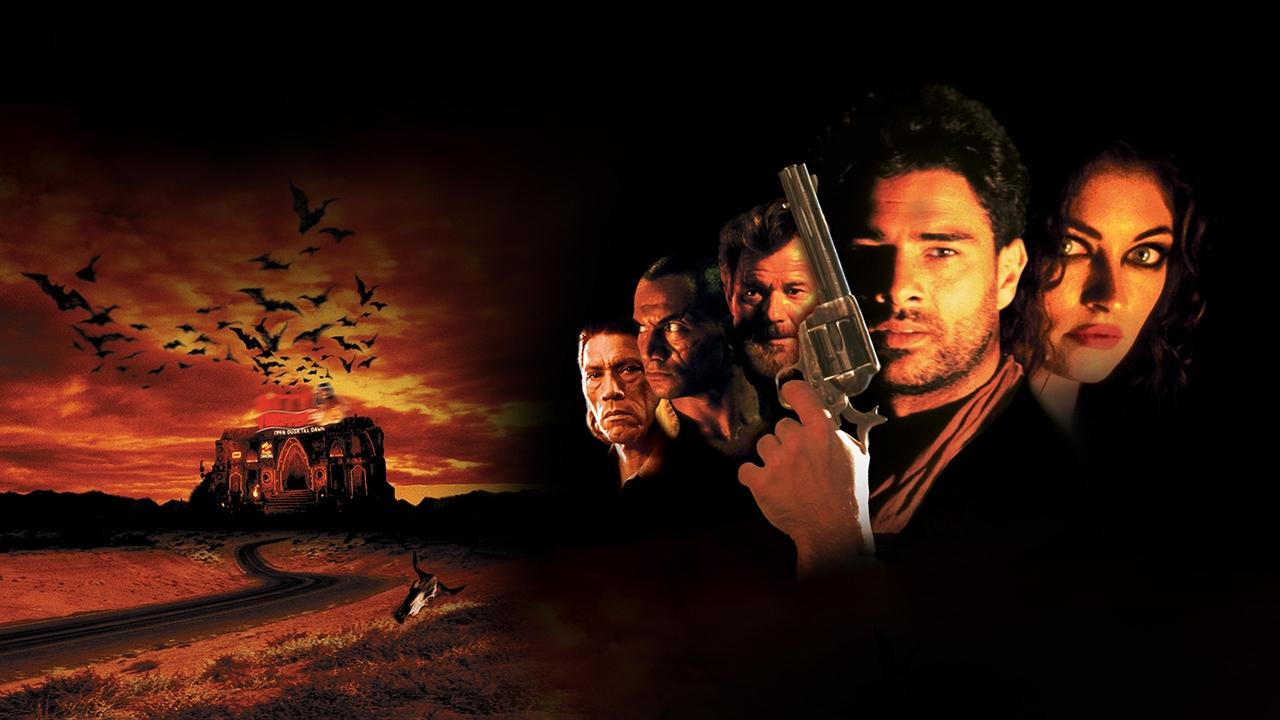
Of course, this being a From Dusk Till Dawn film, the relative calm can't last. As night falls, the inn reveals its true, bloodthirsty nature. The transition from Western standoff to vampire siege isn't quite as jarring or tonally audacious as in the original Quentin Tarantino-scripted classic, but it delivers the gory goods fans expect. The practical effects, while perhaps not possessing the budget of the original, have that tangible, late-90s/early-2000s DTV charm. There's plenty of staking, biting, and exploding vampires, handled with a B-movie enthusiasm that's hard to dislike if you're in the right frame of mind. Remember renting this, maybe as a double feature with the original, and just reveling in the straightforward creature-feature mayhem?
Retro Fun Fact: The filmmakers embraced the challenge of a prequel. Álvaro Rodríguez reportedly delved into vampire lore and Mexican mythology to flesh out the backstory of Santanico Pandemonium, trying to give Esmeralda's transformation a sense of tragic destiny rather than just making her a monster-of-the-week. The connection isn't just titular; Esmeralda is revealed to be the cursed offspring of The Hangman and Quixtla, destined to become the vampire princess Santanico.
### Parks, Pandemonium, and Prequel Problems
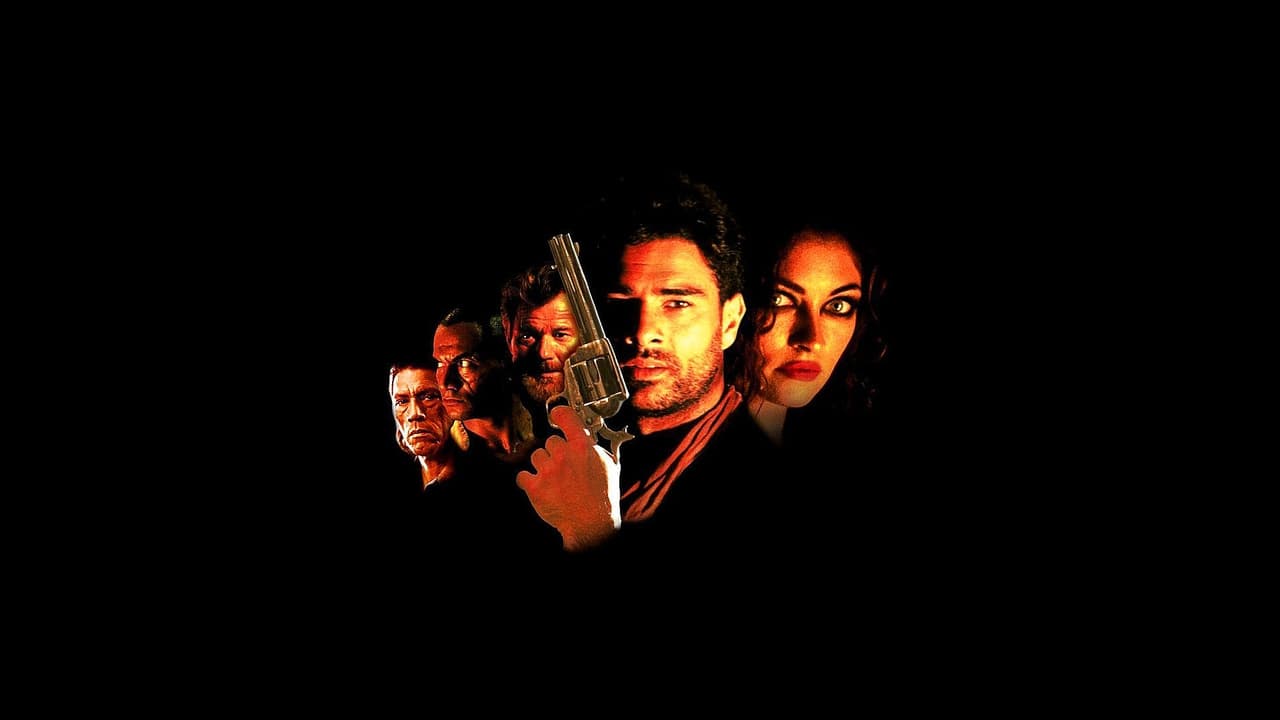
The performances are a mixed bag, but there are standouts. Marco Leonardi makes for a suitably dashing anti-hero. Ara Celi handles the transformation from innocent-ish captive to demonic force effectively. But the real anchor, arguably, is Michael Parks. Seeing Earl McGraw again, even if his presence here is a delightful chronological impossibility (or perhaps suggests the McGraw lineage has always tangled with twilight terrors?), is pure gold. Parks embodies that weary, seen-it-all lawman persona perfectly, delivering his lines with that signature dry wit. It's a performance that elevates the material considerably. There's a story that Parks enjoyed returning to the character so much, he slipped back into McGraw's cadence almost instantly, much to the crew's delight.
Does the film fully succeed as Santanico's origin story? Partially. It gives her a tragic background, tying her birth to the dark powers presiding over the cursed inn (later the Titty Twister). It explains her name and sets the stage for her reign. However, it doesn't quite capture the same lightning-in-a-bottle energy as Salma Hayek's iconic performance. Still, for fans eager for any expansion of the FDTD universe back then, it scratched an itch.
Another Retro Fun Fact: Shot largely in South Africa to replicate the Mexican desert landscape (a common cost-saving measure for DTV productions of the era), the production faced the usual challenges of location shooting – dust, heat, and managing practical effects under less-than-ideal conditions. The budget, reportedly around $5 million (a fraction of the original's $19 million), meant relying heavily on practical gore and creature work, contributing to that distinct late-VHS horror feel.
### Legacy in the Shadow of the Original
The Hangman's Daughter is undeniably a product of its time – a direct-to-video prequel aiming to capitalize on a cult favorite. It lacks the sharp dialogue of the Tarantino/Rodriguez original and the gonzo energy of the second film (Texas Blood Money). Yet, it possesses a certain gritty charm and ambition. It tries to blend genres, expand the mythology, and deliver both Western tension and vampire horror. It doesn't always succeed, and the pacing can drag before the fangs come out, but it’s far from the lazy cash-grab it could have been. It feels like a genuine attempt to tell another story within that blood-soaked universe.
Rating: 6/10
Justification: The score reflects a film that delivers serviceable genre entertainment, particularly for fans of the franchise. It boasts a strong Western atmosphere in its first half, features a welcome return for Michael Parks, and offers some decent practical gore effects. However, it's held back by its DTV limitations, some uneven performances, and the inescapable fact that it lives entirely in the shadow of the iconic original. It’s a solid rental-night discovery, but not quite essential viewing.
Ultimately, From Dusk Till Dawn 3: The Hangman's Daughter is a dusty, blood-stained curiosity from the tail end of the VHS era. It’s a film that understands the appeal of mixing cowboys and vampires, even if it doesn't quite reach the heights of its predecessors. Worth digging out of the archive? For FDTD completists and fans of gritty vampire Westerns, absolutely. Just keep your expectations tethered somewhere between the saloon door and the crypt entrance.