Okay, fellow tapeheads, let's rewind to the year 2000. The Y2K bug hadn't ended the world, Blockbuster aisles were still a weekend destination, and Saturday Night Live was still trying to recapture the movie magic of Wayne's World. Enter Leon Phelps, smooth-talking radio host, lover of the ladies (and Courvoisier), stepping out of Studio 8H and onto the big screen in The Ladies Man. I distinctly remember grabbing this one off the "New Releases" shelf, maybe a little unsure if a 90-minute dose of Leon was exactly what the doctor ordered, but hey, it was Saturday night.
### From Sketch to Screen: A Risky Proposition?
Let's be honest, spinning SNL sketches into feature films was always a gamble, especially after the stumbles of It's Pat and Stuart Saves His Family in the mid-90s. But Tim Meadows, who co-wrote the script with fellow SNL scribes Dennis McNicholas and Andrew Steele, had created such a distinct and strangely endearing character in Leon Phelps. Under the guidance of producer Lorne Michaels, they decided to give it a shot. Bringing Leon's 70s-infused, lisping Casanova persona to life for a full movie was ambitious. Could the joke sustain itself? The answer, like Leon's advice, is... complicated, but often pretty funny.
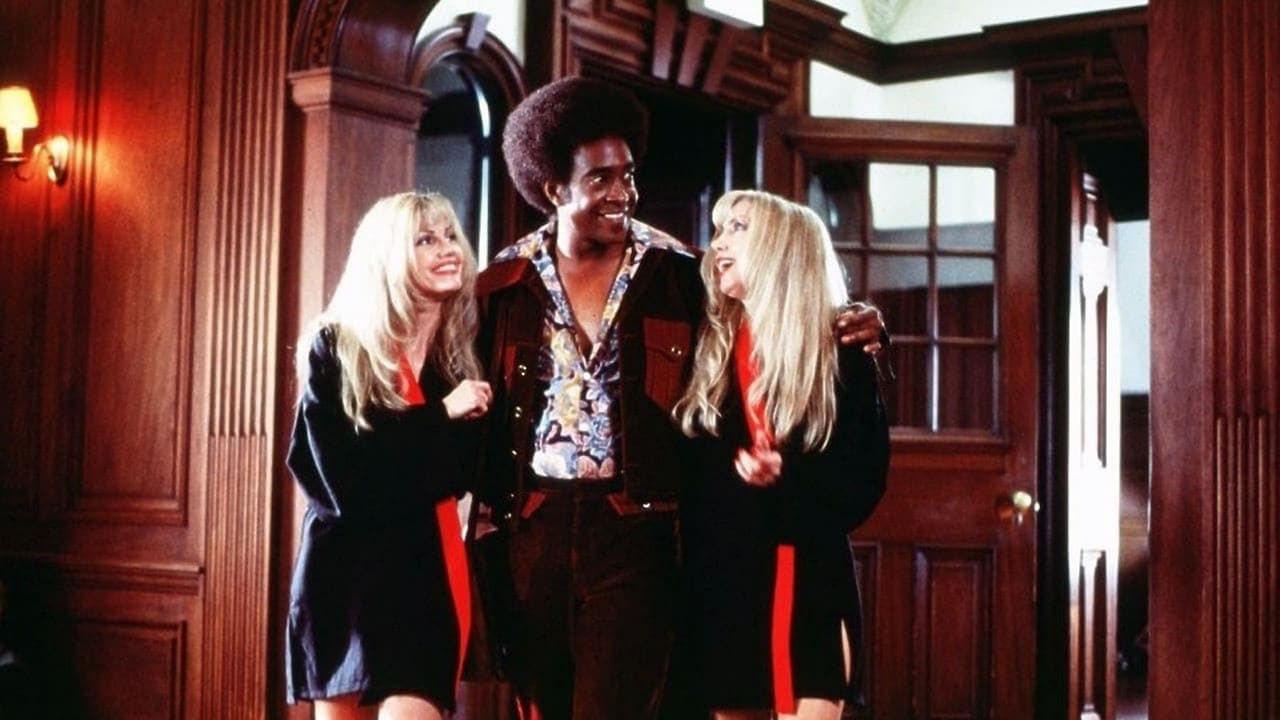
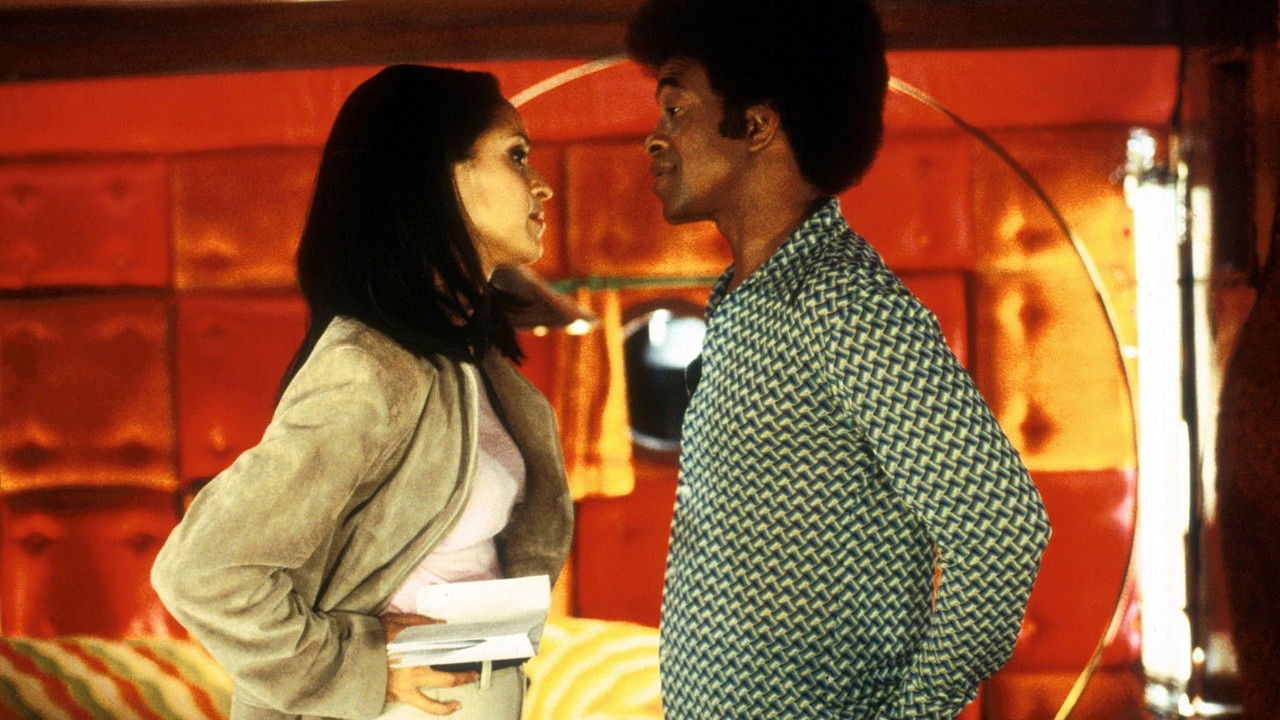
The director tapped for this mission was Reginald Hudlin, a name familiar to anyone who grooved to House Party (1990) or appreciated the stylish Boomerang (1992). Hudlin brings a certain visual flair, leaning into the slightly exaggerated 70s aesthetic – the afros, the threads, the wood-paneled radio station – that clashes amusingly with its turn-of-the-millennium release date. It gives the film a specific, slightly out-of-time feel that works surprisingly well on a fuzzy CRT.
### Yeah, That's The Ticket... Sort Of
The plot, naturally, is thinner than Leon's patience for commitment. After his on-air advice gets a little too blue for the station manager (played with delightful exasperation by Eugene Levy), Leon and his loyal producer Julie (Karyn Parsons, forever fondly remembered as Hilary Banks from The Fresh Prince of Bel-Air) are fired. Jobless and needing cash, Leon receives a mysterious letter from a former flame promising financial support, if only he can figure out which one she is. This sparks a "quest" that mostly serves as an excuse for Leon to interact with a parade of past conquests and encounter the "Victims of the Smiling Ass" (V.S.A.), a group of husbands and boyfriends seeking revenge, led by a hilariously overwrought Will Ferrell in wrestler guise.
It’s not exactly Shakespeare, folks. The narrative thread is primarily there to hang jokes on, revisiting Leon's signature catchphrases and romantic (?) philosophies. Some bits land beautifully, powered entirely by Meadows' utter commitment. Others... well, let's just say humor is subjective and has definitely evolved. A notable piece of trivia: the film had a decent budget for a comedy at the time, around $24 million, but struggled at the box office, only pulling in about $13.7 million domestically. It definitely found more life on home video and cable, becoming one of those movies you'd catch late at night.
### Meadows Shines, Supported by Smooth Operators
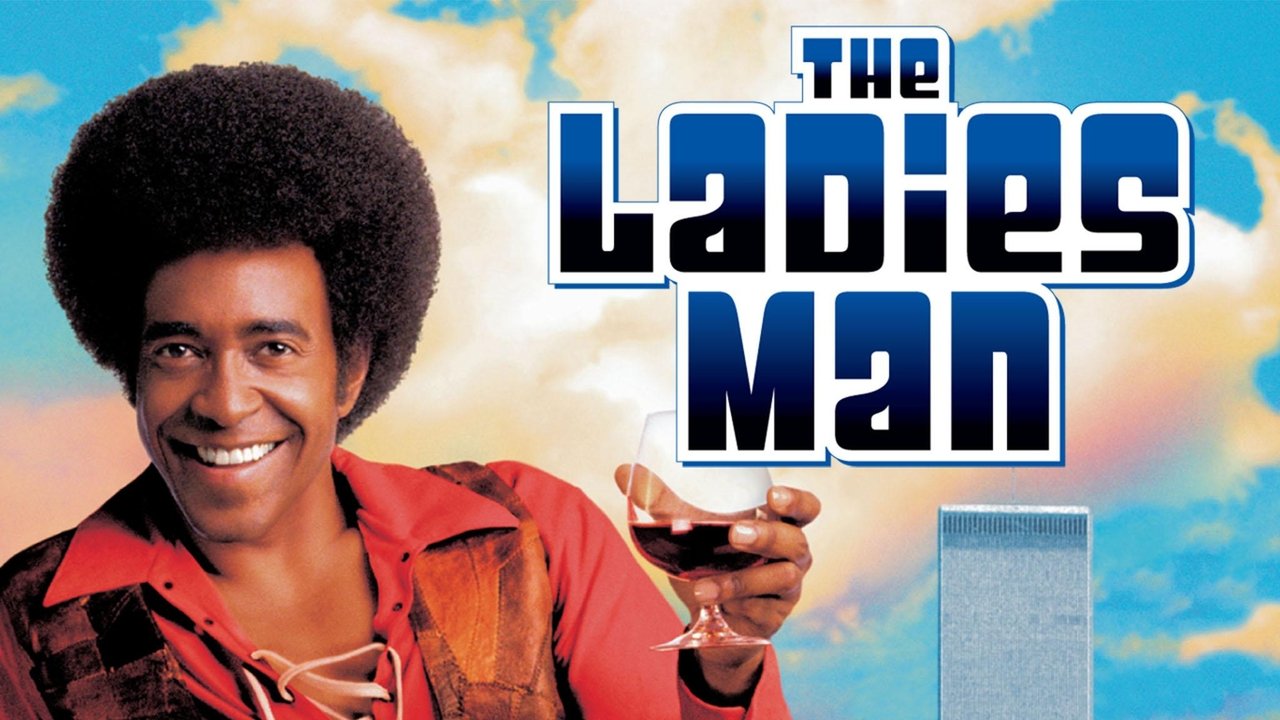
The absolute anchor of The Ladies Man is Tim Meadows. He is Leon Phelps. The lisp, the confident posture, the unwavering belief in his own questionable charm – it's a masterclass in inhabiting a comedic character. Even when the script falters, Meadows never does. He sells every line, every reaction, with a conviction that elevates the material. Seeing him carry a whole film after years as a reliable SNL ensemble player felt earned.
The supporting cast adds considerable flavour. Karyn Parsons provides the grounded heart of the film as Julie, the capable producer who somehow tolerates Leon's antics. And then there's the legendary Billy Dee Williams as Lester, the suave bartender at Leon's favourite hangout. His presence lends an almost surreal layer of genuine 70s cool to the proceedings. Just seeing Lando Calrissian himself dispensing advice alongside Leon Phelps is worth a chuckle. Was casting Billy Dee Williams a stroke of genius? Yeah, I think so.
### The Charm of Low-Stakes Silliness
What makes The Ladies Man work, at least partially, is its refusal to take itself seriously. It knows it's based on a one-joke character, and it leans into the absurdity. The humor is broad, sometimes bordering on cringey by today's standards, but often delivered with a wink. It doesn't aspire to be high art; it aims to make you laugh with goofy situations and Meadows' impeccable timing. It captures that specific late-90s/early-2000s SNL movie vibe – not quite a classic, perhaps, but possessing a certain nostalgic charm. You watch it remembering a time when studios were still throwing money at sketch comedy adaptations, hoping for the next Blues Brothers or Wayne's World.
It's a time capsule of sorts, reflecting comedic sensibilities that feel distinctly of that era. The jokes about sex and relationships might seem dated or repetitive now, but viewed through the lens of its time, it was par for the course for SNL-adjacent humor.
Rating: 6/10
Justification: The Ladies Man is undeniably flawed – the plot is negligible, and the humor is hit-or-miss, often repeating the same beats. However, Tim Meadows' performance is genuinely brilliant comedic work, fully committed and consistently funny even when the material isn't. The supporting cast adds value, and the film possesses a specific, goofy charm that reflects its SNL origins and the tail-end of the VHS era's comedy landscape. It earns points for sheer character embodiment and nostalgic likability, even if it doesn't quite sustain its premise for 90 minutes.
Final Sip: Crack open a metaphorical Courvoisier; The Ladies Man isn't the smoothest blend, but Tim Meadows delivers a full-bodied performance that provides a pleasant, if occasionally dated, comedic kick straight from the turn of the millennium. It's a fizzy, silly time capsule best enjoyed with lowered expectations and an appreciation for the era it came from.