Alright, pop that tape in the VCR, maybe give the heads a quick clean, because tonight we’re revisiting a sharp, cynical slice of 90s satire that might have slipped under your radar back in the day: 1996’s The Great White Hype. Forget explosive action for a moment; the real fireworks here are the verbal jabs and the skewering of media, race, and the glorious absurdity of prize fighting promotion. This one wasn’t a blockbuster smash gathering dust on the ‘New Releases’ wall for months, oh no. This was more likely found lurking in the comedy section, maybe rented on a whim, and delivering way more bite than its generic cover suggested.
### Spinning Gold from Boredom
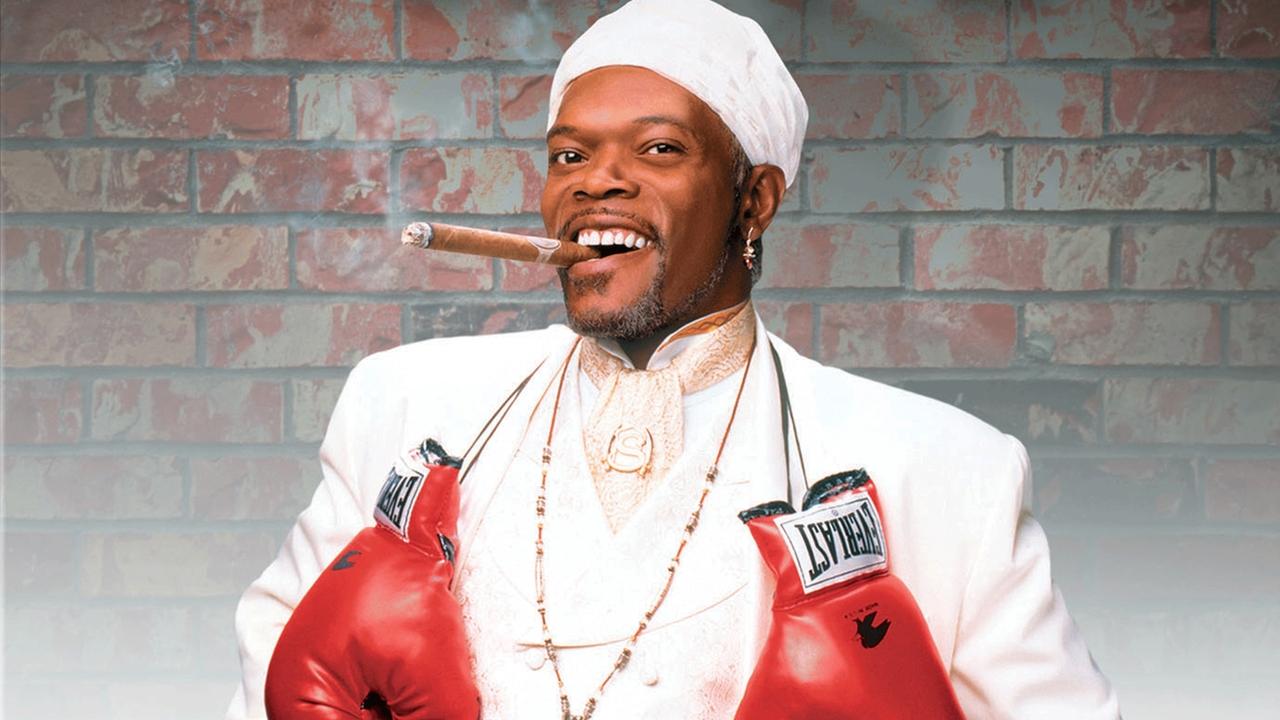
The premise, cooked up by the sharp minds of Ron Shelton (the guy who gave us sports movie gold like Bull Durham (1988) and White Men Can’t Jump (1992)) and Tony Hendra (This Is Spinal Tap), is deliciously cynical. Flamboyant boxing promoter Reverend Fred Sultan, played with electrifying, larger-than-life gusto by Samuel L. Jackson, faces a problem. His undefeated heavyweight champion, James "The Grim Reaper" Roper (Damon Wayans), is too good. So good, in fact, that nobody wants to pay to see him demolish another opponent. Pay-per-view numbers are tanking. Sultan’s solution? Find a white challenger – any white challenger – to tap into those deep-seated, uncomfortable racial narratives that still sell tickets. It’s a premise that felt timely in the era of Mike Tyson's dominance and the constant media narratives surrounding boxers, and honestly, it feels depressingly relevant even now.
### The Sultan of Sell
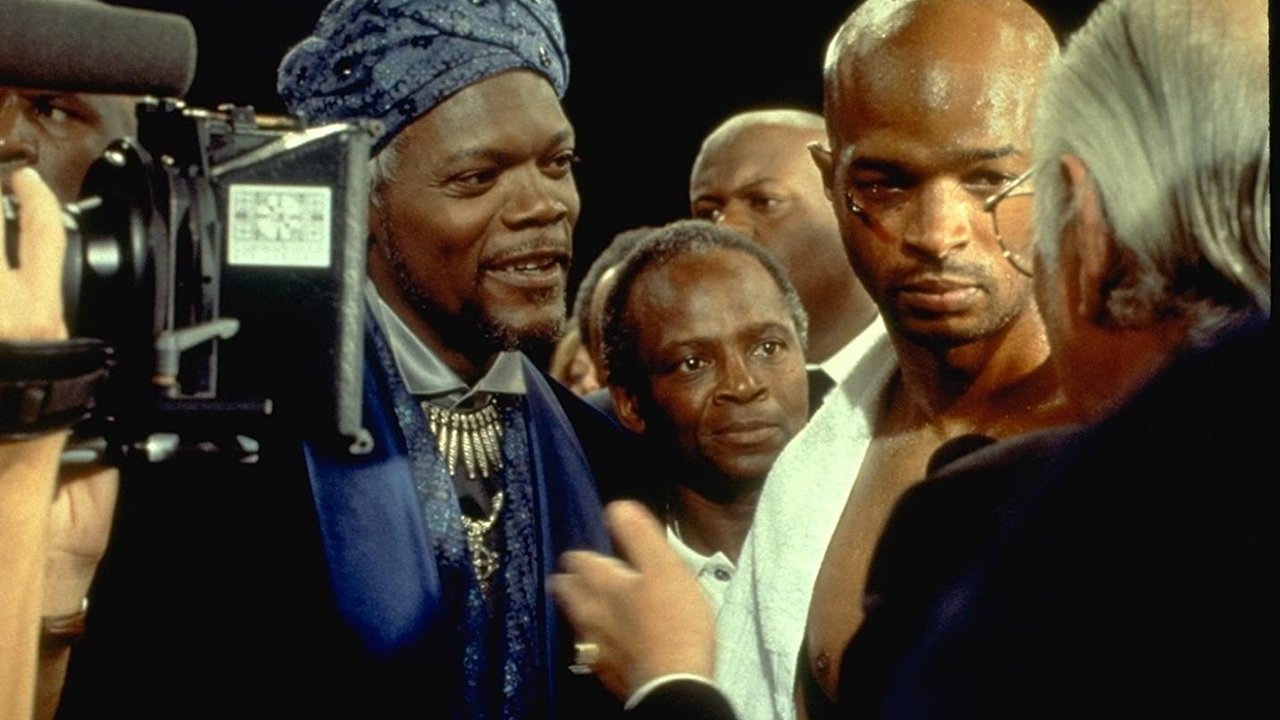
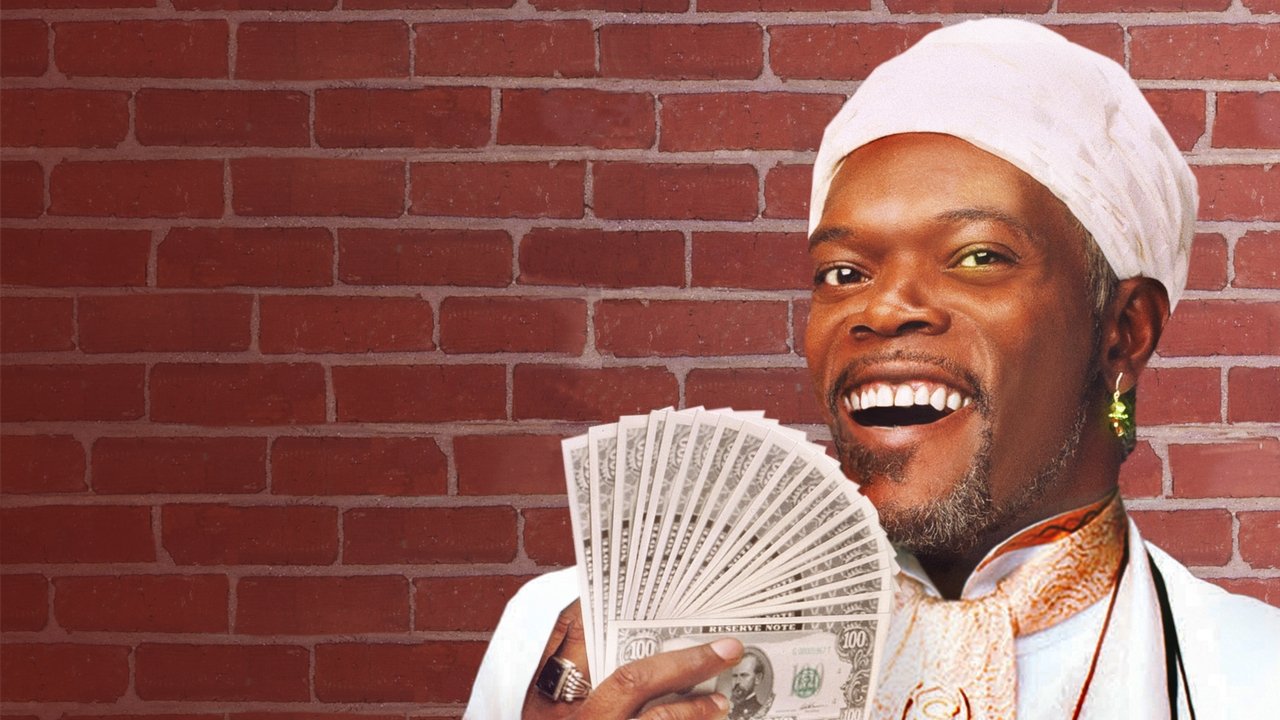
Let's be honest, the main reason to rewind this tape is Samuel L. Jackson. Fresh off his career-redefining turn in Pulp Fiction (1994), Jackson absolutely owns the screen as Reverend Sultan. He’s a whirlwind of fast talk, flashy suits, and hilariously transparent manipulation, channeling the spirit of real-life promoter Don King with audacious flair. It’s reported that Jackson drew heavily on King’s persona, and you can see it in every gesture, every perfectly timed utterance of "Believe you me!" He’s not just playing a character; he is the hype machine, radiating charisma even as he orchestrates a complete sham. The energy he brings is infectious, making even the most morally bankrupt schemes seem outrageously entertaining.
Retro Fun Fact: While the film satirizes the search for a "Great White Hope," a term born from the era of Jack Johnson in the early 20th century, its immediate inspiration was clearly the larger-than-life promoters of the 80s and 90s. The script itself reportedly bounced around for a bit before landing with director Reginald Hudlin. Hudlin, who’d already proven his knack for capturing youthful energy and cultural commentary with House Party (1990) and Boomerang (1992), brings a slick, fast-paced style that keeps the comedy moving, even when the plot mechanics feel a bit familiar.
### The Players in the Game
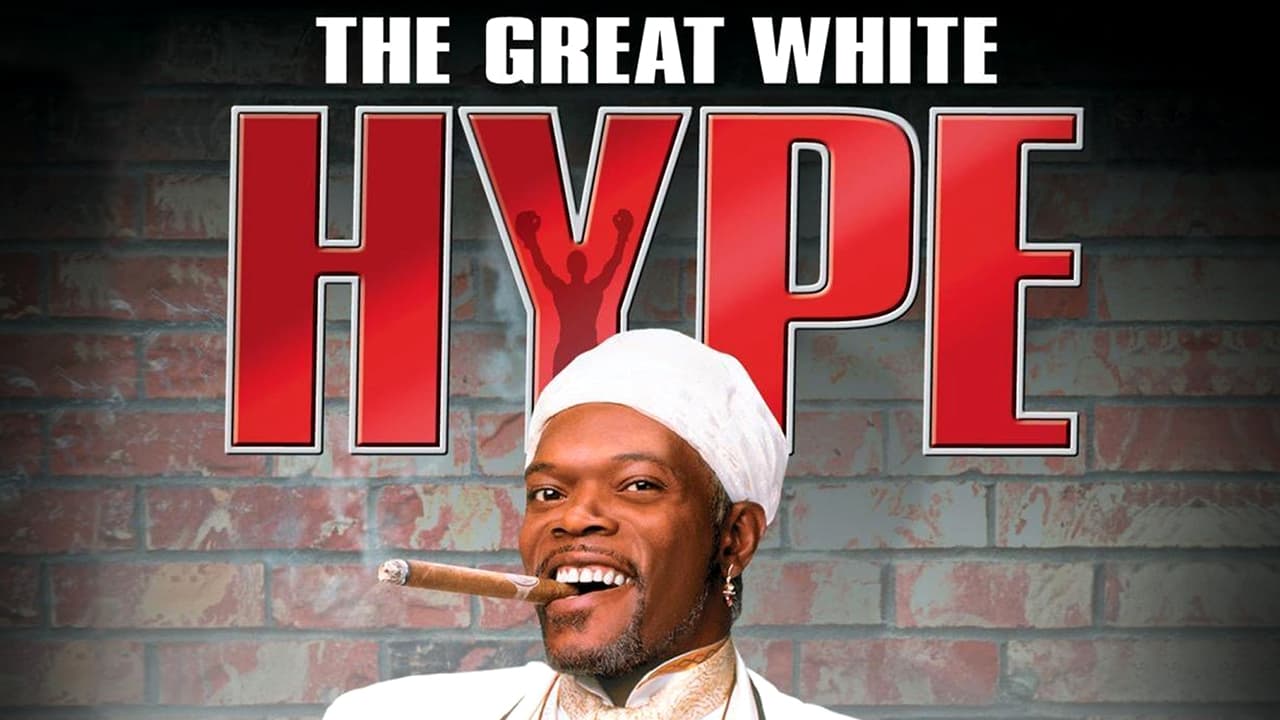
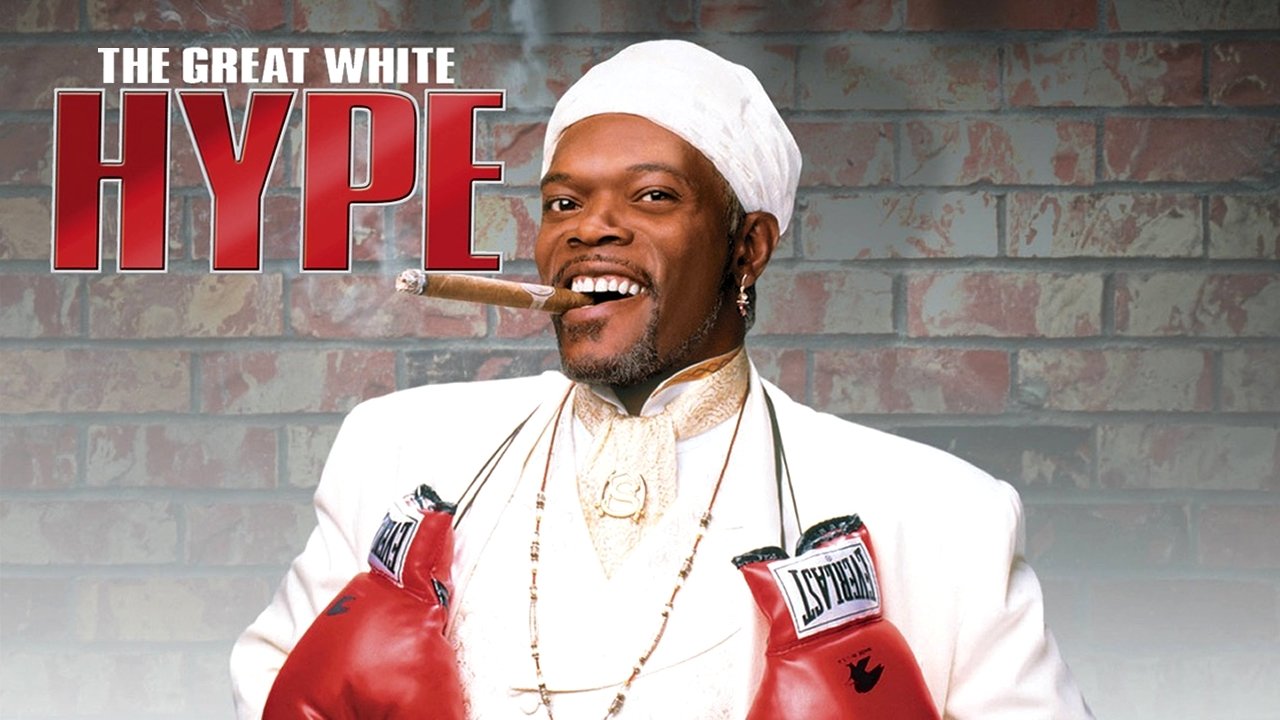
Surrounding Jackson is a cast perfectly tuned to the film’s satirical wavelength. Jeff Goldblum, as rival promoter Mitchell Kane, slithers through his scenes with his trademark quirky intensity, embodying the soulless media strategist chasing the next angle. Damon Wayans brings a weary arrogance to the champ Roper, a man bored by his own dominance but still susceptible to Sultan’s manipulations. And then there’s Peter Berg as "Irish" Terry Conklin, the titular ‘hype’. Berg, who actually had some boxing experience himself, perfectly plays Conklin not as a heroic underdog, but as a fundamentally nice, slightly dim-witted dude pulled from obscurity (leading a heavy metal band called 'Massive Head Wound') and utterly unprepared for the whirlwind he's thrust into. Jamie Foxx also pops up in an early role as Hassan El Ruk'n, a rival boxer Sultan discards, showcasing that spark we'd see explode later.
The genius here is that nobody is truly likable, yet they’re all compelling in their own flawed ways. Sultan is outrageous, Kane is calculating, Roper is complacent, and Conklin is cluelessly swept along. It’s a comedy built not on heartwarming connections, but on the collision of massive egos and naked ambition.
### Sharper Than it Looks?
Beneath the laughs, The Great White Hype lands some solid punches about the business of entertainment. It dissects how narratives are constructed, how media fuels frenzy, and how race is cynically exploited for profit. Watching it now, in an age of social media outrage cycles and influencer boxing spectacles, its observations feel startlingly prescient. Remember how manufactured those pre-fight press conferences felt back then? This film took that feeling and cranked it up to eleven, showing the absurdity behind the curtain.
Retro Fun Fact: Despite the talent involved, the film wasn't a commercial success. Made on a reported budget of around $18 million, it barely scraped back $8 million at the US box office. Critical reception was mixed too, with some finding the satire sharp but others perhaps finding it too cynical or uneven. It definitely feels like one of those films that found a second life on VHS and cable, appreciated more by viewers who stumbled upon its specific brand of humor away from opening weekend pressures. Its Las Vegas and Los Angeles shooting locations provide the perfect backdrop of glitz and desperation for Sultan's schemes.
### The Final Bell
The Great White Hype isn't a complex character study or a deeply moving drama. It's a fast-paced, often hilarious, and sharply observed satire driven by a phenomenal central performance. The plot might be a bit thin, relying on familiar sports movie tropes even as it mocks them, but the dialogue crackles, and the central conceit remains potent. It perfectly captures a certain late-90s cynicism about media and fame, wrapped in a package that’s pure entertainment.
Rating: 7/10
Justification: While not a perfect film – the story arc is predictable and some supporting characters feel underdeveloped – The Great White Hype earns a solid score for its razor-sharp satire that still bites, Samuel L. Jackson's powerhouse comedic performance, and its prescient commentary on media manipulation in sports. It's a genuinely funny time capsule of 90s cynicism.
Final Thought: In the grainy glow of your memory (or your flatscreen), The Great White Hype remains a knockout piece of satire – a reminder that sometimes the most unbelievable fights are the ones manufactured entirely outside the ring, proving hype springs eternal, even on magnetic tape.