Okay, settle back into that worn spot on the couch, maybe imagine the faint hum of a CRT nearby. While Thomas and the Magic Railroad chugged onto screens in 2000, pushing the boundaries of our usual 80s/90s timeline, it feels intrinsically linked to that era of hopeful, sometimes bewildering, family entertainment. For anyone who grew up with the gentle charm of the original Thomas the Tank Engine & Friends series, narrated so soothingly by Ringo Starr or George Carlin depending on your side of the pond, the idea of a full-blown movie was… intriguing. What arrived, however, was something altogether stranger, a fascinating curio from the turn of the millennium.
### All Aboard a Slightly Wobbly Express
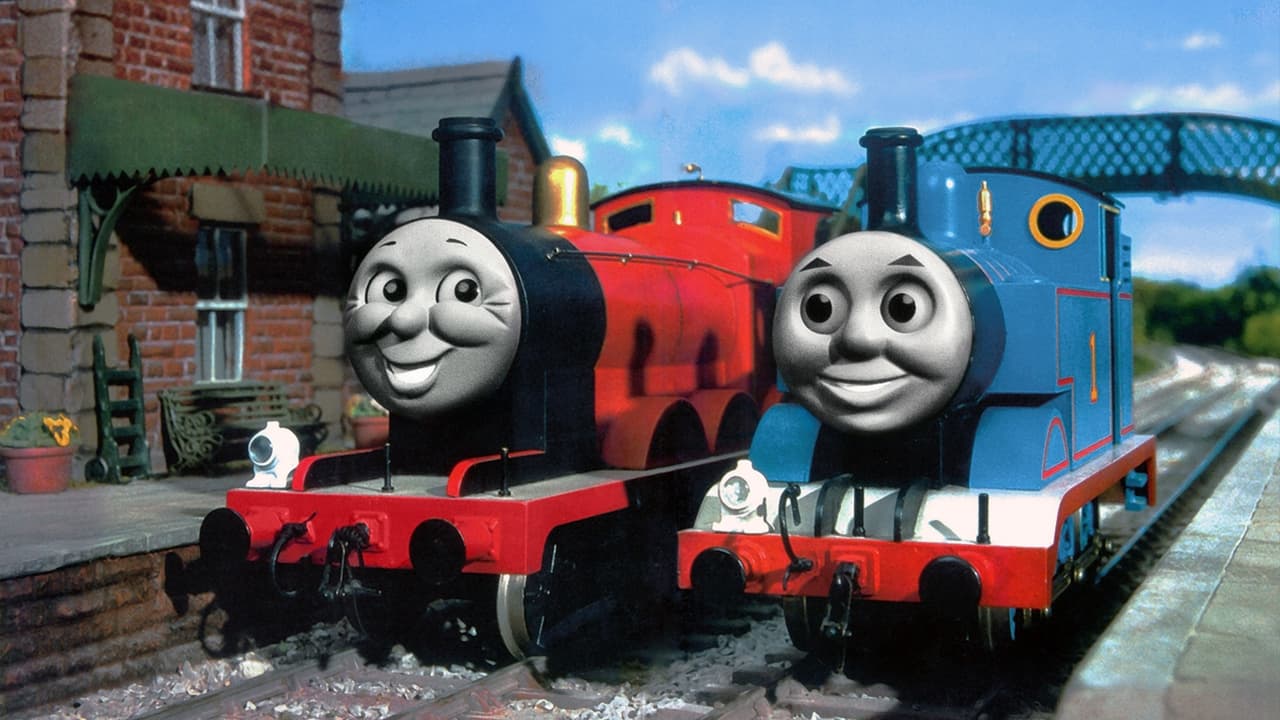
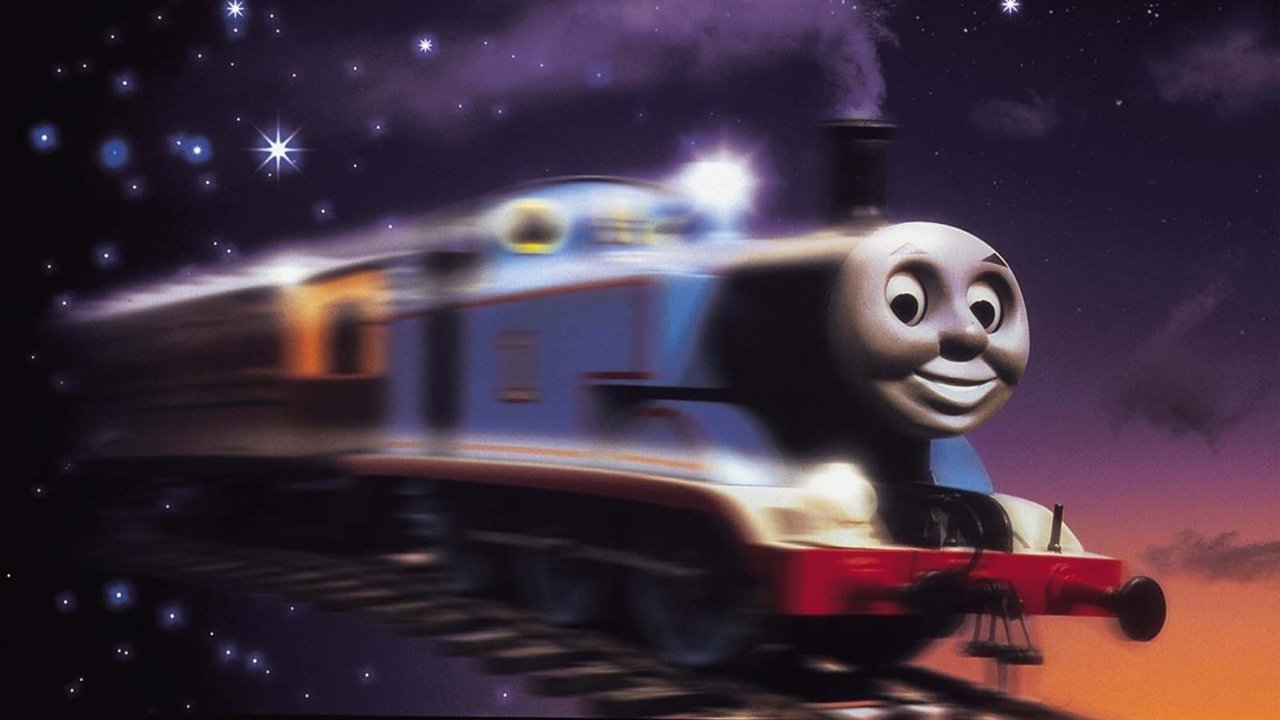
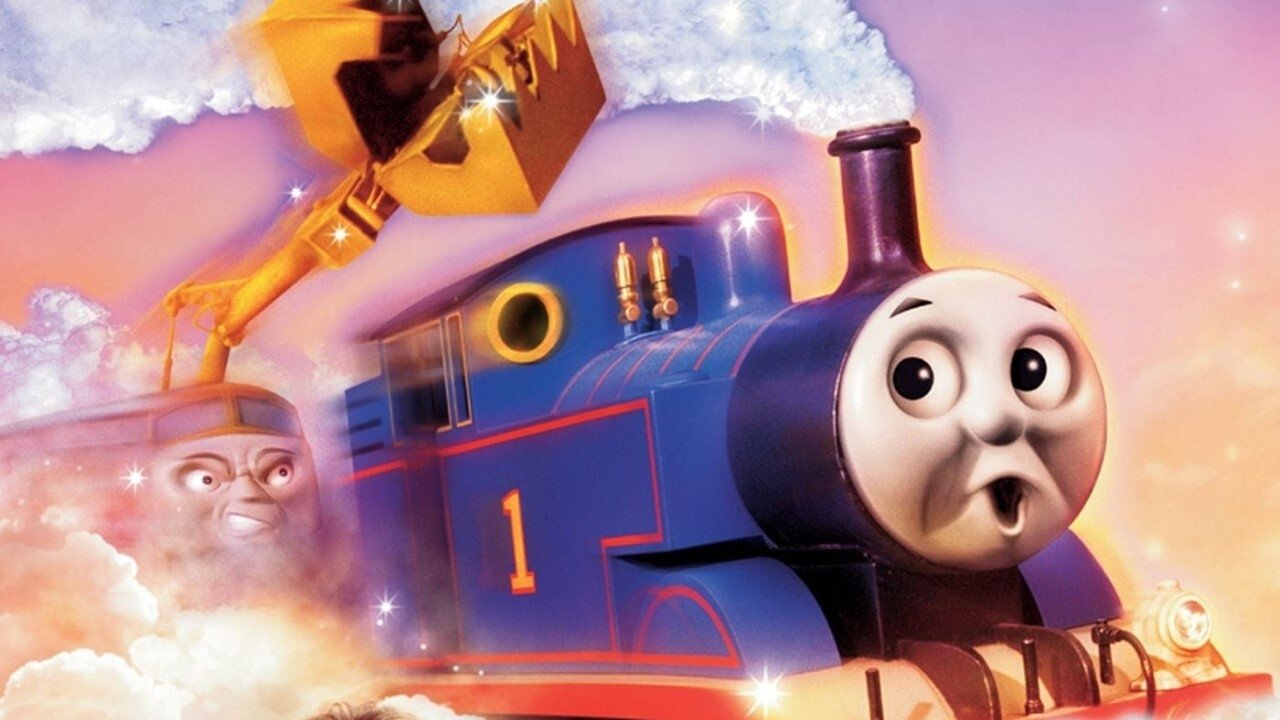
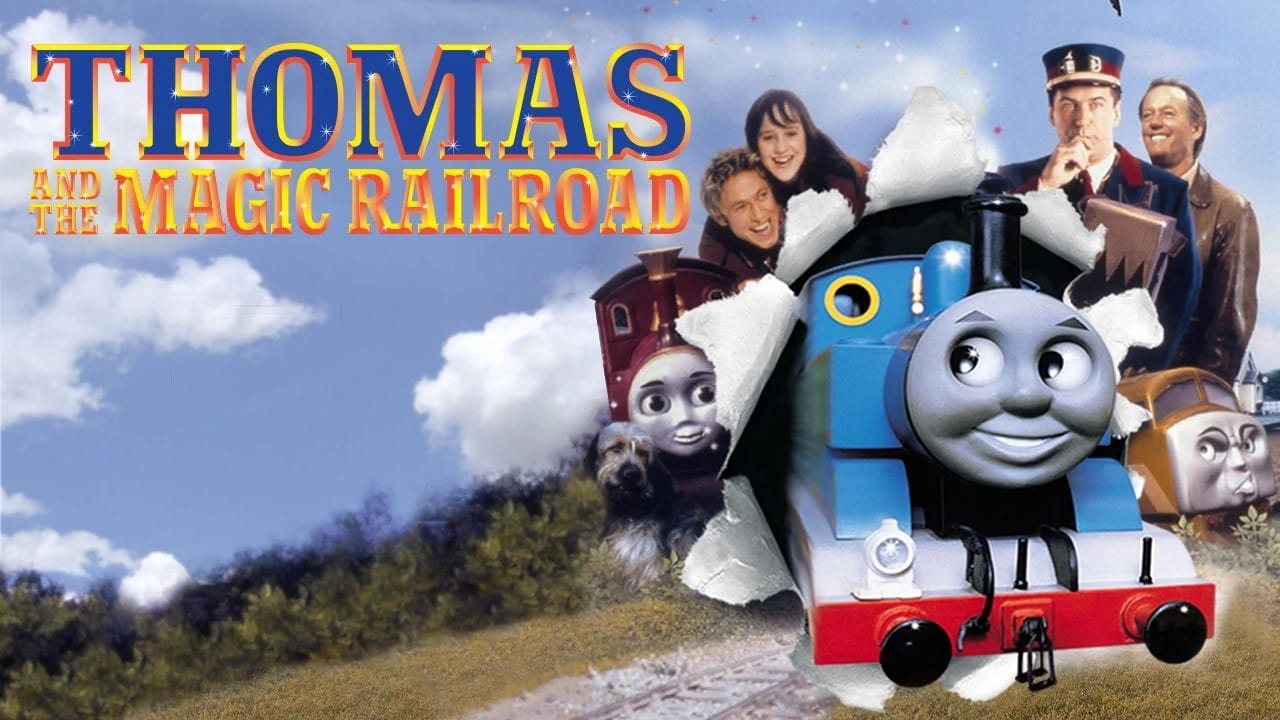
The premise attempts to bridge the idyllic, model-train world of Sodor with… well, with Alec Baldwin talking to a miniature trumpet and Peter Fonda looking wistfully into the middle distance. Lily Stone (Mara Wilson, in one of her final childhood roles following hits like Matilda and Mrs. Doubtfire) is visiting her grandpa Burnett Stone (Fonda), a man haunted by a promise he couldn't keep involving a secret engine named Lady. Meanwhile, on Sodor, Thomas and his friends are threatened by the grumpy Diesel 10 (voiced menacingly by Neil Crone) and his fearsome claw. Connecting these worlds is Mr. Conductor (Baldwin), a tiny, cheerful guardian facing a crisis of his own: his supply of magical gold dust is running out. It’s… a lot. The film tries to weave together whimsical fantasy, childhood adventure, and a touch of melancholy, but the threads often feel tangled.
### A Conductor, a Grandpa, and a Matilda
Let's be honest, the casting is one of the most memorable, and slightly baffling, aspects of Magic Railroad. Alec Baldwin, a commanding screen presence even then, throws himself into the role of the perpetually optimistic, slightly goofy Mr. Conductor with admirable gusto. Seeing him shrink down and interact with the engines is certainly a choice, one that contributes heavily to the film’s unique, almost dreamlike (or perhaps fever-dreamlike) quality. Then there's Peter Fonda, the counter-culture icon of Easy Rider (1969), cast as the melancholic Burnett Stone. His quiet sadness provides an unexpected emotional anchor, though his storyline feels somewhat detached from the main Sodor action. And Mara Wilson brings her natural charm, serving as the audience surrogate navigating this peculiar blend of worlds. It’s a cast that, on paper, seems utterly bizarre for a Thomas the Tank Engine movie, and yet, their earnest performances are part of what makes it oddly watchable.
### Behind the Steam: A Troubled Journey
This film’s somewhat disjointed feel isn’t entirely accidental. Thomas and the Magic Railroad had a notoriously difficult production, overseen by the show's original creator, Britt Allcroft, who also directed and wrote the screenplay. Test audiences reportedly found early cuts confusing or too frightening, leading to significant re-edits and changes. The most infamous casualty was the original villain, P.T. Boomer (played by Doug Lennox), who was almost entirely cut from the final film, leaving Diesel 10 as the primary antagonist and rendering some of Burnett Stone’s backstory less impactful.
There were voice changes too; originally, Thomas was voiced by English actor John Bellis, whose voice was apparently deemed too mature-sounding by American test audiences, leading to his replacement by Canadian voice actor Edward Glen. These studio-mandated changes undoubtedly contributed to the film's uneven tone and narrative gaps. Budgeted at around $19 million, it unfortunately struggled at the box office, pulling in just over $19.7 million worldwide, falling short of expectations and effectively halting plans for future theatrical Thomas adventures for quite some time. It holds fairly low scores on sites like IMDb (around 3.9/10) and Rotten Tomatoes (21% critic score), reflecting the critical and audience disappointment at the time.
### The Magic and the Misfires
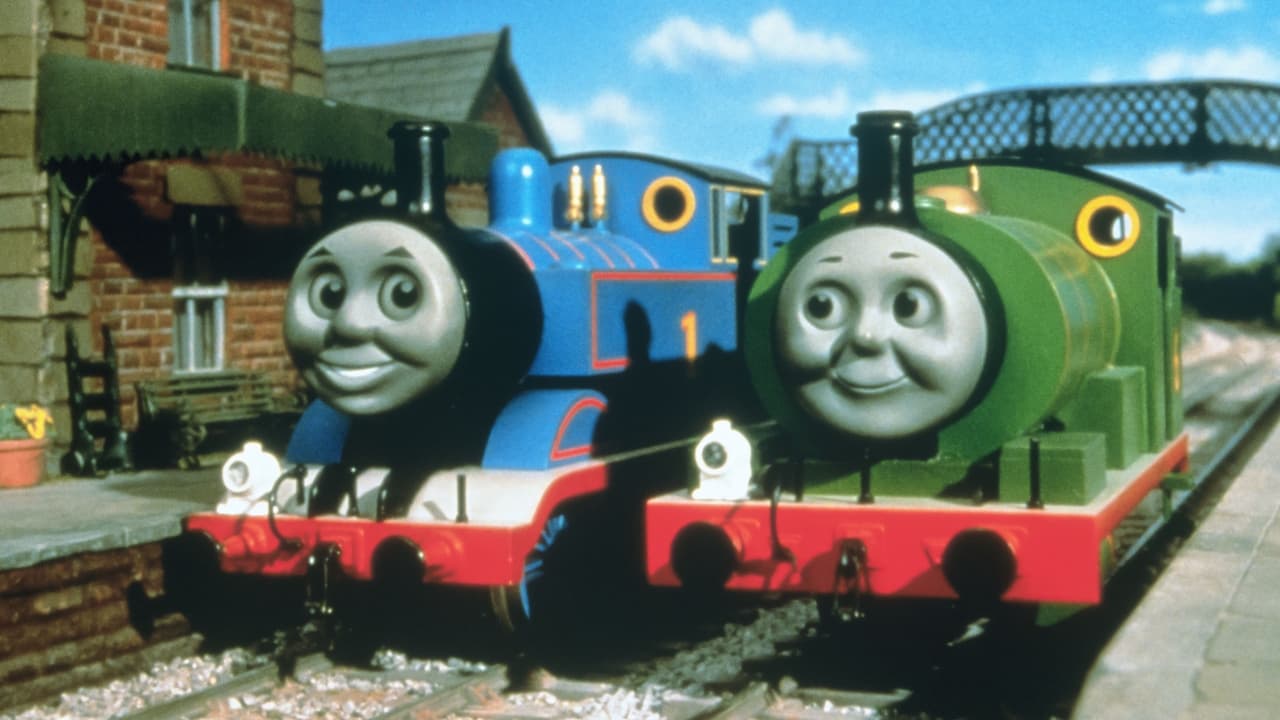
Visually, the film is a mixed bag characteristic of its era. The model work for Sodor and the engines retains the comforting, tangible charm of the television series – something many fans appreciated. When Thomas and friends puff through the miniature landscapes, there's a definite warmth there. However, the integration with live-action elements and the early CGI used for the engines' moving mouths can be jarring. It lacks the seamlessness we might expect today, but viewed through a retro lens, it’s a fascinating snapshot of filmmaking transitioning into a new digital age. The practical magic of Mr. Conductor shrinking or interacting with props often works better than the digital effects.
The dialogue occasionally lands with a thud, and the plot, involving magic gold dust, lost engines, and interdimensional travel via railroad buffers, can feel convoluted for a story aimed at young children (and their nostalgic parents). Yet, there are moments of genuine sweetness, particularly in Thomas's unwavering determination and the gentle interactions between Lily and her grandpa.
### Final Whistle: A Nostalgic Oddity
Thomas and the Magic Railroad isn't a lost classic, nor is it the triumphant big-screen debut many fans of the original series hoped for. It's awkward, tonally inconsistent, and bears the visible scars of a troubled production. But revisiting it now, perhaps on a well-loved DVD or even a late-run VHS tape, reveals a certain peculiar charm. It’s a film made with evident passion by Britt Allcroft, even if that vision was compromised along the way. The earnest performances from its surprising cast, the lingering magic of the Sodor model work, and the sheer ambition (however flawed) of trying to blend these worlds make it a unique piece of early 2000s family filmmaking. It tried to capture lightning (or maybe gold dust?) in a bottle, and while it didn't quite succeed, the attempt itself is memorable.
Rating: 4/10
Why this rating? While earnest and possessing a certain nostalgic, oddball charm thanks to its cast and the lingering magic of the Sodor models, the film is undeniably hampered by a disjointed plot, tonal inconsistencies stemming from production issues, and awkward dialogue. It fails to fully capture the simple magic of the source material or deliver a truly coherent cinematic adventure.