Okay, settle in. Pour yourself something comforting, maybe dim the lights a bit. Some films don't just entertain; they lodge themselves deep within you, demanding reflection long after the tape clicks off. Aimée & Jaguar (1999) is precisely that kind of film. It arrived near the very end of our beloved VHS era, a powerful, unsettling piece of cinema that felt worlds away from the usual blockbuster fare lining the rental shelves. It’s a film that asks profound questions about the nature of love and survival when confronted with unimaginable darkness.

### In the Shadow of the Swastika
What haunts me most, perhaps, is the film's unflinching portrayal of Berlin in 1943-44. Not just the overt terror of the Nazi regime, the ever-present threat lurking on street corners and in official decrees, but the insidious way life contorts itself around this horror. Director Max Färberböck, working from Erica Fischer's biographical book about the real women involved, crafts an atmosphere thick with dread yet punctuated by moments of almost defiant normalcy. Parties happen, flirtations spark, life, in its messy, complicated way, insists on continuing. It’s within this pressure cooker that Lilly Wust (Juliane Köhler), the seemingly conventional wife of a Nazi officer and mother of four, encounters Felice Schragenheim (Maria Schrader).
### A Dangerous Dance of Devotion
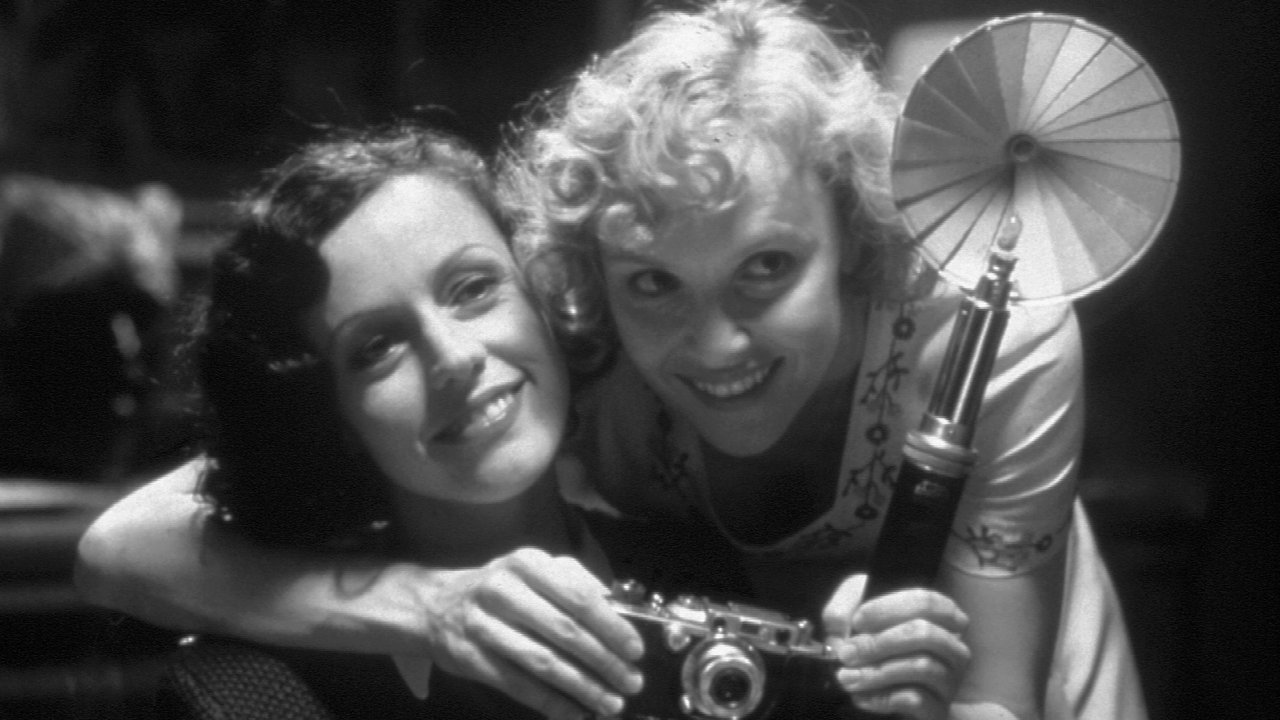
The core of Aimée & Jaguar is, of course, the passionate, consuming love affair that ignites between these two women. Köhler is remarkable as Lilly (dubbed "Aimée" by Felice), capturing the gradual awakening of a woman trapped in a gilded cage, discovering desires and strengths she never knew she possessed. Her transformation from dutiful hausfrau to devoted lover is utterly convincing, etched with vulnerability and burgeoning courage.
But it's Maria Schrader as Felice ("Jaguar") who is the film's incandescent center. Felice is everything Lilly is not – bold, vivacious, fiercely independent, and living a life of constant, terrifying deception. She’s a Jewish woman working for a Nazi newspaper under an assumed identity, a member of the underground, navigating the lethal landscape of Berlin with a blend of charm and calculated risk. Schrader embodies this duality perfectly; the charisma is infectious, the underlying fear palpable. You see why Lilly falls for her, drawn to her light and life force, even as the audience understands the immense danger Felice represents, both to herself and to anyone who gets close. Their chemistry is electric, a desperate grasp for connection amidst impending doom. It’s no surprise they jointly won the Silver Bear for Best Actress at the Berlin International Film Festival – their performances are inextricably linked, each elevating the other.
### More Than Just a Love Story
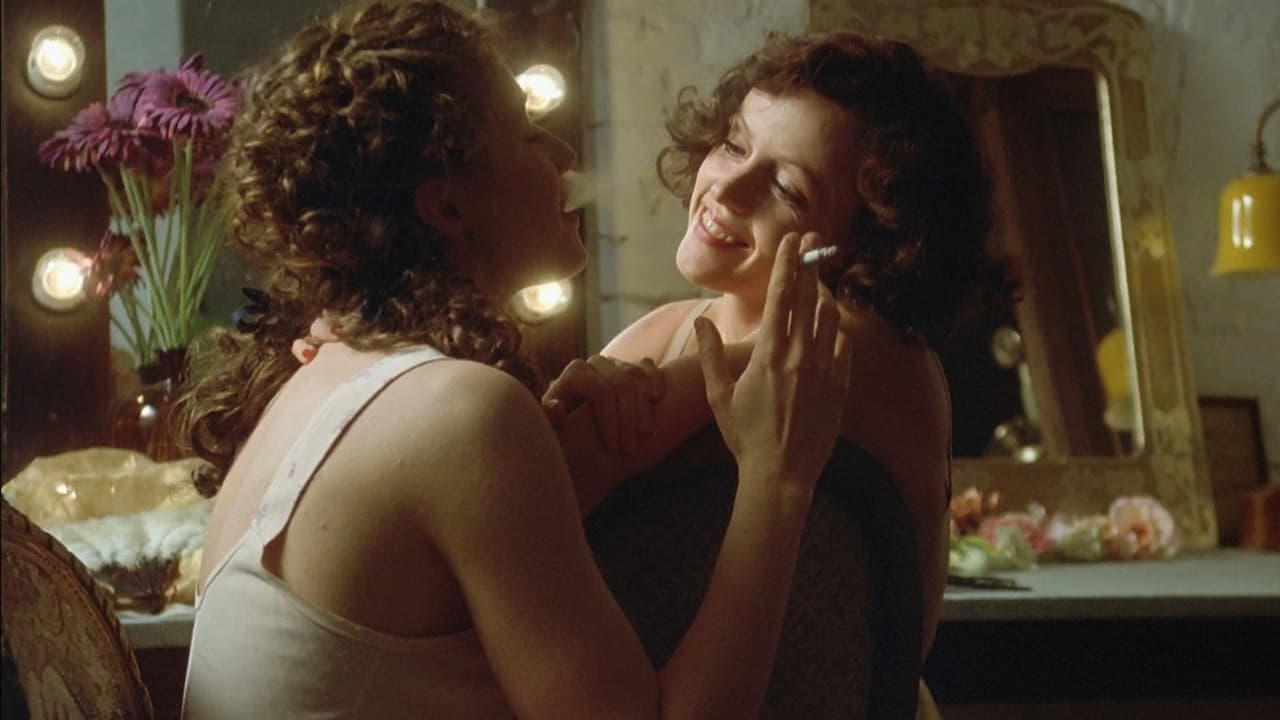
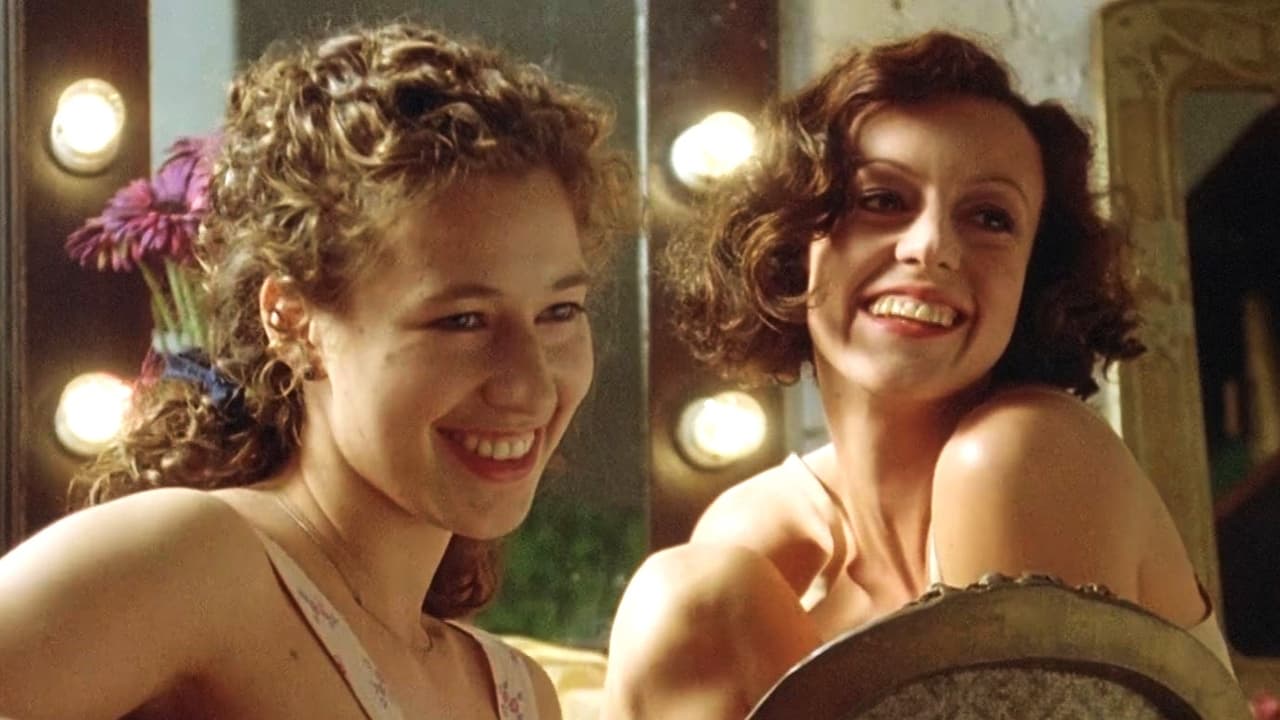
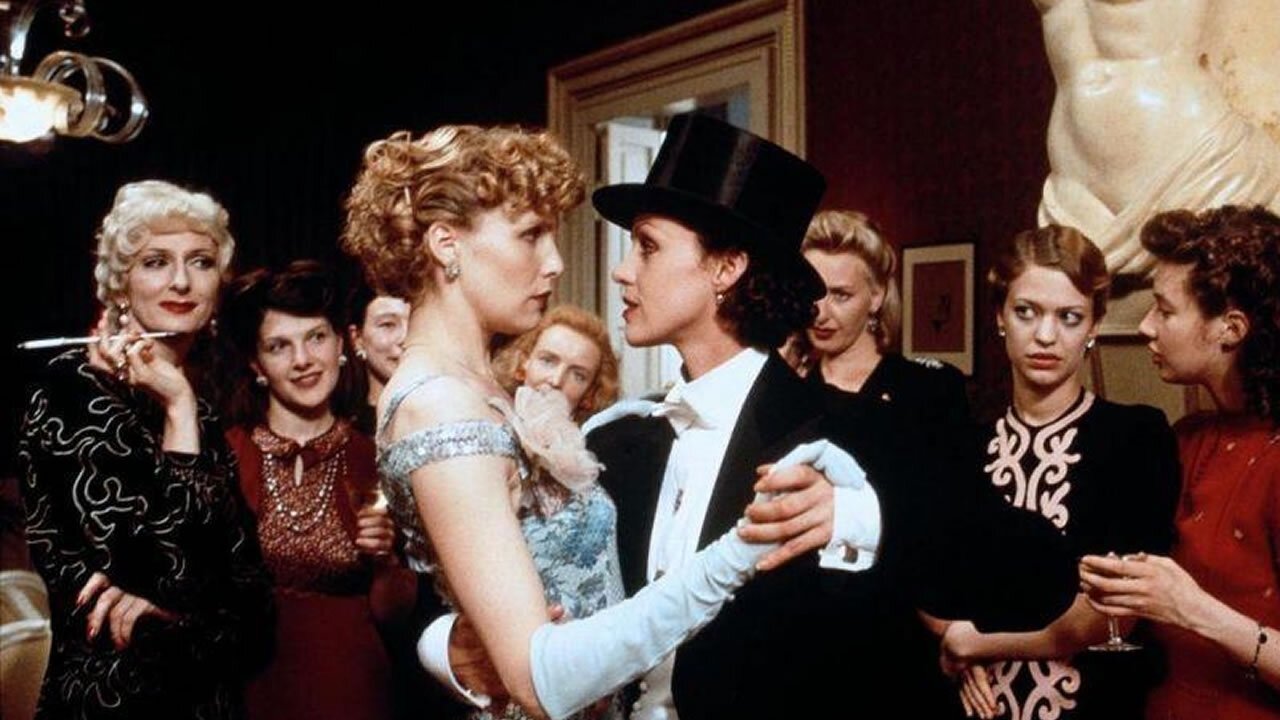
While the romance is central, Färberböck avoids reducing the narrative to a simple forbidden love story. It’s also a stark examination of complicity, survival, and the choices people make under duress. We see the spectrum of responses to the Nazi regime, from active resistance to willful ignorance. Lilly's initial naivete, her privilege shielding her from the worst realities until Felice forces her eyes open, is deeply uncomfortable yet truthful. What does it mean to love someone whose very existence is deemed illegal, whose life hangs by a thread dependent on lies and the silence of others? The film doesn't offer easy answers.
It’s a testament to the source material – Erica Fischer’s meticulous account based on interviews with the real Lilly Wust (who lived until 2006) and surviving documents – that the film feels so grounded, so devastatingly real. Knowing this isn't just fiction, that Aimée and Jaguar truly lived and loved against these odds, lends the story an almost unbearable weight. Apparently, the real Lilly Wust initially found the film's portrayal of her sensuality quite confronting, a fascinating insight into how memory and self-perception can shift over decades.
### The Look and Feel of Stolen Time
Visually, the film balances the oppressive grey of wartime Berlin with the vibrant, almost dreamlike quality of the lovers' private world. Cinematographer Tony Imi (who shot Quadrophenia (1979) and Enemy Mine (1985)) captures both the grandeur and the decay of the city, contrasting it with the intimate spaces where Lilly and Felice steal moments of passion and tenderness. The period detail feels authentic, immersing us in the era without feeling like a museum piece. It’s the small details – a shared glance across a crowded room, a hastily scribbled poem, the texture of a coat – that resonate.
It’s worth noting that bringing such a sensitive, historically charged lesbian love story to the screen in the late 90s was still a significant undertaking. While released after films like Bound (1996), Aimée & Jaguar tackled its subject matter with a European arthouse sensibility and a historical weight that felt distinct, contributing to the increasing visibility of complex LGBTQ+ narratives in cinema. Seeing this on a shelf, perhaps in the foreign film section of a well-stocked video store back then, felt like discovering something important, something miles away from the Hollywood mainstream.
### Lingering Questions
Aimée & Jaguar isn't an easy watch. It's long (over two hours), emotionally demanding, and its ending is necessarily heartbreaking, staying true to historical events. It forces you to confront the fragility of happiness, the terrible cost of war, and the enduring power of love even in the face of annihilation. What lingers most is the portrait of Felice – her incredible bravery, her determination to live fully despite the constant threat of death. And Lilly's journey – her awakening, her devotion, and the lifetime she spent afterwards grappling with memory and loss. Doesn't their story challenge us to consider what we would risk for love, for truth, in times of crisis?
Rating: 9/10
This score reflects the film's exceptional performances, its historical significance, emotional depth, and courageous storytelling. It's a meticulously crafted, profoundly moving piece of cinema that earns its place as a vital, albeit harrowing, story from a dark chapter of history. The slight deduction acknowledges that its length and intense subject matter might test some viewers' endurance, but its impact is undeniable.
It’s a film that stays with you, a stark reminder of real lives caught in the gears of history, and the defiant human need for connection that persists, even – especially – when the world seems determined to crush it. A truly essential watch for anyone interested in powerful human drama.