There's a certain allure to a title like Kama Sutra: A Tale of Love. Back in '97, scanning the shelves at the local video rental spot, that distinctive spine promised something exotic, perhaps even forbidden. It stood out, didn't it? Amidst the louder action covers and familiar comedy faces, this one hinted at artistry, sensuality, and a world far removed from suburban life. But to dismiss Mira Nair's visually sumptuous film as mere titillation based on its name is to miss the intricate tapestry she weaves – a story far more concerned with the complexities of the human heart, the sting of betrayal, and the constraints placed upon women, than with simply illustrating an ancient text.
A Canvas of Desire and Jealousy
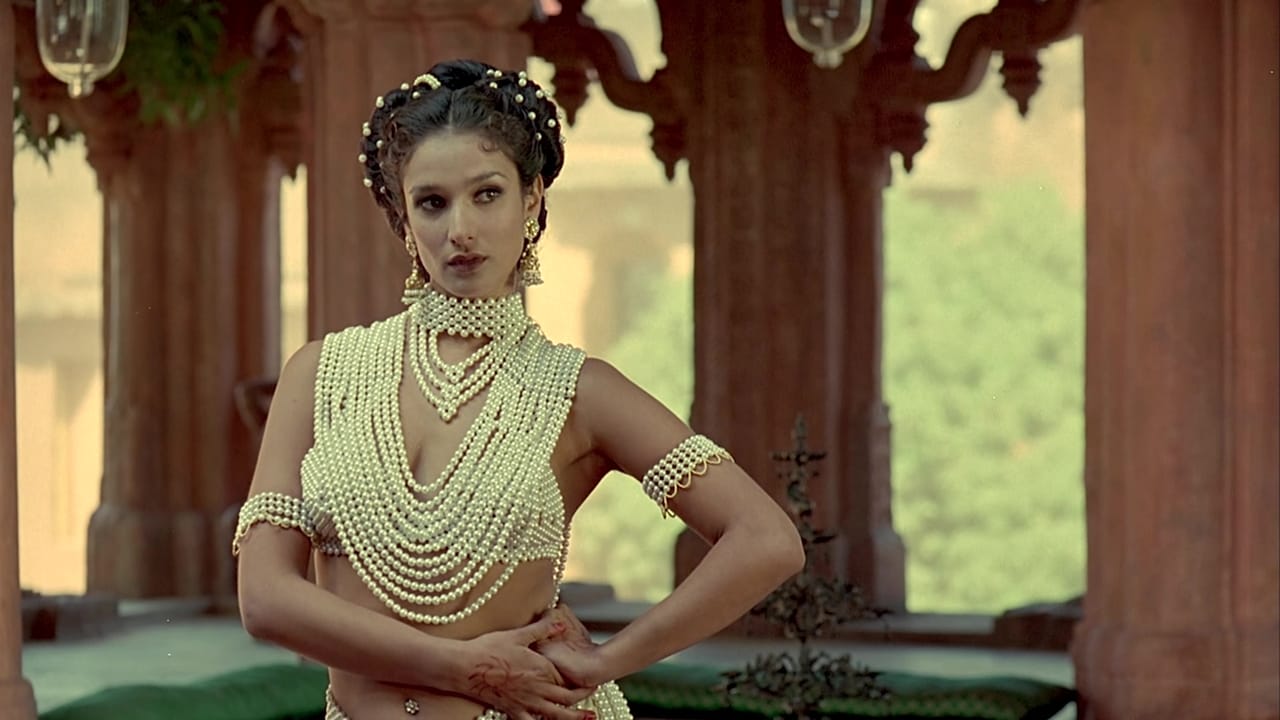
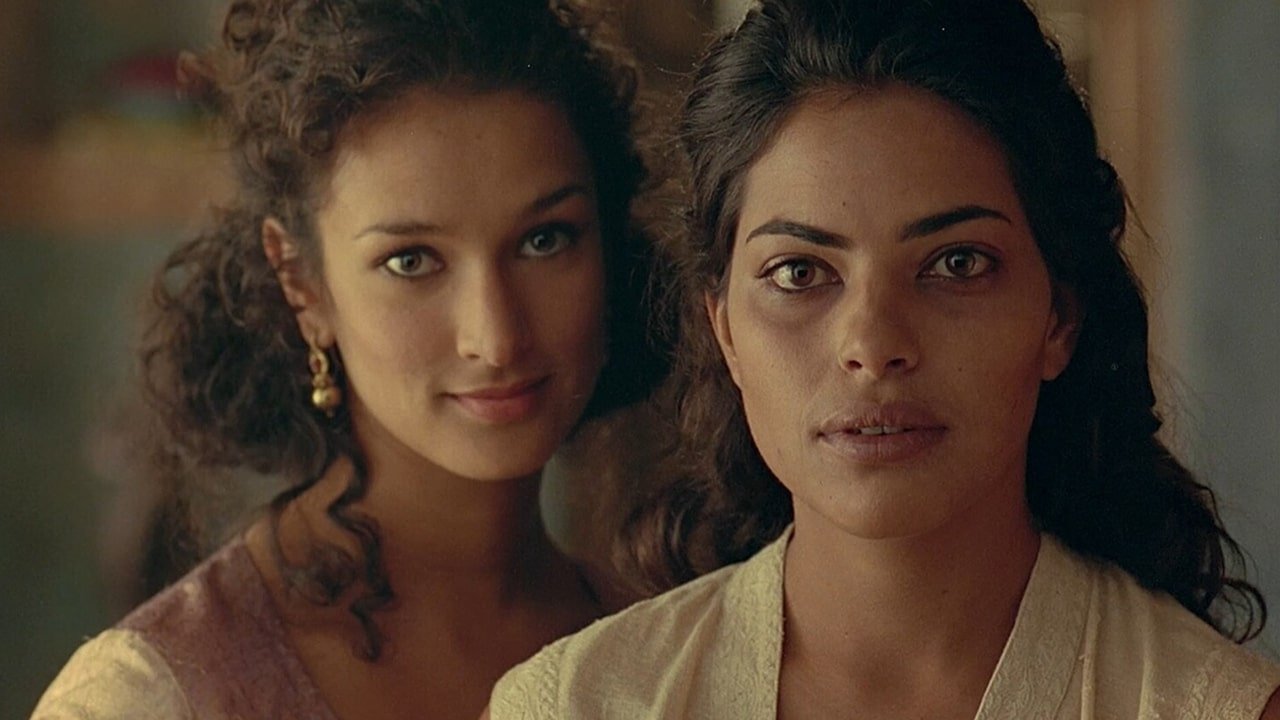
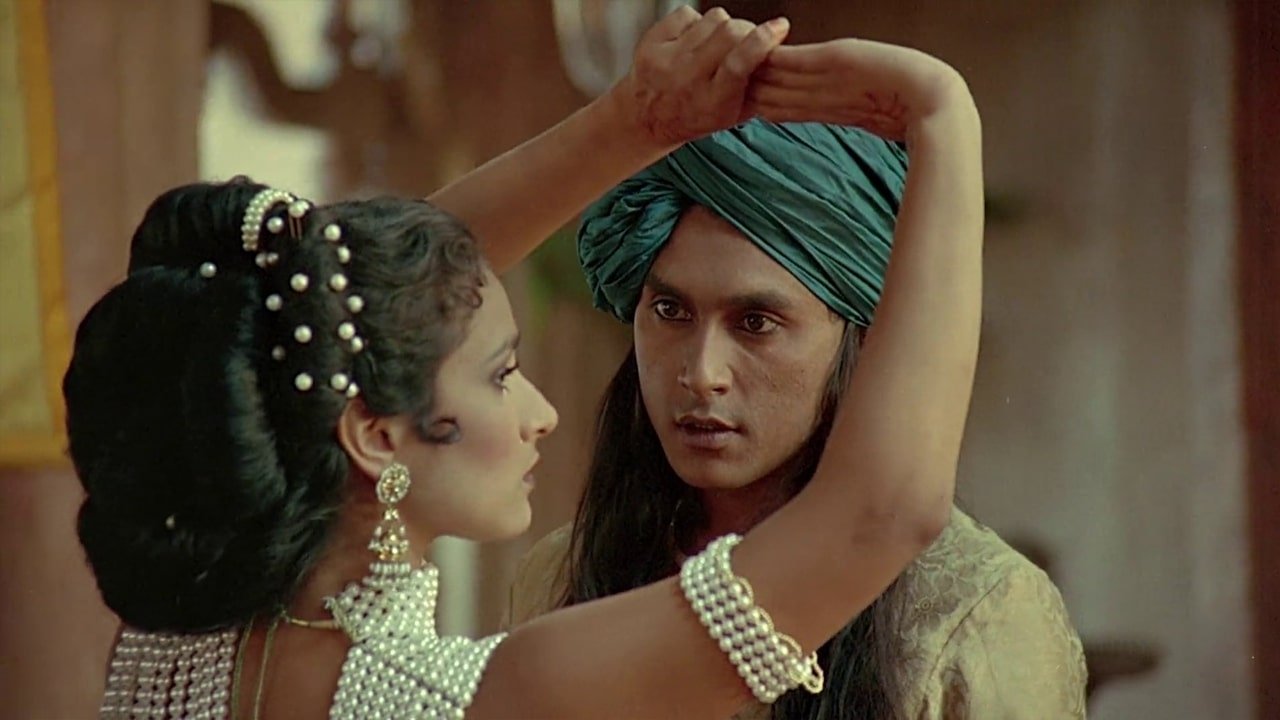
Set against the breathtaking backdrop of 16th-century India, the film introduces us to Maya (Indira Varma) and Tara (Sarita Choudhury). Maya, a servant girl, and Tara, the princess she serves, share a childhood bond that curdles into rivalry as they approach womanhood. Tara is destined to marry the powerful King Raj Singh (Naveen Andrews), but it's Maya, initiated into the sensual arts by the court's Kama Sutra tutor, Rasa Devi (Rekha), who first captures his secret attentions. This act of betrayal – driven by Maya's longing for a life beyond servitude and Tara's entitled jealousy – sets in motion a chain of events exploring love, lust, social hierarchy, and the consequences of seeking power through intimacy. It's less a manual, more a tragic opera played out in jewel tones and whispered secrets.
Mira Nair's Visionary Feast
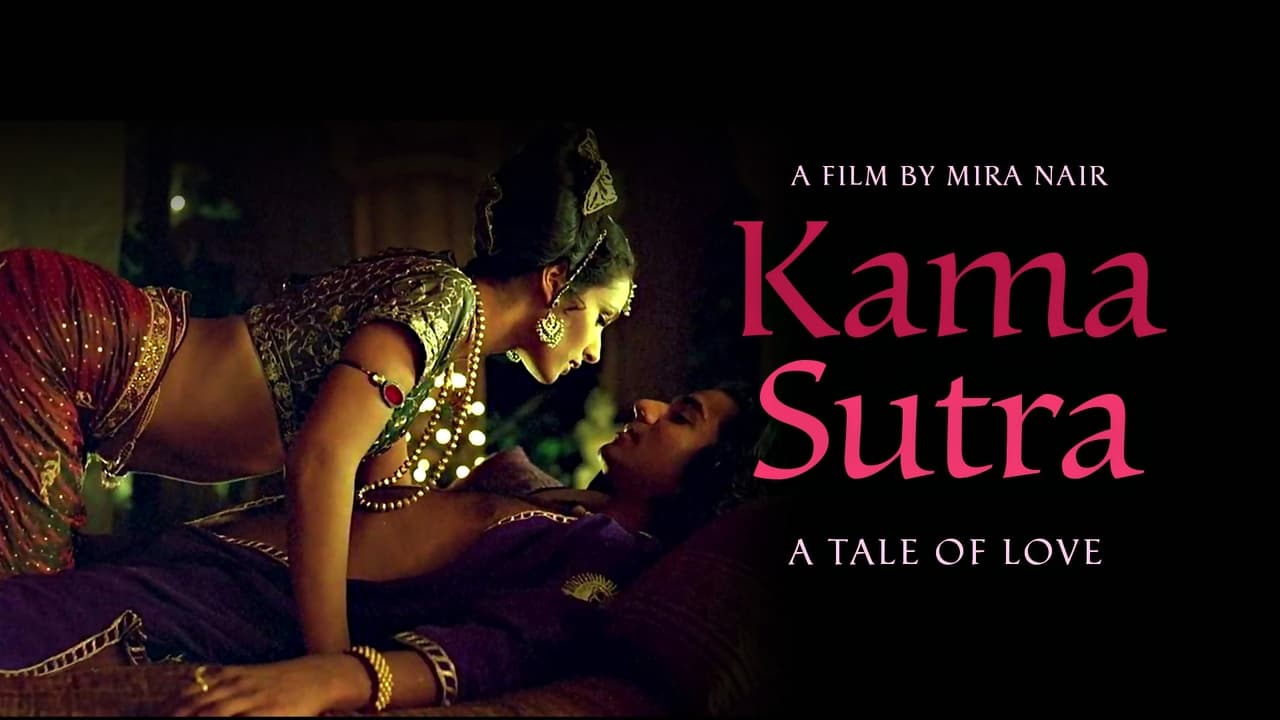
Coming off the critical success of films like Salaam Bombay! (1988) and Mississippi Masala (1991), Mira Nair demonstrates a masterful control of atmosphere here. Working with cinematographer Declan Quinn, she crafts a film that feels less like watching moving pictures and more like stepping into a series of living paintings. Every frame is meticulously composed, bathed in warm, evocative light. The colours – deep reds, golds, ochres – are intoxicating, reflecting the passions simmering beneath the surface. Filming on location in stunning historical sites across Rajasthan, including Jaipur and Khajuraho (famous for its own erotic temple sculptures), lends an undeniable authenticity that grounds the heightened emotions. You can almost feel the heat, smell the incense, sense the weight of the silks and jewels. This commitment to visual richness elevates the film beyond its potentially provocative premise into something genuinely artful.
Navigating Complex Hearts
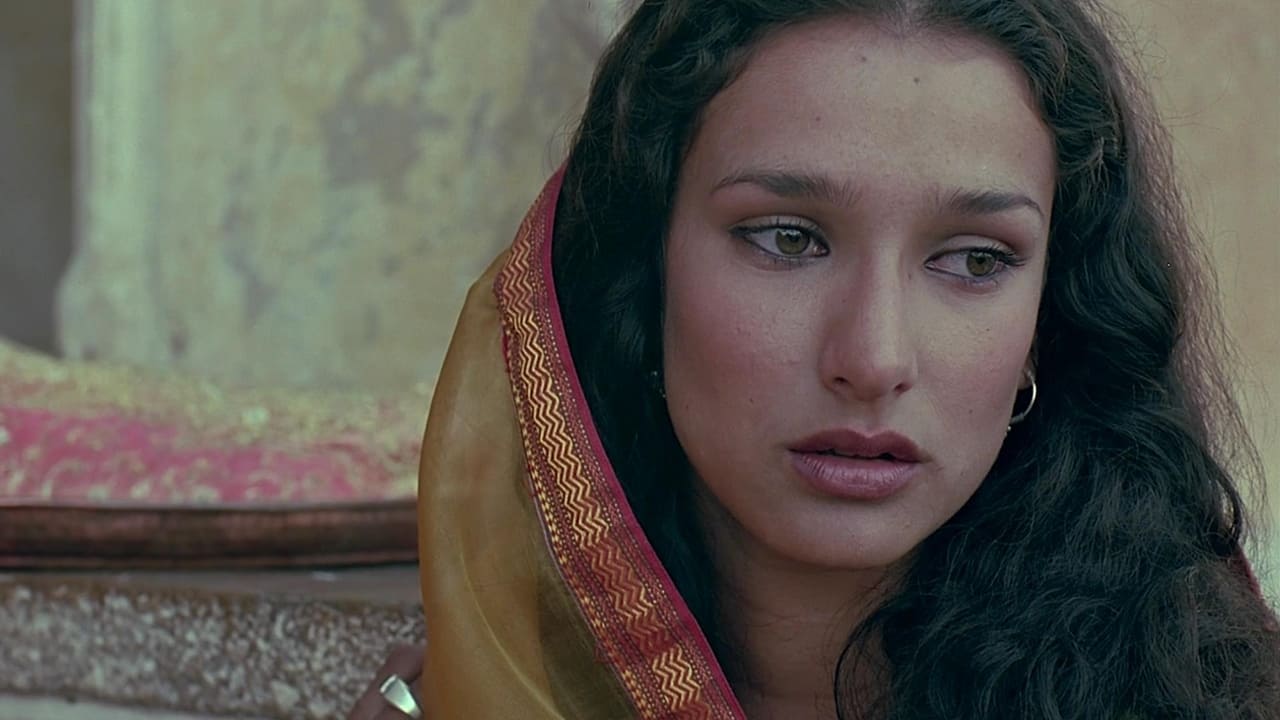
The performances are central to the film's power. Indira Varma, in a star-making turn, portrays Maya not just as a seductive figure, but as a woman of fierce intelligence and desperate ambition, trapped by her station yet determined to wield the only power available to her. Her vulnerability is as palpable as her sensuality. Opposite her, Sarita Choudhury captures Tara's transformation from playful princess to wounded queen, her initial warmth hardening into bitter resentment. It’s a nuanced portrayal of privilege confronted by betrayal. And Naveen Andrews, who many would later come to know from Lost (2004-2010), embodies Raj Singh with a quiet intensity – a man torn between duty, desire, and the allure of the forbidden. These central performances feel lived-in, conveying complex histories and unspoken tensions through lingering glances and subtle shifts in posture.
More Than Just Positions
It’s fascinating how the film uses the Kama Sutra. It’s not presented as a dry textbook, but as a source of knowledge and, crucially, power, particularly for Maya. It represents an understanding of human desire that transcends mere physical acts, becoming a tool for navigating treacherous social currents. This very aspect, the film's frankness about female desire and agency within a historical context, proved controversial. Kama Sutra: A Tale of Love faced significant hurdles with censors, particularly in India, where it was initially banned before being released with cuts under an 'A' certificate. This context feels particularly relevant thinking back to the VHS era – often, international or uncut versions found their way onto tape, offering a viewing experience potentially closer to the director's intent than heavily censored theatrical runs. It’s a reminder that the film, despite its beauty, carried a provocative charge that challenged norms.
Echoes of the Past
The evocative score by Mychael Danna, who would later win an Oscar for Life of Pi (2012), deserves mention. It seamlessly blends traditional Indian instrumentation with Western orchestral elements, creating a soundscape that is both timeless and deeply romantic, perfectly complementing the visuals. While perhaps not a blockbuster, Kama Sutra carved out a unique niche. It was a rare example of a Western-financed film exploring Indian history and culture with such aesthetic devotion and thematic seriousness during that period. For those of us browsing the aisles back then, it offered a glimpse into a different kind of cinematic storytelling – sensual, beautiful, and tinged with tragedy.
Rating: 8/10
This score reflects the film's stunning visual artistry, compelling central performances, and mature handling of complex themes like love, betrayal, and female agency within historical constraints. Mira Nair crafts a truly beautiful and thought-provoking piece. While its pacing might feel deliberate to some, and its focus is squarely on interpersonal drama rather than historical epic, its aesthetic richness and emotional depth are undeniable. It successfully reclaims the Kama Sutra from cheap sensationalism, embedding its wisdom within a deeply human, often heartbreaking narrative.
It remains a film that lingers – not just for its beauty, but for the questions it raises about the power dynamics inherent in love and desire, questions that resonate far beyond its 16th-century setting. It's a reminder that sometimes the most captivating stories found on those old VHS tapes were the ones that whispered rather than shouted.