## The Dust Settles Differently Here
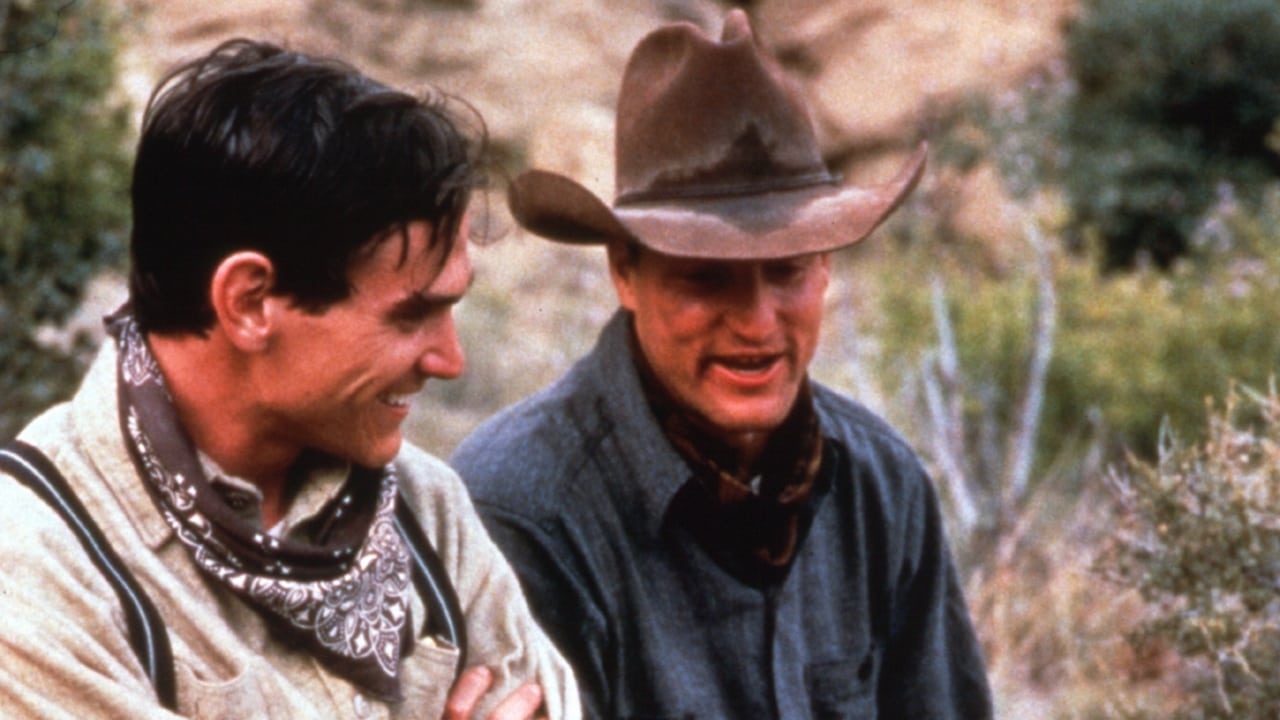
There’s a certain kind of quiet that settles over the plains after the rain, a stillness that feels heavy with unspoken things. That’s the feeling that permeates Stephen Frears’ 1998 drama, The Hi-Lo Country. It's a film that doesn't announce itself with thunder but rather with the low rumble of approaching change, capturing a specific moment in post-World War II New Mexico where the myth of the cowboy collides head-on with the encroaching modern world. This isn't your typical gunslinging Western; it's a story steeped in friendship, loyalty, and the kind of love that burns too bright and fast, destined to leave scars. Finding this on a VHS shelf, perhaps nestled between flashier titles, felt like uncovering something more intimate, a story that unfolded with the patient rhythm of the land itself.
### Of Bonds and Boundaries
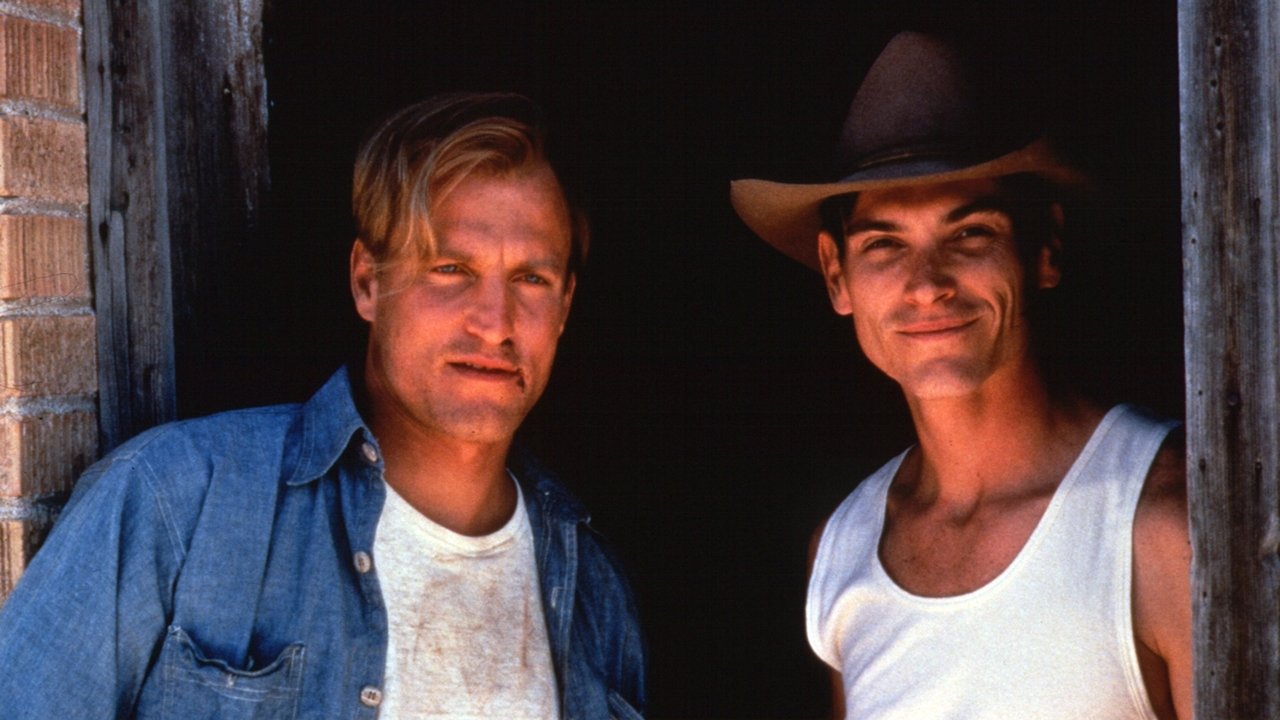
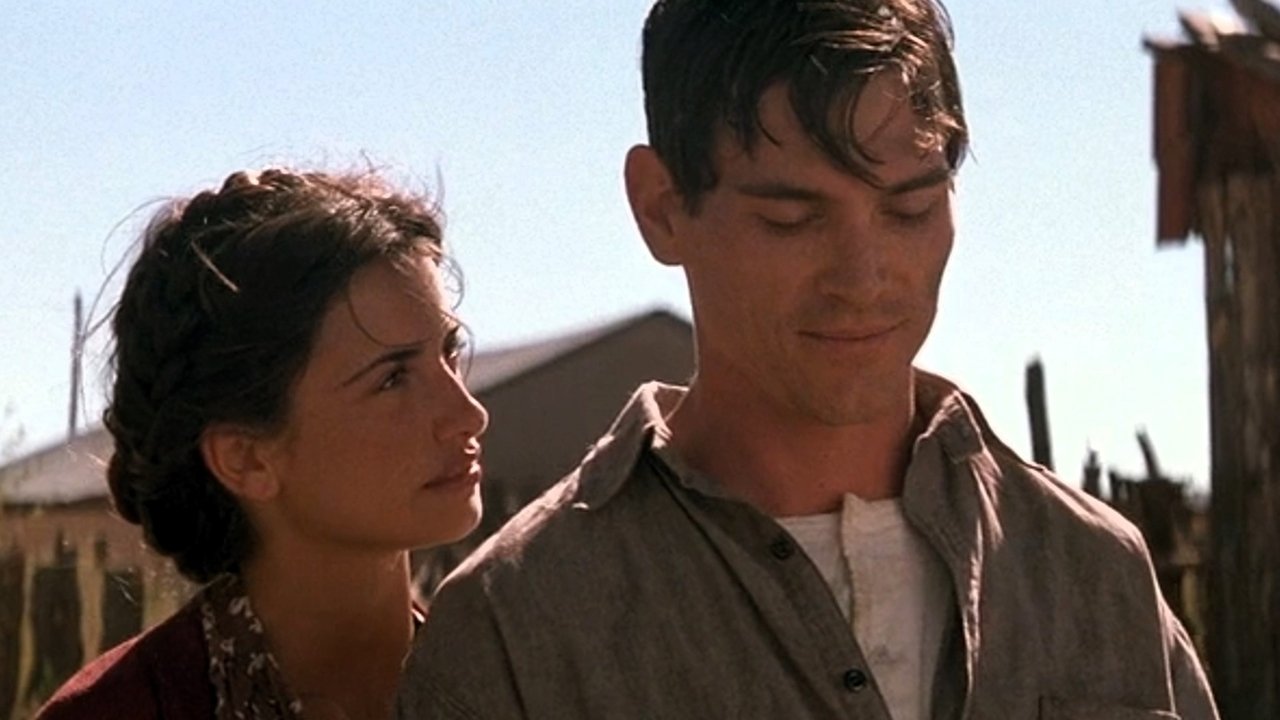
At its heart, The Hi-Lo Country is about the magnetic, complex bond between two men: the charismatic, reckless Big Boy Matson (Woody Harrelson) and the more introspective, watchful Pete Calder (Billy Crudup). Returning home after the war, they find their beloved open-range way of life increasingly hemmed in by fences and corporate cattle interests, personified by the pragmatic rancher Jim Ed Love (Sam Elliott, radiating his usual stoic authority). Big Boy is all restless energy, a force of nature chafing against any constraint, while Pete is the loyal friend, drawn into Big Boy's orbit yet possessing a quiet depth and sensitivity. Their dynamic feels authentic, built on shared history and unspoken understanding, the kind of friendship that defines a man's life in a small, isolated community.
Into this potent mix walks Mona Birk (Patricia Arquette), married to Jim Ed Love's foreman but carrying an undeniable allure and a restless spirit that mirrors Big Boy's own. The resulting triangle isn't just about desire; it’s about transgression, loyalty tested, and the dangerous paths people walk when yearning for something just beyond their reach. Frears allows these relationships to simmer, building tension not through overt action sequences (though there are moments of violence) but through loaded glances, half-finished sentences, and the palpable weight of secrets in the vast, empty landscape.
### Performances That Resonate Like Distant Thunder
What truly elevates The Hi-Lo Country is the strength of its central performances. Woody Harrelson delivers one of his most compelling dramatic turns as Big Boy. He perfectly captures the man's larger-than-life bravado, his infectious charm, but also the underlying vulnerability and self-destructive streak. You understand why people follow him, even as you see the train wreck coming. It’s a performance brimming with physicality and raw emotion.
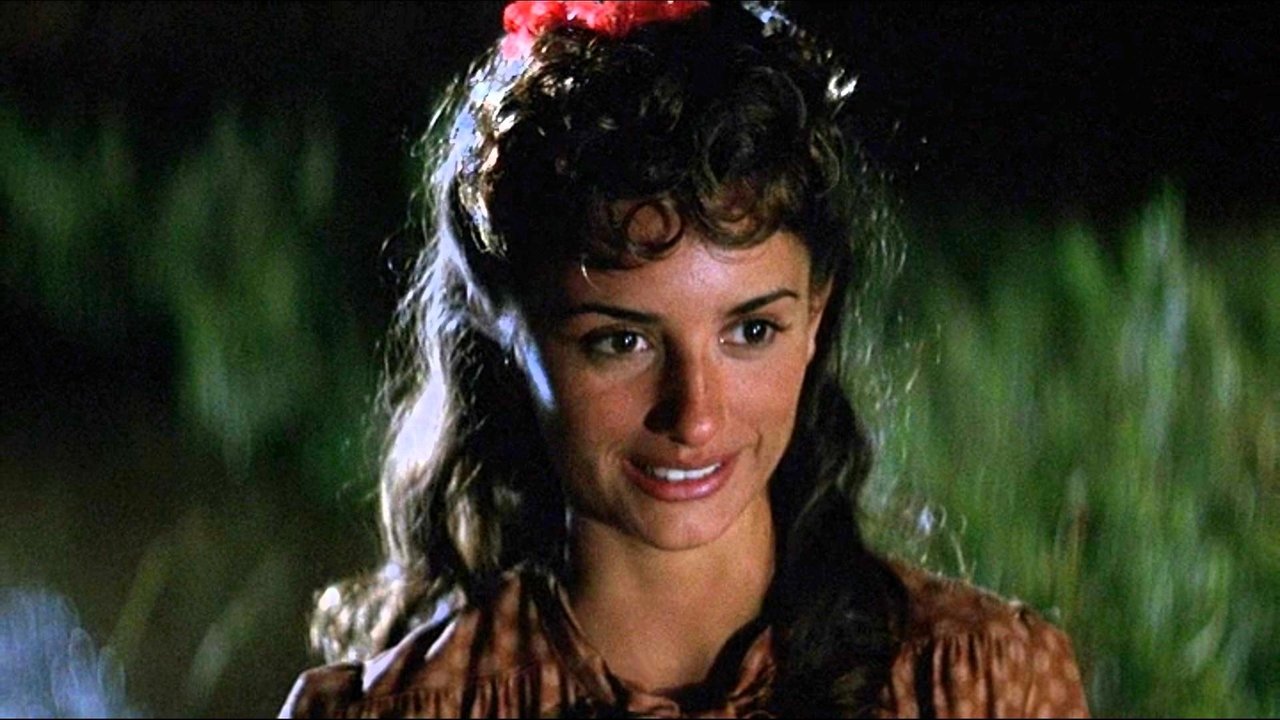
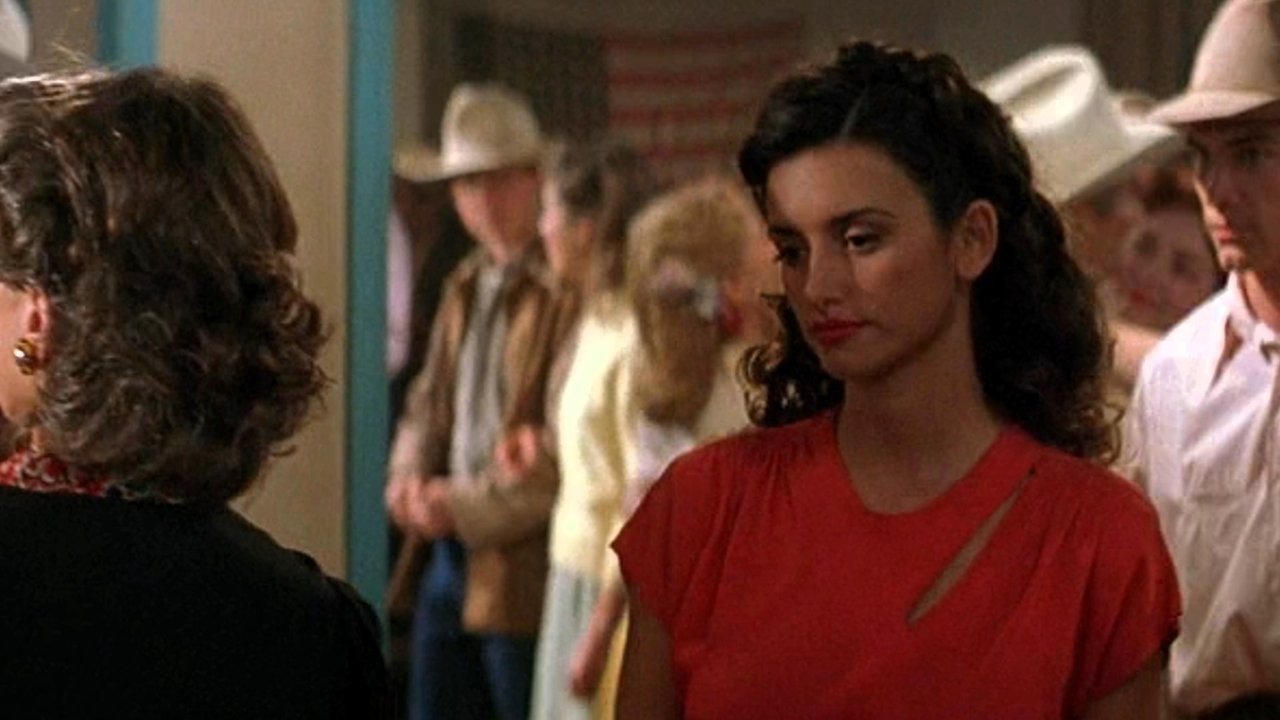
Billy Crudup, then still relatively early in his screen career, is exceptional as Pete. He’s the film’s soul, conveying so much through quiet observation and subtle reactions. Pete’s loyalty, his burgeoning love for Mona, his admiration for Big Boy warring with his own moral compass – Crudup makes it all feel deeply real and achingly human. His narration provides the film's reflective spine, lending it a melancholic, almost elegiac quality. Patricia Arquette as Mona is more than just a femme fatale; she imbues Mona with a complex inner life, a weariness mixed with a desperate longing that makes her actions understandable, even if they court disaster. Her chemistry with both Harrelson and Crudup is electric, fueling the film's central conflicts.
### Retro Fun Facts: Ghosts of the West
- A Peckinpah Passion Project: It’s fascinating to learn that bringing Max Evans’ 1961 novel to the screen was a long-cherished dream of legendary director Sam Peckinpah. He worked on adapting it for years before his death in 1984. You can almost feel his spirit in the film’s exploration of changing times and masculine codes, especially given that screenwriter Walon Green also penned Peckinpah's masterpiece, The Wild Bunch.
- Frears Takes the Reins: After Peckinpah, even Martin Scorsese was briefly attached to direct. It ultimately landed with British director Stephen Frears, known more for contemporary dramas and sharp social observations (My Beautiful Laundrette, Dangerous Liaisons). His more restrained, character-focused approach arguably gives the film a different, perhaps more introspective flavour than Peckinpah might have delivered.
- Authentic Vistas: The film was shot entirely on location in New Mexico (around Santa Fe, Las Vegas - the NM one!, and Galisteo), and it shows. Cinematographer Oliver Stapleton beautifully captures the stark, expansive beauty and the harshness of the landscape, making it an essential element of the story’s mood and the characters’ identities. The sense of place is incredibly strong.
- Critical Respect, Commercial Struggle: Despite generally positive reviews, particularly praising the performances, The Hi-Lo Country sadly failed to connect with audiences upon release in late 1998. Its budget was reportedly around $1.3 million, but it grossed a mere fraction of that domestically (around $167,000). Perhaps its deliberate pacing and tragic undercurrents felt out of sync with the prevailing cinematic trends of the era, making it a title many discovered later, perhaps on a quiet night browsing the drama section of the video store.
### The Weight of Unspoken Things
Frears directs with a steady hand, letting the drama unfold organically. While sometimes the pacing might feel deliberate, almost languid, it serves the story's mood, mirroring the slow passage of time and the gradual erosion of a way of life. Carter Burwell's score complements this perfectly, often melancholic and evocative without being intrusive, underscoring the emotional currents beneath the surface. The film isn't concerned with easy answers or clear-cut heroes and villains. It presents flawed people caught in circumstances partly of their own making, partly dictated by the changing world around them.
What lingers most strongly after the credits roll is a sense of profound sadness – for lost ways of life, for friendships fractured by desire, and for the destructive nature of untamed passions. It’s a film that asks quiet questions about what defines us: our loyalty, our desires, or the land we call home? It explores the tragedy inherent in clinging too tightly to the past, even as the future relentlessly closes in.
Rating Justification: 7/10
The Hi-Lo Country earns a solid 7 primarily on the strength of its outstanding performances, particularly from Harrelson and Crudup, who anchor the film with remarkable authenticity. The evocative cinematography beautifully captures the titular landscape, making it a character in its own right, and the score effectively underscores the melancholic mood. The film tackles themes of friendship, love, and the end of an era with sincerity and depth. However, it doesn't quite reach higher due to a narrative that occasionally feels predictable in its tragic trajectory and a pace that, while fitting the mood, might test the patience of some viewers expecting a more conventional Western drama. It’s a thoughtful, well-crafted film that resonates emotionally, but its deliberate nature keeps it just shy of being truly exceptional.
This is a film that rewards patience, a character study disguised as a Western, leaving you with the lingering taste of dust and regret. It’s a potent reminder of the compelling, adult dramas the late 90s could produce, even if they sometimes got lost in the shuffle – a true gem waiting to be rediscovered by those who appreciate stories told with quiet power.