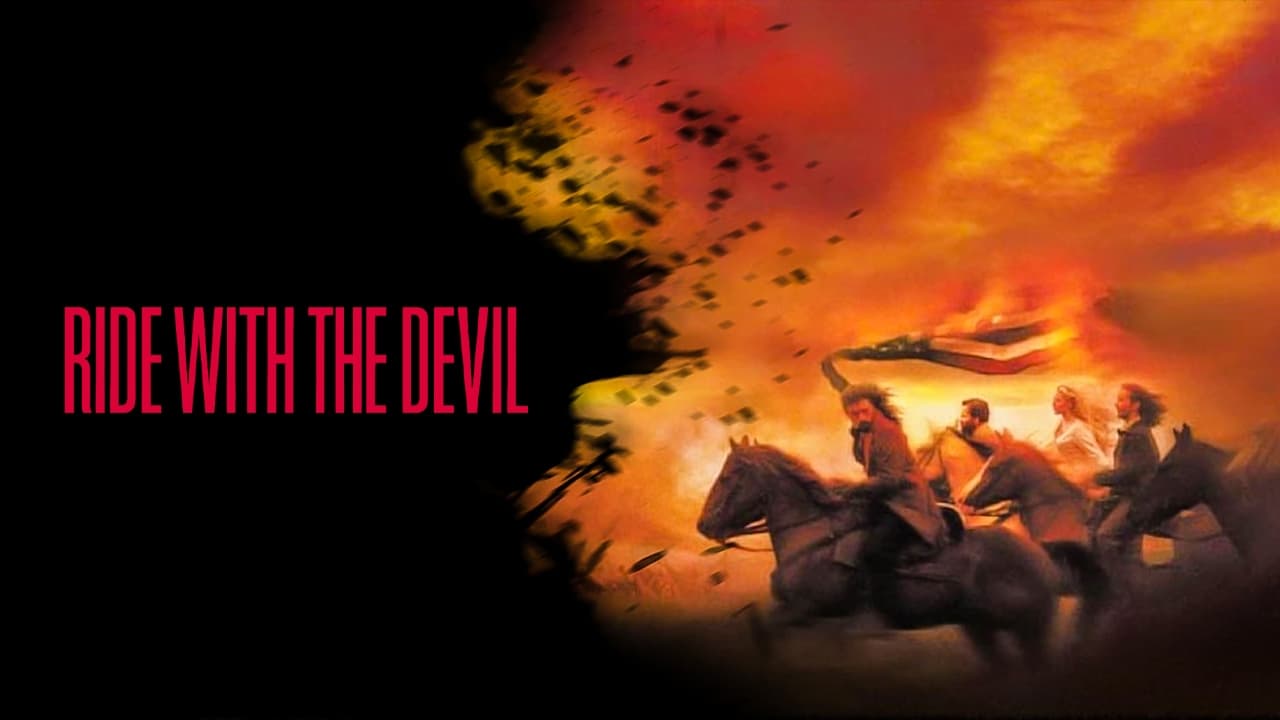
It’s strange, the films that stick with you. Not always the bombastic blockbusters that dominated the multiplexes back in ‘99, but sometimes the quieter ones, the ones you might have bypassed on the New Releases shelf at Blockbuster, nestled perhaps between flashier covers. Ang Lee’s Ride with the Devil (1999) is one such film. It arrived without much fanfare, a historical drama set during the American Civil War, but focusing on a brutal, morally gray corner of the conflict often overlooked: the Missouri-Kansas border war. It didn’t set the box office alight, but pulling that tape from its sleeve and slotting it into the VCR revealed something far richer and more haunting than its muted reception suggested.
Beyond Brothers in Arms
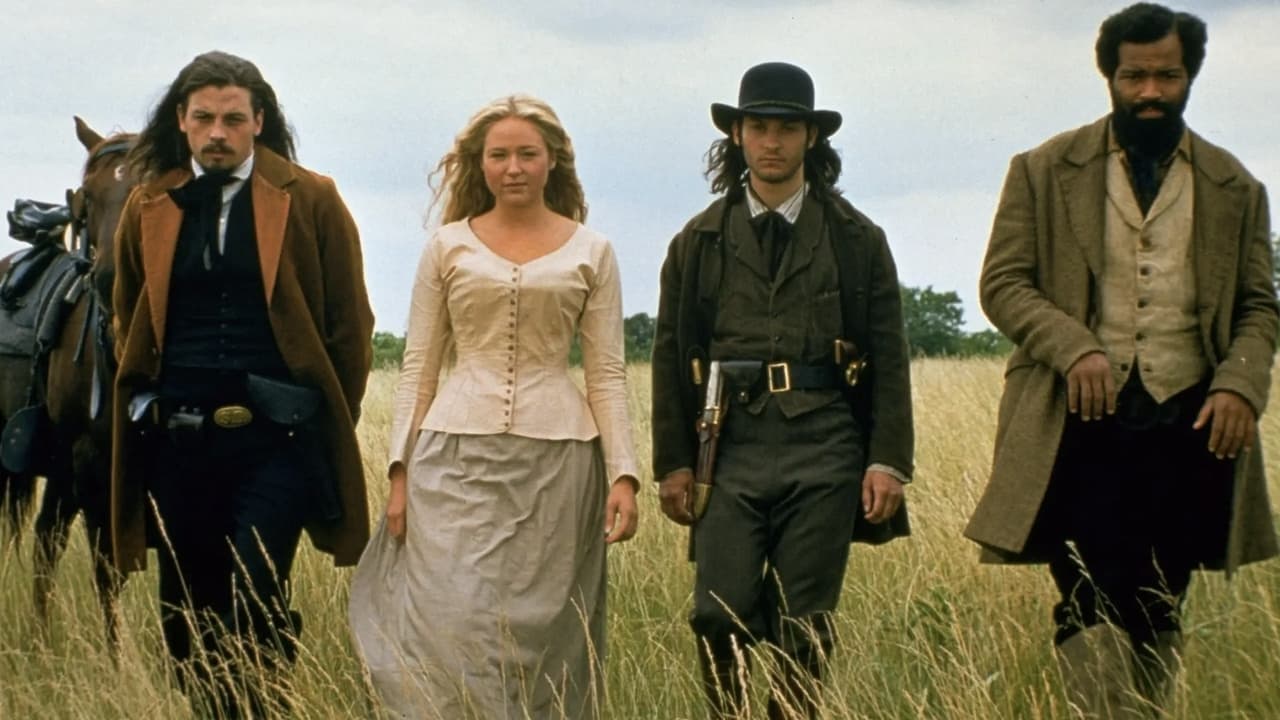
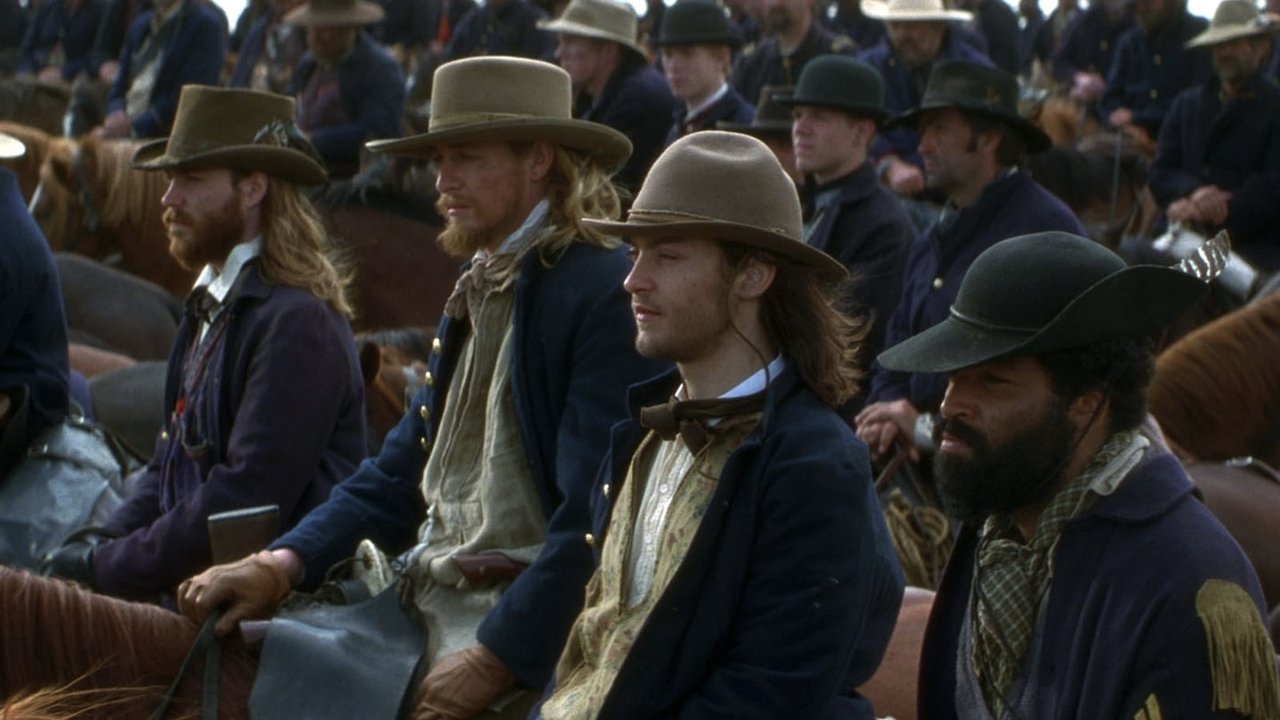
Based on the novel "Woe to Live On" by Daniel Woodrell (who later penned "Winter's Bone"), the film follows Jake Roedel (Tobey Maguire) and Jack Bull Chiles (Skeet Ulrich), close friends who join the Bushwhackers – Southern sympathizers engaged in guerrilla warfare against Union soldiers and Jayhawker militias. What immediately sets Ride with the Devil apart is its perspective. These aren't noble Confederates defending hearth and home in the traditional Hollywood sense; they are often brutal, vengeful young men caught in a spiral of violence. Jake, the son of a German immigrant, is already something of an outsider, his loyalty questioned even by those he fights alongside. This isn't a film about clear-cut heroism; it’s about survival, shifting allegiances, and the slow erosion of youthful certainty in the face of relentless conflict. I remember watching it on a flickering CRT, struck by how Lee, fresh off the very different The Ice Storm (1997), refused to offer easy answers or romanticize the bloodshed.
A Landscape of Quiet Dread
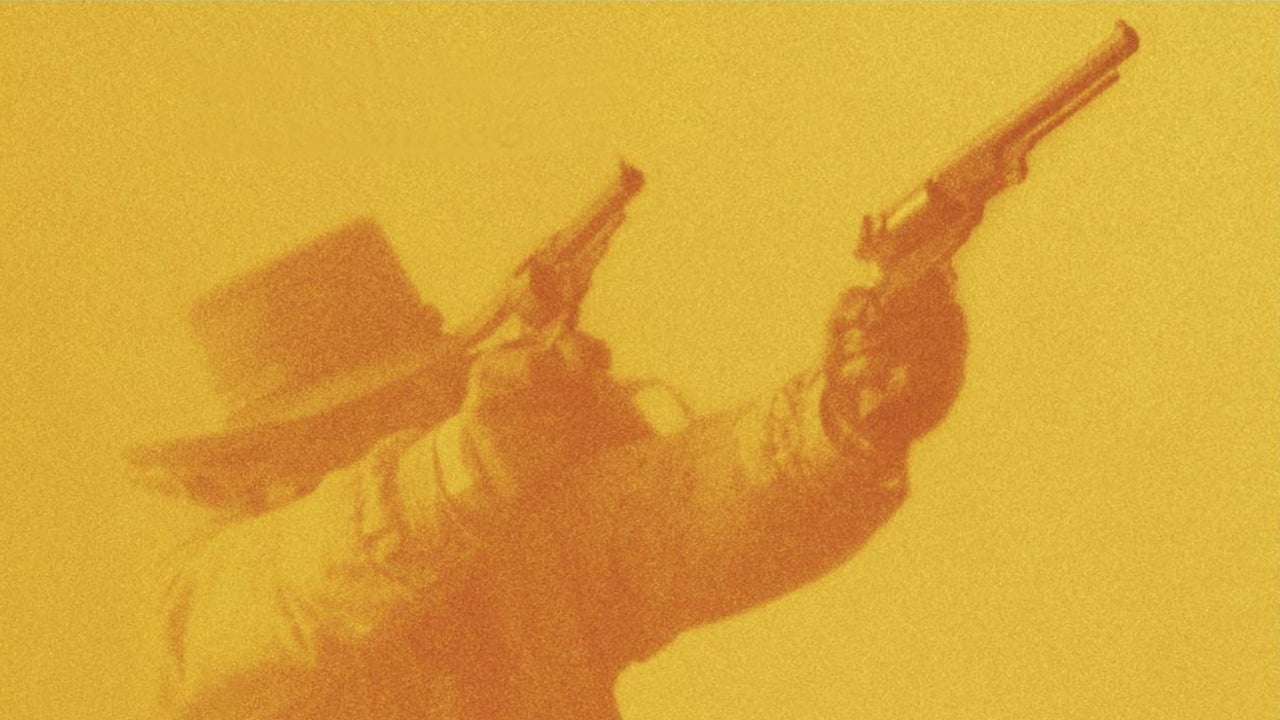
Ang Lee, working with screenwriter and long-time collaborator James Schamus, crafts a film steeped in atmosphere. Forget grand battle sequences; the tension here often lies in the quiet moments – the waiting, the uncertainty, the sudden, shocking eruptions of violence that feel terrifyingly real precisely because they aren't telegraphed. Cinematographer Frederick Elmes (whose lens captured the unsettling worlds of Blue Velvet (1986) and Eraserhead (1977)) paints a picture of harsh beauty – muddy trails, stark winter landscapes, firelight flickering on weary faces. The period detail is meticulous, from the costumes and weaponry to the specific dialects, grounding the drama in a palpable sense of time and place. Lee reportedly insisted on this authenticity, wanting the audience to feel the grit and the cold, the sheer hardship of that existence. It makes the sporadic, brutal action sequences – like the infamous Lawrence Massacre, depicted with horrifying directness – land with even greater impact.
Faces in the Firelight
The performances are uniformly strong, carrying the weight of the film's moral complexities. Tobey Maguire, just a few years before swinging into superstardom as Spider-Man, gives a wonderfully internalised performance. Jake is observant, thoughtful, often silent, his journey one of quiet disillusionment. You see the conflict warring within him through his expressive eyes. Alongside him, Skeet Ulrich, then known primarily for Scream (1996), brings a necessary charisma and recklessness to Jack Bull Chiles, the more traditional Southern gentleman drawn into the fray.
But perhaps the most talked-about performances belong to Jewel and Jeffrey Wright. Yes, that Jewel. The singer-songwriter took a significant dramatic turn as Sue Lee Shelley, a young widow who provides shelter and eventually complicates the men's lives. It was a gamble, casting a pop star in such a role, but she delivers a performance of resilience and quiet strength that feels utterly authentic. And then there’s Jeffrey Wright as Daniel Holt, a former slave fighting alongside the Bushwhackers, bound by loyalty to his friend George Clyde (Simon Baker). Wright's portrayal is magnetic – nuanced, dignified, conveying Holt's complex position and inner life with profound depth. His presence constantly challenges the easy assumptions about loyalty and identity within the group. Watch for a chillingly effective Jonathan Rhys Meyers too, as the unstable Pitt Mackeson.
Retro Fun Facts: An Overlooked Gem's Story
- Box Office Blues: Despite its quality and Lee's growing reputation, Ride with the Devil struggled commercially, earning a mere $635,096 against a substantial $38 million budget. Why? Perhaps the grim subject matter, tricky marketing, or its late December release date were factors. It felt like a film destined for the video store shelves, waiting for rediscovery.
- The Director's Cut: Thankfully, rediscovery happened. A longer Director's Cut, eventually released by The Criterion Collection, restores nearly 20 minutes of footage. This version significantly deepens the characters, particularly Jake and Daniel Holt, and fleshes out the narrative complexities. If you only saw the theatrical version back in the day (or on that original VHS), seeking out the Director's Cut is essential – it’s the definitive experience.
- Authenticity Above All: Lee's commitment extended to rigorous historical research. Actors attended a "Bushwhacker Boot Camp" to learn period riding styles and weapon handling. The specific Missouri dialects were carefully coached.
- Jewel's Preparation: To shed her pop star image, Jewel reportedly studied diaries of women from the era and worked intensely with an acting coach, determined to prove her dramatic chops. It clearly paid off.
The Lingering Questions
Ride with the Devil doesn't offer easy catharsis. It leaves you contemplating the nature of loyalty when causes become corrupted, the meaning of identity when societal structures collapse, and the struggle to retain humanity amidst brutality. What does it mean to fight for a side you don't fully belong to? How does one navigate survival when morality becomes a luxury? These questions resonate long after the credits roll, making it more than just a historical drama; it's a profound meditation on the human cost of conflict. It may not have been the movie everyone rushed out to rent in '99, but its quiet power and thoughtful exploration of difficult themes make it a standout piece of filmmaking from that era, one that rewards patient viewing.
Rating: 8.5/10
This score reflects the film's exceptional performances (especially Wright and Maguire), its atmospheric direction, meticulous historical detail, and its courage in tackling morally complex themes with nuance. While its deliberate pacing might not grip every viewer accustomed to faster action, its depth and artistry are undeniable. The slight deduction acknowledges its initial struggle to find an audience, though the Director's Cut largely elevates it further.
It remains a film that feels like a discovery, a testament to the kinds of challenging, character-driven stories that sometimes slipped through the cracks back then, waiting patiently on a shelf for the right viewer to take a chance. A true buried treasure of the late VHS era.