Alright, fellow tapeheads, let's rewind to a time when the Shaw Brothers logo promised unparalleled martial arts mayhem. Tonight, we're sliding a well-loved, perhaps slightly worn cassette into the VCR slot: 1978's Heroes of the East (also known sometimes as Shaolin Challenges Ninja or Challenge of the Ninja). Forget your standard revenge plots for a moment; this gem, directed by the legendary martial artist and choreographer Lau Kar-leung, offers something wonderfully different: a marital spat escalating into a full-blown, yet surprisingly respectful, international martial arts tournament.
### When 'I Do' Means 'You Duel'
The setup is simple yet ingenious. Affable Cantonese martial arts scholar Ho Tao, played with effortless charm by the iconic Gordon Liu (fresh off his star-making turn in Lau Kar-leung's other 1978 masterpiece, The 36th Chamber of Shaolin), marries the lovely Japanese martial artist Yumiko Kuda, portrayed by Yuka Mizuno. Their cultural differences, particularly regarding marital roles and, crucially, martial arts superiority, quickly boil over. What starts as domestic friction soon sees Ho Tao inadvertently issuing a challenge to Japan's top martial arts masters. It’s a premise penned by the incredibly prolific Shaw Brothers scribe Ni Kuang, who must have churned out scripts faster than Ho Tao dishes out blocks and strikes. The result isn't just action; it's a fascinating, often funny, exploration of cultural pride channeled through combat.
### Lau Kar-leung: The Master at Work
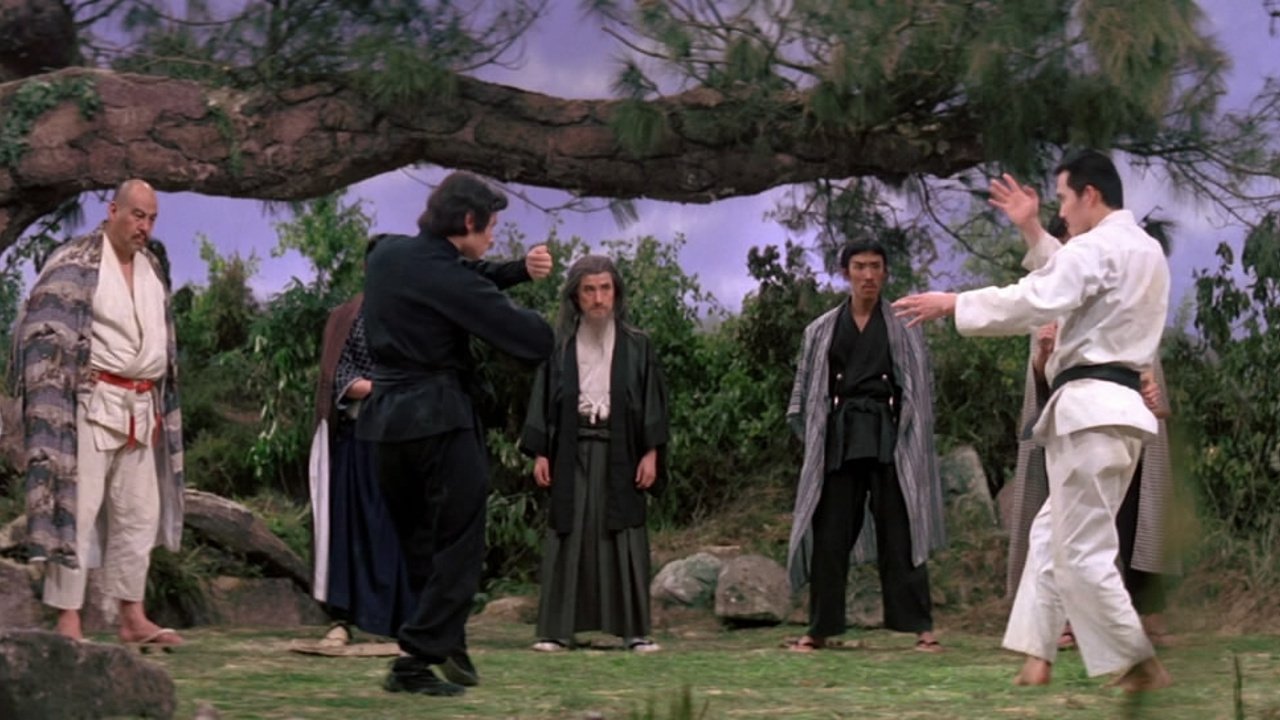
You can feel Lau Kar-leung's deep understanding and respect for martial arts pulsating through every frame. Coming from a direct lineage of Hung Gar masters (his father studied under Lam Sai-wing, a disciple of the legendary Wong Fei-hung), Lau didn't just choreograph fights; he taught through them. Heroes of the East is arguably his ultimate thesis on the distinct philosophies and techniques of various Chinese and Japanese fighting styles. Forget the high-flying wire-fu that would dominate later decades; this is grounded, intricate, and breathtakingly fast practical stunt work performed by masters of their craft.
The film was shot primarily on the sprawling Shaw Brothers Movietown studio backlots, those magical Hong Kong stages where countless classics were born. You can almost smell the paint on the sets and feel the focused energy of the stunt teams drilling routines. Lau’s direction here is crisp and clear, letting the intricate movements speak for themselves without resorting to excessive editing or shaky cam. He wants you to see the techniques, understand the differences between a Chinese broadsword and a Katana, or appreciate the nuances of Karate versus Drunken Fist.
### A Curriculum of Combat
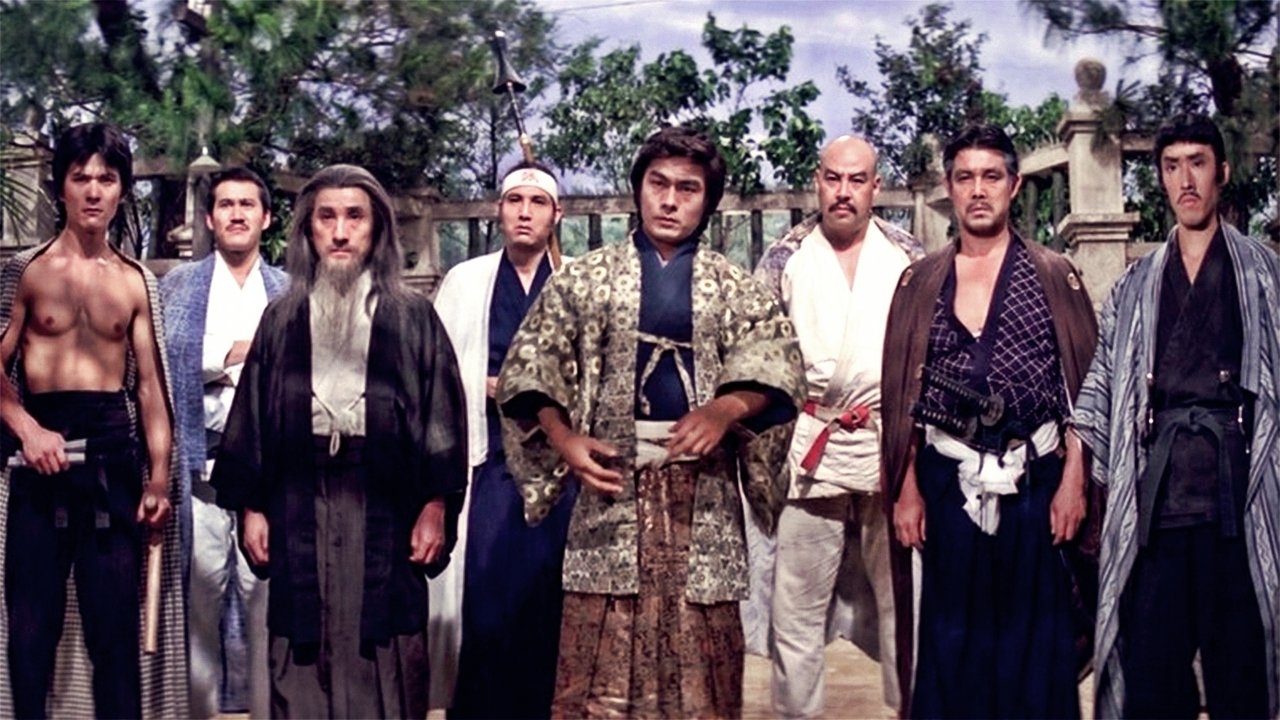
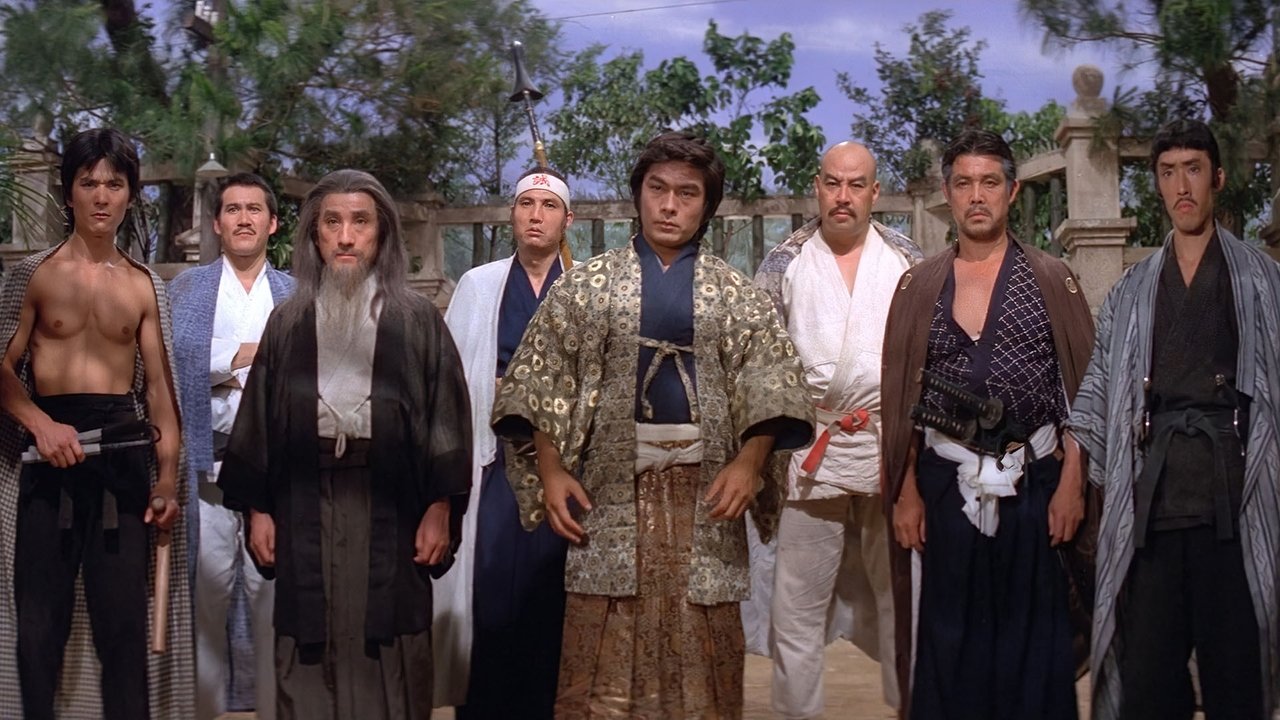
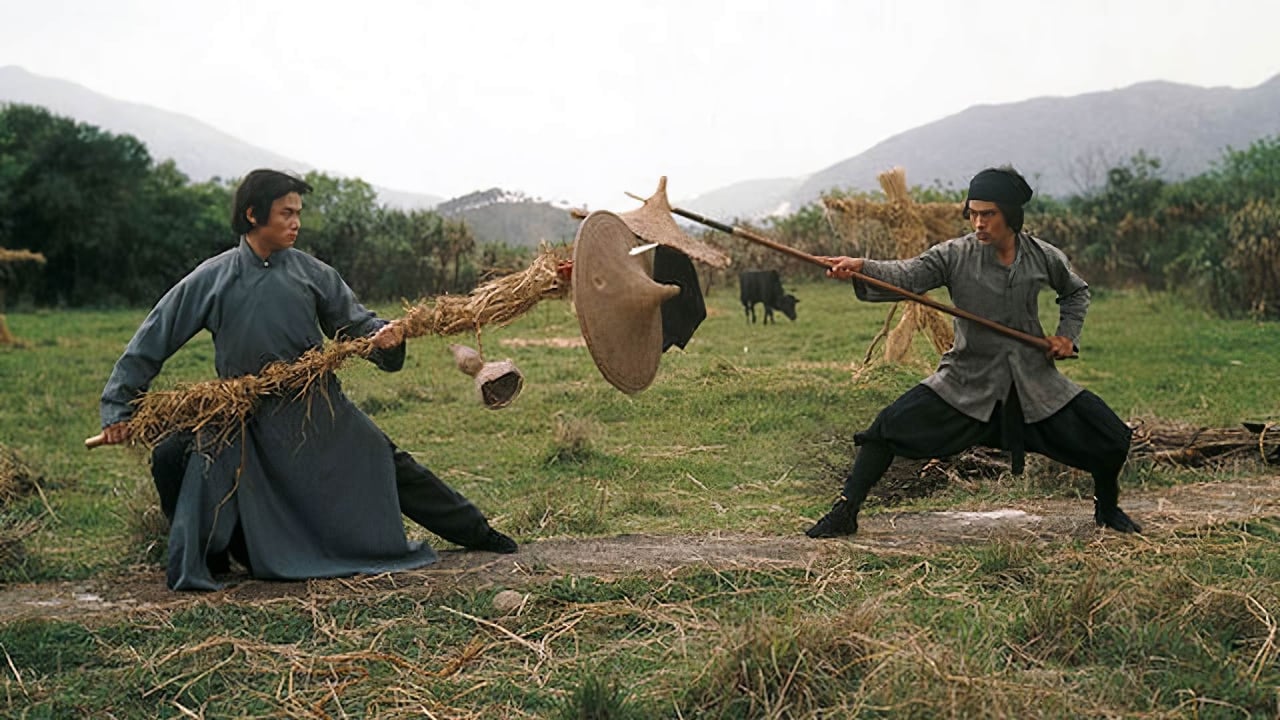
The core of the film is the series of duels Ho Tao must undertake against Yumiko's Japanese compatriots, each specializing in a different discipline. And what a showcase it is! We get Karate, Judo, Kendo (Japanese sword), Sai daggers, Nunchaku (though Ho Tao cleverly argues their Okinawan origin!), and even stealthy Ninjutsu. Ho Tao, being the resourceful hero, counters each with a corresponding Chinese style – Mantis Fist, Drunken Fist (a Gordon Liu specialty!), the Three-Section Staff, spear techniques, and more.
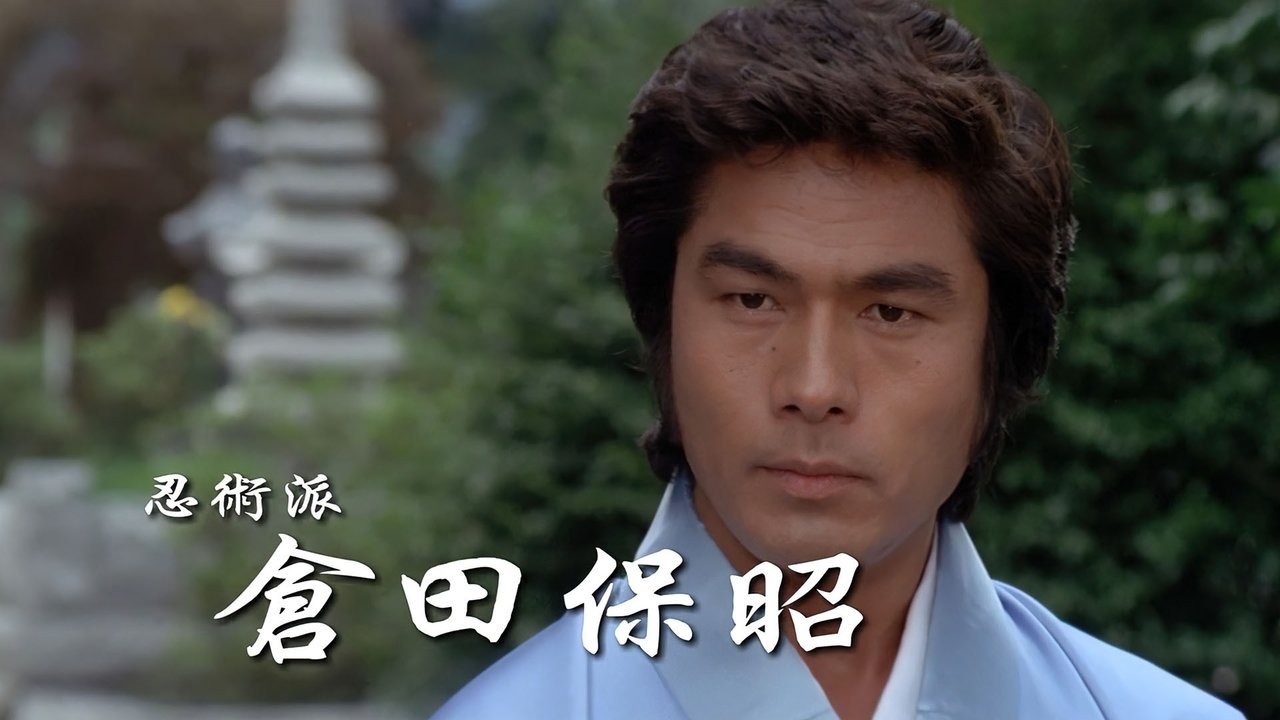
Remember how real those weapon clashes felt back then? The metallic clang, the speed, the sheer physicality of it all – it’s a world away from today's often weightless CGI battles. Each fight in Heroes of the East is distinct, meticulously choreographed to highlight the strengths and weaknesses of the styles involved. One standout sequence involves the ninja challenge – poison darts, smoke bombs, concealed blades – it’s pure 70s pulp ninja fun, countered brilliantly by Ho Tao's spear skills in a darkened room. It’s said Lau Kar-leung was obsessive about authenticity, researching and respecting each discipline portrayed, even bringing in Japanese martial artists (like Yasuaki Kurata, a frequent face in Hong Kong action cinema, appears here as Takeno) to ensure accuracy alongside his Hong Kong stunt team.
### More Than Just Fists and Fury
While the action is phenomenal, Gordon Liu brings a warmth and humour to Ho Tao that makes him incredibly likeable. He’s not just an invincible fighting machine; he’s a slightly exasperated husband trying to navigate a cultural minefield that just happens to involve potentially lethal combat. Yuka Mizuno as Yumiko is equally engaging, strong-willed and skilled in her own right, making the central conflict feel earned rather than contrived. The supporting Japanese masters are perfectly cast, each embodying their respective art with stoic intensity.
The film’s underlying message of mutual respect between martial arts traditions, despite the fierce rivalry, is also refreshing. Ho Tao consistently emphasizes that his duels are exhibitions, not death matches (though things inevitably get heated). It’s a celebration of martial skill itself, presented almost like an educational seminar punctuated by lightning-fast kicks and blocks. This respect for the art form is a hallmark of Lau Kar-leung’s directorial work.
### The Verdict on This VHS Treasure
Heroes of the East might not have the international name recognition of Enter the Dragon or even The 36th Chamber, but for martial arts purists and fans of classic Shaw Brothers action, it’s an absolute must-watch. It represents Lau Kar-leung at the height of his powers, blending incredible choreography with a unique premise and genuine character moments. Finding this tape felt like uncovering a secret handshake among kung fu movie fanatics back in the day. The colours pop, the sound effects crackle, and the action remains astonishingly intricate and well-executed.
Rating: 9/10
Why? Heroes of the East is a masterclass in martial arts filmmaking. Its unique "cultural exchange through combat" plot, combined with Lau Kar-leung's meticulous direction and Gordon Liu's charismatic lead performance, makes it stand out. The sheer variety and clarity of the fight choreography, showcasing distinct styles with respect and dynamism, is virtually unparalleled. It loses a single point perhaps only because the studio-bound nature might feel slightly dated to some, but its core strengths are timeless for fans of the genre.
Final Thought: Forget diplomacy; this is foreign relations conducted with fists, feet, and flying weapons – a gloriously entertaining and surprisingly thoughtful action classic that still kicks harder than most modern fare. Essential viewing for any serious student of screen fighting.