Some images from the 80s burrow deep into your memory, don't they? Not always the neon gloss or the big-haired rockstars, but sometimes the raw, unfiltered glimpses of a reality far removed from the usual Hollywood sheen. For me, and I suspect for many who haunted video store aisles back then, Uli Edel's 1981 film Christiane F. – Wir Kinder vom Bahnhof Zoo (often simply Christiane F. outside Germany) stands as one such indelible mark. It wasn't a comfortable watch then, pulled from its stark oversized VHS box, and it certainly isn't now, but its power remains stubbornly undimmed. This wasn't escapism; this was a stark confrontation.
### Berlin Calling, Darkness Responding
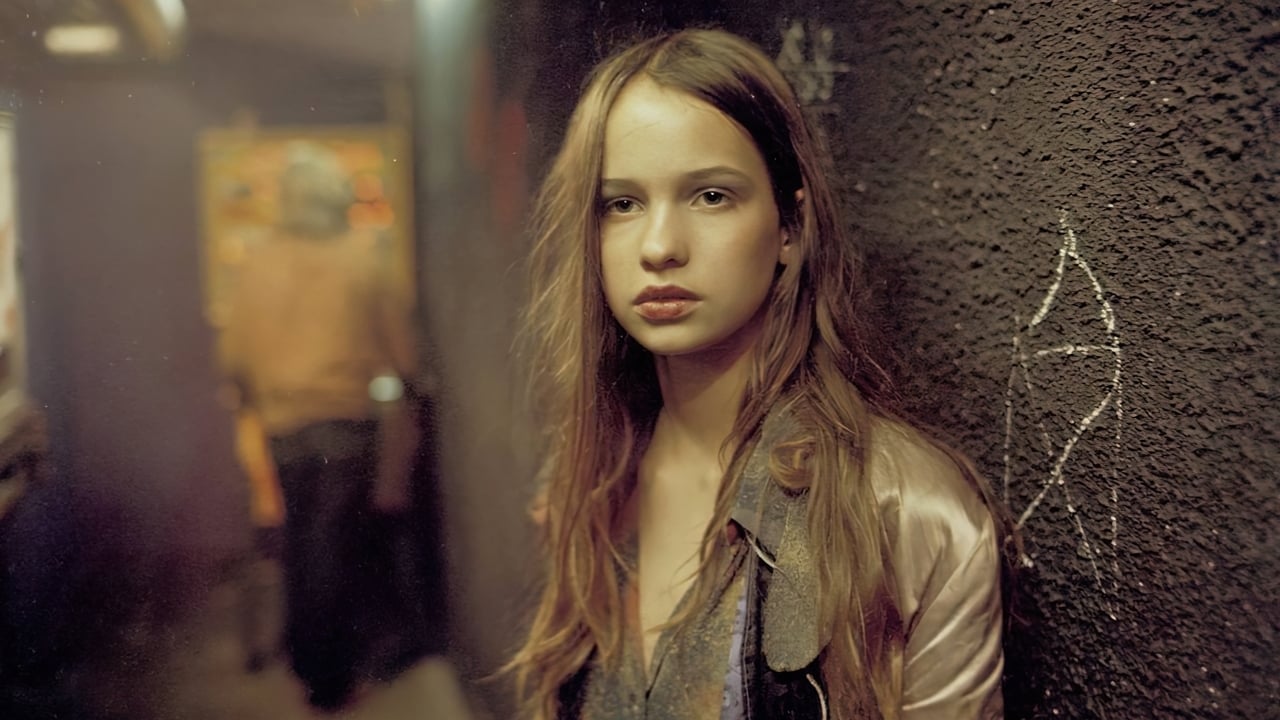
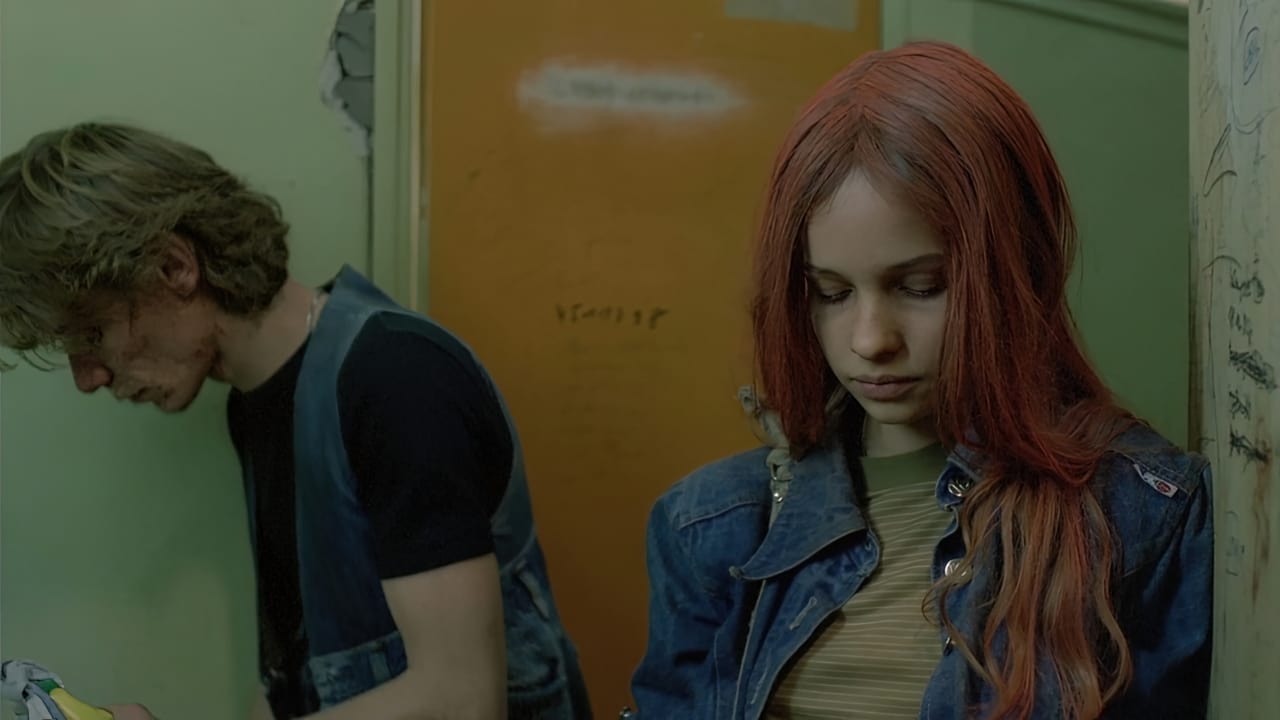
The film plunges us headfirst into the grim reality of West Berlin's youth drug scene in the late 1970s, seen through the eyes of the titular Christiane, played with astonishing, gut-wrenching authenticity by a then 14-year-old Natja Brunckhorst. Based on the shocking autobiographical book compiled from tape recordings by Stern magazine journalists, the film follows Christiane's descent from a curious teenager sneaking into the trendy SOUND discotheque to a heroin addict caught in a desperate cycle of scoring, prostitution, and fleeting, fragile connections with other lost kids like Detlev (Thomas Haustein). There's an almost documentary-like feel to Edel's direction, a refusal to look away from the needle parks, the squalid public toilets, the hollowed-out faces. You remember those scenes, the ones that felt almost too real for cinema? That lack of artifice is precisely the point.
### The Bowie Beacon

Amidst the bleakness, there’s the magnetic pull of David Bowie. His music isn't just a soundtrack; it's an escape, a symbol of the glamour and freedom Christiane initially craves. The concert sequence, featuring Bowie himself performing "Station to Station," is a pivotal moment – a brief, dazzling high before the crushing lows return. It’s fascinating trivia that the real Christiane Felscherinow was actually present during the filming of this concert scene, adding another layer of meta-reality to the proceedings. Bowie, having lived through his own well-documented struggles during his Berlin period just a few years prior, reportedly felt a connection to the story and agreed to participate, lending the film an immediate, almost mythical credibility at the time. His haunting track "Heroes," recorded in Berlin, echoes throughout, its soaring hope ironically juxtaposed against the characters' devastating realities.
### Authenticity Above All
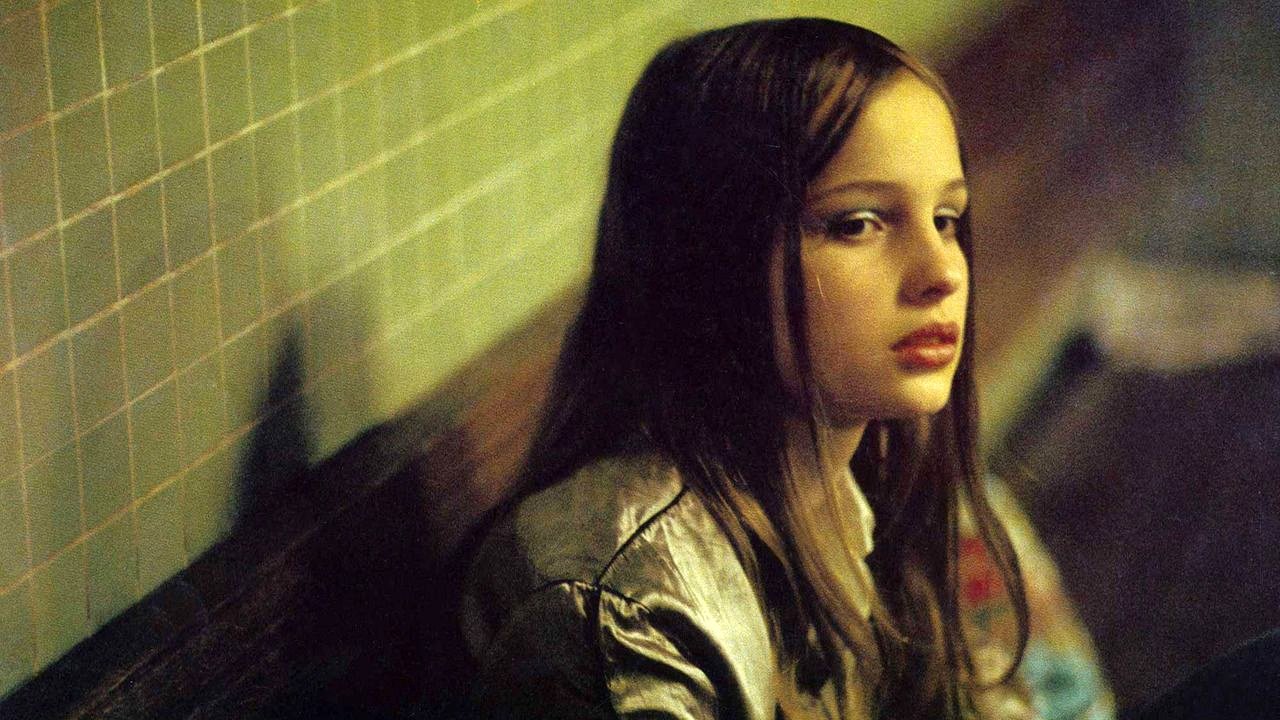
What truly elevates Christiane F. beyond mere exploitation – a trap it easily could have fallen into – is its commitment to realism, anchored by Brunckhorst's unforgettable performance. She wasn't a seasoned actress; she was discovered in a schoolyard, lending her portrayal an unvarnished vulnerability that’s almost painful to watch. There's no Hollywood gloss on her journey; her confusion, desperation, and fleeting moments of childlike hope feel utterly genuine. You see the light dim in her eyes, scene by scene. Supporting players, many also non-professionals drawn from the very environment the film depicts, further solidify this raw texture. They aren’t acting lost; they feel like they are lost. Filming took place in many of the actual locations described in the book – the Bahnhof Zoo station, the Gropiusstadt housing projects – grounding the narrative in a tangible, grim sense of place. This wasn't a set; this was the environment that shaped, and tragically consumed, so many young lives. Reportedly, the production even had to navigate interactions with real addicts and dealers during filming, blurring the line between fiction and reality in a way few mainstream films dared.

### A Difficult Legacy on Tape
Finding Christiane F. on VHS back in the day often felt like uncovering forbidden knowledge. It wasn't the kind of film you watched casually with popcorn. It provoked conversations, maybe even arguments. Its graphic depiction of drug use and its consequences was shocking for the time, leading to ratings board struggles and varied cuts in different territories. Did it glamorize addiction? Some critics argued it did, inadvertently making the lifestyle seem rebellious or cool despite the horrific outcomes. Others saw it as a necessary, unflinching cautionary tale. Looking back, it feels less like glamorization and more like a desperate cry for help captured on celluloid, a stark warning about neglecting vulnerable youth. Its impact was undeniable, sparking widespread discussion about drug policy and youth services across Europe. It wasn't necessarily a VHS Heaven staple in the sense of feel-good nostalgia, but its presence on those rental shelves signifies a time when challenging, even harrowing, European cinema could find a significant audience alongside the action blockbusters.
### Why It Still Matters
Does the film hold up? Its visual style is distinctly late 70s/early 80s, grainy and stark. The pacing is deliberate, sometimes meandering, reflecting the drift of the characters' lives. Yet, its emotional core remains potent. The questions it raises about societal neglect, the allure of subcultures, the devastating grip of addiction, and the fragility of youth are tragically timeless. It forces us to confront uncomfortable truths, asking how easily potential can curdle into despair. Watching it now, knowing the real Christiane F. survived (though her life remained tumultuous), adds another complex layer to the experience. It’s a reminder of the resilience of the human spirit, even after descending into the darkest depths.
---
Rating: 8.5/10
Justification: Christiane F. is a landmark of gritty realism. Its unflinching portrayal of addiction, anchored by Natja Brunckhorst's stunning debut and Uli Edel's uncompromising direction, makes it a harrowing but essential watch. The authentic Berlin locations and the powerful Bowie soundtrack contribute significantly to its lasting impact. While its bleakness makes it a difficult viewing experience, its historical importance and raw emotional power are undeniable. It loses a point and a half perhaps for the very thing that makes it powerful – its almost relentless grimness can feel overwhelming, and debates about its potential for misinterpretation persist.
Final Thought: This isn't a tape you'd pull out for a cozy night in, but Christiane F. remains a vital, haunting piece of cinema – a stark reminder from the VHS era of film's power to confront, disturb, and ultimately, provoke reflection long after the tracking lines have faded.