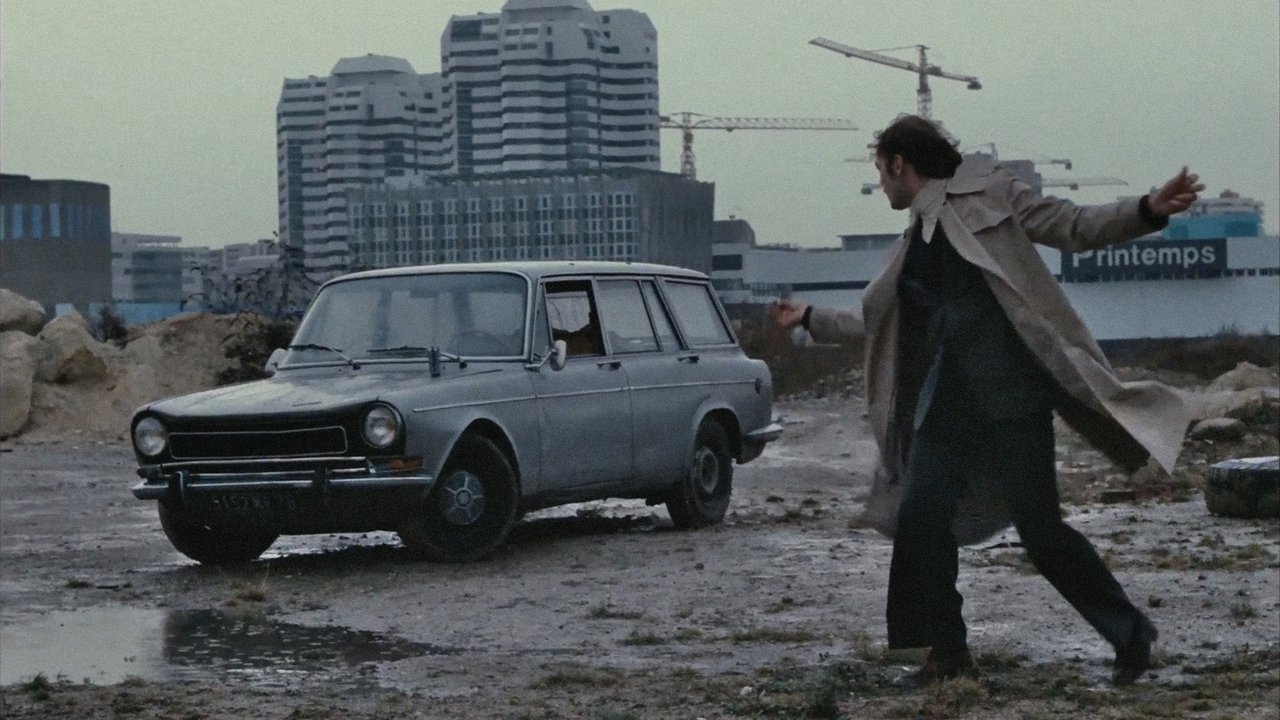
The rain seems permanently smeared across the windows in Alain Corneau's Serie Noire. Not a cleansing rain, but a grimy, soul-dampening drizzle that perfectly mirrors the landscape of utter desperation unfolding within. Forget slick, romanticized crime stories; this 1979 French neo-noir plunges you headfirst into the muck of human fallibility, leaving you feeling like you need a long, hot shower afterwards – and maybe a stiff drink. It’s a film that doesn’t just flirt with darkness; it mainlines it.
A Salesman at the End of His Rope
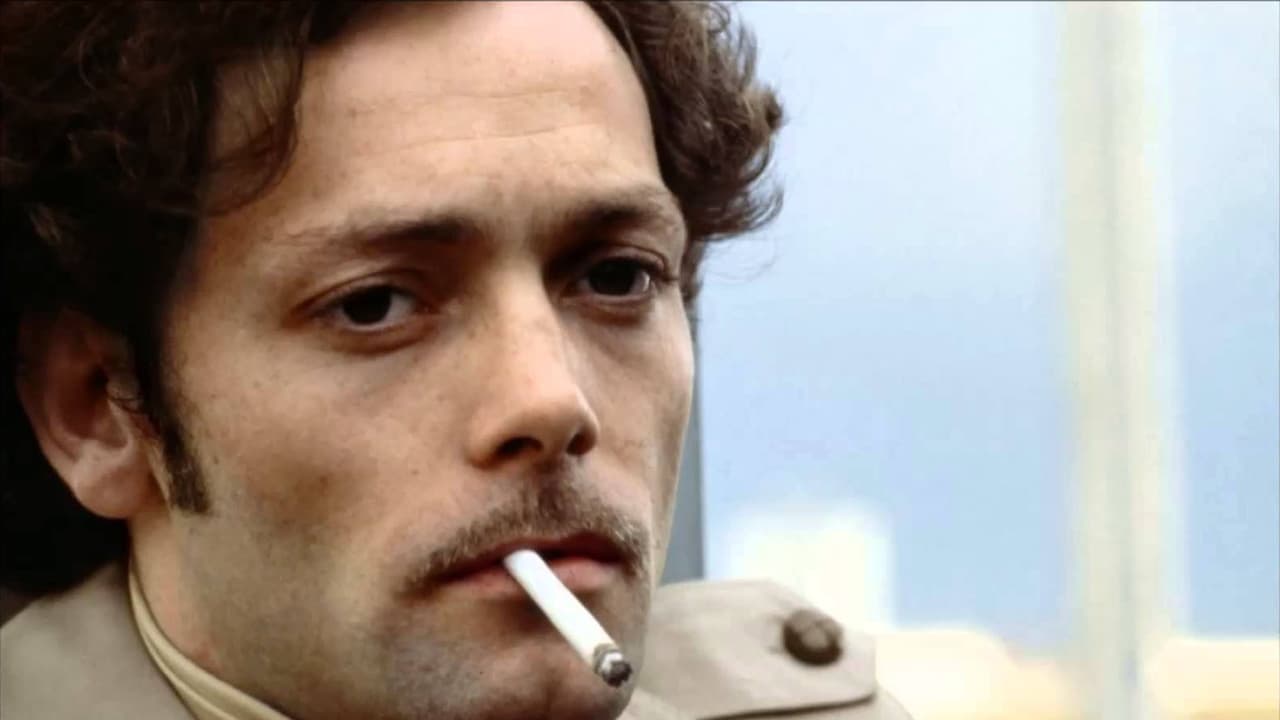
Our guide through this suburban hellscape is Franck Poupart, played with a terrifying, live-wire intensity by the legendary Patrick Dewaere. Franck is a door-to-door salesman peddling cheap clothes in the bleak new towns surrounding Paris, his optimism long eroded, replaced by a frantic, almost manic energy. He’s drowning in debt, his marriage to the perpetually weary Jeanne (Myriam Boyer) is disintegrating, and his boss is breathing down his neck. Dewaere embodies this man teetering on the abyss; his laughter rings hollow, his smiles are stretched tight over profound misery, his movements jerky and unpredictable. It’s a performance of staggering commitment, one that feels less like acting and more like witnessing a man genuinely coming apart at the seams. Knowing Dewaere's own tragic trajectory adds a layer of profound sadness to watching him pour every ounce of his being into this raw, uncomfortable role. It's said he fully immersed himself, pushing boundaries in a way that blurred lines between character and actor, contributing to the film's almost unbearable authenticity.
Descent into Darkness
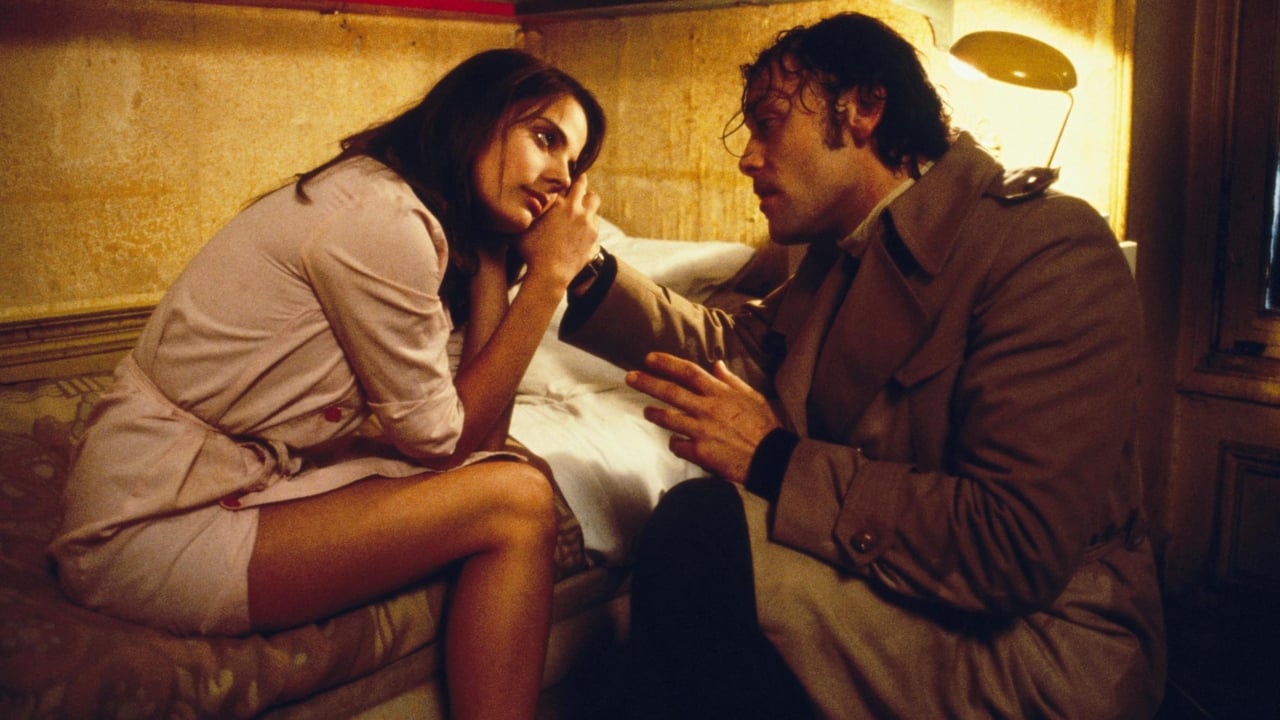
The plot, adapted from Jim Thompson’s pulp nightmare A Hell of a Woman by Corneau and, fascinatingly, the experimental Oulipo writer Georges Perec, kicks into gear when Franck stumbles upon a truly squalid situation. He meets Mona, a teenager living under the thumb of her miserly, abusive aunt. Played by a hauntingly vulnerable Marie Trintignant in her startling film debut (she was only 16 or 17 at the time), Mona is both victim and catalyst. She sees Franck as a potential escape route, and he, in his desperate state, sees her situation as an opportunity – a dark, twisted path towards the money he thinks will solve all his problems. What follows is a grimly inevitable spiral involving blackmail, theft, and murder, staged not in shadowy back alleys but under the flat, unforgiving light of drab suburban houses and desolate parking lots. Corneau, who had previously directed more polished thrillers, fully embraces the ugliness here, using the soulless architecture of Parisian satellite towns like Saint-Quentin-en-Yvelines to amplify the sense of entrapment and spiritual decay.
The Feel of Grit
Serie Noire isn't stylish in the conventional noir sense. There are no fedoras casting long shadows, no femme fatales draped in silk. The "style" is one of deliberate anti-style: cheap fabrics, peeling paint, greasy diners, the pervasive sense of damp cold. The film feels tactile in its unpleasantness. You can almost smell the stale cigarette smoke and desperation clinging to Franck’s cheap suit. The dialogue, often improvised or honed by Dewaere himself, crackles with vulgarity and raw emotion. There’s a scene involving Franck, Jeanne, and a disastrously cooked meal that is almost excruciating to watch, a masterclass in depicting marital breakdown through simmering resentment and explosive frustration. It’s the kind of realism that feels earned, not gratuitous. This wasn't a high-budget affair, reportedly made for around $1 million, forcing Corneau to rely on atmosphere and performance rather than elaborate set pieces, which ultimately works entirely in its favour.

An Uncompromising Vision
This isn't an easy watch. It’s bleak, often brutal, and offers little in the way of redemption. Franck Poupart is not an anti-hero you root for; he’s a pathetic, increasingly repellent figure whose choices lead only to deeper circles of hell. Yet, the film is utterly compelling. It’s a powerful examination of how poverty and despair can corrode the soul, pushing ordinary people towards extraordinary acts of violence. Corneau refuses to look away, forcing the viewer to confront the ugliness head-on. The source material from Jim Thompson is famously nihilistic, and Corneau and Perec lean into that, stripping away any potential glamour or sentimentality. It’s a film that garnered critical acclaim, even competing at the Cannes Film Festival, but its uncompromising nature likely kept it from wider mainstream success back in the day. Finding this on a dusty VHS tape felt like uncovering something genuinely dangerous and adult.
***
VHS Heaven Rating: 9/10
Justification: Serie Noire earns its high score through its sheer, uncompromising power. Patrick Dewaere delivers one of the great, harrowing performances of French cinema, perfectly capturing the frantic energy of desperation. Alain Corneau's direction creates an atmosphere of palpable dread and existential bleakness, utilizing the mundane suburban setting to chilling effect. The adaptation expertly translates Thompson's pulp nihilism to the screen. While its unrelenting grimness might deter some, its artistic integrity, stunning lead performance, and status as a cornerstone of gritty French noir make it essential, unforgettable viewing.
Final Thought: Decades later, Serie Noire hasn't lost its power to shock and disturb. It remains a brutal, brilliant descent into the abyss, anchored by a central performance that burns itself into your memory long after the tape stops rolling. A true testament to the dark heart of noir.