Here we go, another trip down the rabbit hole of the VHS archives. Sometimes you pull out a tape expecting pyrotechnics and synth scores, and instead, you find something quieter, more insidious, that burrows under your skin. That’s the feeling Absence of Malice (1981) leaves you with – a slow burn that meticulously dissects the devastating consequences of unchecked power, particularly the power of the press. It’s not a film that shouts; it observes, letting the weight of its implications settle slowly, like dust disturbed in a long-abandoned room.

Whispers That Wound
The film plunges us into the life of Michael Gallagher (Paul Newman), a Miami liquor wholesaler whose world is upended when ambitious newspaper reporter Megan Carter (Sally Field) runs a story, leaked by a federal prosecutor, suggesting he's a suspect in the disappearance of a union boss. Gallagher isn't charged, hasn't even been questioned extensively, but the accusation alone, printed under the banner of a major newspaper, is enough to ignite a firestorm. Directed by the ever-reliable Sydney Pollack (who gave us complex dramas like Three Days of the Condor (1975) and later, Out of Africa (1985)), the film unfolds not as a whodunit, but as a "how-could-they?".
What strikes you immediately is the film's grounding. There’s a distinct lack of melodrama. This isn't about heroic journalists uncovering vast conspiracies; it's about the messy, often ethically murky process of newsgathering and the very real human cost when corners are cut, or assumptions are presented as fact. The script, penned by former Detroit Free Press executive editor Kurt Luedtke, crackles with authenticity. Luedtke famously refused to write the screenplay for All the President's Men because he felt it glorified anonymous sources – a practice he critiques sharply here. You can feel his insider knowledge bleeding onto the page, understanding the pressures, the deadlines, and the potential for colossal error. Reportedly, Luedtke was so meticulous that his first draft was incredibly long, requiring Pollack's directorial eye to shape it into a taut thriller structure while retaining its core ethical arguments.
The Weight of Truth and Untruth
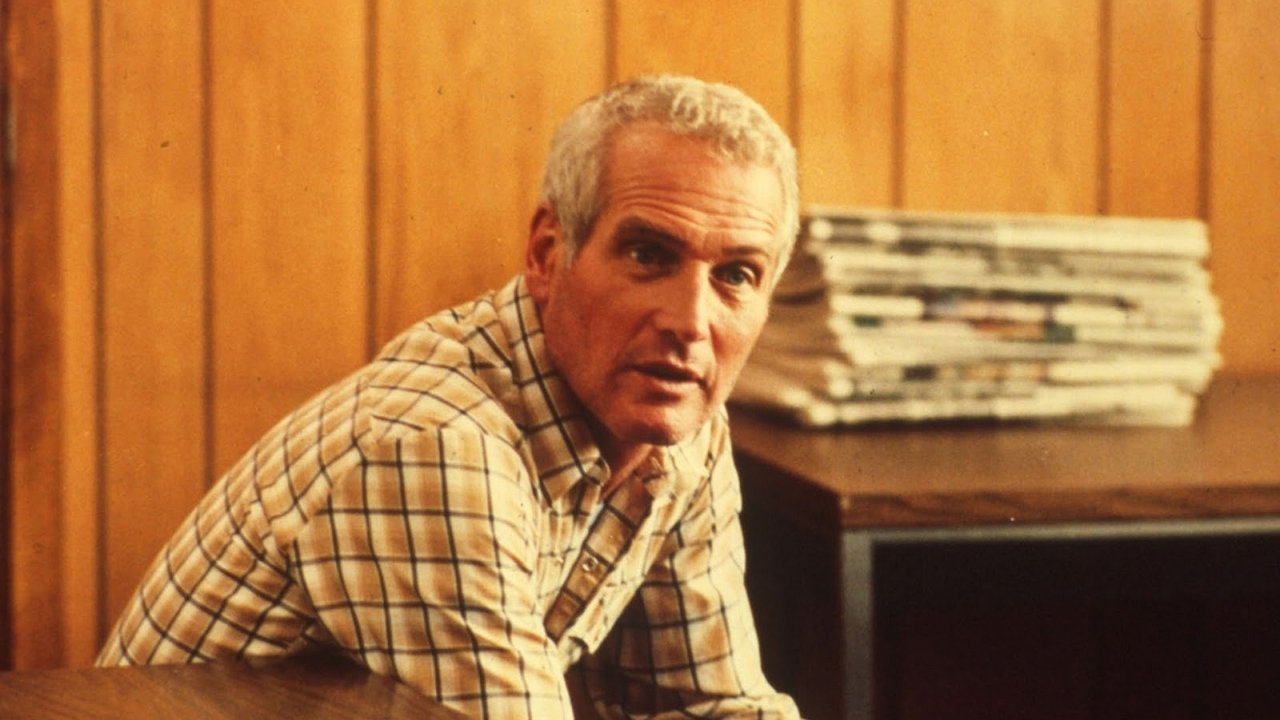
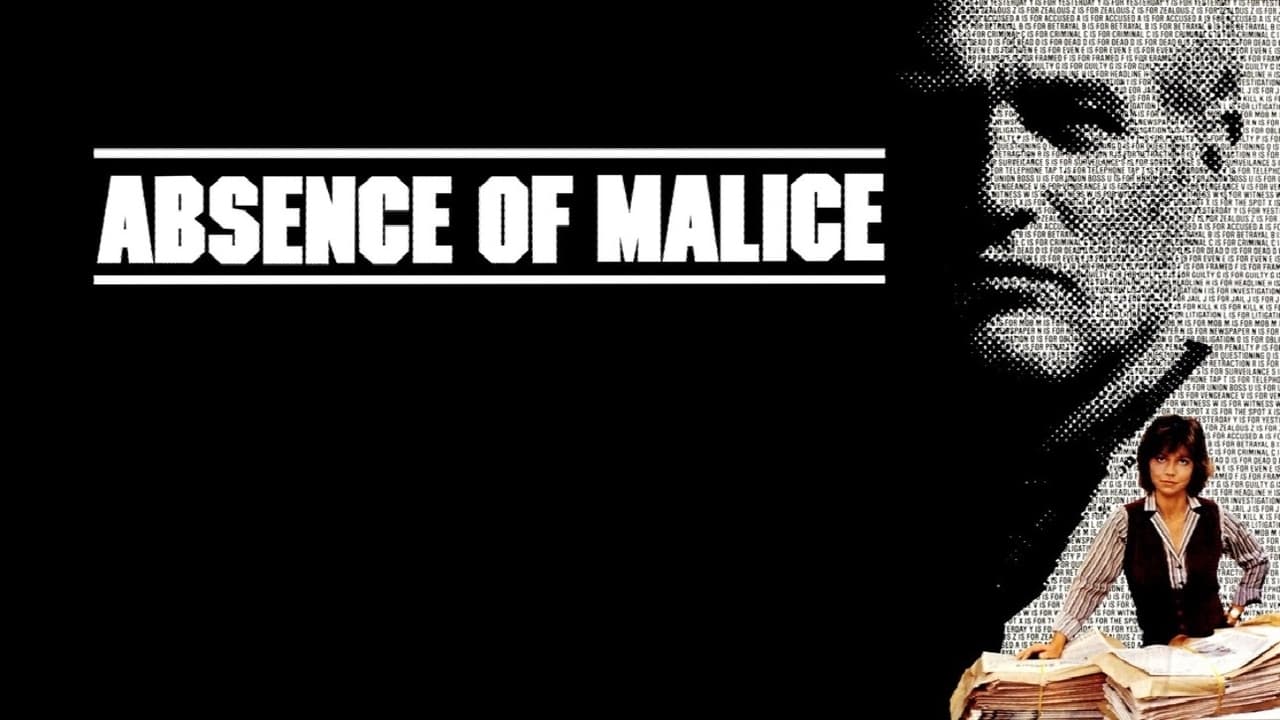
Paul Newman delivers a masterclass in understated power. Gallagher isn't a saint, implied to operate in the grey areas of legitimate business, but Newman plays him with a quiet dignity and simmering rage that feels utterly authentic. He’s a man cornered, watching his life unravel due to a story that, while perhaps technically "true" in that it reflects the prosecutor's leak, is profoundly untrue in its implication. You see the calculation behind his eyes as he decides how to fight back, not with fists, but with carefully planned maneuvers that expose the system's flaws. It’s a performance built on stillness and observation, reminding us why Newman was such a magnetic screen presence. I remember seeing his face on the VHS box art back in the day – it promised gravitas, a film with substance, and it delivered.
Sally Field, fresh off her Oscar win for Norma Rae (1979), navigates the complex role of Megan Carter beautifully. She isn't depicted as a malicious villain, but rather as someone whose professional ambition initially blinds her to the potential harm she can inflict. Field allows us to see Carter’s dawning awareness, the gradual erosion of her confidence as she realizes she’s been used, and the genuine remorse that follows. Her journey raises uncomfortable questions: where does journalistic duty end and personal responsibility begin? Doesn't the pursuit of a story sometimes obscure the humanity of those involved? The chemistry between Newman and Field is complex, shifting from adversarial to something more complicated, adding another layer to the ethical tangle.

And let's not forget Bob Balaban as the federal prosecutor Rosen, the source of the leak. Balaban embodies a kind of detached, bureaucratic ruthlessness – he sees people like Gallagher as mere pawns in his larger game, collateral damage in the service of what he perceives as justice. His performance is chilling precisely because it feels so plausible.
A Different Kind of Thriller
What Pollack achieves so effectively is tension built not on action sequences, but on dialogue, implications, and the steady tightening of the screws. The Miami locations, often depicted in sun-drenched crime capers, here feel almost oppressive, trapping the characters in a web of accusations and consequences. The film cost around $12 million to make and brought in a respectable $40.7 million at the box office – a sign that audiences in the early 80s, perhaps still processing the fallout from Watergate, were receptive to stories questioning institutional integrity.
It's interesting to note that the film’s title refers to a real legal standard in American libel law – proving "actual malice" (knowing falsity or reckless disregard for the truth) is often necessary for public figures to win defamation suits. The film cleverly explores the grey area where technically, malice might be absent, but immense harm is still done. One memorable production anecdote involves Pollack struggling to get the precise level of journalistic detail right, relying heavily on Luedtke's expertise to ensure the newsroom scenes felt authentic, right down to the pressure-cooker atmosphere.
Does Absence of Malice feel dated? Perhaps in its technology – the clatter of typewriters, the physical paste-up of newspaper pages. But its core themes? They feel terrifyingly relevant. In an age of instant digital news, viral misinformation, and trial-by-social-media, the questions it poses about journalistic ethics, the responsibility that comes with wielding the power of publication, and the devastating speed at which reputations can be destroyed resonate perhaps even more strongly today.
Rating: 8/10
This score reflects the film's intelligent script, Pollack's assured direction, and the powerhouse performances, particularly from Newman and Field. It tackles complex ethical issues with nuance and avoids easy answers, crafting a thriller driven by character and consequence rather than spectacle. While its pacing is deliberate, matching its thoughtful tone, it remains a compelling and incredibly relevant examination of media power that feels essential, even decades after its release.
Absence of Malice is a film that lingers, prompting reflection on the fine line between informing the public and ruining a life. What stays with you isn't just the plot, but the unsettling question: how easily could this happen?