Okay, fellow travelers in time, let's rewind the tape. Tonight, we're slotting in a film that feels less like a comforting blanket and more like a necessary confrontation, a howl of righteous frustration echoing from the tail end of the 70s: Norman Jewison's blistering legal drama, "...And Justice for All" (1979). This isn't your typical courtroom procedural; it's a film that wrestles with the very soul of the justice system, leaving you energized, enraged, and maybe just a little bit broken. I remember renting this one, probably nestled between lighter fare on the video store shelf, and being utterly unprepared for the raw nerve it touched.
### The System is Broken, The Lawyer is Breaking
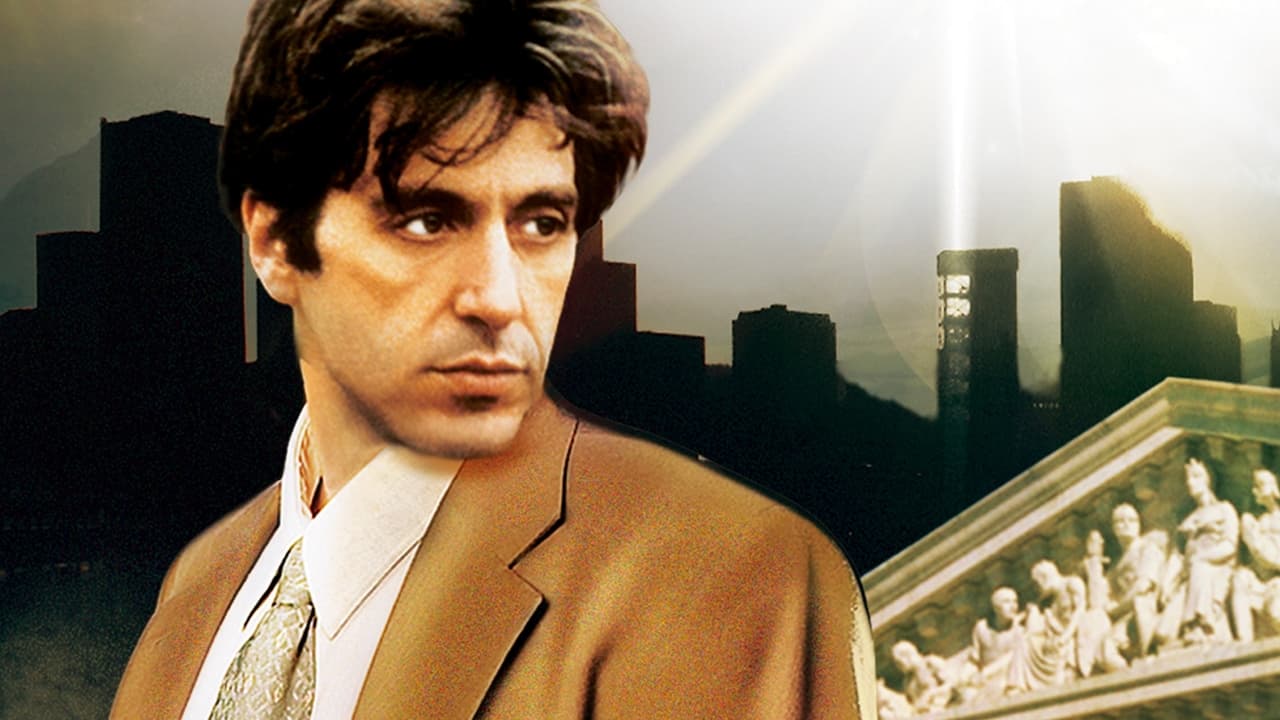
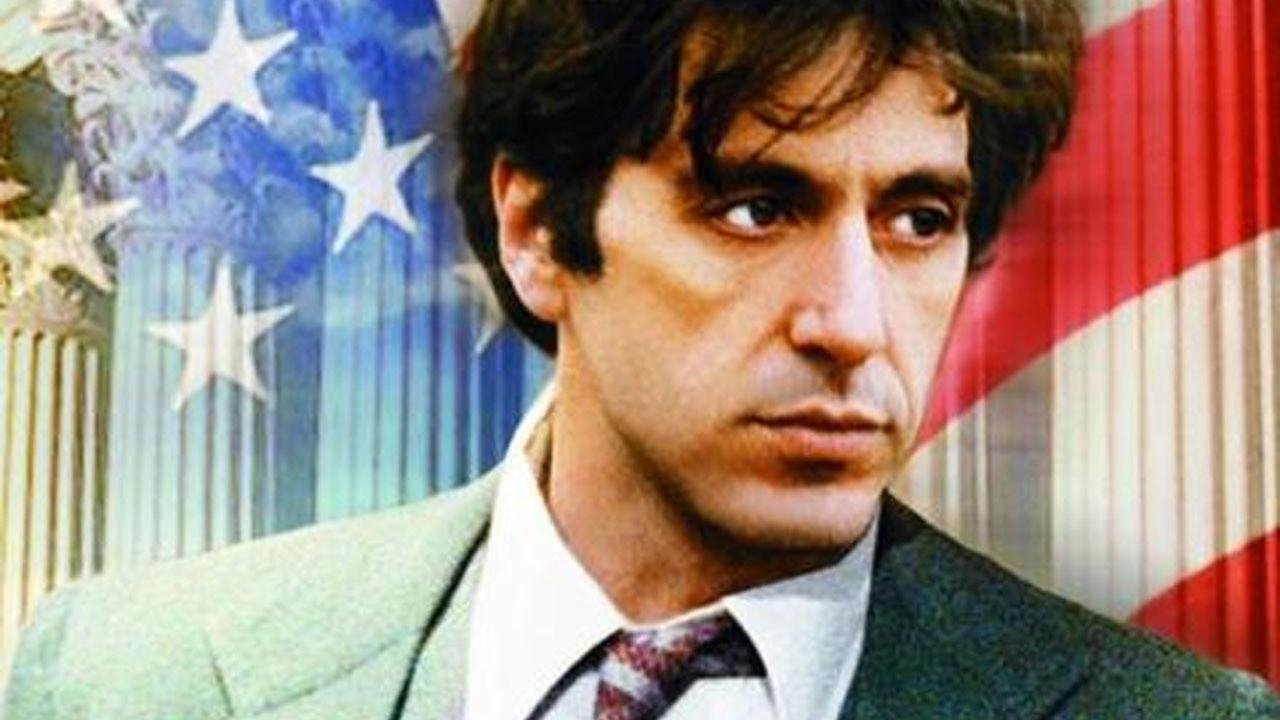
The film throws us headfirst into the chaotic world of Arthur Kirkland, portrayed by an Al Pacino operating at the peak of his volcanic intensity. Kirkland is an idealistic defense attorney in Baltimore, trying desperately to maintain his integrity within a legal labyrinth seemingly designed to crush it. He’s surrounded by characters who embody the system's absurdities and failings: from the tragically eccentric Judge Rayford (Jack Warden, in a performance laced with dark humor and pathos) who contemplates suicide on the courthouse ledge, to the chillingly corrupt and powerful Judge Fleming (John Forsythe, shedding his later Dynasty charm for something far colder).
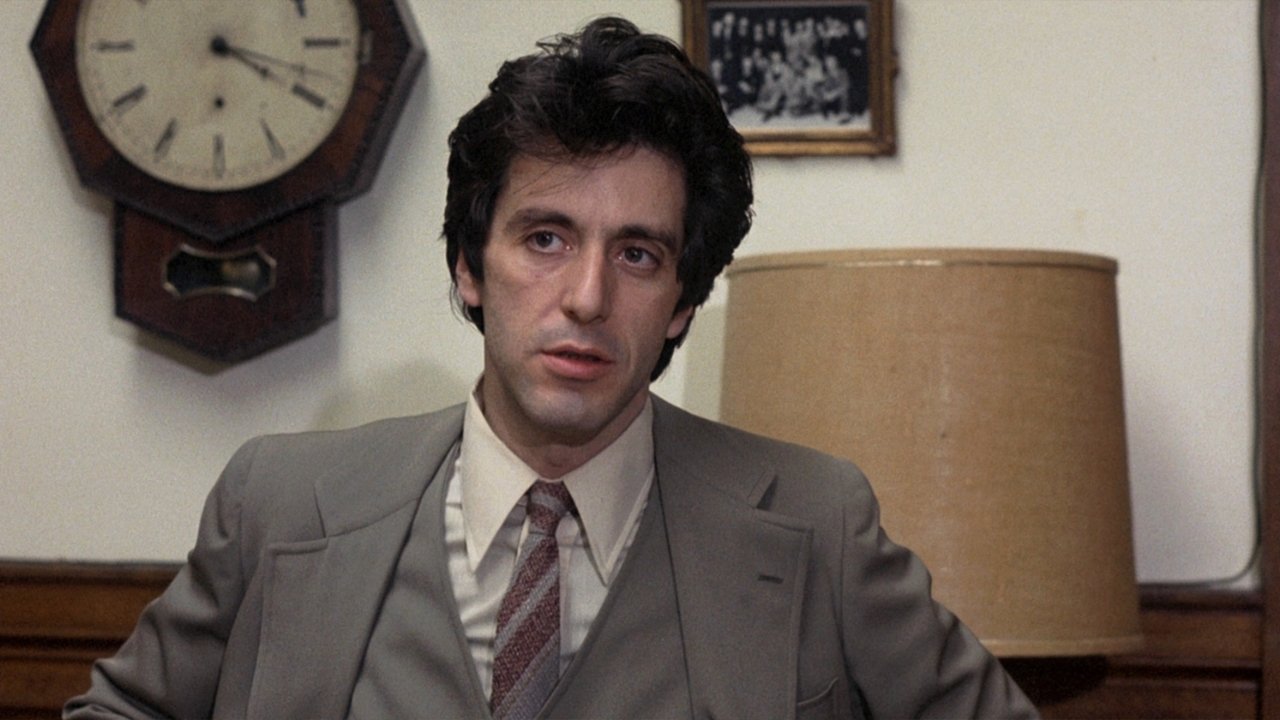
What makes "...And Justice for All" resonate, even decades later, isn't just its critique of legal corruption, but its exploration of the psychological toll it takes on someone trying to do the right thing. Kirkland is forced to defend a judge he knows is guilty of a heinous crime, a predicament that pushes his ethical boundaries to the absolute limit. You see the idealism fraying, the frustration mounting, the sheer impossibility of navigating a system where truth feels like a secondary concern. Doesn't that battle against entrenched power, that feeling of banging your head against a bureaucratic wall, still feel acutely relevant today?
### Pacino Unleashed
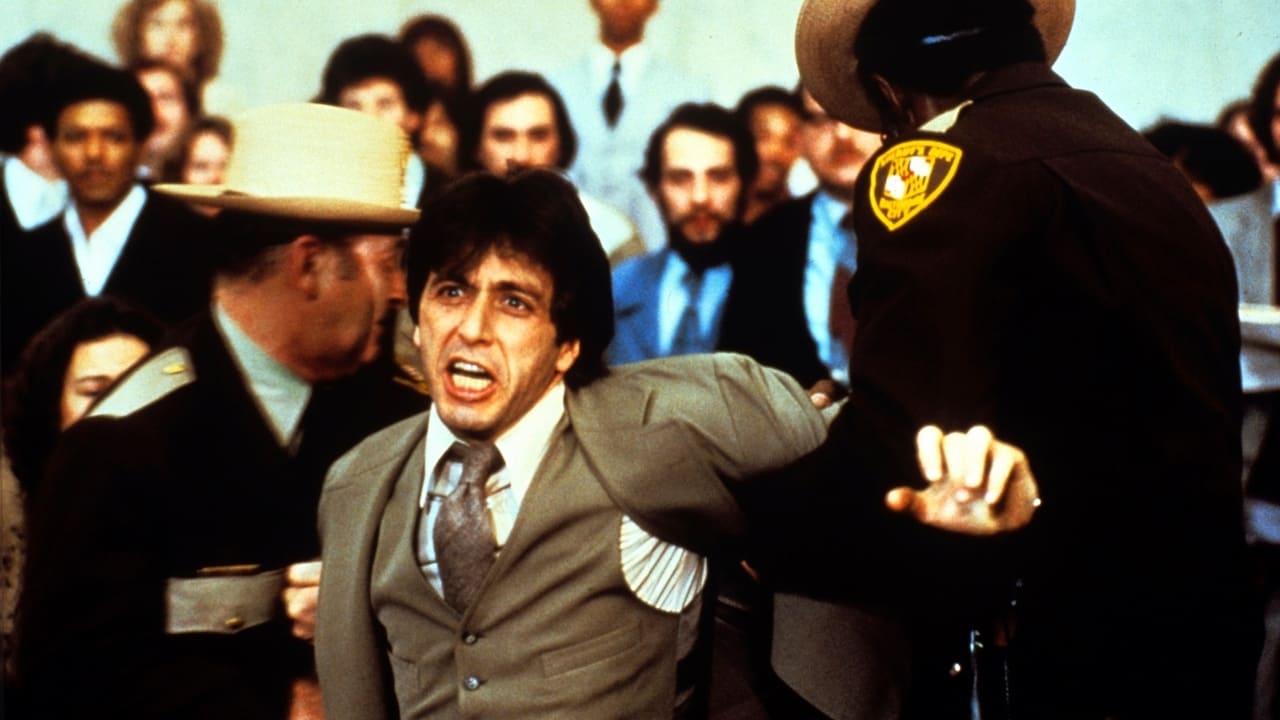
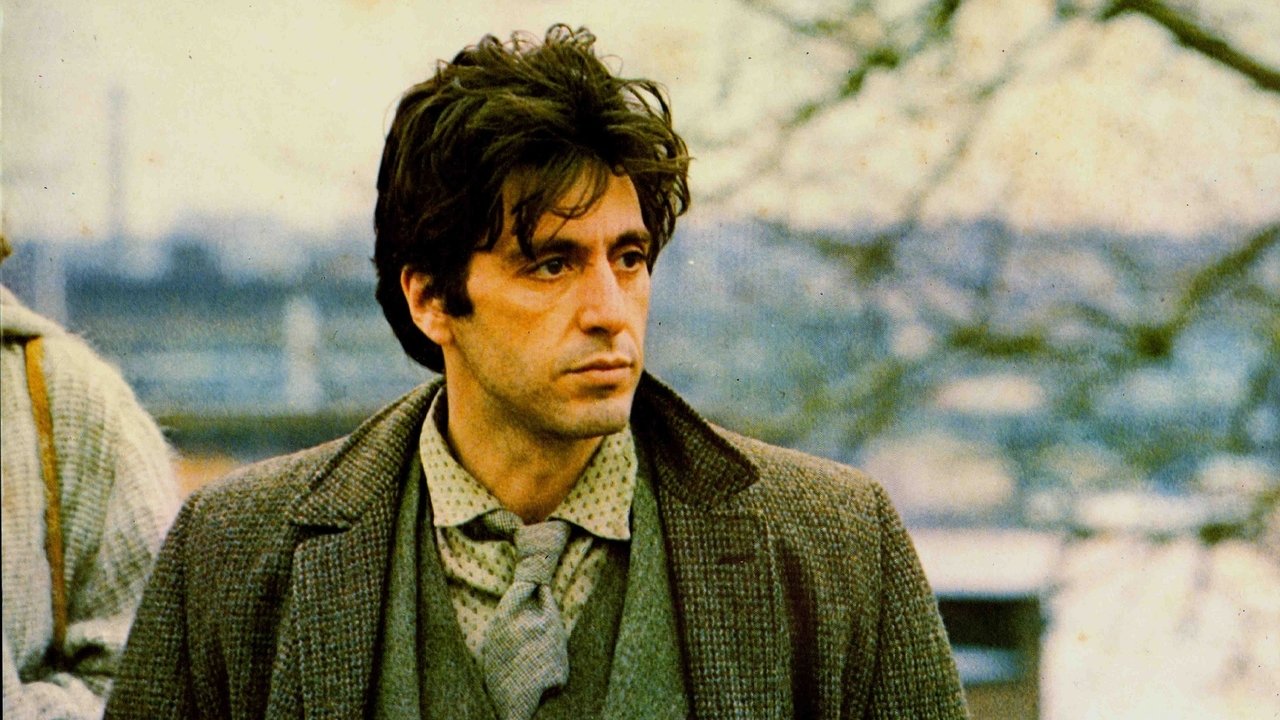
Let's be clear: this film belongs to Al Pacino. Fresh off searing performances in films like Serpico and Dog Day Afternoon, he brings that same raw, frayed-nerve energy to Arthur Kirkland. It’s not just shouting (though there is that iconic moment); it’s the quiet desperation in his eyes, the strained set of his jaw, the way he carries the weight of his clients' fates and the system's failures. His performance earned him a well-deserved Oscar nomination, capturing a man teetering on the edge, fighting not just for his client, but for his own sanity and belief in justice itself. Watching him unravel is both exhausting and utterly compelling.
It's fascinating to know that the script, penned by Valerie Curtin and Barry Levinson (who would later direct classics like Diner and Rain Man), drew heavily on the real-life experiences and frustrations shared by lawyers they knew. That authenticity bleeds through, grounding the film's more satirical elements in a painful reality. Director Norman Jewison, already known for tackling social issues in films like In the Heat of the Night, masterfully balances the film's tonal shifts – from moments of bleak humor to scenes of intense emotional distress. Filming on location in Baltimore further cemented this gritty realism, making the courthouse and city streets feel like characters in their own right.
### More Than Just a Courtroom Yell
While the film is undeniably famous for its explosive climax – Kirkland's unforgettable courtroom meltdown ("YOU'RE OUT OF ORDER! THE WHOLE TRIAL IS OUT OF ORDER! THEY'RE OUT OF ORDER!") – reducing it to just that scene does it a disservice. That outburst isn't just a tantrum; it's the culmination of every injustice, every ethical compromise, every moment of disillusionment Kirkland has endured. It's the sound of a man finally snapping under the unbearable pressure of a system that has fundamentally failed. Reportedly, Pacino heavily workshopped and improvised elements of this speech, pouring his own understanding of Kirkland's breakdown into those indelible lines. It’s a primal scream against hypocrisy that likely resonated deeply with audiences feeling disillusioned by institutions in the post-Watergate era.
The supporting cast, too, deserves recognition. Jack Warden is heartbreaking as the judge wrestling with his own demons, providing moments of bizarre levity tinged with profound sadness. And John Forsythe is genuinely unsettling as the untouchable Judge Fleming, embodying the arrogance of power. Their performances create a believable ecosystem of legal players, some trying to survive, others actively poisoning the well.
### The Lasting Impression
"...And Justice for All" isn't always an easy watch. It’s messy, angry, and sometimes veers close to caricature in its depiction of judicial absurdity. Yet, its central conflict – the individual versus the flawed institution, the struggle to maintain morality in a corrupt world – remains powerfully relevant. It's a film that asks difficult questions without offering simple answers. What happens when the mechanisms designed for justice become instruments of the opposite? How much compromise can one person endure before they break?
Watching it again now, decades after first seeing it on a flickering CRT screen via a well-worn VHS tape, the film’s anger feels less like a relic of the 70s and more like a timeless expression of frustration. It captures a specific kind of weariness, the exhaustion that comes from fighting a battle that feels rigged from the start.
Rating: 8.5/10
Justification: While some satirical elements might feel broad by today's standards, the film's power rests on Pacino's towering performance, Jewison's confident direction, and its unflinching, still-relevant critique of systemic flaws. It's a potent blend of drama and righteous fury that earns its iconic status.
Final Thought: It leaves you pondering not just the flaws in the legal system, but the immense courage it takes to shout "out of order" when everything and everyone seems determined to maintain a broken status quo.