Here we are again, settling into that familiar worn spot on the couch, maybe with the hum of a VCR starting up in our memory. Some films, when you revisit them years later, hit differently. They resonate not just with nostalgia for the time we first saw them, but with a depth that perhaps we missed back then. Hal Ashby's Coming Home (1978) is one such film – a movie that arrived when the wounds of Vietnam were still achingly fresh, offering not patriotic fervor or action spectacle, but a quiet, searing look at the personal cost carried back home.
### Beyond the Battlefield
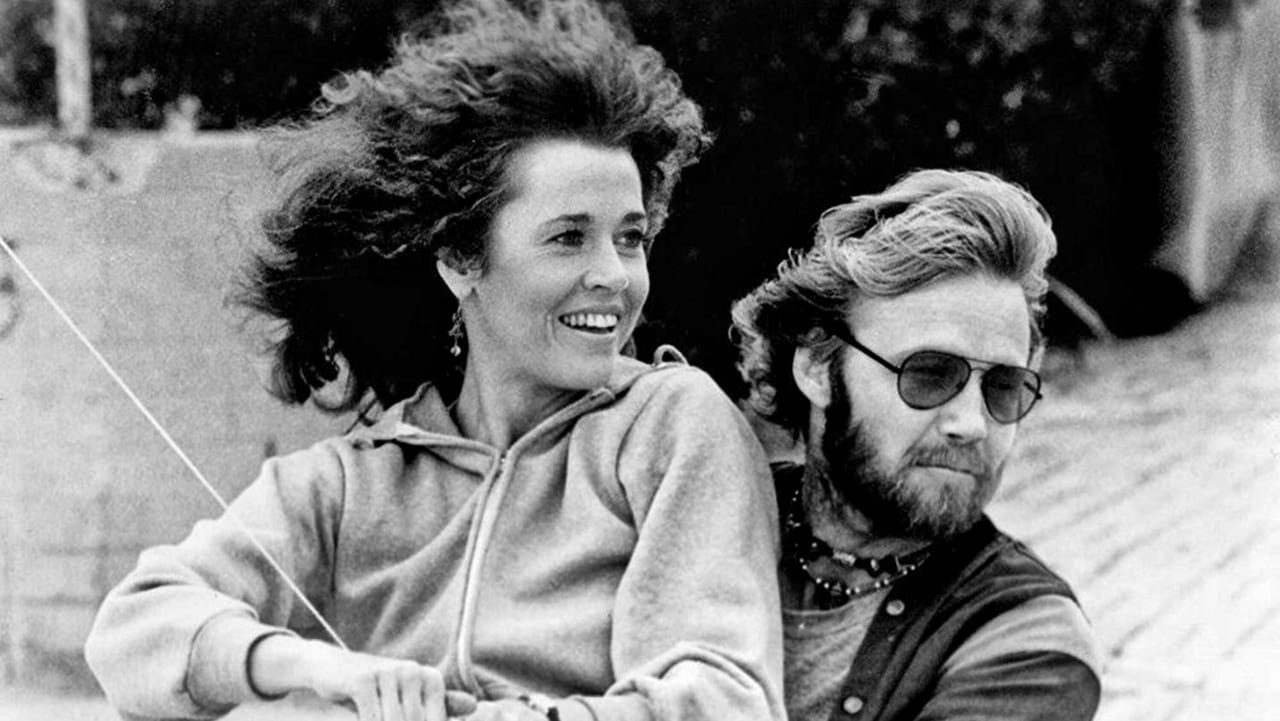
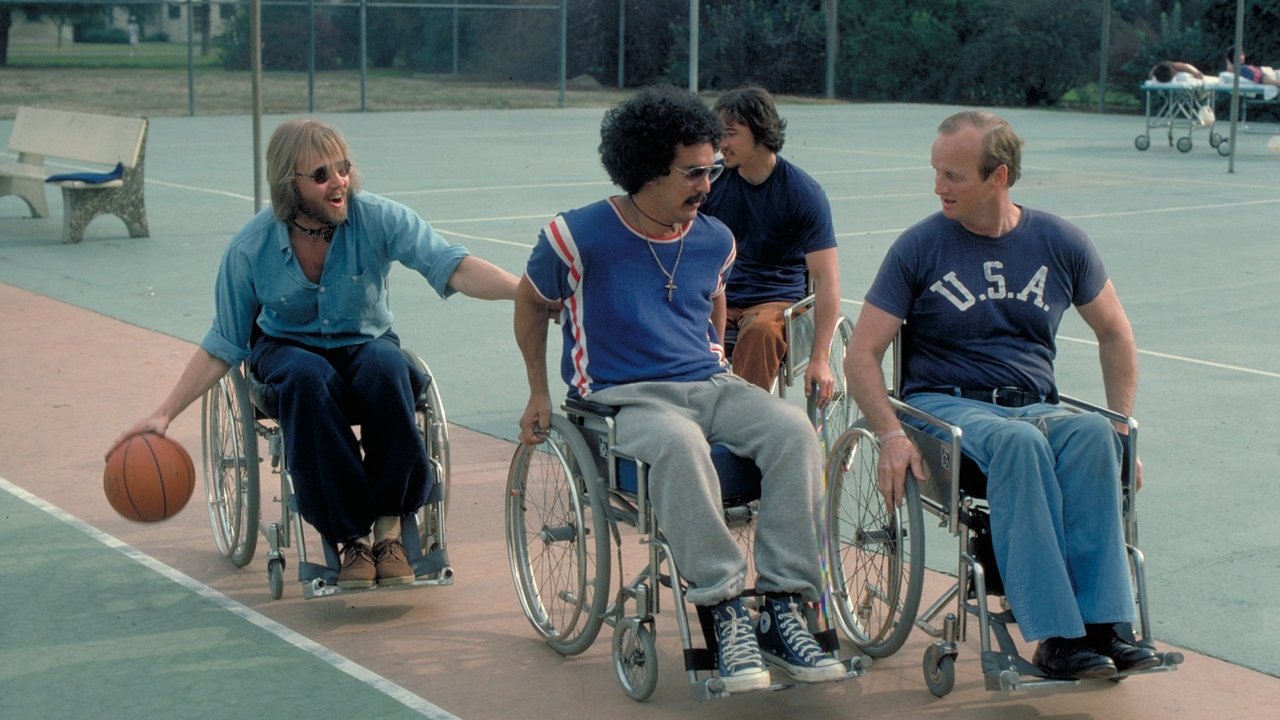
What strikes you immediately about Coming Home isn't a grand statement, but its intense focus on the intimate. It begins not on the front lines, but in the strained quiet of domestic life and the sterile reality of a veterans' hospital. We meet Sally Hyde (Jane Fonda), a conventional Marine officer's wife, whose worldview begins to shift dramatically when her husband, Captain Bob Hyde (Bruce Dern), deploys to Vietnam. Seeking purpose, she volunteers at the local VA hospital, a place overflowing with the broken bodies and spirits of returning soldiers. It’s there she reconnects with Luke Martin (Jon Voight), a former high school classmate now paralyzed from the waist down, his anger and disillusionment a stark counterpoint to the gung-ho patriotism Sally initially embodies.
### Performances Forged in Truth
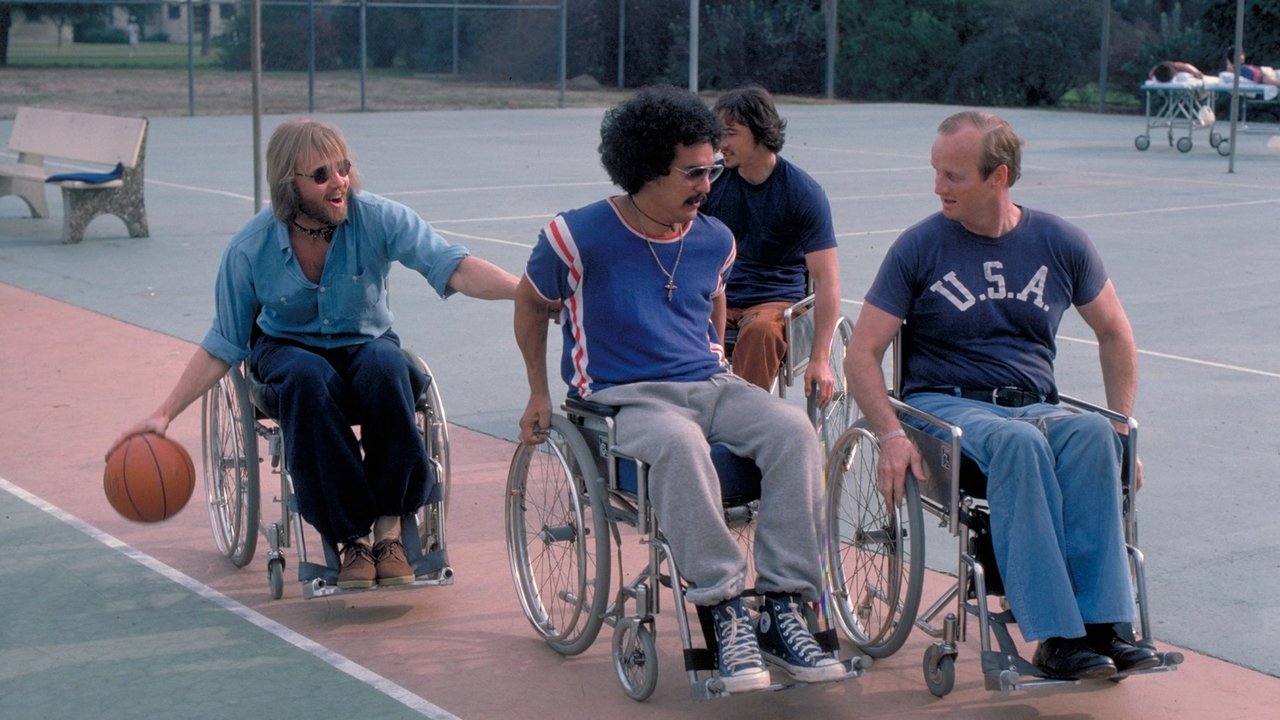
The heart of Coming Home beats within its three central performances, each a masterclass in nuanced humanity. Jane Fonda, in a role deeply connected to her own off-screen anti-war activism (the film's genesis actually lies partly in her friendship with paralyzed veteran Ron Kovic, who initially worked on the story), charts Sally's evolution with breathtaking subtlety. We see the initial timidity melt away, replaced by a growing awareness, empathy, and independence. It’s a transformation driven not by sudden epiphanies, but by the lived experience of witnessing the war's true aftermath. Fonda deservedly took home the Best Actress Oscar for this portrayal, embodying the quiet revolution happening within many women of that era.
Then there's Jon Voight. His portrayal of Luke Martin is simply unforgettable, earning him a Best Actor Oscar as well. Confined mostly to a wheelchair or hospital bed, Voight radiates a ferocious energy – the bitterness of a life irrevocably changed, the frustration simmering beneath the surface, but also a surprising, magnetic charisma and vulnerability. His research was apparently intense; Voight spent significant time immersing himself in the lives of paraplegic veterans at VA hospitals, and that dedication translates into every pained movement, every flicker of defiance or despair in his eyes. There's a raw honesty here that transcends acting; it feels like bearing witness.
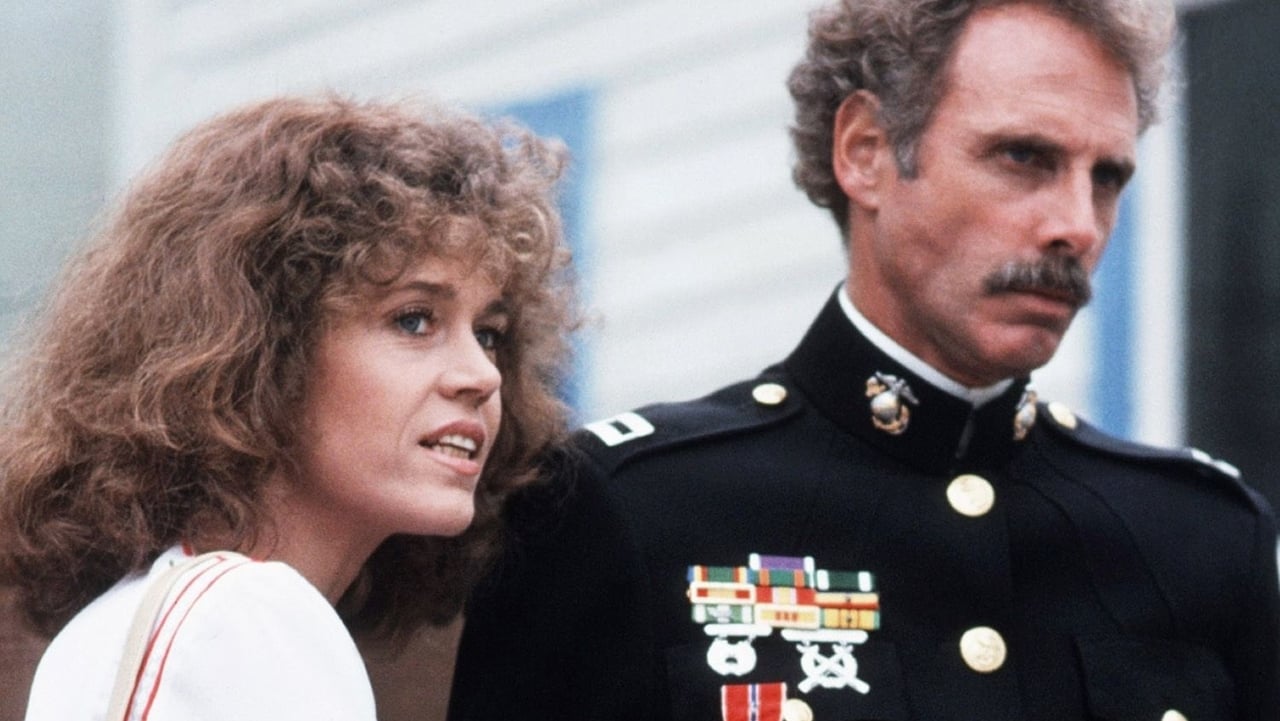
And we cannot overlook Bruce Dern as Bob Hyde. His character represents the other side of the return – the soldier seemingly intact physically but shattered internally by PTSD, unable to reconcile the horrors witnessed with the life he left behind. Dern portrays Bob’s unraveling with a terrifying fragility, making his eventual breakdown utterly convincing and deeply tragic. He’s not a villain, but another casualty, lost between worlds.
### Ashby's Gentle, Unflinching Gaze
Director Hal Ashby, known for his character-driven work in films like Harold and Maude and Shampoo, brings a crucial sensitivity to Coming Home. He avoids melodrama, letting the emotional weight build through quiet observation and interaction. The film breathes; it allows moments of silence, awkwardness, and unexpected connection. Remember the soundtrack? Ashby masterfully uses contemporary rock anthems – The Rolling Stones, The Beatles, Simon & Garfunkel – not just as background noise, but to underscore the emotional landscape and the cultural currents of the time. It felt so right, so reflective of the era.
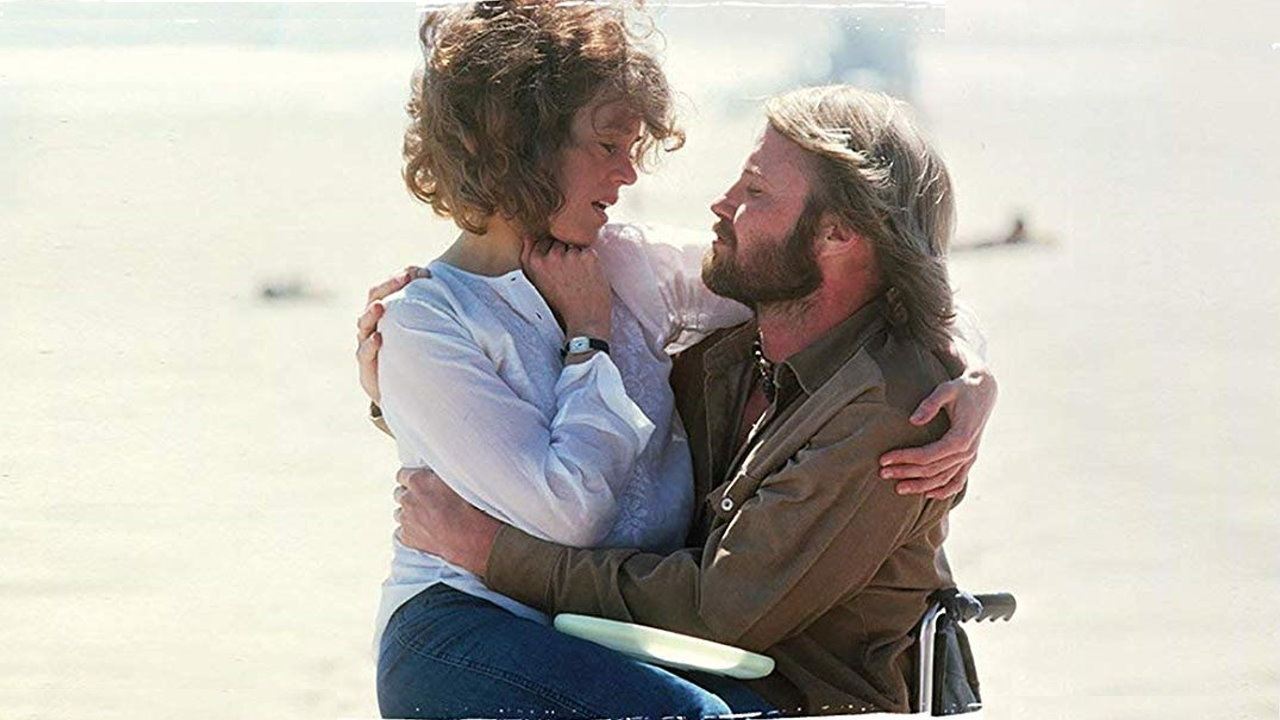
The screenplay itself, which also won an Oscar (for Waldo Salt, Robert C. Jones, and Nancy Dowd – Salt himself being a veteran screenwriter who had endured the Hollywood blacklist), dares to explore complex territory. The relationship that blossoms between Sally and Luke is handled with remarkable maturity. A scene depicting their physical intimacy was groundbreaking for its time, confronting societal discomfort around disability and sex with directness and tenderness. It wasn't gratuitous; it was about connection, healing, and reclaiming humanity.
### Echoes Through Time
Watching Coming Home today, perhaps after decades saturated with different kinds of war films, its power remains undiminished. It stands as a potent reminder of the human cost of conflict, extending far beyond the battlefield into homes, relationships, and the very psyche of a nation. It cost a relatively modest $3 million to make back in '78 (around $14 million today) but resonated deeply, earning over $32 million (roughly $153 million adjusted) and sparking crucial conversations. It didn't offer easy answers or triumphant heroes, but instead asked difficult questions about patriotism, duty, and the long, painful process of healing – questions that, sadly, remain relevant. Doesn't the struggle of veterans to readjust, to find their place after service, still echo profoundly today?
This wasn't just another movie; it felt like a necessary one, a film that dared to look directly at the uncomfortable truths many wanted to ignore. It captured a specific moment in American history with painful clarity and profound empathy.
Rating: 9/10
Justification: Coming Home earns this high mark for its exceptional, Oscar-winning performances that feel utterly authentic, Hal Ashby's sensitive and observant direction, a brave and nuanced screenplay tackling difficult themes with maturity, and its lasting impact as a powerful, humane statement on the aftermath of war. It avoids clichés and provides a deeply moving, character-focused experience.
Final Thought: More than just a "Vietnam movie," Coming Home is a timeless exploration of trauma, connection, and the arduous journey toward reclaiming oneself after devastating loss. It stays with you long after the credits roll, a quiet testament to the resilience – and fragility – of the human spirit.