It’s a premise that sounds almost like a schoolboy’s wild fantasy scribbled in the back of an exercise book: Allied prisoners of war in a German camp during WWII agree to play a propaganda football match against the German national team, all while secretly plotting a daring mass escape during halftime. Yet, somehow, this utterly bonkers, gloriously improbable idea became Escape to Victory (also known simply as Victory in some territories), a 1981 film that remains etched in the memory banks of anyone who stumbled across its worn VHS box in the local rental store. Directed by none other than the legendary John Huston – yes, the man who gave us cinematic titans like The Maltese Falcon (1941) and The Treasure of the Sierra Madre (1948) – it’s a film that defies easy categorization, blending war drama, sports movie thrills, and heist-like escape tension into one unforgettable package.
### A League of Their Own (Sort Of)
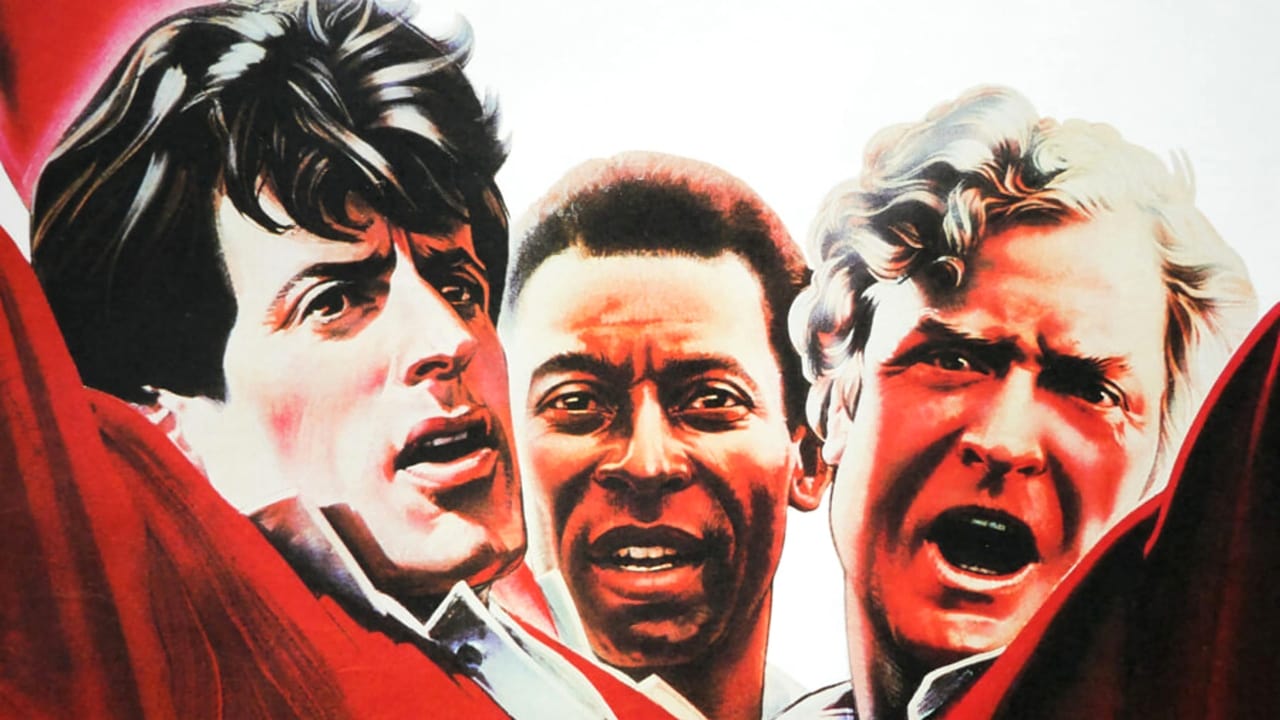
The setup is pure wartime adventure yarn. Deep within a German POW camp, Major Karl von Steiner (a suave Max von Sydow), a former German footballer himself, recognizes some prominent Allied players among the prisoners. Seeing a prime propaganda opportunity, he proposes a friendly match in occupied Paris between a German team and a team composed of the Allied prisoners. British Captain John Colby (Michael Caine), a former professional footballer for West Ham United before the war, reluctantly agrees to form the team, seeing it primarily as a way to secure better treatment for his men. Unbeknownst to the Germans (and initially, even to Colby), the match becomes the linchpin for an audacious escape plan orchestrated by the camp's escape committee, with American POW Captain Robert Hatch (Sylvester Stallone) playing a crucial, if initially unwilling, role.
Caine, ever the consummate professional, lends the film a necessary grounding with his portrayal of Colby – a man caught between duty to his men, his love for the game, and the overwhelming risks of the escape. He’s the stiff upper lip heart of the operation. But let's be honest, the casting curiosity that likely drew many eyes back in the day, and still does now, is Sylvester Stallone. Fresh off the success of Rocky II (1979) and pre-First Blood (1982), Stallone plays Hatch, the brash, cigar-chomping American who initially dismisses football ("soccer" to him) as a triviality compared to the serious business of escaping. His journey from cynical outsider to unlikely goalkeeping hero (and key escape operative) provides much of the film's dramatic (and sometimes comedic) tension. You can almost feel Huston enjoying the culture clash.
### The Beautiful Game Meets The Great Escape
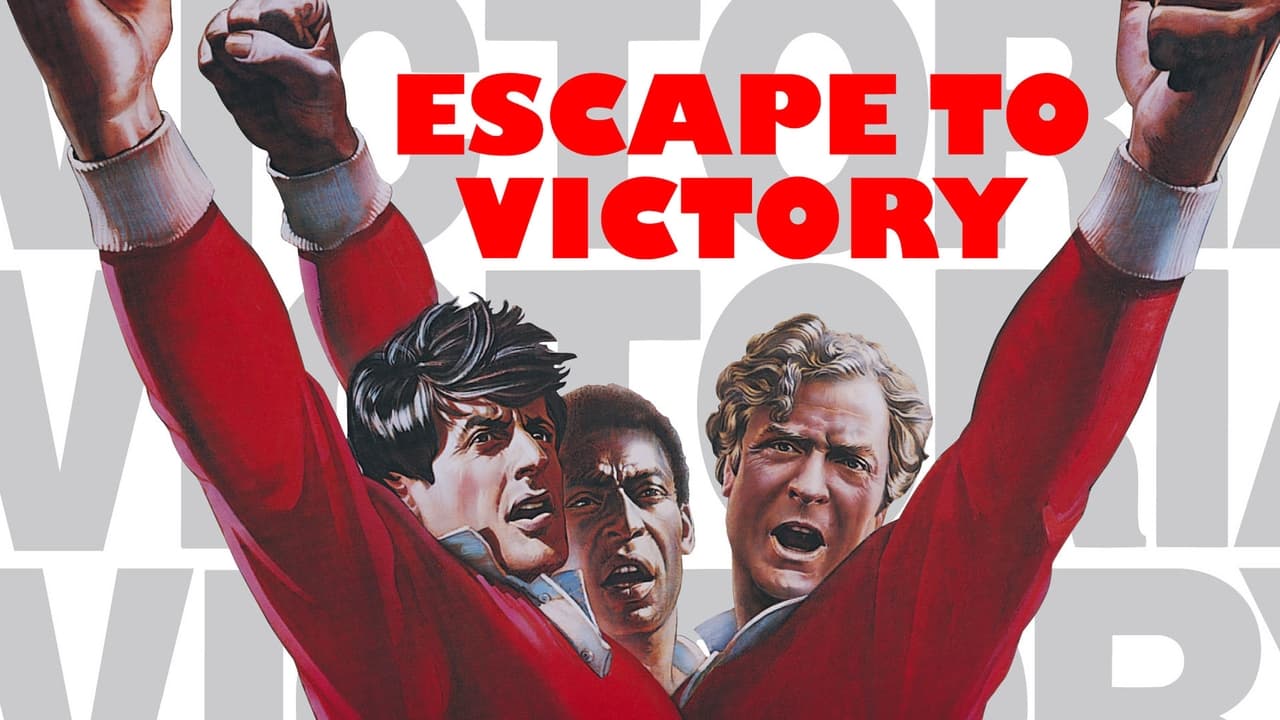
What truly elevates Escape to Victory beyond a standard war flick is its incredible ensemble of actual footballing legends. Leading the charge is the incomparable Pelé as Corporal Luis Fernandez from Trinidad and Tobago (though clearly playing with his signature Brazilian flair). Watching Pelé on screen, executing dazzling bicycle kicks and weaving through defenders, is genuinely thrilling. Alongside him were other giants of the era like England's World Cup-winning captain Bobby Moore, Argentinian maestro Osvaldo Ardiles, Poland's Kazimierz Deyna, Belgium's Paul Van Himst, Scotland's John Wark, and England's Mike Summerbee and Russell Osman, among others.
This wasn't just stunt casting; their presence lends the football sequences an authenticity rarely seen in sports movies. Reportedly, during filming, Stallone, ever the method actor perhaps, insisted on trying to actually save Pelé's penalty kicks. The result? A broken finger for Sly, and likely a newfound respect for the power behind the Brazilian legend's shots. It’s one of those fantastic behind-the-scenes nuggets that makes the film even more endearing. These players weren't just actors; they brought the magic of the real game to the screen, choreographed beautifully within the narrative.

### Huston's Unexpected Kickabout
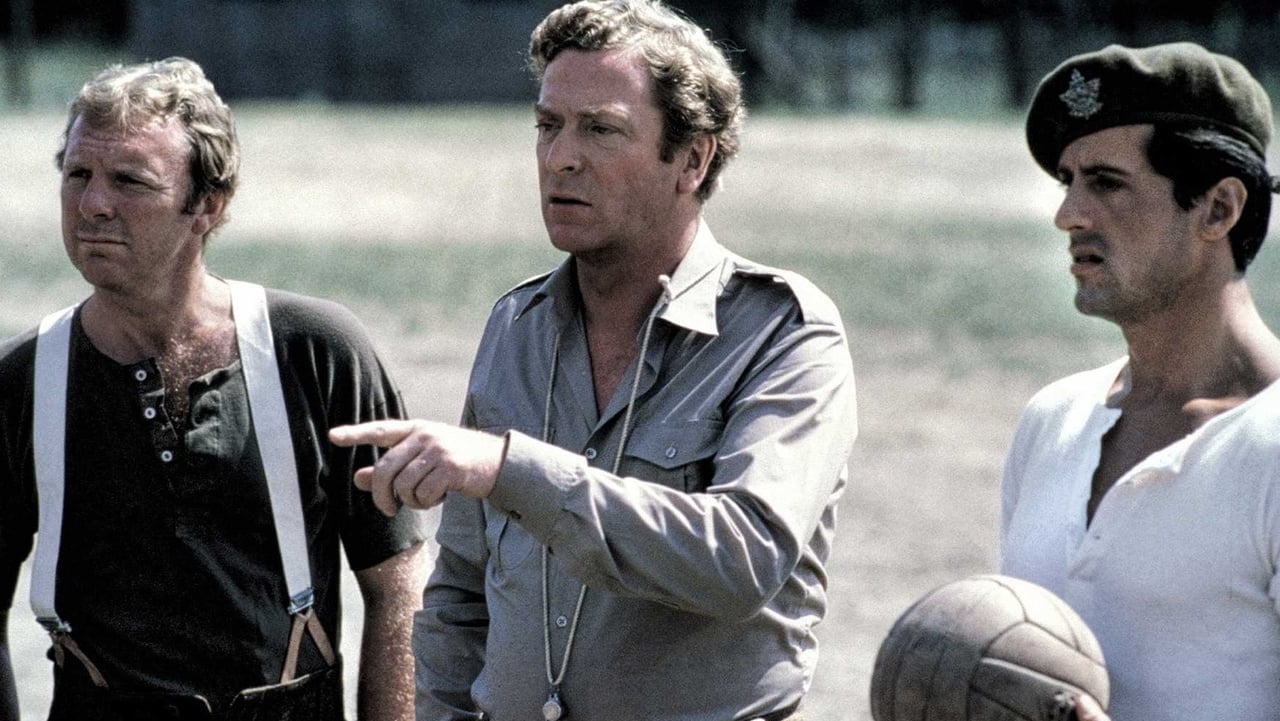
The involvement of John Huston remains a fascinating aspect. Why would a director famed for his gritty dramas and literary adaptations take on this project? Perhaps it was the sheer audacity of the story, the chance to work with a unique international cast, or simply a late-career desire to tackle something different. Whatever the reason, Huston brings a certain gravitas and classical filmmaking style to the proceedings. He doesn't treat the material as pure camp, allowing the tension of the escape plot and the stakes of the game to build effectively. Filmed largely in Hungary, the production effectively recreates the atmosphere of both the POW camp and occupied Paris, grounding the fantastical elements in a believable wartime setting. While not a box office juggernaut (grossing around $27 million on a $10 million budget), the film found its audience, particularly on home video, becoming a staple for weekend viewing. And who could forget Bill Conti's rousing, triumphant score? Fresh off his iconic work on Rocky, Conti delivered music that perfectly captured both the military discipline and the soaring spirit of the beautiful game.
### More Than Just a Game
While inspired by (though significantly fictionalizing) darker real-life events like the infamous "Death Match" in Nazi-occupied Kyiv, Escape to Victory opts for a decidedly more optimistic, Hollywood-friendly tone. The climactic match itself is a masterclass in sports movie editing, intercutting thrilling on-pitch action with the nail-biting execution of the escape plan unfolding beneath the stadium. Does the ending stretch credulity? Absolutely. Is it fist-pumpingly satisfying? You bet it is.
There's a certain charm to its earnestness, its blend of Boy's Own adventure and genuine sporting spectacle. It captures that feeling of camaraderie under pressure, the idea that even in the darkest of times, a shared passion – in this case, football – can offer hope and unity. Seeing Stallone awkwardly learn the ropes as a goalie, Caine marshalling his diverse team, and Pelé reminding everyone why he's considered the greatest... it just works, against all odds. I distinctly remember catching this on TV one afternoon as a kid, utterly captivated by the mix of war movie grit and dazzling football skills – it felt like two awesome movies rolled into one.
---

VHS Heaven Rating: 8/10
Escape to Victory is pure, unadulterated cinematic escapism, a wonderfully unique blend of genres powered by an eclectic cast and the surprising hand of a master director. Its premise is outlandish, its execution occasionally leans into the improbable, but its heart is undeniably in the right place. The integration of real football legends provides moments of genuine sporting magic, while Caine and Stallone anchor the human drama. It might not be high art, but the sheer entertainment value, the thrilling match sequences, and the feel-good (if slightly unbelievable) conclusion fully justify its cult classic status. It earns its 8/10 for delivering exactly what it promises: a thrilling escape and a victorious spectacle, all rolled into one gloriously nostalgic package.
Final Thought: It's the kind of film they truly don't make anymore – a high-concept wartime sports epic with genuine legends, best enjoyed with a hefty dose of suspended disbelief and a love for the beautiful game... or just a cracking adventure story. Pass the popcorn, this one’s a winner.