There’s a certain quietude that settles over you after watching Ermanno Olmi's The Tree of Wooden Clogs (1978, L'Albero degli zoccoli). It’s not the silence of emptiness, but the profound stillness of lives lived close to the earth, dictated by seasons and sacraments, hardships and small joys. Finding this film, perhaps tucked away in the 'Foreign Language' or 'Award Winners' section of the video store back in the day, felt different from grabbing the latest action blockbuster. It promised something deeper, slower, a commitment. My own well-worn tape, likely recorded off a late-night TV broadcast, seemed to hold that weight. Revisiting it now, that sense of stepping into another time, another rhythm of life, remains utterly potent.
### Echoes Across the Fields
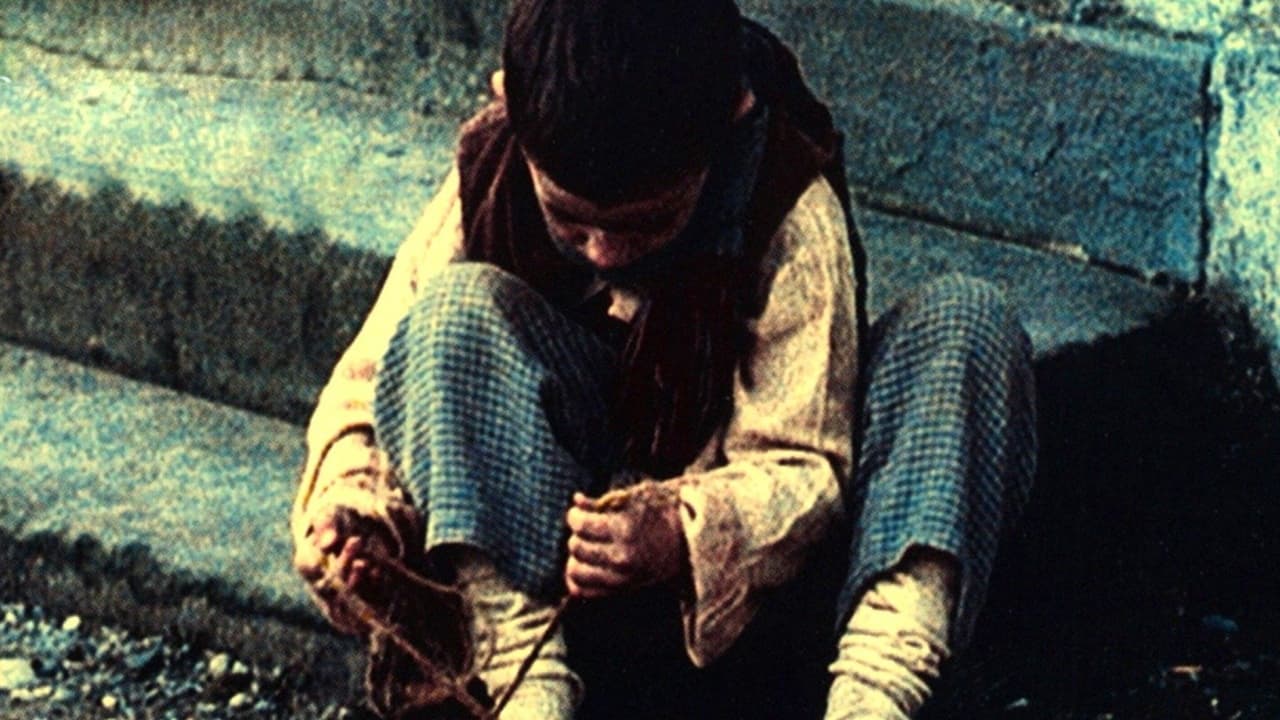
The film doesn't rely on a conventional plot. Instead, Olmi, who not only directed but also wrote, photographed, and edited the picture, immerses us in the interconnected lives of several peasant families working for a landowner in rural Lombardy around the turn of the 20th century. We witness births, marriages, harvests, illnesses, prayers, and quiet acts of defiance unfold across a full year. It's a tapestry woven from the threads of daily existence – the anxieties of a poor harvest, the simple pleasure of a shared meal, the quiet faith that sustains them through grinding poverty. There's a documentary-like authenticity here, a feeling that Olmi simply placed his camera (which he often operated himself) and let life happen in front of it.
### Faces Etched by Life
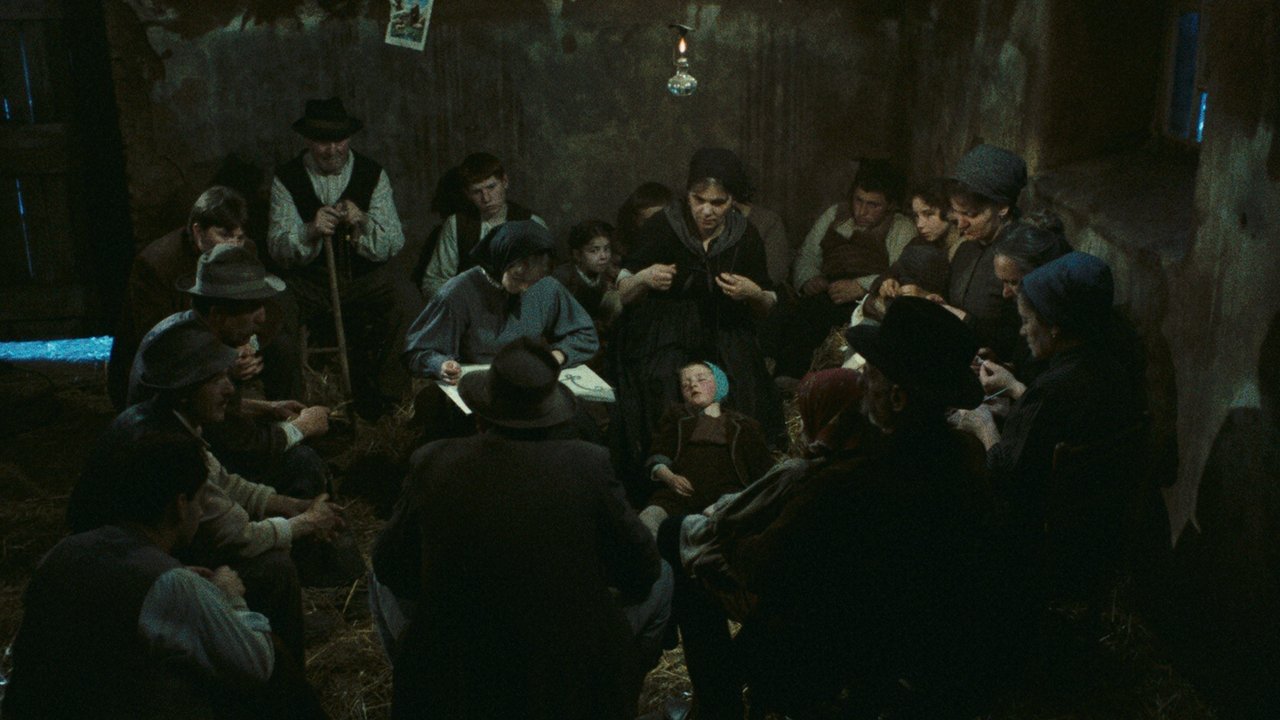
Perhaps the most striking aspect of The Tree of Wooden Clogs is its cast, composed almost entirely of non-professional actors drawn from the very Bergamo farming communities depicted. Ermanno Olmi, who came from a similar peasant background himself and whose grandfather reportedly inspired the central story, insisted on this authenticity. He spent months searching for the right faces, people whose lives mirrored those they would portray. There's no 'acting' in the conventional sense; instead, we see genuine reactions, expressions worn smooth by work and worry. Luigi Ornaghi as Batistì, the father whose fateful decision involving a clog gives the film its title, embodies quiet dignity and paternal love. His interactions with his young son, Minek (played with incredible naturalism by Omar Brignoli), feel utterly real. Francesca Moriggi as Batistina, his wife, conveys oceans of emotion through her weary resilience. You don't just watch these people; you feel you know them, their hopes and fears palpable on screen.
### The Patience of Observation
Olmi's direction is patient, painterly. He eschews dramatic scoring for long stretches, letting the natural sounds – wind, rain, animal cries, the murmur of dialect (the authentic Bergamasque spoken by the cast, a rarity even for Italian cinema at the time) – create the atmosphere. The camera lingers on landscapes, on hands working the soil, on faces illuminated by candlelight. This deliberate pacing, clocking in at just over three hours, demands attention but rewards it tenfold. It mirrors the unhurried cycles of agricultural life itself. This wasn't a film made quickly; Olmi famously spent over a year shooting to capture the changing seasons accurately, a testament to his dedication to realism, reminiscent of the Italian neorealist masters but with a unique spiritual dimension. He reportedly financed the film partially himself after struggling to find backers for such an uncommercial project, a gamble that paid off spectacularly when it won the Palme d'Or at the 1978 Cannes Film Festival.
### Retro Fun Facts: The Making of a Masterpiece
- Real People, Real Place: Olmi didn't just cast locals; he filmed largely on location in the Lombardy countryside, adding another layer of authenticity. The farms and fields feel lived-in because they were.
- Sounds of Truth: Unlike many Italian films of the era which relied heavily on post-dubbing, Olmi prioritized capturing direct sound on set, including the specific regional dialect, further enhancing the film's realism.
- A Director's Vision: Olmi served as his own cinematographer, ensuring the visual style precisely matched his intimate, observational intent. This level of control is rare and speaks volumes about his commitment.
- Global Acclaim, Local Roots: Despite its deeply specific setting and non-professional cast, the film's universal themes of family, faith, poverty, and dignity resonated worldwide, leading to its Cannes triumph against films by major international directors. It became a benchmark for realistic, humanistic filmmaking. Initial critical reactions were overwhelmingly positive, recognizing its artistic achievement immediately.
### The Weight of a Wooden Shoe
The central narrative thread, concerning Batistì cutting down a poplar tree on the landowner's property to make a new wooden shoe for his son so the boy can continue walking miles to school, is deceptively simple. Yet, it carries immense weight. It’s an act born of love and a desperate desire for a better future for his child, but within the rigid social structure of the time, it’s also a transgression with severe consequences. What does this single act reveal about the crushing limitations imposed by poverty and the quiet desperation it breeds? Doesn't the yearning for education as a path out, even one requiring such sacrifice, resonate across time? The film doesn't offer easy answers or overt political statements, but the injustice hangs heavy in the air.
The Tree of Wooden Clogs isn't escapism in the way many beloved 80s or 90s VHS staples were. It's an immersion, a profound meditation on the human condition stripped bare. It requires patience, but the emotional depth and sheer authenticity it offers are extraordinary. Watching it again reminds me of the power of cinema to connect us to lives vastly different from our own, yet fundamentally relatable in their core struggles and aspirations. It's a film that stays with you long after the screen goes dark, like the lingering scent of woodsmoke or damp earth.
Rating: 9.5/10
This near-perfect score reflects the film's masterful execution, its profound humanism, and Olmi's singular artistic vision. The use of non-professional actors achieves an unparalleled authenticity, the cinematography is breathtakingly beautiful in its simplicity, and the patient storytelling creates an immersive, deeply moving experience. It might lack the immediate thrills of other VHS-era favorites, but its emotional resonance and artistic integrity are undeniable and deeply rewarding.
It leaves you contemplating the quiet resilience of the human spirit in the face of immense hardship, and perhaps wondering about the countless stories, just like these, lost to time.