The highway stretches into infinity, a ribbon of shimmering heat haze across a landscape that feels ancient and indifferent. Out here, under the vast, unforgiving Australian sky, civilization feels like a rumour. It's just you, the drone of the engine, the endless road... and the unsettling feeling that you're not alone. This is the desolate stage for Richard Franklin's 1981 thriller Roadgames, a film that crawled under my skin back in the rental days and still manages to evoke that same prickle of unease decades later.
### Rear Window on Eighteen Wheels
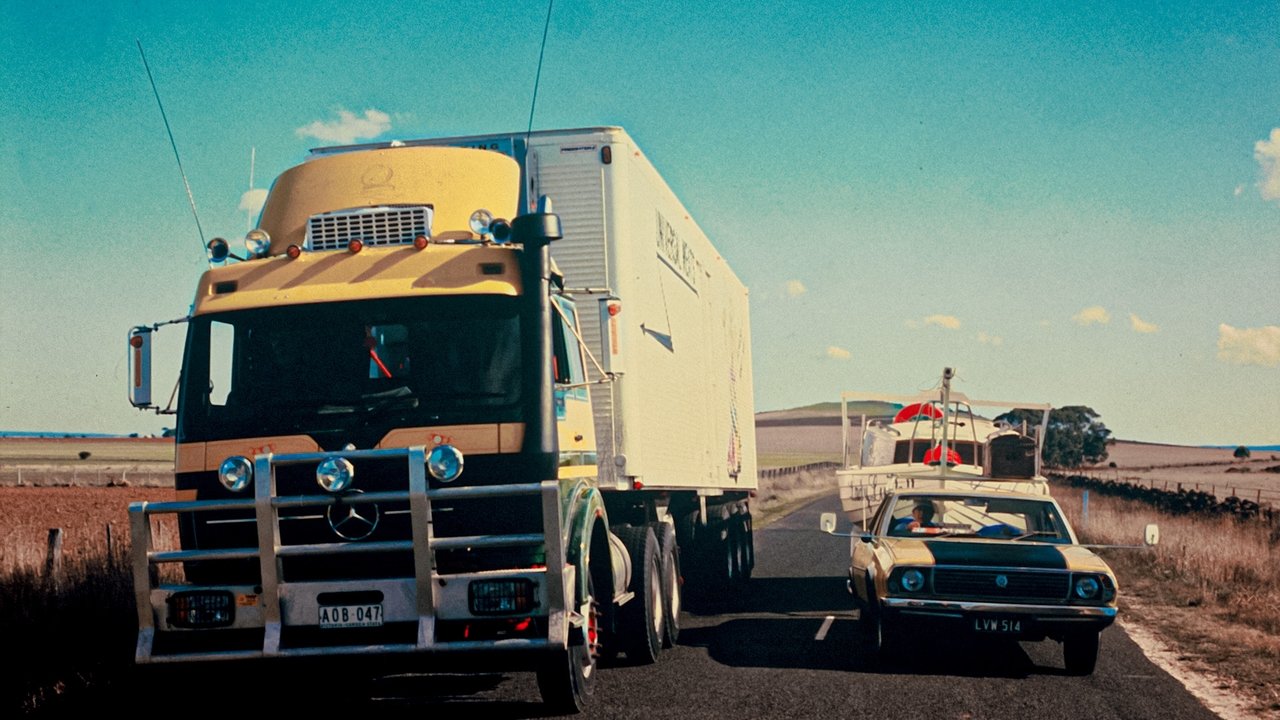
Forget cosy apartment blocks; Roadgames transplants Hitchcockian paranoia onto the sprawling, sun-baked canvas of the Nullarbor Plain. Our eyes belong to Pat Quid (Stacy Keach), a thoughtful, slightly eccentric American truck driver hauling a cargo of frozen pigs across Australia. He's a man who observes, who plays games to pass the monotonous miles – guessing the lives of the people in the cars he passes, narrating their imagined stories. It’s this habit, this detached curiosity, that pulls him into a chilling game far deadlier than any he could invent. News reports crackle about a killer preying on young women along the highways, discarding body parts, and Quid starts to suspect a peculiar green van might be involved.
Stacy Keach is simply magnetic as Quid. His wry, often poetic internal monologue (much of which, fascinatingly, Keach reportedly improvised after spending weeks driving trucks himself to understand the isolation) provides the film's backbone. He’s not your typical action hero; he's weary, intelligent, and increasingly disturbed by the patterns he perceives through his windscreen window. It's a performance built on nuance, capturing the loneliness of the long-haul trucker and the slow-burn dread of a man convinced he's witnessing fragments of a murder spree. You’re right there with him in that cab, scanning the horizon, second-guessing every vehicle.
### A Hitchhiker Named Hitch
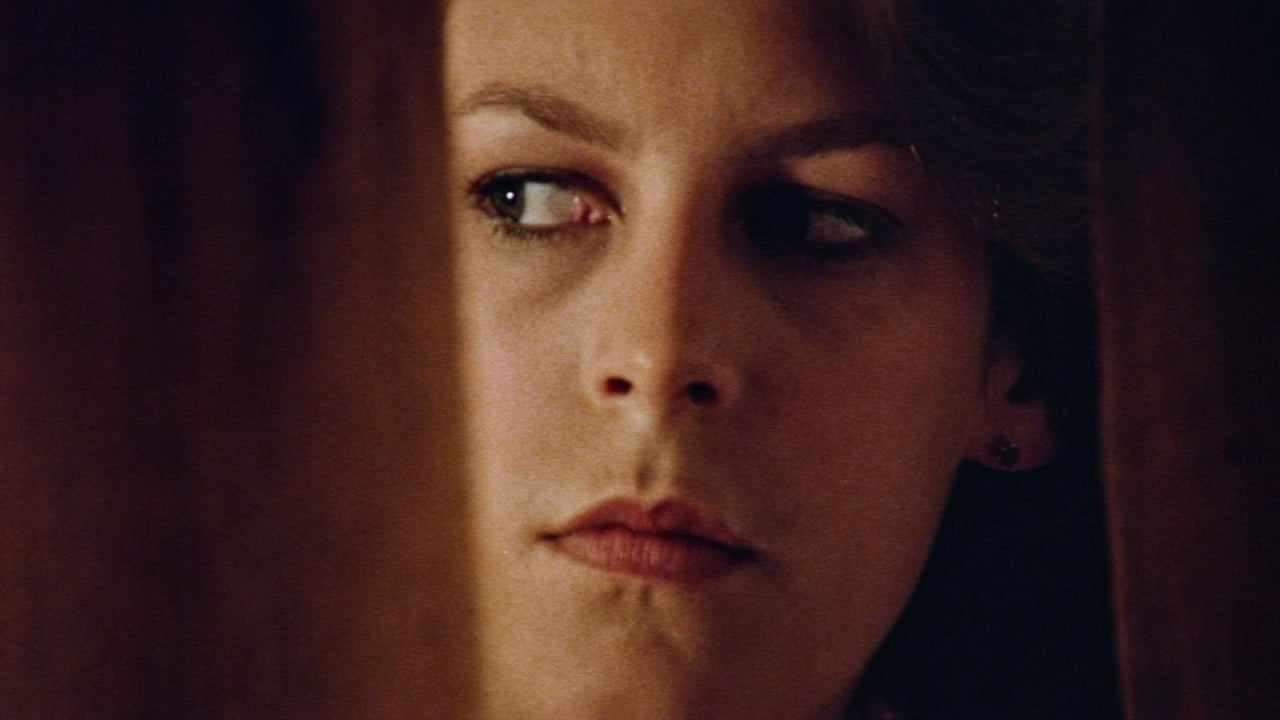
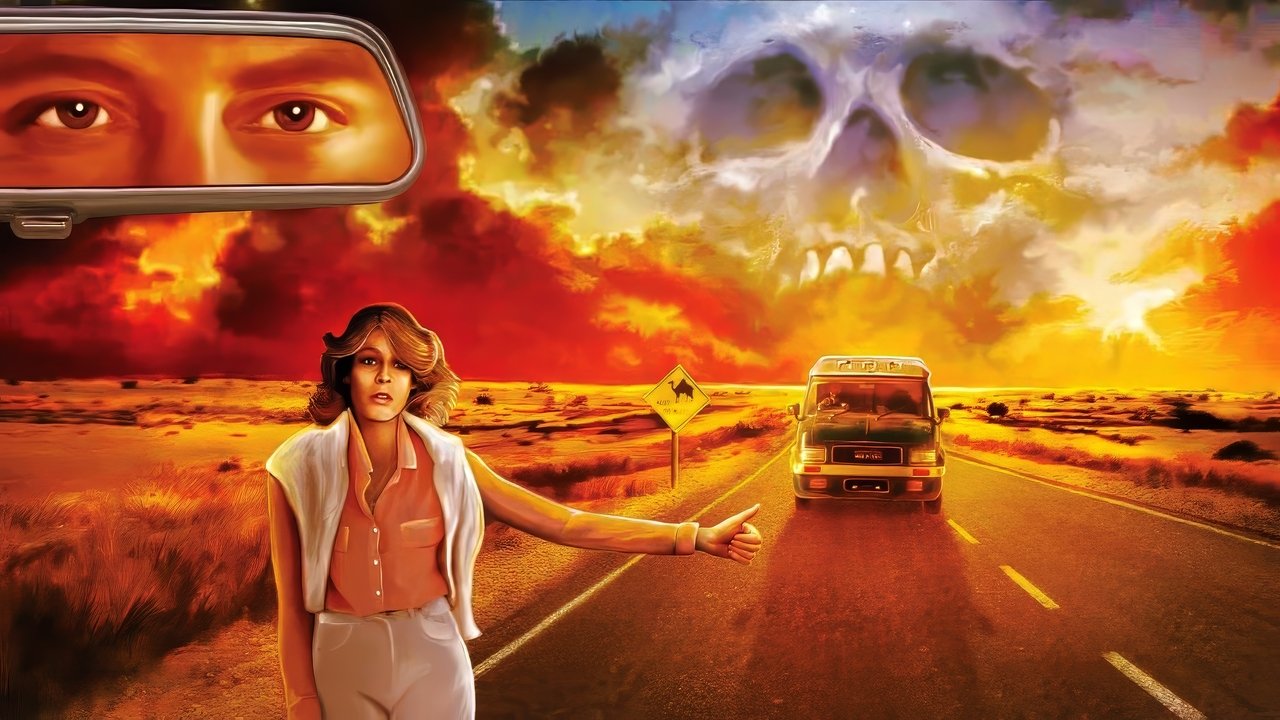
The dynamic shifts brilliantly with the arrival of Pamela (Jamie Lee Curtis), a runaway heiress hitchhiking her way across the country. Nicknamed "Hitch" by Quid (a nod perhaps too obvious, but charming nonetheless), she becomes his confidante and intellectual sparring partner. Fresh off her genre-defining roles in Halloween (1978) and The Fog (1980), Curtis brings her signature intelligence and grounded presence. Director Richard Franklin, a self-proclaimed Hitchcock devotee who actually met the Master of Suspense, specifically sought Curtis out, seeing her potential beyond the typical "scream queen" mould. Their chemistry crackles – witty banter masking a growing shared fear as Quid's suspicions about the green van intensify. She’s no damsel in distress; she challenges Quid, questions his theories, and ultimately becomes an active participant in the unfolding mystery.
It’s worth noting that Everett De Roche, the screenwriter behind Aussie genre gems like Patrick (1978) and Long Weekend (1978), originally penned the script with an American setting. Shifting it to the Australian outback for funding reasons proved serendipitous, adding a unique layer of isolation and cultural unfamiliarity that heightens the suspense immeasurably. That vast emptiness becomes a character in itself.
### Building Dread in the Dust
Where Roadgames truly excels is in its masterful build-up of tension. Franklin, who would later tackle the daunting task of directing Psycho II (1983), demonstrates a keen understanding of suspense mechanics. He avoids cheap jump scares, instead favouring suggestion and ambiguity. We see glimpses – a hand digging, a suspicious shape under a tarp, the unnerving stillness of the green van parked just out of sight. The film keeps you guessing: Is Quid projecting? Is he paranoid? Or is he dangerously close to the truth?
The practical truck stunts feel visceral and real, grounded in the weight and momentum of these massive machines. There’s a sequence involving Quid trying to manoeuvre his rig in a tight spot that’s genuinely nerve-wracking, amplified by the excellent cinematography capturing the scale and isolation. And who can forget Quid's co-pilot, Boswell the dingo? More than just a pet, the animal adds an unpredictable, almost primal element to the confined space of the truck cab. Then there's that mannequin head – a prop deployed with chilling effectiveness, playing on our expectations and delivering a jolt of pure creepiness. The score by Brian May (the prolific Australian film composer, not the Queen guitarist!) perfectly complements the visuals, oscillating between lonely, melancholic themes and sharp stabs of suspense.
### Lingering Shadows on the Road
Roadgames wasn't a massive box office smash upon release (reportedly costing around AU$1.75 million and having a somewhat muted initial reception), but like so many gems from the era, it found its devoted audience on home video. Watching it tucked away in the video store shelves, maybe next to Duel (1971) – another road-based thriller it inevitably draws comparisons to, though Roadgames is far more character-focused – felt like uncovering a secret. It was smarter, stranger, and more atmospheric than many of its contemporaries.
Does it hold up? Absolutely. The pacing is deliberate, a slow burn that rewards patience. The central mystery remains compelling, and the performances by Keach and Curtis are top-notch. The atmosphere Franklin crafts, that feeling of being exposed and vulnerable on an endless stretch of road, is timeless. Maybe the specific model of the truck looks dated, but the fear it taps into feels perpetually relevant. It’s a testament to clever writing, assured direction, and the power of suggestion over spectacle.
---
Rating: 8/10
Roadgames earns its score through its masterful control of suspense, Stacy Keach's compelling central performance, the palpable atmosphere of isolation, and its smart subversion of thriller tropes. It’s a genuinely unsettling "Hitchcock on wheels" experiment that uses the vast Australian landscape to maximum effect. While its deliberate pace might test some viewers accustomed to faster cuts, its slow-burn tension and psychological depth are precisely what make it linger long after the credits roll. A true cult classic that reminds you just how unnerving the open road can be.