Some films don’t just entertain; they grab you by the collar and demand you pay attention, holding a mirror up to the hard edges of life. Leon Hirszman's 1981 masterpiece, They Don't Wear Black Tie (Original title: Eles Não Usam Black-tie), is one such film. While the neon glow of the video store often promised escapism – explosions, aliens, or high school hijinks – occasionally, a different kind of cassette found its way onto the shelves. Tapes like this one, perhaps less flashy in their cover art, offered something else entirely: raw, unflinching human drama grounded in a reality far removed from Hollywood soundstages. Discovering it felt like uncovering a hidden frequency, broadcasting truths that resonated long after the VCR clicked off.

A Pressure Cooker Family Drama
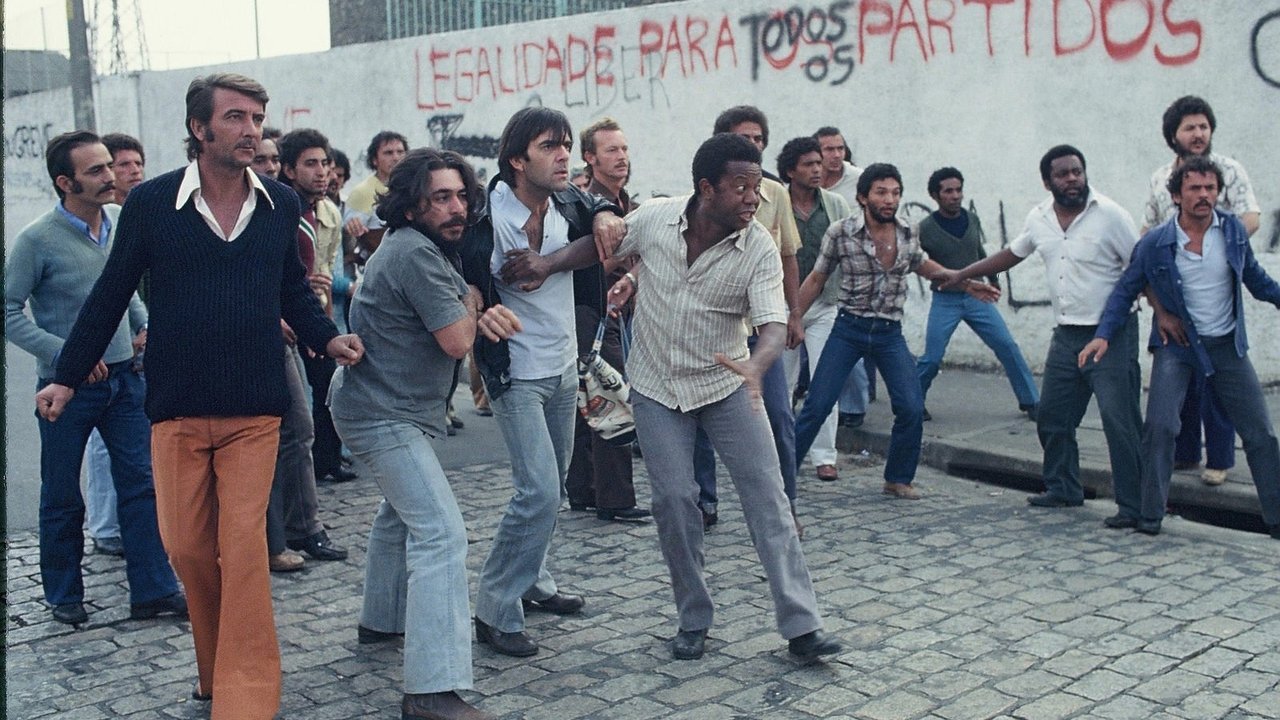
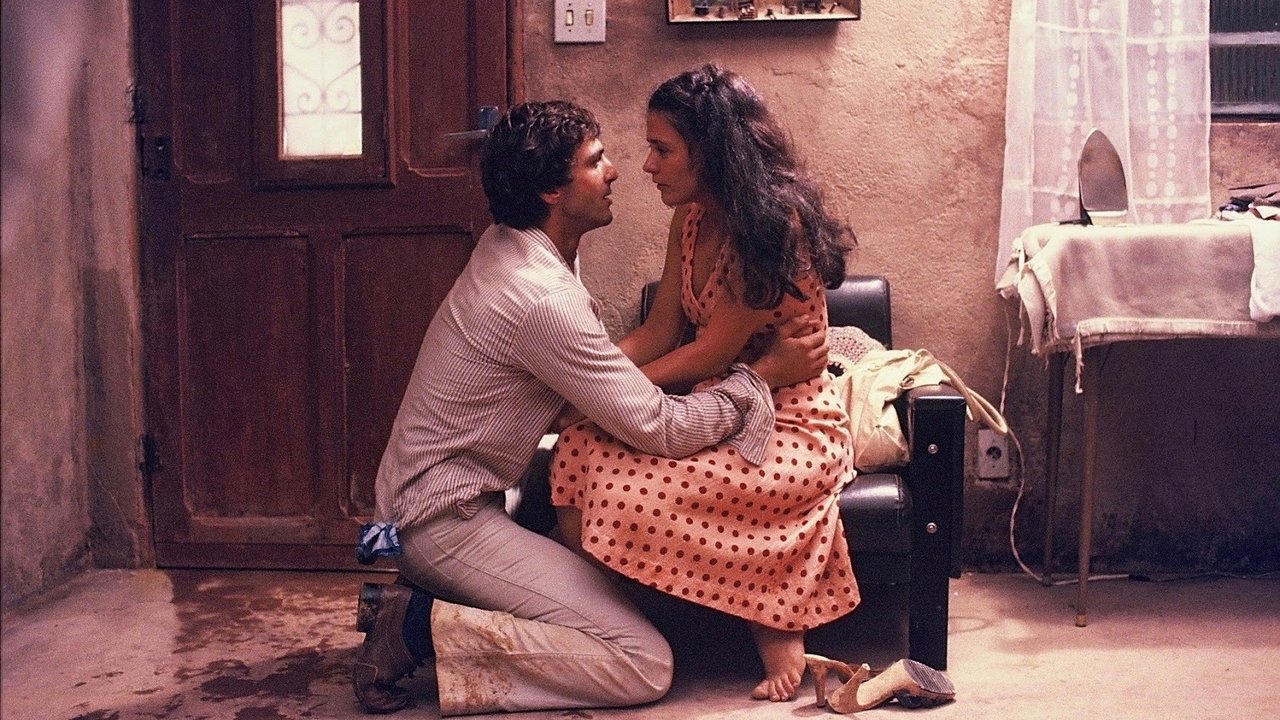
Set against the backdrop of São Paulo's working-class suburbs and simmering industrial unrest, the film plunges us into the lives of the Romanelli family. Otávio (Gianfrancesco Guarnieri) is a veteran union man, deeply committed to the cause of workers' rights, preparing for a potentially crippling strike at the local factory. His son, Tião (Carlos Alberto Ricceli), works alongside him but faces a deeply personal conflict: his girlfriend, Maria (Bete Mendes), is pregnant. Fearful of losing his job just when he needs stability most, Tião sees the looming strike not as a fight for collective good, but as a direct threat to his burgeoning family's survival. This ideological rift between father and son becomes the film's devastating emotional core.
What unfolds isn't a simple tale of right versus wrong, but a complex, heartbreaking exploration of loyalty, necessity, and the crushing weight of circumstance. Hirszman, drawing heavily from the traditions of Italian Neorealism and Brazil's own Cinema Novo movement, directs with a steady, observant hand. There’s no manufactured gloss here; the grime of the factory floor, the cramped intimacy of the family home, the tense energy of union meetings – it all feels utterly authentic, pulling you directly into their world.
Acting That Feels Lived-In
The performances are nothing short of staggering in their naturalism. Gianfrancesco Guarnieri, who also co-wrote the screenplay based on his own seminal 1958 stage play, embodies Otávio with a lifetime's worth of conviction and weariness. It's a profound connection, seeing the creator inhabit his creation decades later, bringing layers of lived experience to the role. His belief in the strike is unwavering, but you see the pain etched on his face as it drives a wedge between him and his son.
Opposite him, Carlos Alberto Ricceli as Tião perfectly captures the desperation of a young man caught between principle and pragmatism. His choice isn't born of malice, but of fear and a different kind of responsibility – the immediate need to provide. It’s a performance that forces us to question what we might do in his shoes. Doesn't the instinct to protect one's own family sometimes clash violently with the needs of the community?
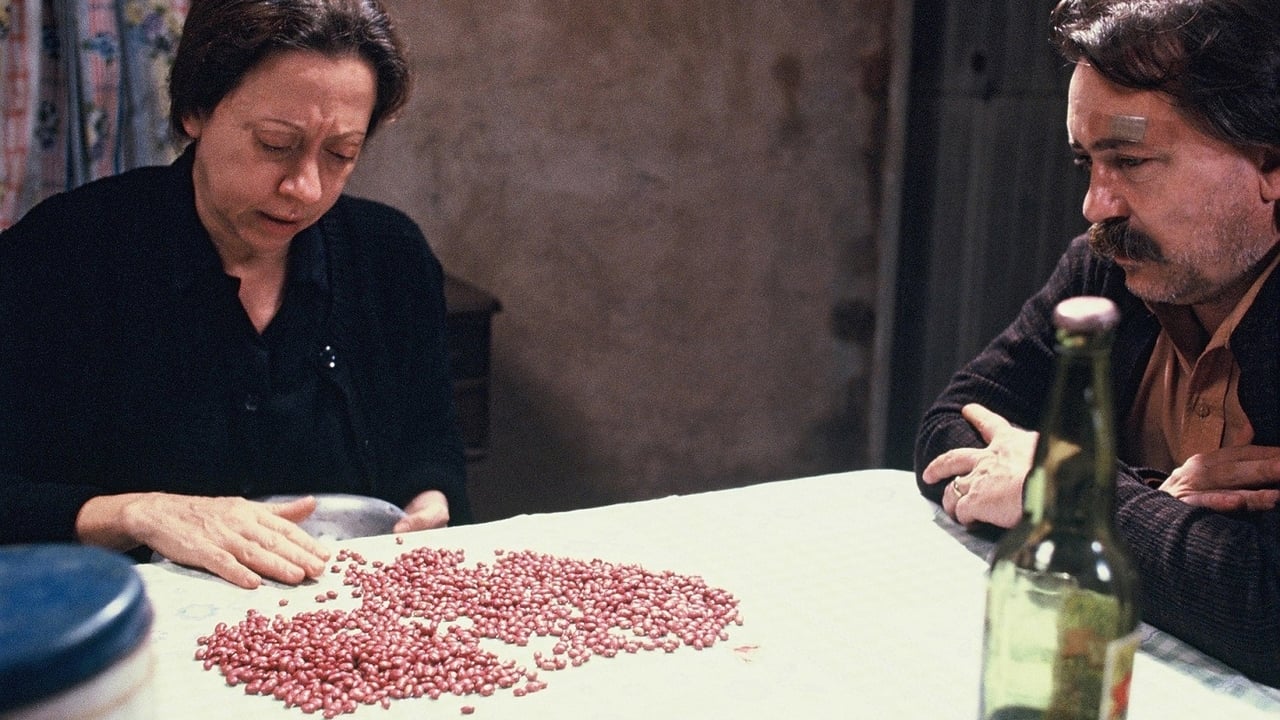
And then there is Romana, the matriarch, played by the legendary Fernanda Montenegro. Even here, years before her Oscar-nominated turn in Central Station (1998) brought her wider international acclaim, her power is undeniable. Romana is the anchor, trying desperately to mediate between the two immovable forces in her life – her husband and her son. Montenegro conveys Romana's resilience, her quiet suffering, and her fierce love with devastating subtlety. A simple glance or a weary sigh from her speaks volumes, embodying the emotional toll this conflict takes on the entire family unit. It's a performance of quiet strength that stays with you.
From Stage to Screen, A Story With Staying Power
It’s fascinating to know this story originated as a play written by Guarnieri himself back in the late 50s. Its transition to the screen in 1981, directed by Hirszman (known for socially conscious films like São Bernardo from 1972), felt incredibly timely, capturing the anxieties and struggles of Brazil during a period of political transition. The film wasn't just a drama; it was a statement, recognized internationally with the Special Jury Prize at the Venice Film Festival that year. It's a testament to the enduring power of the story that its themes – the tension between individual needs and collective action, generational divides, the human cost of economic hardship – feel just as relevant today as they did watching it on a flickering CRT screen decades ago.
This wasn't your typical Friday night rental, perhaps. It demands more from the viewer than simply sitting back and munching popcorn. It asks you to engage, to empathize, and to confront uncomfortable questions about society and human nature. There’s no easy resolution, no triumphant hero riding off into the sunset. Instead, They Don't Wear Black Tie leaves you with the weight of its characters' choices and the lingering echo of arguments whispered across a kitchen table, battles fought not with fists, but with deeply held beliefs and desperate needs.
It’s a film that reminds us that some of the most powerful stories aren't found in grand spectacle, but in the quiet desperation and fierce resilience of ordinary people facing extraordinary pressures. It might not have had the shelf presence of a blockbuster action flick, but its impact runs far deeper.
Rating: 9/10
This rating reflects the film's sheer power, driven by its authentic performances (especially from Montenegro and Guarnieri), Hirszman's uncompromisingly realistic direction, and its profoundly resonant themes. It's a near-perfect execution of social realist drama, losing perhaps a single point only for those viewers strictly seeking lighter fare, as its emotional weight is significant.
Final Thought: They Don't Wear Black Tie is a vital piece of cinema, a stark reminder that the most important suits aren't always tailored from silk, and the toughest ties aren't worn around the neck, but bind families together – or sometimes, tear them apart. A must-watch for anyone seeking depth and raw humanity from the VHS era.