Okay, pull up a comfy chair, maybe grab a soda like we used to back in the day, because we're revisiting a film that landed on rental shelves with a certain weight – 1990’s Memphis Belle. It wasn't just another war movie; it felt like an event. There’s a particular sheen to it, a kind of earnest, Hollywood portrayal of heroism that stands in contrast perhaps to the grittier war films that would follow later in the decade. But watching it again now, decades removed, reveals more than just nostalgia; it sparks a contemplation about camaraderie, duty, and the sheer terrifying fragility of life miles above the earth.
### The Weight of the Sky
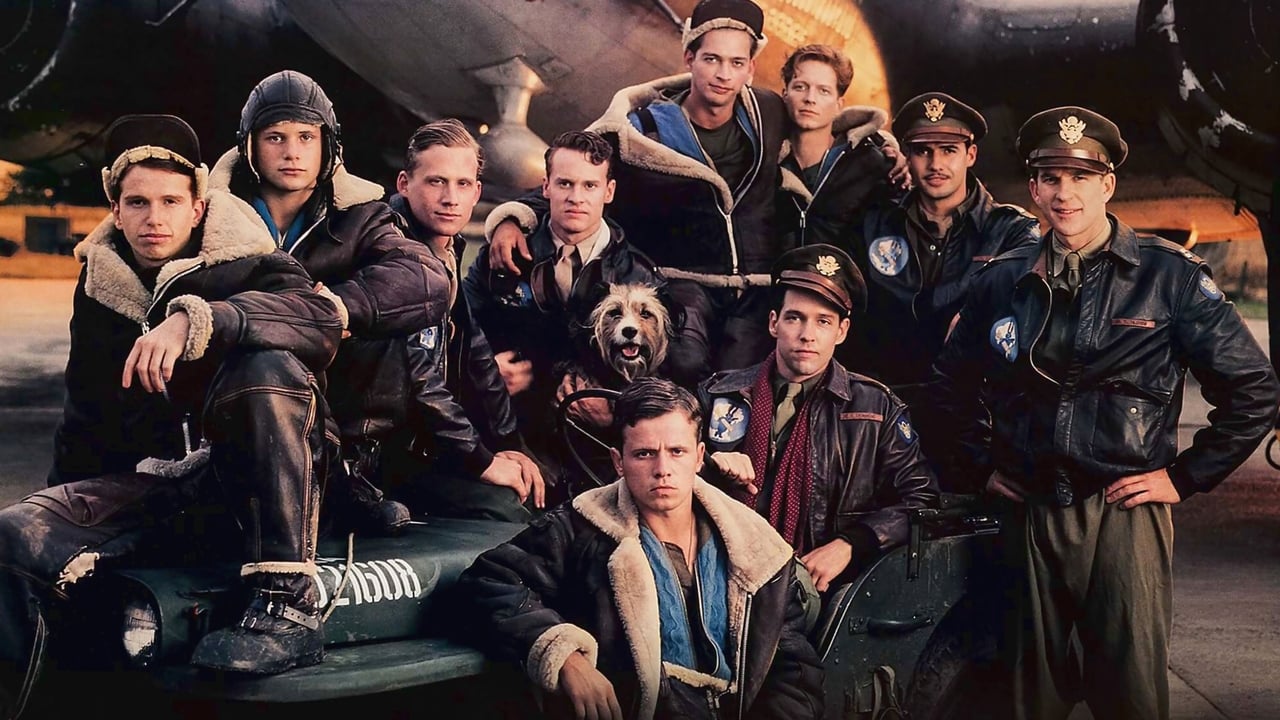
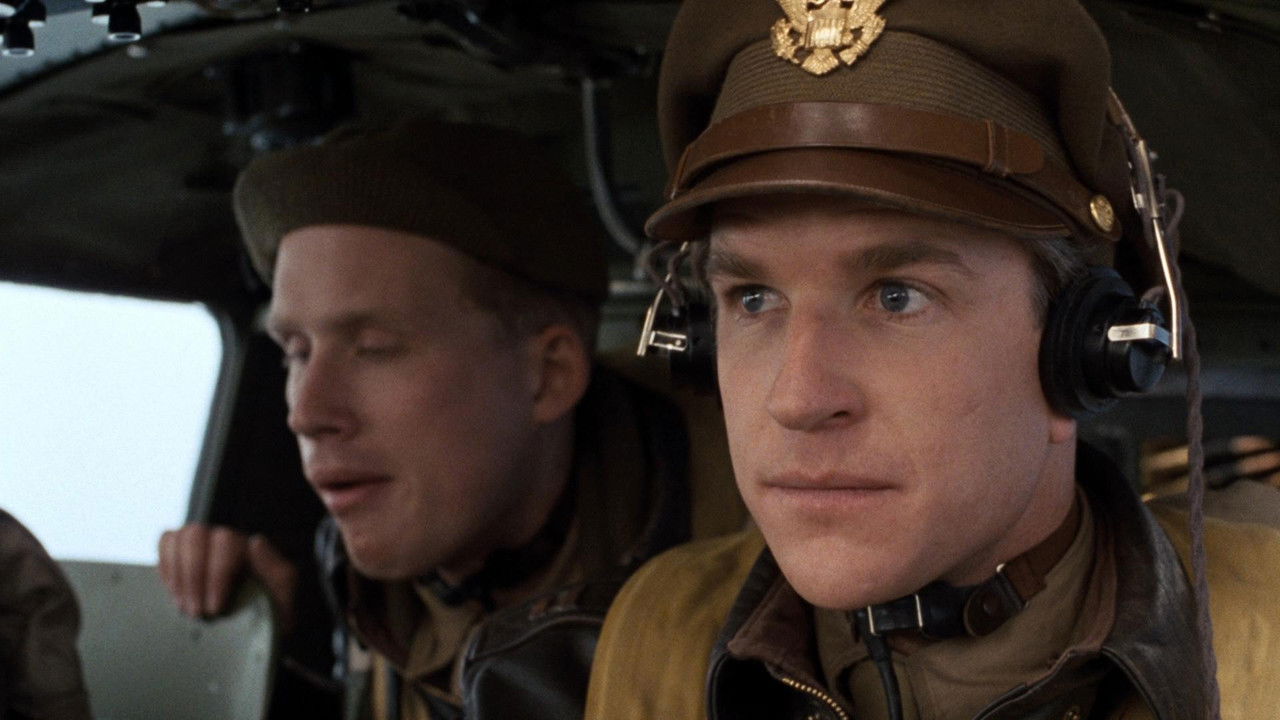
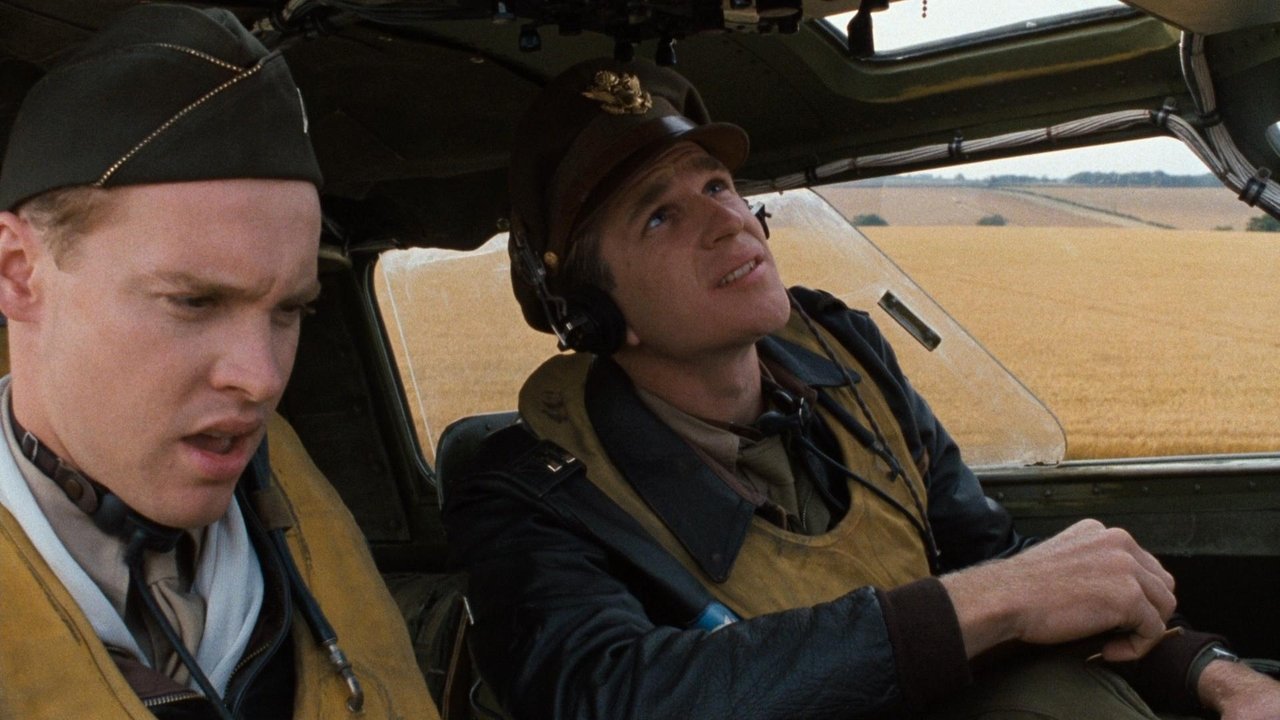
What strikes you first about Memphis Belle, directed by Michael Caton-Jones, isn't necessarily the thunder of flak or the roar of engines, but the faces. Young faces. The film throws us into the claustrophobic confines of a B-17 Flying Fortress bomber on the cusp of its crew’s 25th and final mission over Germany. If they make it back, they go home heroes. The premise itself hangs heavy with dramatic potential. We meet Captain Dennis Dearborn (Matthew Modine, bringing a quiet intensity honed in films like Full Metal Jacket), the focused leader holding it all together; the nervous co-pilot Luke Sinclair (Tate Donovan); the poetic bombardier Val Kozlowski (Billy Zane); the pragmatic radioman Danny Daly (Eric Stoltz, already a familiar face from works like Some Kind of Wonderful); and the rest of the tight-knit, ten-man crew. Each represents an archetype, perhaps, but the ensemble imbues them with enough life that we invest in their collective fate.
### A Crew Forged in Pressure
The film excels in portraying the almost unbearable tension within the aircraft. The cramped quarters, the constant mechanical groans, the vulnerability to enemy fighters and anti-aircraft fire – Caton-Jones crafts a palpable sense of shared danger. The performances are key here. It’s less about grandstanding speeches and more about the small glances, the forced jokes, the quiet prayers. Modine carries the burden of command with weary resolve, while Stoltz’s cynical wit barely masks a deep-seated fear. A surprising standout is Harry Connick Jr. as the tail gunner Clay Busby; known primarily as a musician then, he brings a believable charm and vulnerability to the role. You feel the bonds between these men, forged not just by shared experience, but by the constant, looming presence of death. Doesn't this dynamic, the way ordinary people rise to extraordinary circumstances under pressure, still resonate deeply?
### Recreating History, With Hollywood Flair
Now, let's talk about getting this thing made, because that's a story worthy of its own mission briefing. The film was inspired by the legendary 1944 documentary Memphis Belle: A Story of a Flying Fortress, directed by none other than William Wyler. In a lovely piece of cinematic lineage, Wyler's own daughter, Catherine Wyler, served as a co-producer and co-writer on this 1990 adaptation, ensuring a connection to the original spirit.
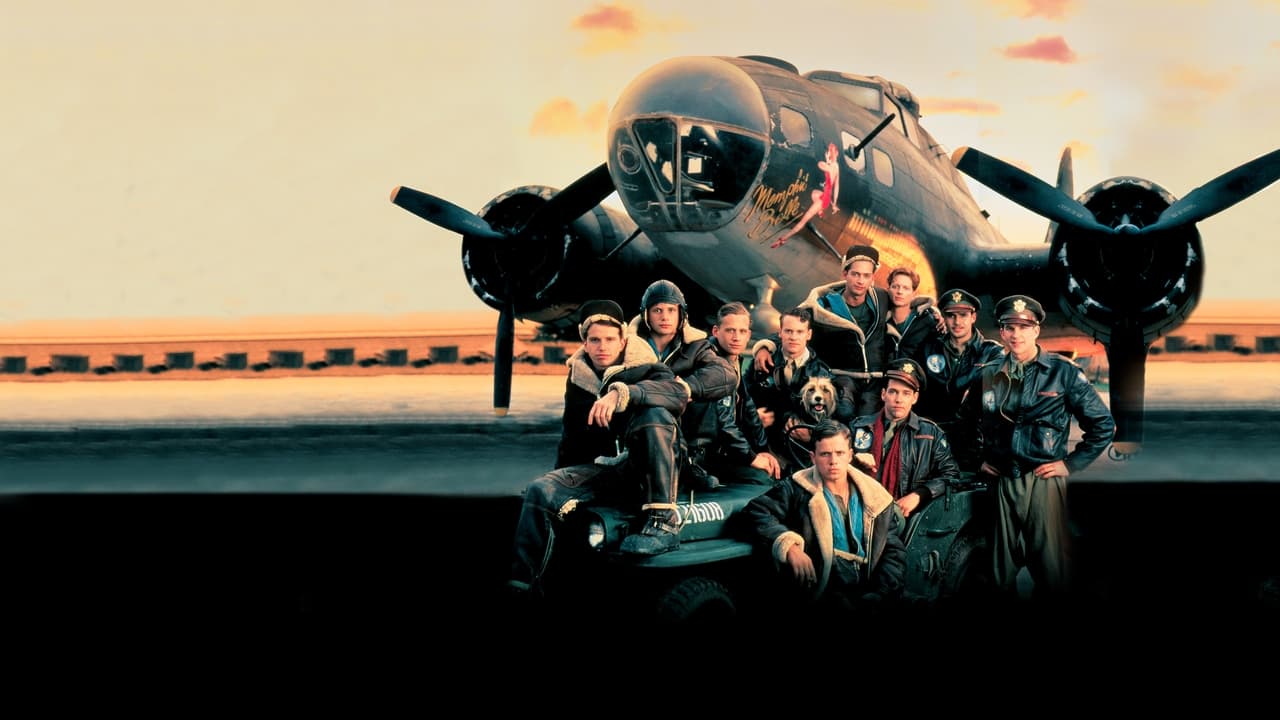
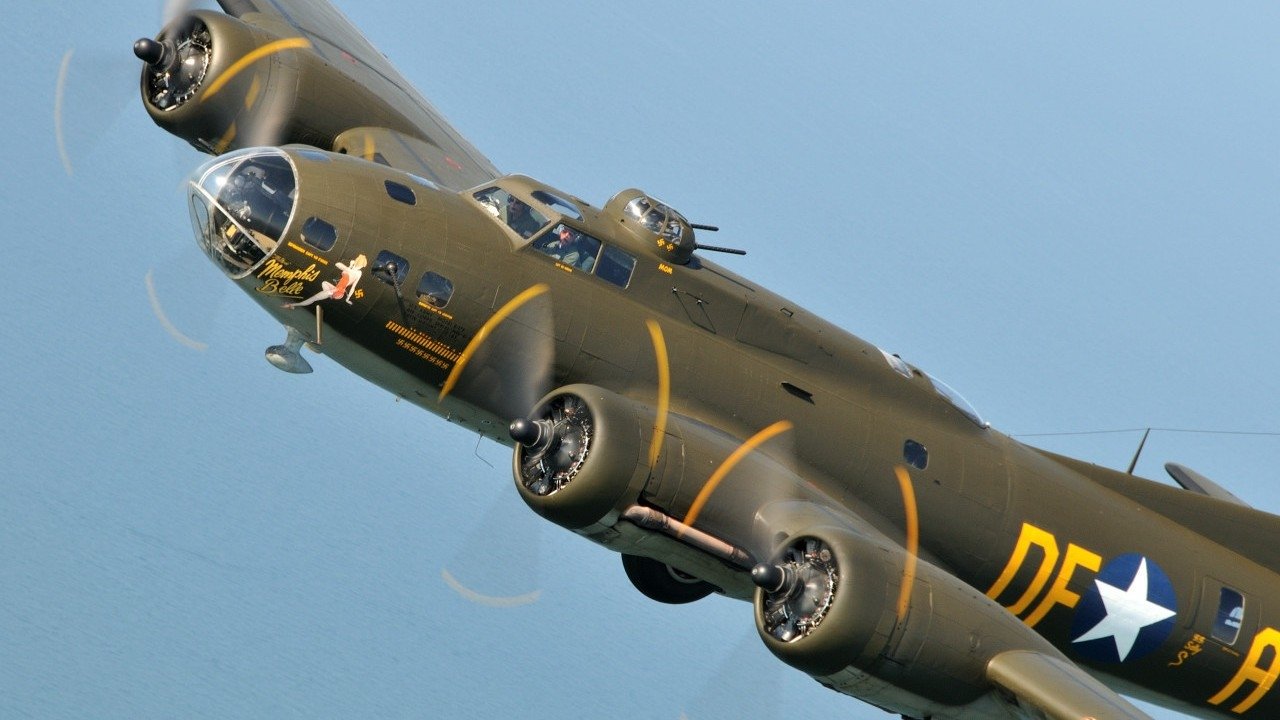
But bringing this story to the screen in 1990 wasn't simple. In an era before CGI dominated aerial sequences, the production sourced five actual, airworthy B-17 bombers from around the globe – a logistical feat in itself. Filming involved these vintage aircraft, often flown in challenging conditions over the English countryside (RAF Binbrook in Lincolnshire providing much of the backdrop). Tragically, one of the B-17s, the French "Pink Lady," crashed during takeoff early in the production (thankfully, the crew escaped without serious injury), highlighting the very real dangers involved even in recreating the past. The commitment to practical effects, using real planes against real skies, gives the aerial combat sequences an undeniable, tactile authenticity that still impresses. Remember seeing those shots on a tube TV back then? They felt immense.
It’s also worth noting that while the film depicts the crew facing a harrowing series of calamities on their final mission, the reality was a bit different. The real Memphis Belle completed its 25 missions, a remarkable achievement, but the film condenses the perils faced over many sorties into one dramatic flight for narrative punch. It’s a common Hollywood technique, but one that effectively conveys the cumulative risks these crews endured. Budgeted at a fairly hefty $23 million for the time, it performed respectably but wasn't a runaway smash ($27.4 million US gross), perhaps because its earnest tone felt slightly out of step with emerging cinematic trends.
### More Than Just a War Film?
Memphis Belle isn't trying to be Platoon or Saving Private Ryan. Its focus is narrower, centered on the microcosm of the bomber crew and the singular goal of survival. It touches on themes of luck, superstition (the rituals before flight), the psychological toll of combat, and the manufactured nature of wartime propaganda (personified by John Lithgow's publicity officer). It doesn't delve deeply into the complex morality of strategic bombing, preferring to keep the lens tight on the human drama inside the plane.
Does it sometimes feel a little too polished, the dangers overcome a bit too neatly? Perhaps. Some character arcs feel familiar. Yet, there's an undeniable sincerity to it. It aims to be a tribute, and in that, it succeeds. It captures a sense of youthful courage staring down overwhelming odds, framed within the specific aesthetic of early 90s filmmaking – big score (George Fenton's work is suitably stirring), recognizable ensemble cast, and a focus on clear-cut heroism.
Rating: 7/10
This score reflects the film's strong ensemble cast, impressive practical effects (especially the B-17 sequences), and the genuine tension it builds within the claustrophobic confines of the bomber. It successfully evokes the camaraderie and peril of WWII bomber crews. However, it stops short of greatness due to a somewhat sanitized portrayal of war compared to later films, occasionally predictable character beats, and a narrative that composites events for dramatic effect, slightly smoothing the rougher edges of historical reality. It remains a compelling and well-crafted piece of 90s cinema, particularly notable for its connection to the original documentary and its ambitious use of real vintage aircraft.
Final Thought: Memphis Belle remains a poignant snapshot – not just of a perilous WWII mission, but of a particular moment in filmmaking, balancing historical tribute with Hollywood storytelling. It reminds us of the young lives entrusted to those flying fortresses, and perhaps, makes us appreciate the relative ease with which we watched their dramatized ordeal from the comfort of our living rooms, VHS tape spinning faithfully in the VCR.