The darkness inside the A-6 Intruder cockpit feels absolute, broken only by the eerie green glow of instruments and the muffled sounds of flight over hostile territory. It’s a claustrophobia that mirrors the confined strategic thinking pilot Jake Grafton rails against, a feeling that lingers long after the credits roll on John Milius's Flight of the Intruder (1991). This wasn't just another flyboy flick hitting the shelves at Blockbuster; it carried the distinct, often controversial, signature of its director and tackled the frustrations of the Vietnam air war with a perspective rarely seen in the decade prior.
Men on a Mission, Rules Be Damned
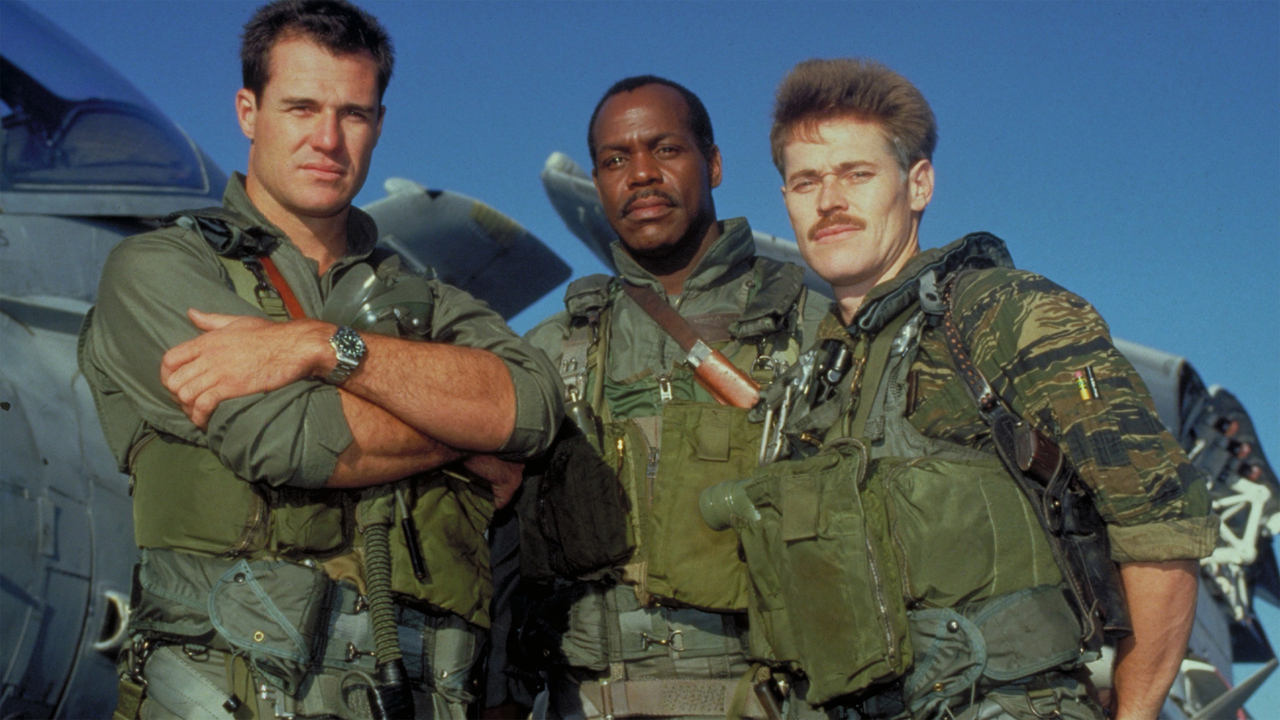
Based on the novel by former A-6 pilot Stephen Coonts, the film plunges us into the skies over North Vietnam in 1972. Lt. Jake "Cool Hand" Grafton (Brad Johnson) is a skilled Navy aviator flying the Grumman A-6 Intruder, a rugged, all-weather attack aircraft designed for low-level bombing runs. After his bombardier/navigator (B/N) is killed on a seemingly pointless mission targeting "suspected truck parks," Grafton's simmering frustration with the restrictive Rules of Engagement boils over. He finds a willing, almost dangerously eager, co-conspirator in his new B/N, the battle-hardened, philosophically cynical Virgil "Tiger" Cole, played with scene-stealing intensity by Willem Dafoe. Together, they hatch a plan to fly an unauthorized mission deep into North Vietnam to strike a target they know matters: SAM City in Hanoi. Overseeing them, and increasingly suspicious, is Commander Frank Camparelli, portrayed with weary authority by Danny Glover, fresh off the success of the Lethal Weapon films.
Dafoe Soars, Others Navigate Turbulence
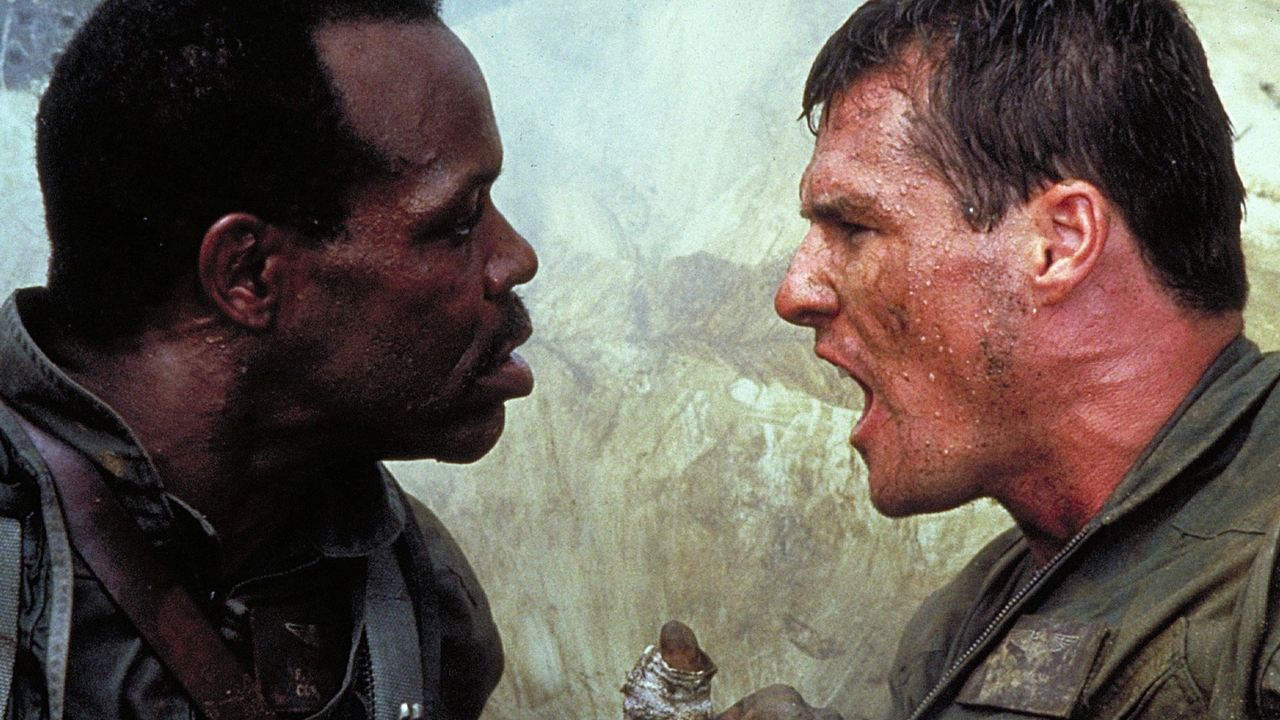
The performances are a mixed payload. Willem Dafoe, just a few years removed from his Oscar-nominated turn in Platoon (1986), is utterly magnetic as Cole. He embodies the weary cynicism and dark humor of a man who has seen too much war but still finds a grim satisfaction in its deadly calculus. Every line reading, every haunted stare feels authentic; he’s the film’s undeniable live wire. Danny Glover brings his reliable gravitas to Camparelli, a man caught between his duty to his men and his duty to the chain of command. You feel the weight on his shoulders. Brad Johnson, however, struggles somewhat to anchor the film as Grafton. While conveying the pilot’s anger and determination, his performance sometimes feels a bit stiff, lacking the charisma needed to truly pull us into his risky obsession. He often seems overshadowed by the sheer presence of Dafoe and Glover.
The Milius Touch: Grit, Hardware, and Honor
You can feel John Milius's fingerprints all over this picture. Known for his exploration of masculine codes, honor, and the realities of violence in films like Red Dawn (1984) and his writing work on Apocalypse Now (1979), Milius brings a certain rough-edged sincerity to Flight of the Intruder. He clearly loves the hardware – the A-6 Intruder is depicted with reverence, almost like a character itself. The aerial sequences, filmed with significant cooperation from the U.S. Navy using actual aircraft carrier operations aboard the USS Independence and assets from NAS Whidbey Island, were impressive for their time. Watching those low-level attack runs and carrier landings on VHS definitely had a visceral thrill, achieved through careful practical effects and real flight footage long before CGI dominated the screen. It’s a reminder of how tangible and weighty action felt in that era.

Retro Fun Facts: Grounded by Reality
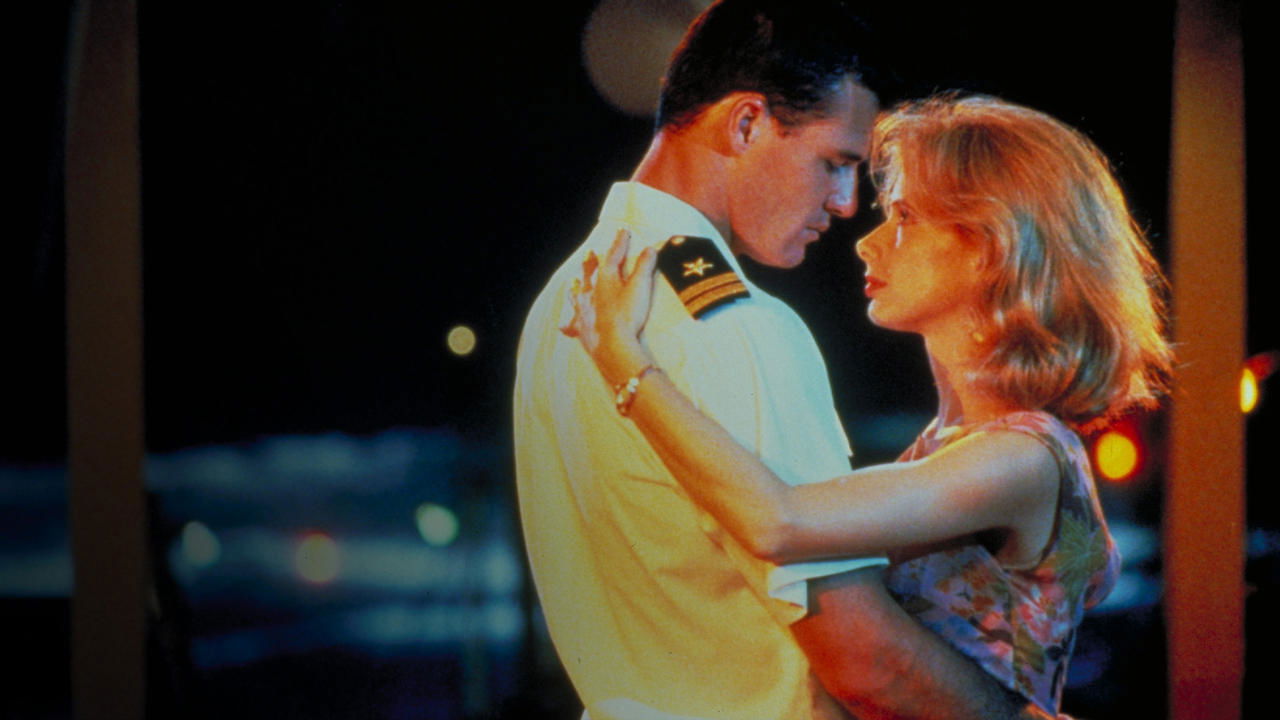
- A Pricey Endeavor: The film boasted a not-insignificant budget of around $30 million, reflecting the costs of extensive naval cooperation and practical effects work. Unfortunately, its timing might have been off. Released in January 1991, right as Operation Desert Storm kicked off in the Persian Gulf, audiences perhaps weren't in the mood for a morally complex look back at Vietnam. It ultimately grossed only about $14.5 million domestically, becoming a box office disappointment.
- From Page to Screen: While based on Stephen Coonts' bestseller, the film streamlines the plot considerably. Coonts, himself an Intruder pilot during Vietnam, brought a layer of technical and procedural authenticity to the source material that Milius aimed to capture visually.
- Milius's Vision: Milius reportedly clashed with the studio over the tone and ending, wanting an even grittier portrayal. His interest often lies in the warrior ethos, and Flight of the Intruder fits squarely within that theme, exploring the tension between following orders and doing what soldiers on the ground believe is right.
- The Real Stars: Extensive use was made of genuine A-6E Intruders (and KA-6D tankers). Filming the complex carrier launch and recovery sequences, especially at night, required immense coordination and skilled aerial cinematography, showcasing the dangerous ballet of naval aviation.
More Than Just Explosions?
Beneath the impressive aerial combat lies a film grappling with the disillusionment felt by many who served in Vietnam. The central conceit – taking the war into their own hands – speaks volumes about the perceived futility and frustrating limitations imposed on the military during the conflict. It asks uncomfortable questions about the cost of following orders versus the cost of defiance. Does the film fully explore these complexities? Perhaps not as deeply as it could have. The focus sometimes leans more heavily on the action than the introspection, and the "rogue mission" plot can feel a touch like standard Hollywood fare despite the serious backdrop. Still, it presents a different facet of the Vietnam experience than the ground-level infantry focus of films like Platoon or Full Metal Jacket (1987).
***
Rating: 6.5/10
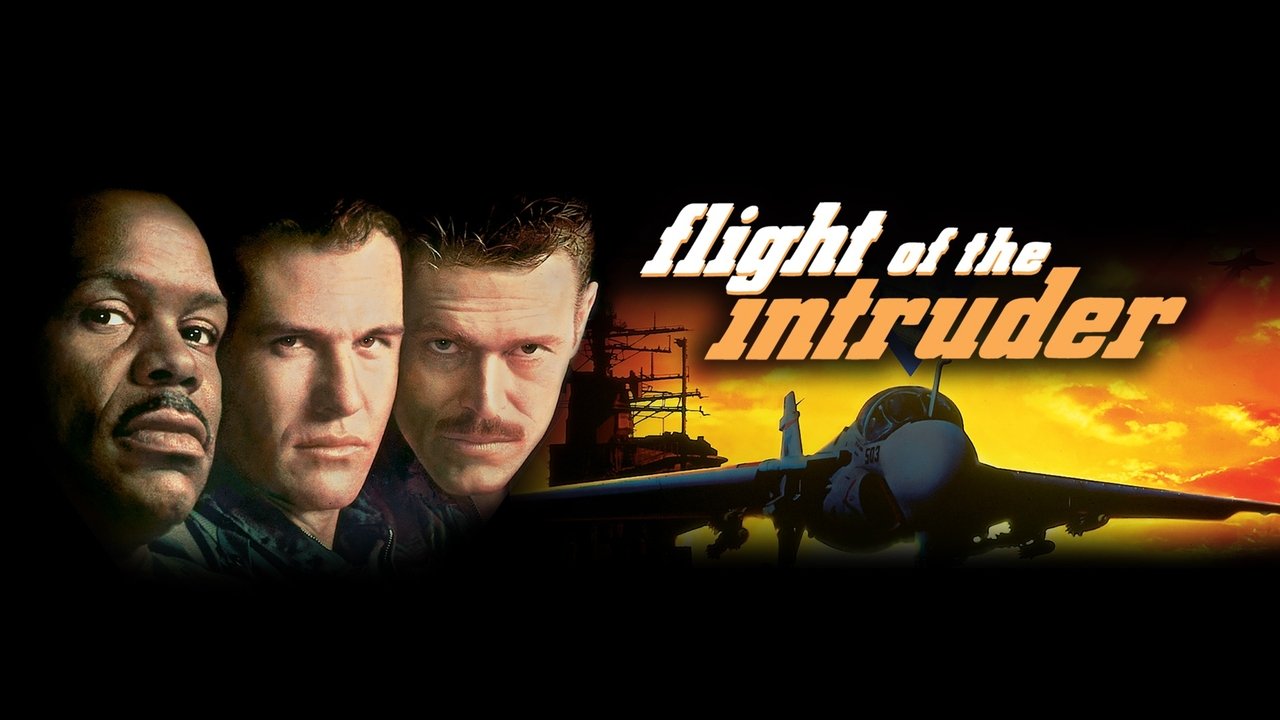
Flight of the Intruder is a solid, often engaging piece of early 90s military hardware cinema, elevated significantly by Willem Dafoe's superb performance and John Milius's distinct directorial hand. The practical aerial sequences still hold up reasonably well, reminding us of an era before digital dominance. However, it's hampered by a somewhat uneven lead performance and a script that doesn't always fully capitalize on its intriguing premise. The film’s earnestness and focus on the frustrations of the air war give it a unique flavor, even if it didn't quite achieve the classic status of some of its contemporaries. It feels like a film Milius genuinely wanted to make, capturing a specific kind of military disillusionment.
Final Thought: It remains a fascinating artifact – a Vietnam War film made just as America was embarking on a very different kind of conflict, carrying the weight of one war while another began, all captured on those chunky tapes we slid into our VCRs.