It hits you like a shot of illicit adrenaline, right from the jump. That opening freeze-frame, the narration kicking in – "As far back as I can remember, I always wanted to be a gangster." Martin Scorsese’s GoodFellas doesn't gently invite you into its world; it pulls you headfirst into the intoxicating, dangerous, and ultimately corrosive life of mob associate Henry Hill. Watching it again, years after that first slightly staticky VHS viewing, the film’s power hasn't dimmed one iota. If anything, its brilliance feels even sharper, its insights more chillingly relevant.

### The Seduction of the Life
What GoodFellas captures so viscerally is the appeal of it all. Young Henry, played with wide-eyed eagerness by Christopher Serrone before Ray Liotta takes over, sees the local wiseguys as neighborhood royalty. They have the cars, the respect, the effortless cool that bypasses the mundane struggles of his working-class background. Scorsese masterfully uses voiceover, dynamic camerawork, and an impeccable soundtrack – seriously, has any film ever used pop music better? – to immerse us in Henry's perspective. We understand why he chooses this path. Who wouldn't want to skip the line at the Copacabana? That legendary Steadicam shot, following Henry and Karen (a phenomenal Lorraine Bracco) through the kitchen and into the club, isn't just technical bravura; it's a perfect cinematic metaphor for the access and privilege this life seems to offer. It’s intoxicating, and for a while, we’re swept up right along with Henry.
### Masters at Work
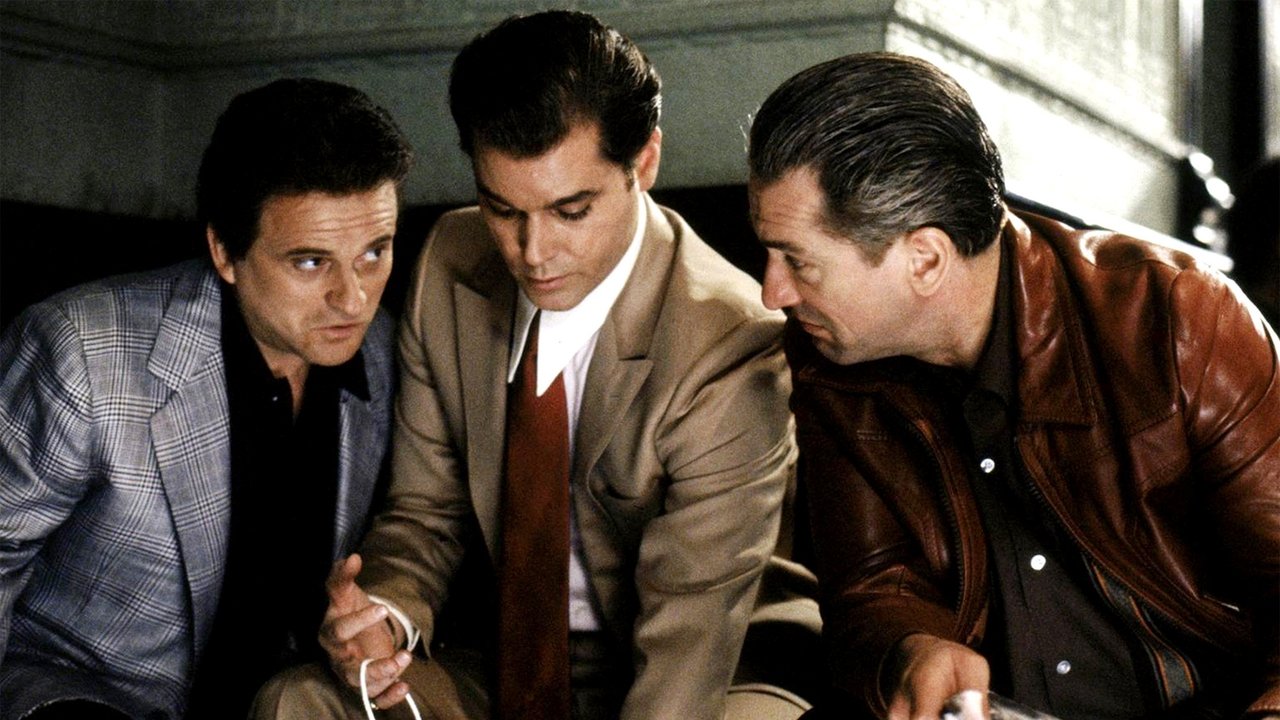
This isn't just Scorsese territory; it's Scorsese operating at the absolute peak of his powers, aided by his long-time collaborator, editor Thelma Schoonmaker. The pacing is relentless, mirroring the frantic energy of the life itself, yet every cut, every musical cue feels surgically precise. Remember the sheer kinetic buzz of the montage showing the Lufthansa heist aftermath, set to Derek and the Dominos' "Layla (Piano Exit)"? It's filmmaking as pure sensation.
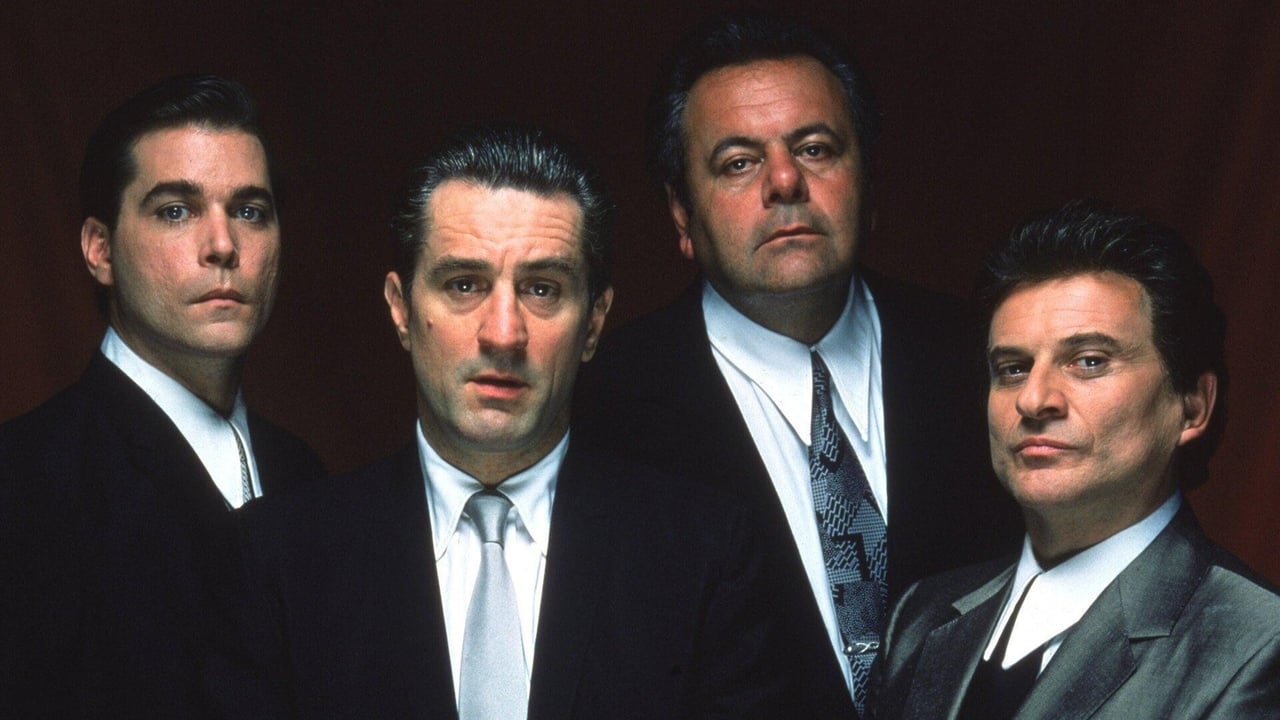
And the performances? Unforgettable. Robert De Niro, already a legend Scorsese frequently collaborated with (Taxi Driver, Raging Bull), brings a terrifyingly cool menace to Jimmy 'The Gent' Conway. His charisma is undeniable, but there’s a chilling calculation behind the eyes, a pragmatism that easily slides into lethal paranoia. De Niro famously obsessed over details, reportedly calling the real Henry Hill multiple times a day to ask about how Jimmy Burke (Conway's real-life counterpart) held his cigarette or used ketchup. It's that dedication to nuance that makes Jimmy so believable.
Then there's Joe Pesci. His Tommy DeVito is a human hand grenade, volatile, hilarious, and utterly terrifying, often in the same breath. The infamous "Funny how?" scene remains a masterclass in tension. It feels startlingly real because, according to Pesci, it was based on a real encounter he had when he was younger. He told Scorsese the story, they workshopped it in rehearsal, letting Pesci and Liotta improvise, but crucially didn't tell the other actors what was coming, capturing their genuine unsettled reactions on film. It earned Pesci a much-deserved Best Supporting Actor Oscar, and it’s impossible to imagine the film without his terrifying unpredictability. Even Scorsese's own mother, Catherine, makes a memorable appearance as Tommy's mother in the late-night dinner scene – a touch of surreal domesticity amidst the mayhem.
### When the Glamour Curdles
But GoodFellas isn't a recruitment poster. Based on the non-fiction book Wiseguy by crime reporter Nicholas Pileggi (who co-wrote the screenplay with Scorsese), the film meticulously charts the inevitable downward spiral. The initial camaraderie sours into suspicion. The easy money leads to reckless excess, paranoia, and brutal, senseless violence. The sequence depicting Henry's frantic, coke-fueled final day before his arrest is a masterpiece of editing and sound design, perfectly capturing the feeling of a world collapsing inwards. It’s stressful just watching it. The film doesn't shy away from the ugliness, the betrayals, the sheer waste of it all. There’s no honour among these thieves, ultimately.
Finding locations that could double for New York settings across several decades was a challenge. The production team skillfully used various spots in Queens, New Jersey, and Long Island to recreate the specific atmosphere of each era, grounding the larger-than-life story in a tangible reality. The film was made for a relatively modest (for its scope) $25 million and became a critical and commercial success, grossing over $47 million domestically. Its initial reception was stellar, cementing its place as an instant classic, though it famously lost the Best Picture Oscar to Dances with Wolves (1990) – a decision still debated by film fans today.
### Still Resonating in the Rewind
Watching GoodFellas on VHS back in the early 90s felt like handling contraband. It had a gritty immediacy, a dangerous energy that seemed perfectly suited to the slightly fuzzy, tangible format. It wasn't just a movie; it felt like an exposé, a raw nerve touched. Does that visceral feeling translate perfectly to crisp HD? Mostly, yes. The craft is undeniable on any format. But there was something about the analogue imperfections that mirrored the flawed, messy humanity – or lack thereof – on screen.
This film didn't just depict the gangster life; it arguably reshaped how popular culture viewed it, influencing countless films and television shows that followed (hello, The Sopranos). Its use of narration, music, and rapid-fire editing became iconic. It asks uncomfortable questions, doesn't it? About the allure of power, the American Dream twisted into nightmare, and perhaps even our own fascination with these charismatic monsters.
Rating: 10/10
This is filmmaking firing on all cylinders. Masterful direction, pitch-perfect performances (especially from Pesci, Liotta, and De Niro), an electric script based on incredible source material, and an unforgettable soundtrack combine to create not just a great gangster movie, but one of the truly essential films of the late 20th century. Its energy is infectious, its insights sharp, and its impact undeniable. Decades later, it still feels stunningly alive.
What lingers most isn't the violence or the style, but the haunting final shot of Henry Hill, the ultimate outsider, now locked out of the life he craved and ultimately betrayed – just another schnook in witness protection, lamenting the loss of access and power, forever looking over his shoulder. A chilling coda to a dizzying ride.