There's an image from Triumph of the Spirit (1989) that refuses to fade: the stark, almost alien geometry of Auschwitz-Birkenau, a backdrop not constructed on a soundstage, but the actual, chilling earth where unimaginable history unfolded. Against this, the visceral, desperate ballet of boxing. It’s a juxtaposition so jarring, so profoundly uncomfortable, that it immediately forces you to confront the film’s central, agonizing question: what does survival demand of the human soul? Watching it again, decades after first sliding that tape into the VCR, the question resonates with an undiminished, sobering weight.
A Ring Within Hell
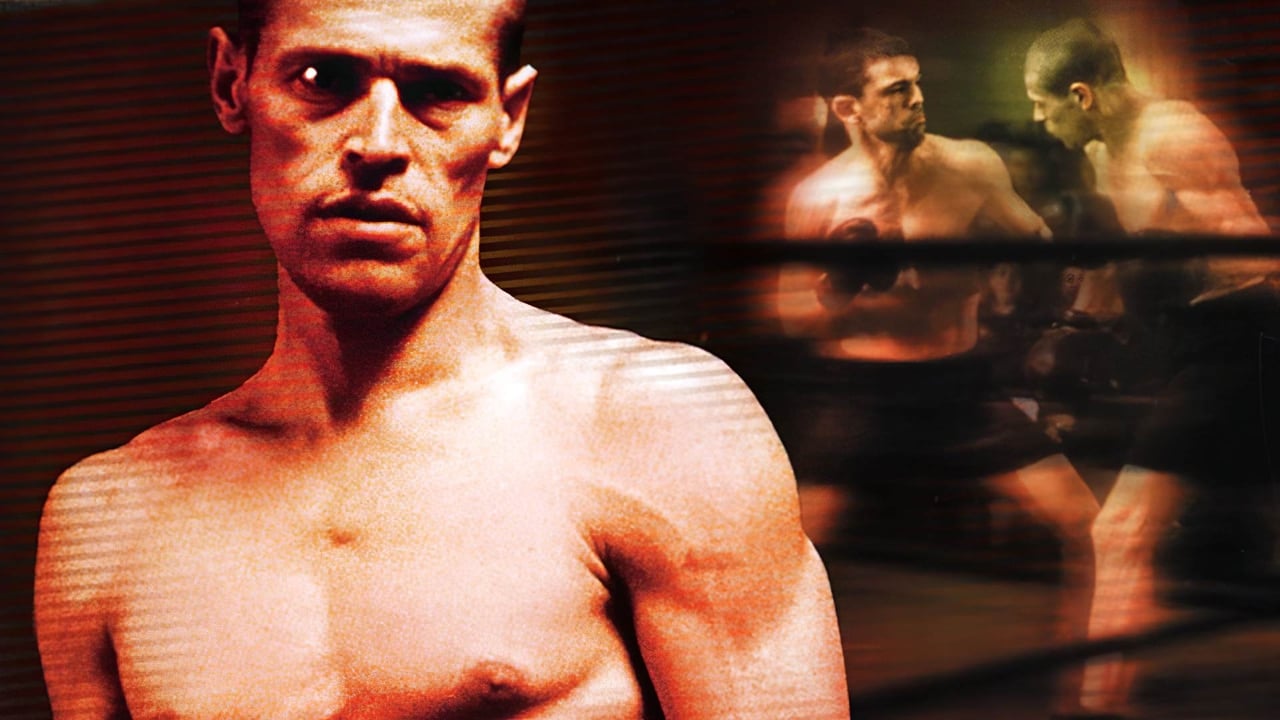
Directed by Robert M. Young, a filmmaker often drawn to stories of individuals navigating harsh realities (think Short Eyes or Dominick and Eugene), Triumph of the Spirit recounts the harrowing true story of Salamo Arouch. A talented Jewish boxer from Thessaloniki, Greece, Arouch and his family are deported to Auschwitz during World War II. There, amidst the systematic dehumanization and murder, his boxing skills become a grotesque form of currency. Identified by SS officers, he's forced into fights against fellow prisoners – brutal spectacles where the winner earns a loaf of bread and temporary reprieve, while the loser often faces immediate death. It’s a premise almost too bleak to contemplate, yet grounded in documented experience.
Dafoe's Defining Physicality
At the heart of this inferno is Willem Dafoe as Salamo Arouch. Fresh off indelible performances in films like Platoon (1986) and Martin Scorsese's The Last Temptation of Christ (1988), Dafoe brings an astonishing physical and emotional commitment to the role. This isn't just acting; it's embodiment. He trained rigorously as a boxer, shedding weight to achieve the gaunt physique of a camp inmate, and the authenticity bleeds through the screen. The boxing scenes, often performed by Dafoe himself, are less about athletic prowess and more about raw, primal survival. There’s a desperation in his movements, a haunted awareness in his eyes that conveys the immense psychological toll. You see a man stripped bare, fighting not just opponents, but despair itself. It remains one of the most physically demanding and emotionally resonant performances of Dafoe’s storied career.
The Weight of Authenticity
What truly elevates Triumph of the Spirit beyond a standard biographical drama is its audacious, almost unthinkable production choice: filming on location at Auschwitz-Birkenau. This was reportedly the first major non-documentary feature granted permission to film extensively within the actual grounds of the former concentration camp. You can feel the difference. The barbed wire, the guard towers, the infamous railway tracks leading to the gate – they aren’t set dressing; they are silent, horrifying witnesses. This decision lends the film an atmosphere of crushing authenticity that no set could replicate. Knowing that the real Salamo Arouch was present during filming as a consultant adds another layer of profound gravity. Imagine standing on that soil, advising actors portraying events you endured – the courage involved is staggering. It reportedly took a significant toll on the cast and crew, embedding a palpable sense of sorrow and respect into the film's very fabric.
Moral Compromise and Fragile Hope
The film doesn't shy away from the disturbing moral ambiguities of Arouch's situation. Is boxing for the entertainment of his captors, even for survival, a form of collaboration? The film presents it as a grim necessity, a path forced upon him. Yet, the question lingers, adding complexity to the narrative. Supporting performances from Robert Loggia as Salamo’s father, whose fate weighs heavily on him, and Edward James Olmos as a pragmatic Gypsy elder, provide grounding and different perspectives on endurance within the camp's hierarchy of suffering. The score by Cliff Eidelman underscores the bleakness but also finds moments of fragile, human connection amidst the horror. Young’s direction is unflinching but rarely gratuitous, focusing on the psychological state of Arouch rather than lingering excessively on brutality for its own sake.
A Heavyweight Contender in Memory
Does the title, Triumph of the Spirit, fully capture the experience? Perhaps "Survival of the Body, Scarring of the Soul" might be more precise. Arouch endures, physically overcoming opponent after opponent (reportedly over 200 fights without a loss), but the film makes clear the immense cost. It’s a "triumph" etched in trauma, a testament to the biological imperative to live, even when the spirit is battered almost beyond recognition. Released in 1989, amidst a wave of often more escapist cinema, Triumph of the Spirit was a stark, demanding film. It wasn’t a massive box office hit (earning roughly $4.5 million on a $12 million budget), but its impact, particularly Dafoe’s performance and the significance of its filming location, secured its place in cinematic history. It asks us to bear witness, to contemplate the extremes of human cruelty and resilience, and that’s a request that remains potent.
Rating: 8/10
Triumph of the Spirit is undeniably difficult viewing, a harrowing journey into one of history's darkest chapters. Yet, its power lies in its unflinching honesty, the extraordinary commitment of Willem Dafoe, and the profound weight of filming on the very ground where these atrocities occurred. The 8 rating reflects its importance, artistry, and emotional impact, acknowledging that its grim subject matter makes it a challenging, rather than traditionally enjoyable, watch. It doesn't offer easy answers or catharsis, but leaves you contemplating the brutal arithmetic of survival and the indelible scars left behind long after the fighting stops. It’s a film that, once seen, is hard to forget – a somber, necessary piece of remembrance from the shelves of VHS history.