### That Lingering Image of Defiance
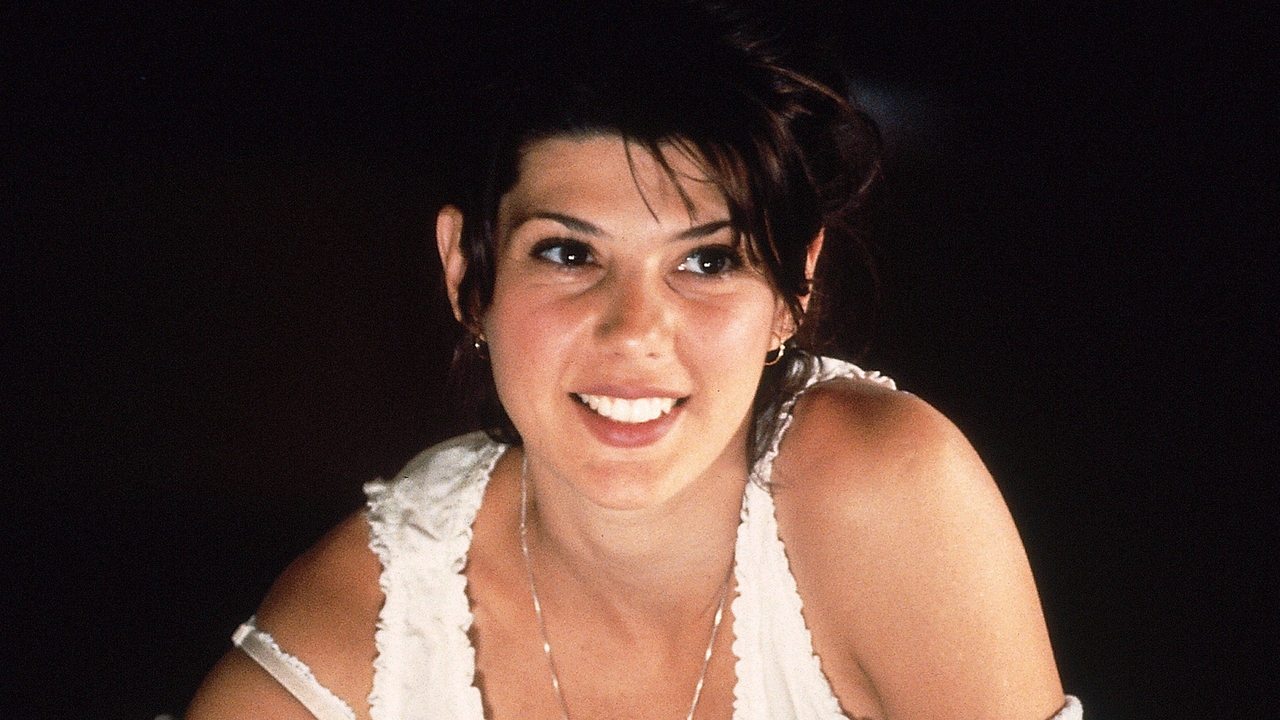
There are films that entertain, films that thrill, and then there are films that lodge themselves somewhere deeper, leaving behind not just memories but a persistent echo, a question mark hanging in the air long after the VCR clicked off. Michael Winterbottom’s Welcome to Sarajevo (1997) is firmly in that last category. It doesn't offer easy answers or comforting closure. Instead, it throws open a window onto the harrowing absurdity and aching humanity of the Bosnian War, specifically the Siege of Sarajevo, forcing us to look, really look, through the eyes of those tasked only with reporting. What happens when the observer feels compelled to become the participant?
### Beyond the Headlines
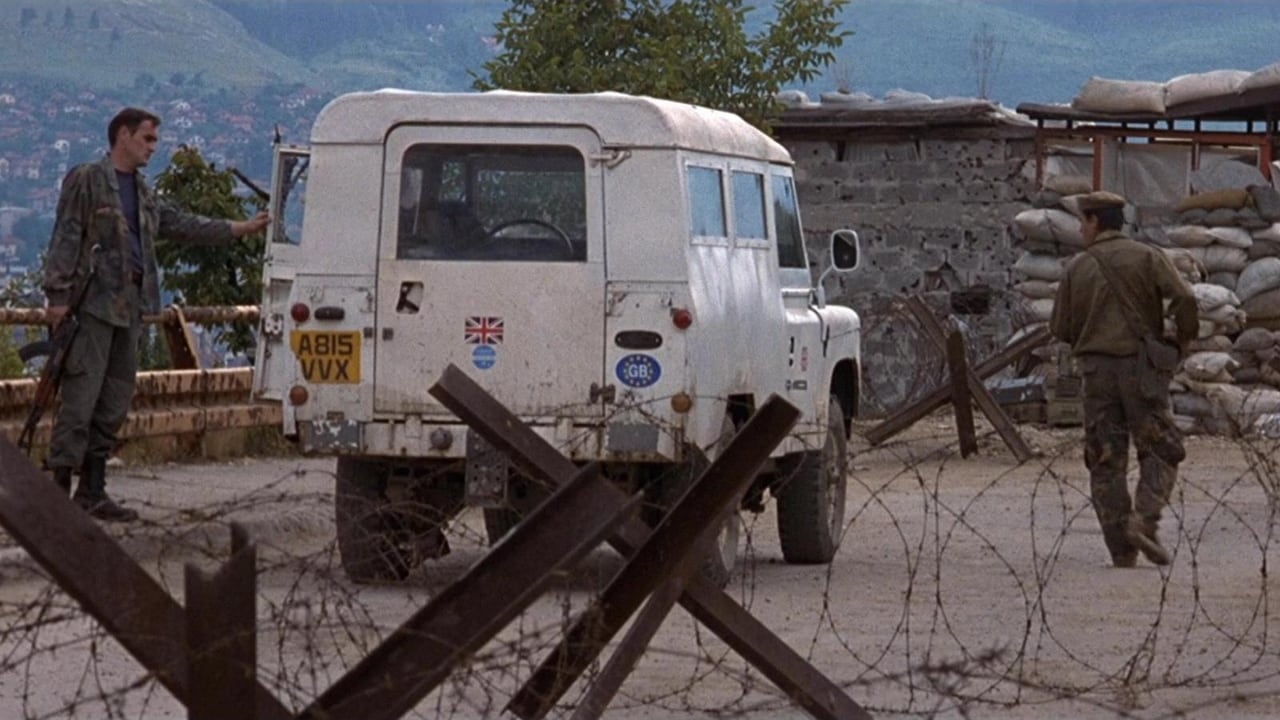
Based on the true story of British ITN reporter Michael Nicholson and his book Natasha's Story, the film follows journalist Michael Henderson (Stephen Dillane) covering the brutal siege. He and his colleagues – including the brash American star reporter Flynn (Woody Harrelson) and dedicated producer Annie McGee (Kerry Fox) – navigate the daily horrors, filing stories of snipers, shelling, and civilian suffering. Winterbottom, working with screenwriter Frank Cottrell Boyce (a frequent collaborator known for works like 24 Hour Party People), plunges us directly into the chaos. There's an unsettling immediacy here, a deliberate lack of cinematic gloss that feels less like a traditional war movie and more like bearing witness. Remember the shaky, handheld feel that became more common later? Winterbottom was using it here to devastating effect, blurring the line between staged drama and the raw news footage seamlessly integrated into the narrative. This wasn't just a stylistic choice; it felt like a statement about the reality collapsing into the reportage.
### The Moment Everything Changes
The film hinges on Henderson's visits to an orphanage, particularly his connection with a young girl named Emira (Emira Nušević, playing a character based on Natasha). Amidst the professional detachment required of war correspondents – capturing the story, getting the shot, moving on – Henderson finds himself profoundly affected. Stephen Dillane, an actor always capable of conveying immense depth with quiet intensity (later known widely for Game of Thrones), is extraordinary here. His Henderson isn't a caricature of a hero; he’s a man visibly wrestling with the ethical tightrope of his profession. You see the weariness in his eyes, the slow burn of empathy eroding the necessary journalistic distance. Can you remain impartial when faced with such direct, personal suffering? The film doesn't preach; it simply presents Henderson's dawning conviction that reporting isn't enough. His decision to try and illegally evacuate Emira from the city becomes the film's emotional and moral core.
### Capturing Chaos, Finding Truth
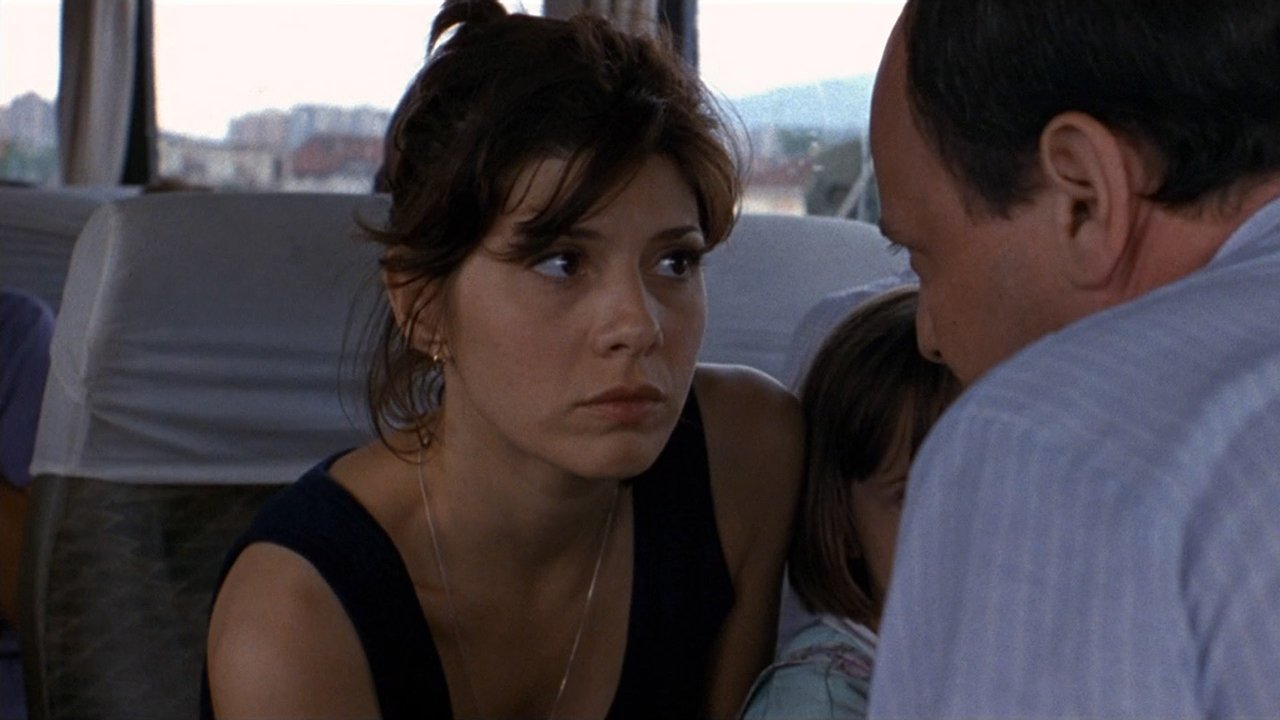
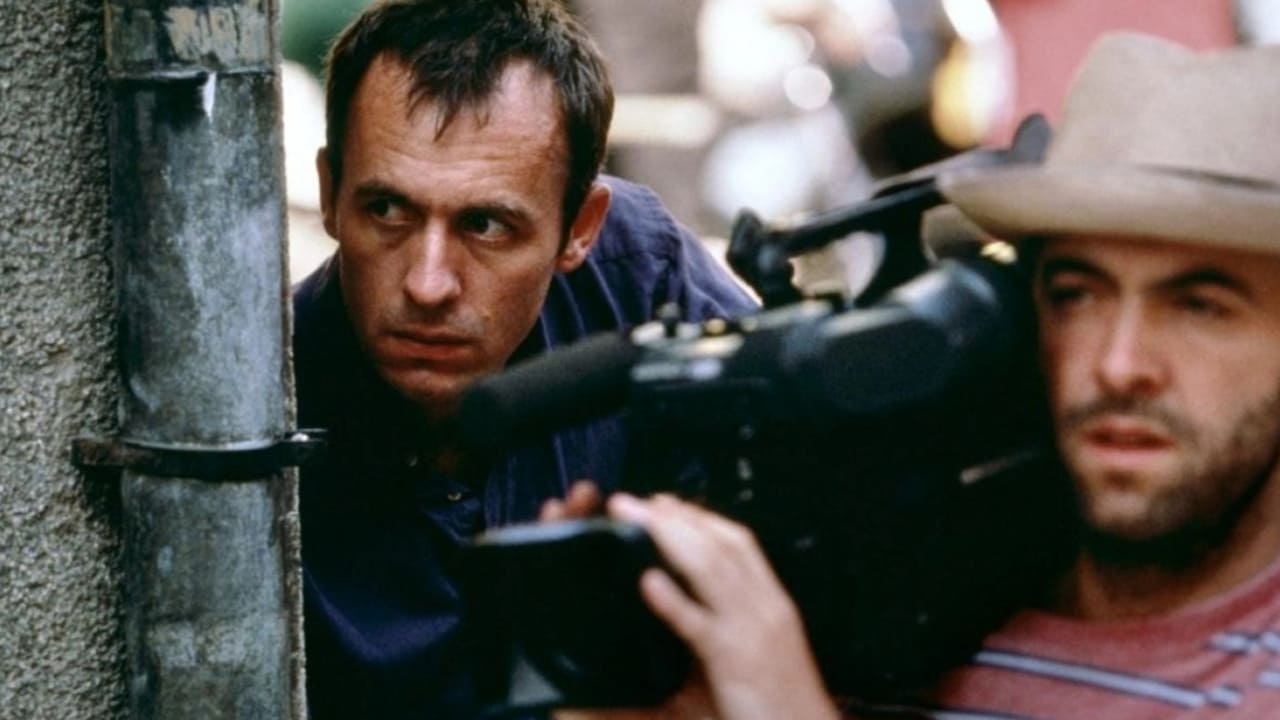
Woody Harrelson offers a fascinating counterpoint as Flynn. He’s the adrenaline junkie, chasing the biggest bang, yet even he isn't immune to the grim reality. Harrelson, who had already shown dramatic range beyond his Cheers roots in films like Natural Born Killers (1994), brings a necessary, if cynical, energy. Marisa Tomei appears as an American aid worker, Nina, offering another perspective on the international presence in the besieged city. But it's the ensemble of journalists and, crucially, the Bosnian actors and extras, including the children in the orphanage, who lend the film its devastating authenticity.
Winterbottom's commitment to realism extended to the production itself. While some scenes were shot in safer locations like Croatia, significant portions were filmed in Sarajevo just months after the siege ended in 1996. Imagine the courage and conviction required from cast and crew to work amidst the still-visible scars of war. This wasn't set dressing; it was the lingering reality. This commitment contributes immensely to the film's power, making the dangers feel palpable, the stakes terrifyingly real. It’s a far cry from the more stylized war depictions common in the 90s; this film felt like it had dirt under its fingernails. Critically lauded upon release, particularly after its premiere at the Cannes Film Festival, Welcome to Sarajevo wasn't a massive commercial success – perhaps its unflinching gaze was too difficult for mainstream audiences seeking escapism – but its impact resonated.
### The Weight of Witnessing
What makes Welcome to Sarajevo endure, popping that well-worn VHS tape into the player even now, is its unflinching exploration of moral responsibility. It challenges the viewer alongside Henderson. What is the value of a story if it doesn't spur action? What are the ethics of intervention? The film masterfully uses the contrast between the journalists' relative safety (flak jackets, armoured cars, the ability to leave) and the civilians' inescapable nightmare. That infamous "Miss Besieged Sarajevo" beauty pageant scene, staged amidst the rubble, is a moment of such profound, heartbreaking absurdity, it encapsulates the film’s unsettling power – a desperate grasp for normalcy in the face of utter madness.
It’s not an easy watch. It wasn’t then, and it isn’t now. There’s little catharsis, no triumphant finale. But its honesty, anchored by Stephen Dillane's superb performance and Michael Winterbottom's raw, docu-drama approach, makes it essential. It reminds us of a specific, brutal moment in recent history and asks questions about media, empathy, and action that remain profoundly relevant.
Rating: 9/10
This score reflects the film's exceptional power, authenticity, and thematic depth. The performances, particularly Dillane's, are masterful, and Winterbottom's direction is both brave and effective. The integration of real footage is seamless and devastating. It might lose a point simply because its harrowing nature makes it a difficult, rather than enjoyable, rewatch, but its importance and impact are undeniable. It stands as a stark, necessary piece of 90s cinema, a potent reminder captured on tape of what happens when the world looks away, and the courage it takes for one person to refuse to do the same.