Sometimes, the most compelling battlefield isn't one of roaring artillery and grand charges, but the suffocating silence between panicked breaths, the crackle of a radio signal cutting through miles of hostile jungle. That's the space where Bat★21 resides, a 1988 film that swaps the operatic scale of many Vietnam War epics for something far more intimate and, in its own way, deeply unsettling. It begins not with a bang, but with the jarring disconnect of expertise rendered useless – a high-altitude strategist suddenly, violently, returned to earth.

The View from Above, Suddenly Below
At the heart of Bat★21 is Lt. Col. Iceal "Gene" Hambleton, played with masterful vulnerability by Gene Hackman. Hambleton isn't a hardened grunt or a cynical lifer; he’s an expert in electronic countermeasures, a man accustomed to seeing the war as patterns on a screen, targets to be neutralized from miles away. When his reconnaissance plane is shot down deep within enemy territory during the 1972 Easter Offensive, his theoretical knowledge crashes headfirst into the terrifyingly tactile reality of mud, leeches, and unseen threats. Hackman embodies this terrifying disorientation perfectly. We see the initial shock, the fumbling attempts to apply intellect to primal survival, the slow erosion of military bearing replaced by raw fear and a desperate will to live. It's a performance stripped of bravado, focusing instead on the quiet terror of isolation and the dawning comprehension of the human cost obscured by strategic maps. This wasn't the usual square-jawed heroics common in 80s action; it felt unnervingly real.
A Lifeline Named Birddog
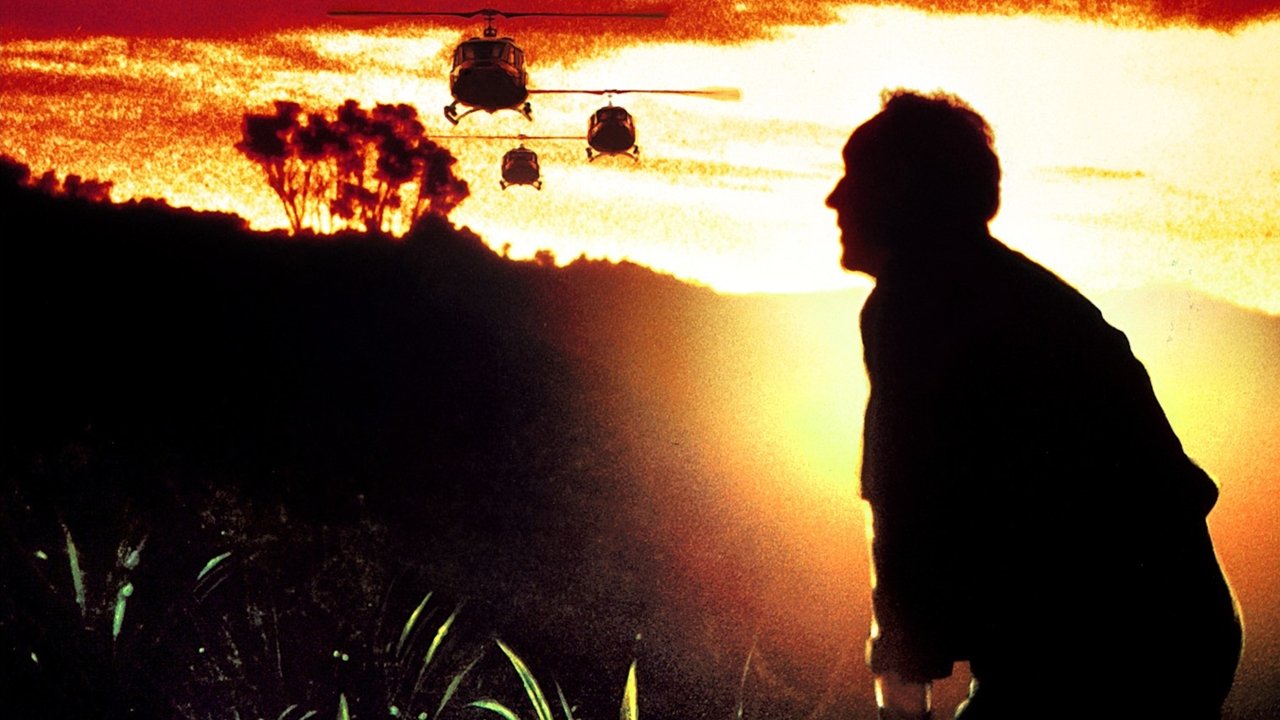
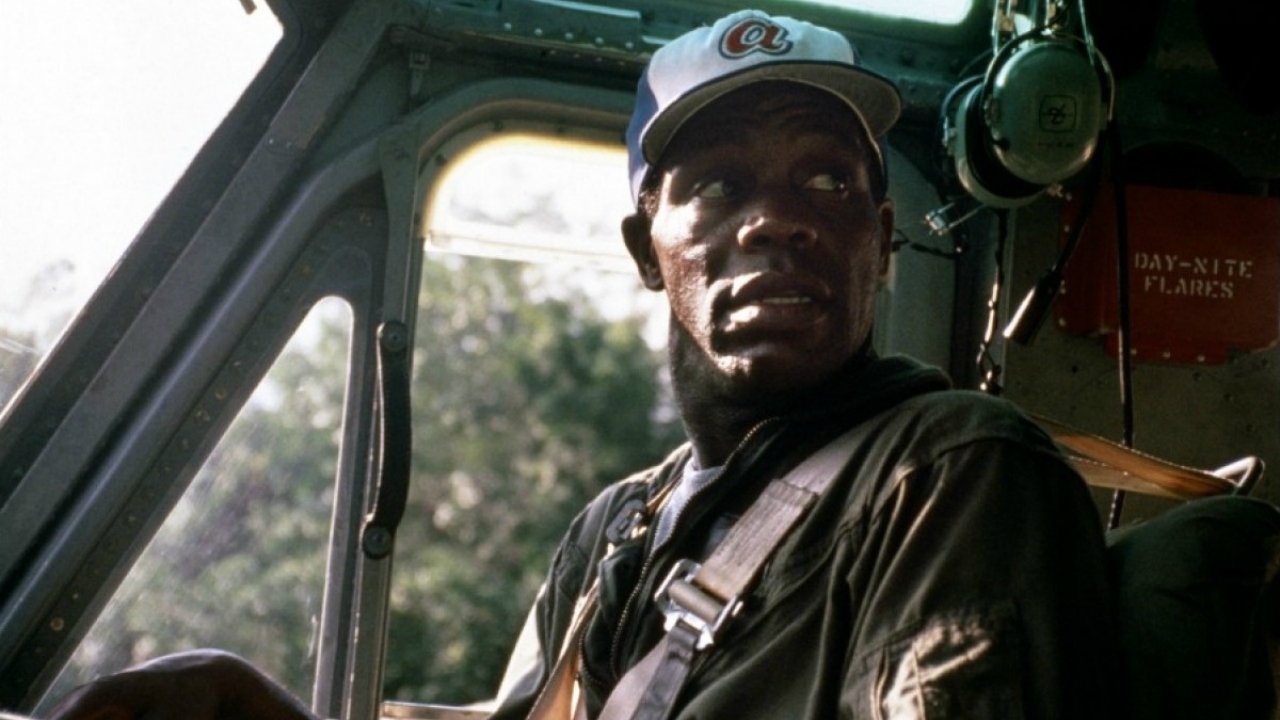
Hambleton's only connection to safety, his sole guide through the green hell, is the voice of Captain Bartholomew "Birddog" Clark, piloting a Cessna observation plane high above. Danny Glover, largely confined to the cockpit and communicating almost entirely via radio, delivers a performance of remarkable warmth and grounded authority. Birddog becomes Hambleton's eyes, ears, and, crucially, his link to hope. Glover conveys the immense pressure of the situation – the frustration of being so close yet unable to directly intervene, the careful calibration of reassurance and tactical instruction, the growing personal investment in the fate of the voice crackling in his headset. The film hinges on the evolving relationship between these two men, strangers bound by extraordinary circumstances, forging a connection built purely on vocal inflection and shared peril. Director Peter Markle, who would later helm another tight thriller with Youngblood, wisely keeps the focus tight on this dynamic, letting the tension build through their exchanges rather than constant firefights.
Crafting the Jungle Cage
Filmed primarily on location in Sabah, Malaysia, standing in for Vietnam, Bat★21 effectively creates a sense of claustrophobic immersion. The cinematography doesn't linger on majestic jungle vistas; instead, it often stays close on Hackman, emphasizing his isolation amidst the dense, indifferent foliage. The sounds of the jungle – the insects, the rustling leaves, the distant echoes of conflict – become characters in themselves, amplifying the suspense. While it lacks the visceral combat sequences of films like Platoon (released just two years prior), its power lies in this sustained atmosphere of vulnerability. The enemy remains largely unseen, a pervasive threat felt more than explicitly depicted, which arguably makes Hambleton's plight even more psychologically taxing for the viewer. You feel trapped with him.

Behind the Callsign: Retro Fun Facts
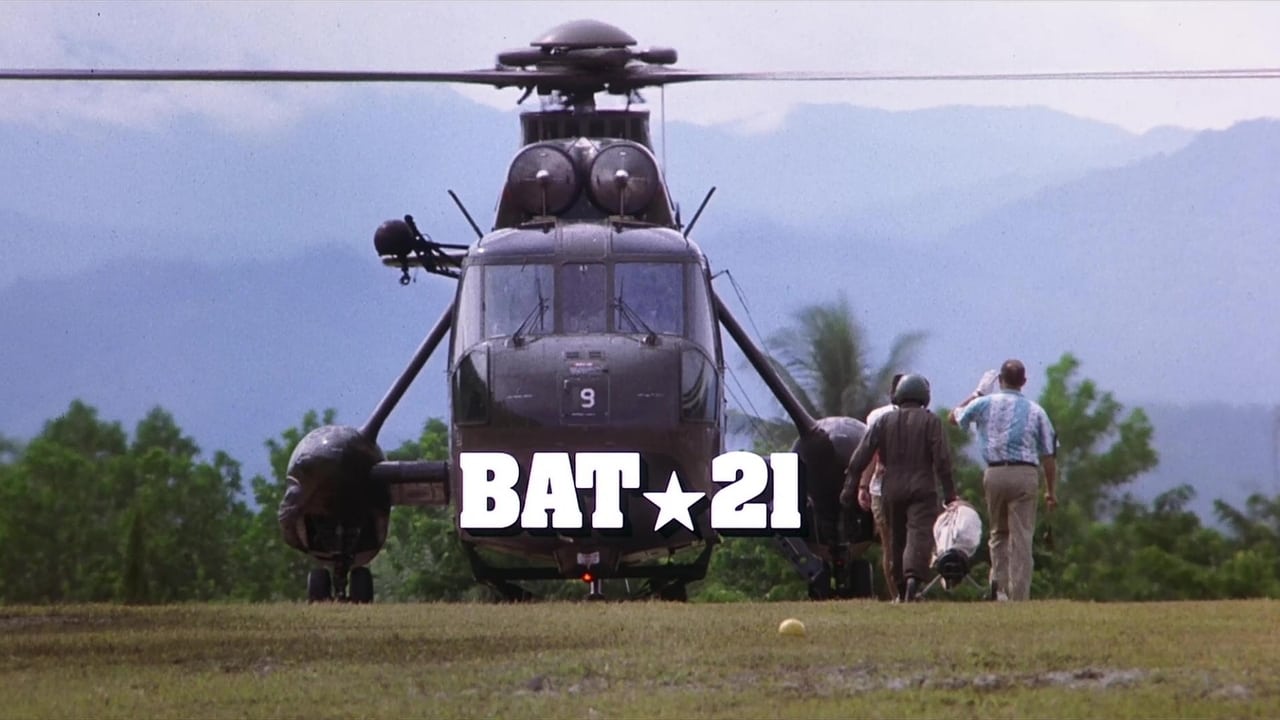
- Truth Stranger Than Fiction: The film is based on the harrowing real-life experience of Lt. Col. Iceal Hambleton, whose call sign was indeed "Bat 21 Bravo." However, the actual rescue operation was far larger, more complex, and tragically involved significant casualties over 11 days – a stark reality the film understandably compresses for narrative focus. The book by William C. Anderson, himself a retired USAF Colonel, details the full, costly operation. Reading it after seeing the film adds a poignant layer to Hambleton's screen ordeal.
- From Comedian to Colonel: The presence of Jerry Reed as Colonel Walker, coordinating the rescue effort, might seem surprising given his Smokey and the Bandit fame. Yet, Reed brings a grounded weariness and pragmatic determination to the role, effectively portraying the command perspective grappling with the high stakes of extracting one valuable officer.
- Location Substitution: While Malaysia provided convincing stand-in jungles, filming conditions were reportedly challenging, dealing with the heat, humidity, and logistical difficulties of working in remote areas – adding a layer of authentic discomfort that perhaps subtly informed the performances.
- Calculated Risk, Modest Return: Made on a budget of around $14 million, Bat★21 grossed approximately $19 million domestically. Solid, but not a blockbuster by late 80s standards (roughly $34M budget yielding $46M gross today). Its quieter, character-driven approach likely made it less of a commercial juggernaut than its action-heavy contemporaries, securing its place as more of a respected cult favorite among war film aficionados – a well-regarded title you might have discovered browsing the aisles of the local video store, nestled between the bigger hits.
The Quiet Intensity
What makes Bat★21 endure, especially when viewed decades later? It’s the film's commitment to its specific focus: the deconstruction of a non-combatant officer under extreme duress and the power of human connection bridged by technology. It doesn't attempt to make grand statements about the entirety of the Vietnam conflict but instead offers a tense, intimate survival story. Does it fully capture the brutal complexity of the real-life rescue? No, historical accounts reveal a much costlier and protracted affair. But as a cinematic portrayal of individual courage, fear, and the reliance on a single voice cutting through the chaos, it remains remarkably effective. It’s a different kind of war film, one that emphasizes psychological strain over pyrotechnics, and that focus feels potent even now. Doesn't the reliance on that fragile radio link echo our own modern dependencies, albeit in a far less life-threatening context?
VHS Heaven Rating: 8/10
Justification: Bat★21 earns a strong 8 for its compelling central premise, outstanding lead performances from Gene Hackman and Danny Glover (who achieves so much with just his voice), and its sustained, claustrophobic tension. Director Peter Markle crafts a focused, atmospheric survival thriller that prioritizes character and psychological strain. While it simplifies the true events and might feel deliberately paced compared to more action-oriented war films, its unique perspective and the powerful dynamic between the two leads make it a standout piece of 80s filmmaking. It's a film that relies on nuance and performance rather than spectacle, and succeeds admirably on those terms.
Final Thought: More than just a story of survival, Bat★21 is a potent reminder of the thin veneer separating strategic detachment from ground-level terror, and the profound connections that can be forged by voices reaching across the void, even when miles of hostile territory lie between them. It’s a film that stays with you, not for its explosions, but for the quiet desperation in a voice asking for guidance home.