Some films don't just tell a story; they trap you in a loop, a haunting echo chamber where the end circles back to meet the beginning, leaving you breathless and questioning the very nature of time and consequence. Milcho Manchevski's stunning debut feature, Before the Rain (1994), is precisely such a film. Arriving amidst the harrowing backdrop of the Balkan conflicts, this wasn't your typical Friday night rental fare, even tucked away in the 'World Cinema' section of the video store. It felt different, heavier. I remember the stark VHS cover art hinting at something profound and unsettling, a promise the film delivered with devastating elegance.
Echoes Across Shattered Landscapes
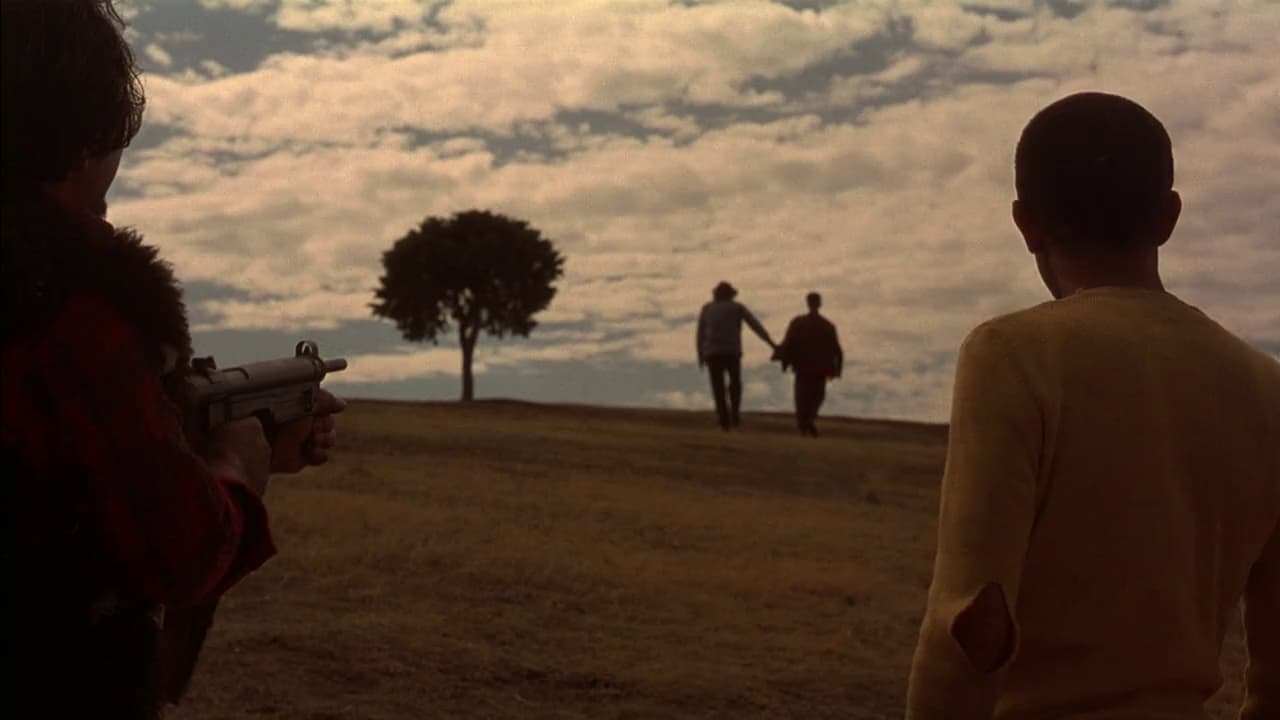
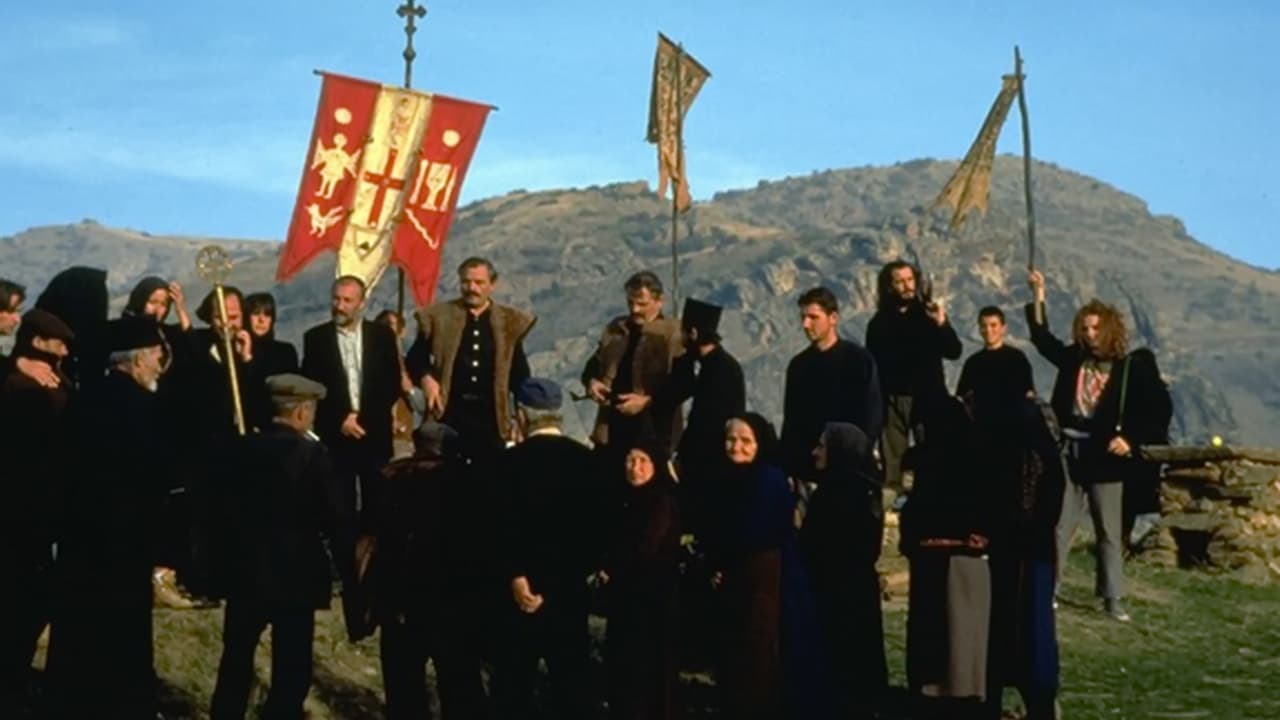
Before the Rain unfolds in three interconnected parts – "Words," "Faces," and "Pictures" – that refuse to sit in neat chronological order. We drift between the stark beauty and simmering ethnic hatred of rural Macedonia and the detached modernity of London. In Macedonia, a young, silent monk, Kiril (Grégoire Colin), finds himself protecting Zamira (Labina Mitevska), an Albanian girl accused of murder, hiding her from a vengeful mob composed of his own neighbours and even family. In London, Anne (Katrin Cartlidge), a photo editor, is caught in a tempestuous love triangle, torn between her estranged husband Nick (Jay Villiers) and Aleksandar (Rade Šerbedžija), a weary, Pulitzer Prize-winning Macedonian war photographer seeking refuge from the horrors he’s documented. Aleksandar’s eventual return to his volatile homeland forms the third, pivotal segment, tying the threads together in a way that’s both shocking and tragically inevitable.
The Weight of Witnessing
At the heart of the film pulses the figure of Aleksandar. Rade Šerbedžija, an actor already renowned in former Yugoslavia and soon to become a familiar face in international cinema (you might recall him later in films like Snatch (2000) or Batman Begins (2005)), embodies him with a profound weariness. He’s a man saturated by violence, not through participation, but through relentless observation. His photographs capture the brutality, but can they change anything? Does the witness bear responsibility? Manchevski seems to ask this not just of Aleksandar, but of us, the viewers. The film arrived when images of the Bosnian War filled news reports nightly; Aleksandar’s struggle felt like a direct confrontation with our own potential numbness or impotence in the face of distant atrocities. His desire to escape, to return to a simpler life, is deeply human, yet the film suggests such disengagement is a dangerous illusion.
Faces Etched in Conflict
The performances across the board feel raw and lived-in. Katrin Cartlidge, whose incredible talent we sadly lost far too young in 2002 but who left indelible marks in films like Mike Leigh's Naked (1993), brings a compelling mix of strength and vulnerability to Anne. Her London life, seemingly sophisticated, is mirrored by its own simmering tensions and betrayals, a different kind of conflict zone. Grégoire Colin is captivating as the young monk Kiril, his vow of silence amplifying the weight of his actions as he makes a choice driven by compassion in a world demanding tribal loyalty. These aren't characters merely serving a plot; they feel like real people caught in the gears of history and hatred, their intimate dramas playing out against a backdrop of impending doom.
"The Circle Is Not Round"
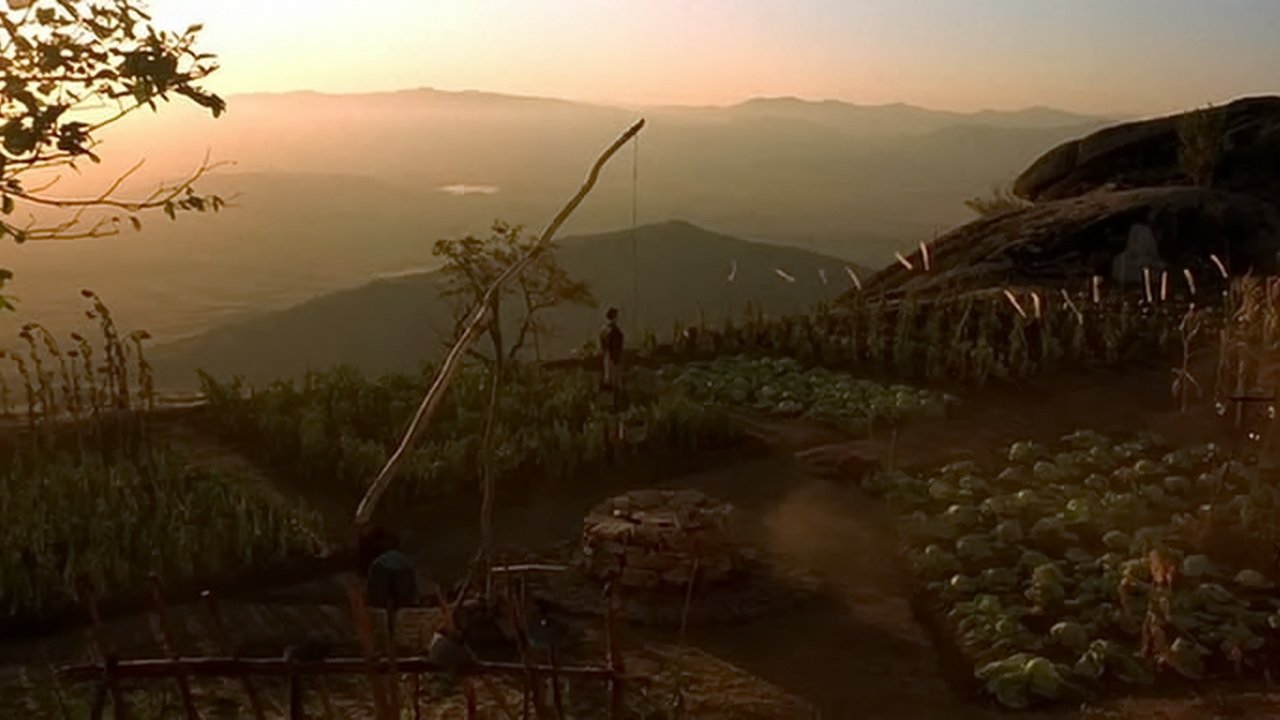
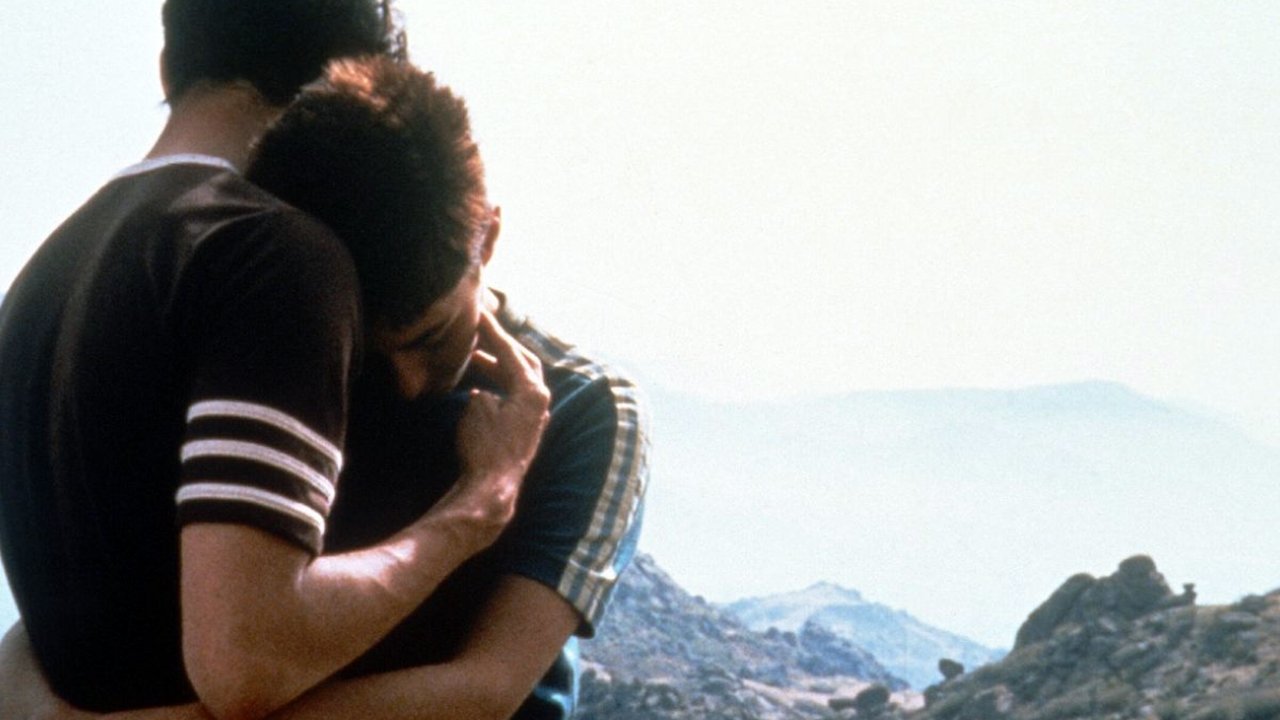
This phrase, appearing partway through the film, becomes its haunting mantra. The non-linear structure isn't a gimmick; it's the core thematic engine. By presenting events out of sequence, with the final part leading directly into the events that trigger the first, Manchevski locks us into the cycle. Violence begets violence. An act of mercy in one timeline becomes the catalyst for tragedy in another. It dismantles any easy sense of cause and effect, suggesting instead an inescapable pattern, a predetermined path paved with ancient grievances and fuelled by fear of the ‘other’. It’s a bold narrative choice, especially for a debut feature, and it’s handled with astonishing confidence. This structure is likely a key reason Before the Rain resonated so strongly, earning the prestigious Golden Lion at the Venice Film Festival and an Oscar nomination for Best Foreign Language Film – a remarkable achievement for Macedonian cinema. It announced Manchevski as a major international voice.
A 90s Relic with Timeless Resonance
Watching Before the Rain today, perhaps retrieving that old VHS tape or finding it streaming, feels different yet equally potent. The specific context of the Yugoslav Wars has passed into history, but the film's exploration of ethnic strife, the infectious nature of hatred, the difficulty of communication across divides, and the cyclical nature of violence feels chillingly relevant. It speaks to conflicts raging now, to the divisions in our own societies. The film’s haunting, evocative score by the Macedonian band Anastasia perfectly underscores the melancholic beauty and impending tragedy, weaving folk elements with modern ambiance. It wasn't an easy watch then, and it isn't now. It demands your attention, your empathy, and leaves you with a profound sense of sorrow, not just for the characters, but for the seemingly intractable human tendency towards conflict.
***
Rating: 9/10
This near-masterpiece earns its high rating through its audacious narrative structure, which brilliantly serves its devastating themes, coupled with powerful, authentic performances, particularly from Šerbedžija and Cartlidge. Its unflinching look at the roots and consequences of ethnic violence, presented with stunning cinematography and directorial confidence, makes it unforgettable. It’s a demanding film, emotionally taxing, but its artistry and thematic depth are undeniable.
Before the Rain remains a powerful reminder that some cycles are tragically hard to break, leaving you pondering long after the screen fades to black: can the rain ever truly wash away the blood?