Sometimes, a film arrives not with the explosive fanfare of a summer blockbuster, but with the quiet weight of history itself. István Szabó’s 1999 epic, Sunshine, is precisely that kind of film. It’s the sort of ambitious, sprawling drama that felt increasingly rare as the millennium turned, demanding patience and engagement in a way that few mainstream releases dared. I remember encountering the hefty double-VHS cassette for this one, a clear signal that this wasn't going to be a casual viewing experience. It promised something substantial, a deep dive into lives shaped, broken, and rebuilt by the tumultuous currents of the 20th century.

A Century Through One Family's Eyes
At its heart, Sunshine tells the story of the Sonnenscheins (German for "Sunshine"), a Hungarian Jewish family, across three generations. We follow their fortunes – and frequent misfortunes – from the waning days of the Austro-Hungarian Empire through the horrors of two World Wars, the Holocaust, and the subsequent Communist regime. Central to their journey is the recurring theme of assimilation and compromise: the family patriarch, Emmanuel, creates a successful herbal tonic, the Taste of Sunshine liqueur, building a fortune. His son Ignatz, seeking advancement in a society rife with anti-Semitism, changes the family name to Sors (Hungarian for "Fate") to become a respected judge, fiercely loyal to the Emperor. Ignatz’s son, Adam, converts to Catholicism to become an Olympic fencing champion for Hungary, only to face betrayal during the Holocaust. Finally, Adam’s son, Ivan, navigates the treacherous landscape of post-war Communism, first as a state interrogator and later as a disillusioned participant in the 1956 uprising.
The Three Faces of Fiennes
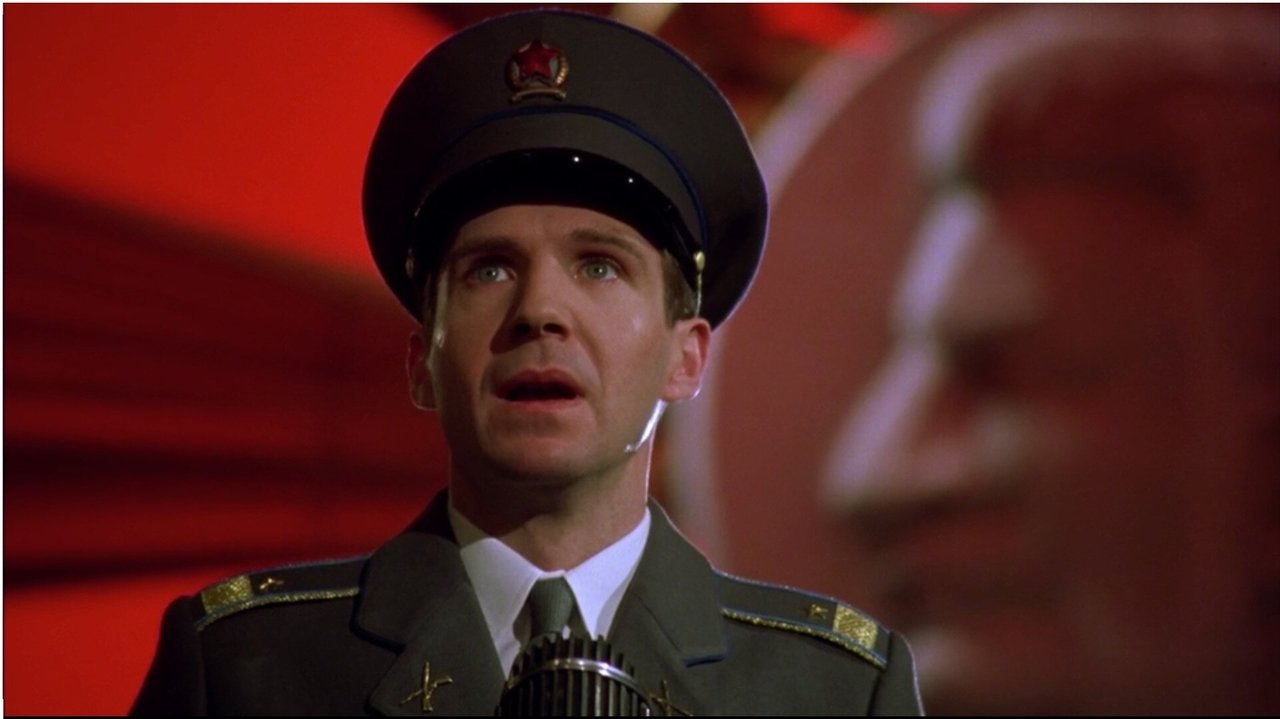
The narrative architecture rests almost entirely on the shoulders of Ralph Fiennes, who delivers a remarkable, tour-de-force performance playing Ignatz, Adam, and Ivan. It’s a staggering undertaking, portraying three distinct men bound by blood yet separated by ideologies and the crushing weight of historical circumstance. Fiennes doesn't merely change costumes; he subtly alters posture, gaze, and vocal cadence to embody each man's specific hopes, compromises, and eventual disillusionment. Ignatz’s stiff-backed adherence to imperial law gives way to Adam’s athletic pride and desperate patriotism, which in turn yields to Ivan’s initial zealous belief in the Communist cause, followed by profound moral reckoning. It's a testament to Fiennes' skill, fresh off demanding roles in films like Schindler's List (1993) and The English Patient (1996), that each character feels fully realized, their internal struggles etched onto his face. You truly believe you're watching three different souls grapple with the impossible choices their eras demand.
Szabó's Personal Tapestry
Director István Szabó, known for exploring the intersection of personal lives and historical forces in masterpieces like Mephisto (1981) and Colonel Redl (1985), brings a deeply personal touch to Sunshine. The film draws inspiration from his own family's experiences navigating Hungary's turbulent 20th century, lending an undeniable authenticity and emotional gravity to the proceedings. Collaborating with American playwright Israel Horovitz on the script, Szabó crafts a narrative that feels both epic in scope and intimate in focus. He doesn't shy away from the complexities and moral ambiguities faced by the characters; there are no easy heroes or villains here, only people trying to survive, often making choices that history would later judge harshly. It's a recurring theme for Szabó: how ideology and power can corrupt, and how individuals navigate systems far larger than themselves.

Illuminating Details
The film’s title itself, "Sunshine," resonates on multiple levels – the literal translation of the original family name, Sonnenschein, and the brand name of their successful liqueur, a symbol of their initial prosperity and perhaps a fragile hope passed down through generations. It’s a thread connecting them even as they shed identities. Filmed across authentic locations in Hungary, Austria, France, and Germany, the production meticulously recreates distinct historical periods, immersing the viewer in the changing worlds the family inhabits. Lensed beautifully by Lajos Koltai, Szabó’s frequent collaborator, the film possesses an elegiac quality, capturing moments of joy and intimacy alongside the encroaching darkness.
Interestingly, Sunshine was a significant European co-production (Germany, Austria, Hungary, Canada) with a reported budget around $26 million. Despite critical acclaim, including multiple European Film Awards and Canadian Genie Awards, it struggled at the box office, earning only about $7.7 million worldwide. Perhaps its challenging themes and demanding three-hour runtime (even cut down from Szabó's reported 220-minute director's cut) proved too much for mainstream audiences at the time. Yet, it’s precisely this ambition that makes it endure.
Enduring Questions
Supporting Fiennes is a stellar cast, including the luminous Rachel Weisz as Greta, whose life intertwines tragically with Adam's, and the eternally graceful Rosemary Harris as the elder Valerie, Ignatz's wife, who serves as the film's compassionate through-line and narrator, bearing witness to the family's entire arc. Their performances provide essential emotional anchors amidst the sweeping historical narrative.
What does it mean to belong? What price is too high for acceptance or survival? Sunshine forces us to confront these questions, examining the devastating consequences of prejudice and the difficult compromises made in the face of overwhelming political and social forces. It’s a film that doesn't offer easy answers but instead leaves you contemplating the resilience of the human spirit, the weight of legacy, and the recurring patterns of history. Watching it feels like unearthing a hidden chronicle, a potent reminder of the personal stories buried beneath the grand narratives of the 20th century.
Rating: 8.5/10
This rating reflects the film's towering ambition, Ralph Fiennes' extraordinary triple performance, István Szabó's masterful direction, and its profound exploration of complex historical themes. It’s a demanding film, certainly, and its length requires commitment, but the emotional and intellectual payoff is immense. Sunshine doesn't just recount history; it invites you to feel its weight and consider the echoes that continue to resonate today. It’s a powerful, unforgettable piece of cinema that rewards the patient viewer, a true gem from the twilight of the VHS era.