A Nightmare on Elm Street Part 2: Freddy's Revenge
It wasn't just the flickering CRT glow or the slightly muffled Dolby Surround hiss from the rented tape that made A Nightmare on Elm Street Part 2: Freddy's Revenge feel different. Released barely a year after Wes Craven’s game-changing original, this 1985 sequel carried a strange, almost feverish energy, a palpable sense of something wrestling just beneath the surface. Decades before explicit queer horror found its footing, Freddy's Revenge pulsed with a tension that resonated far beyond the boiler room shadows and the scrape of finger-knives on pipe. It was, and remains, an outlier – a jarring, often confusing, yet undeniably fascinating detour down Elm Street.

The Nightmare Within
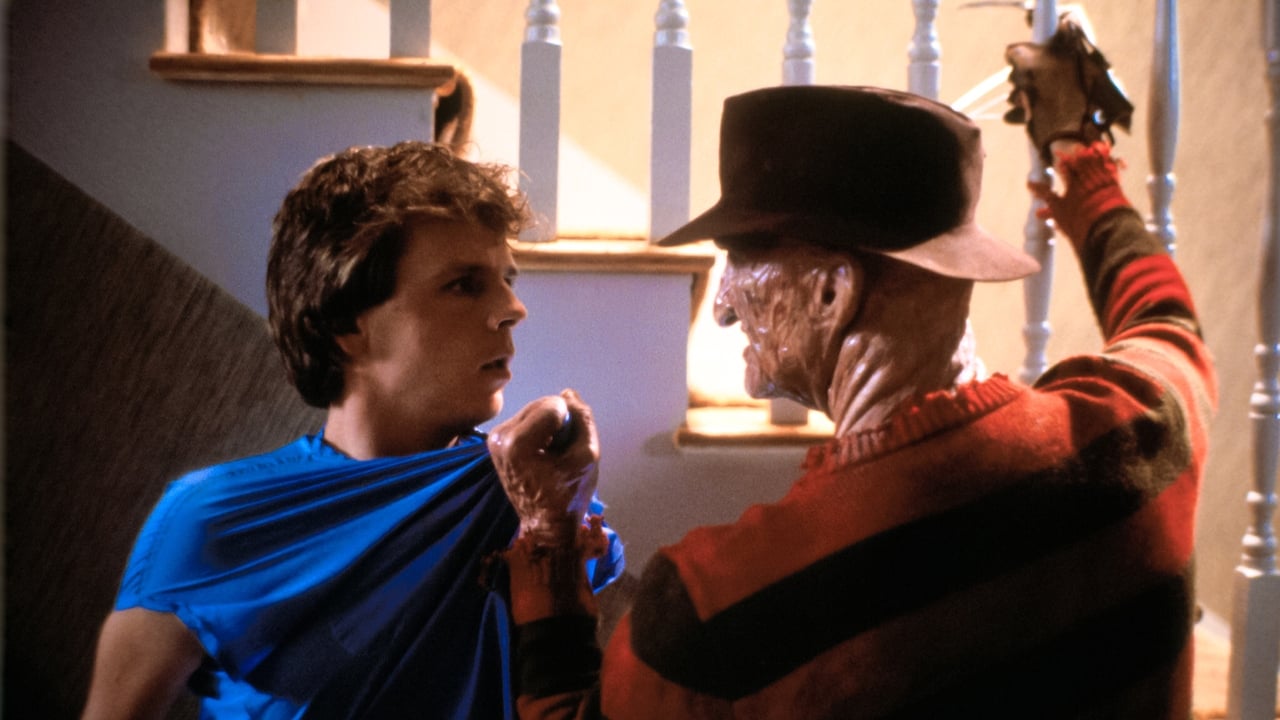
The premise itself signaled a departure. Five years after Nancy Thompson's ordeal, the Walsh family moves into 1428 Elm Street. This time, the focus isn't a resourceful final girl, but teenager Jesse Walsh, played with a raw, nerve-jangling intensity by Mark Patton. Freddy Krueger (Robert Englund, reportedly requiring some persuasion to don the glove again for this rushed production) isn't just invading dreams; he's seeking a host, a vessel to cross into the waking world. The terror becomes internalized, a battle for Jesse's very soul, manifesting as sleepwalking, violent outbursts, and a terrifying loss of control. Doesn't that shift fundamentally alter the dread? Freddy moving from dream demon to possessor felt like a betrayal of the established rules, a move born perhaps from the pressure cooker schedule demanding a swift follow-up ($3 million budget, $30 million box office – the studio clearly wanted more now).
Patton's Haunted Performance
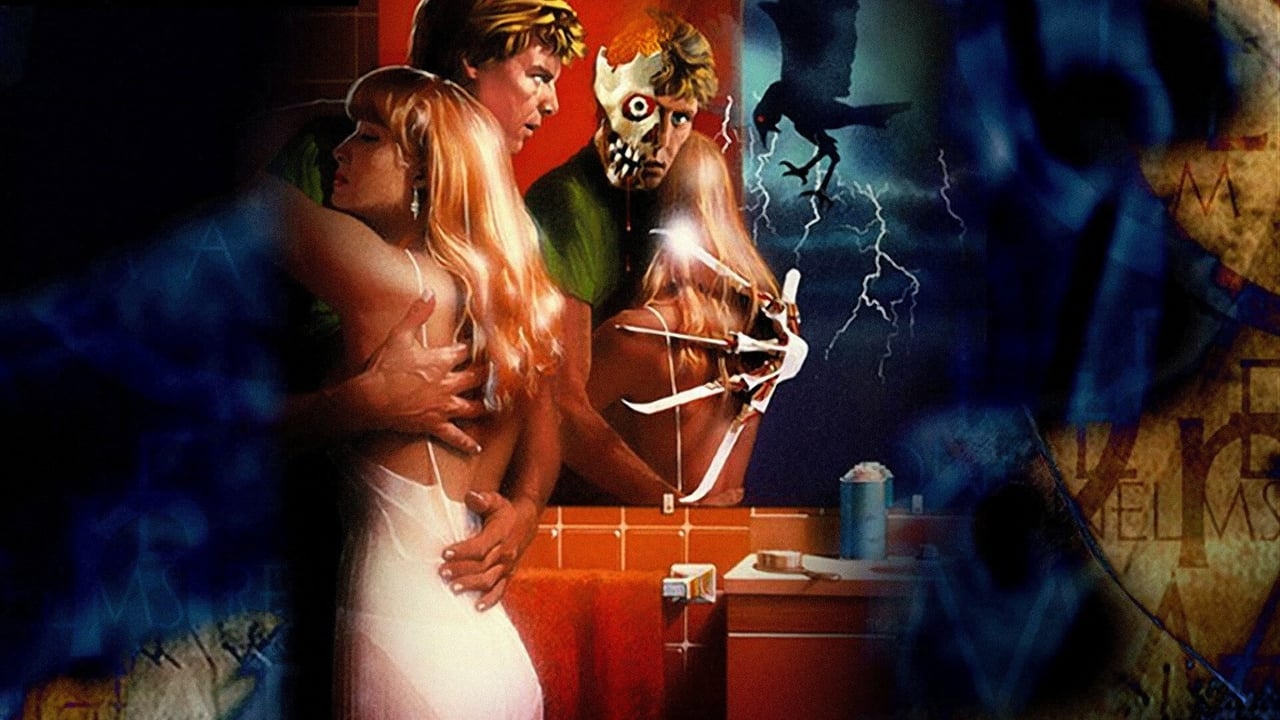
Whatever the script's intentions, Mark Patton delivers a performance steeped in genuine anguish. His Jesse is visibly cracking under the strain, his fear radiating not just from Freddy's spectral appearances but from the dawning horror of what he might be capable of himself. There’s a vulnerability and panic in his portrayal that anchors the film's more outlandish moments. Kim Myers as Lisa, Jesse's concerned girlfriend, provides a necessary grounding force, though the script often sidelines her investigative efforts. And Robert Rusler as Grady, the charismatic but ultimately doomed best friend, leans into the burgeoning '80s buddy dynamic, setting up one of the film's most disturbing sequences.
A Different Kind of Chill
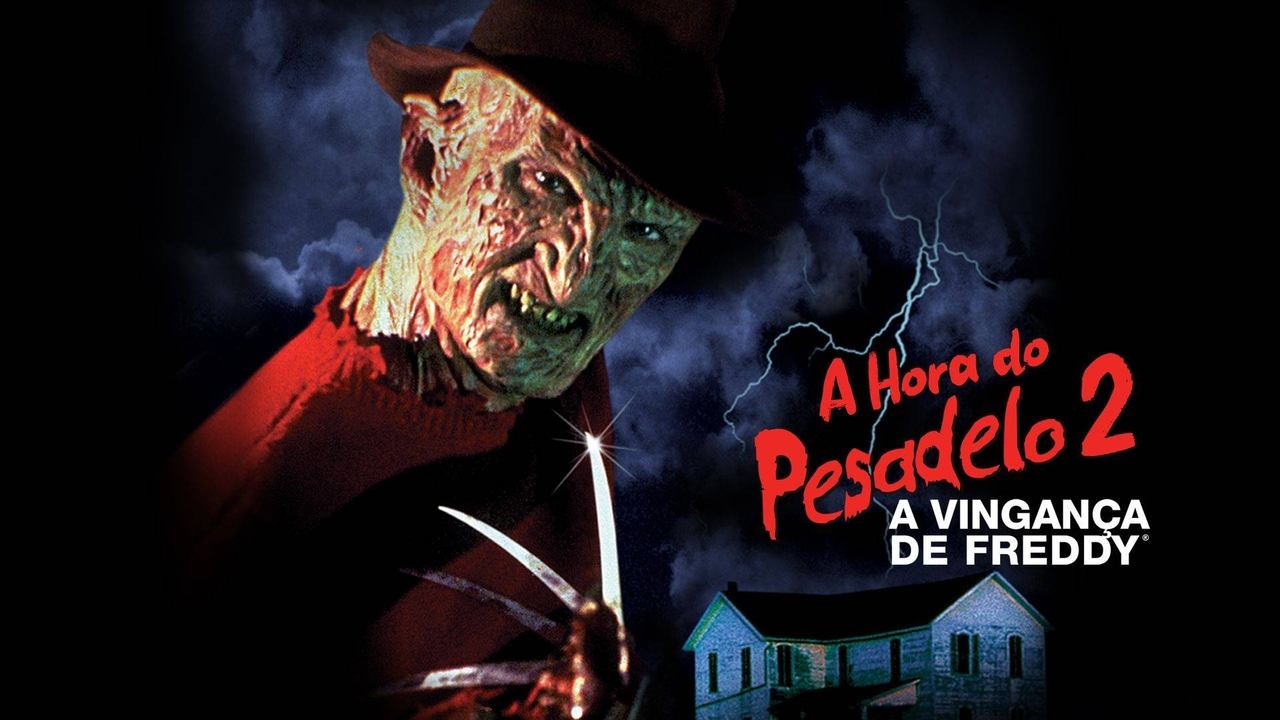
Director Jack Sholder (The Hidden), working from David Chaskin's script, crafts a film visually distinct from Craven's original. The dream sequences feel less surreal, more like heightened reality intrusions. That infamous pool party scene, culminating in Freddy's fiery rampage, is less about dream logic and more about sudden, chaotic violence erupting into a suburban idyll. The practical effects, while occasionally showing their seams (that exploding parakeet!), often land with visceral impact. Remember the sheer body horror of Freddy literally tearing his way out of Jesse? That sequence, reportedly a challenging one for the effects team, still possesses a grotesque power, emphasizing the theme of internal corruption made external. The film even ditches the original Elm Street house exterior, opting for a different property, further cementing its slightly 'off' identity.
Subtext Becomes Text
It's impossible to discuss Freddy's Revenge today without acknowledging the potent queer subtext, something writer Chaskin initially denied but later admitted was intentional, albeit perhaps amplified by Patton's performance and Sholder's direction. The S&M bar scene, Coach Schneider's suggestive punishment, Jesse's panicked flight from Lisa to Grady's bedroom, the recurring theme of a monstrous secret tearing him apart – these elements resonate with an interpretation of repressed sexuality erupting as monstrous horror. Mark Patton, a gay actor himself, has spoken extensively in recent years about his experiences making the film and how this subtext, recognized by many viewers even then, impacted his career in a less accepting Hollywood era. This layer adds a tragic dimension, making Freddy's Revenge not just a horror sequel, but a fascinating, accidental (or maybe not-so-accidental) piece of queer cinema history, wrapped in slasher clothing.
The Black Sheep's Legacy
A Nightmare on Elm Street Part 2: Freddy's Revenge remains the black sheep of the franchise. It broke established rules, sidelined the dream-world mechanics that made the original so unique, and pursued a narrative thread many found confusing or unsatisfying at the time. Its tagline, "The Man Of Your Dreams Is Back," felt almost ironic given how corporeal Freddy becomes. Yet, its unsettling atmosphere, Patton's committed performance, some genuinely disturbing sequences, and its undeniable, much-discussed subtext give it a strange staying power. It’s a messy film, a rushed film, but also a curiously bold one. Watching it again on worn-out VHS back in the day often felt… weird. You enjoyed the scares, but something lingered, a sense of discomfort that wasn't just about Freddy.
***
Rating: 6/10
Justification: While Freddy's Revenge stumbles by deviating heavily from the brilliant dream-stalking premise of the original and suffers from a rushed feel, it compensates with a uniquely unsettling atmosphere, a compellingly tormented lead performance from Mark Patton, and several memorable, if bizarre, horror set pieces. Its lasting intrigue, heavily fueled by the potent queer subtext that continues to spark debate and analysis, makes it a fascinating, flawed, but essential piece of the Elm Street puzzle and 80s horror history.
Final Thought: It might not be the "best" Nightmare, but Freddy's Revenge haunts in its own peculiar way, a fever dream of teenage angst, identity crisis, and a Krueger trying desperately, literally, to get under your skin.